Listen to this article
Technology in sports has revolutionized the way we engage with athletic events, train athletes, and analyze performance. From innovative sports technology that enhances athlete performance to wearable devices that provide real-time tracking of physical conditions, the marriage of tech and sports is reshaping the industry. Enhanced sports analytics enable teams to make data-driven decisions that dramatically improve training and strategy, while injury prevention tools utilize cutting-edge research to keep athletes healthy and performing at their peak. Furthermore, the rise of e-sports has broadened the definition of sports, captivating millions and creating new avenues for fan engagement. With the integration of social media in sports, fans can connect with their favorite athletes like never before, marking a dynamic shift in the landscape of sports entertainment.
The intersection of innovation and athletics is capturing the attention of fans and professionals alike, redefining traditional notions of competitive play. By leveraging advancements in performance metrics and monitoring technologies, teams can enhance their training regimens and optimize player health. The role of analytics in unfamiliar territories, such as e-sports, illustrates the versatility of technology in driving success across various competitive formats. Meanwhile, fan interaction through modern communication channels fosters a sense of community and loyalty, making it easier for supporters to follow and engage with their teams. Thus, as new technologies emerge, they pave the way for an unprecedented era of performance enhancement, safety, and spectator enjoyment.
Revolutionizing Athlete Performance with Wearable Technology
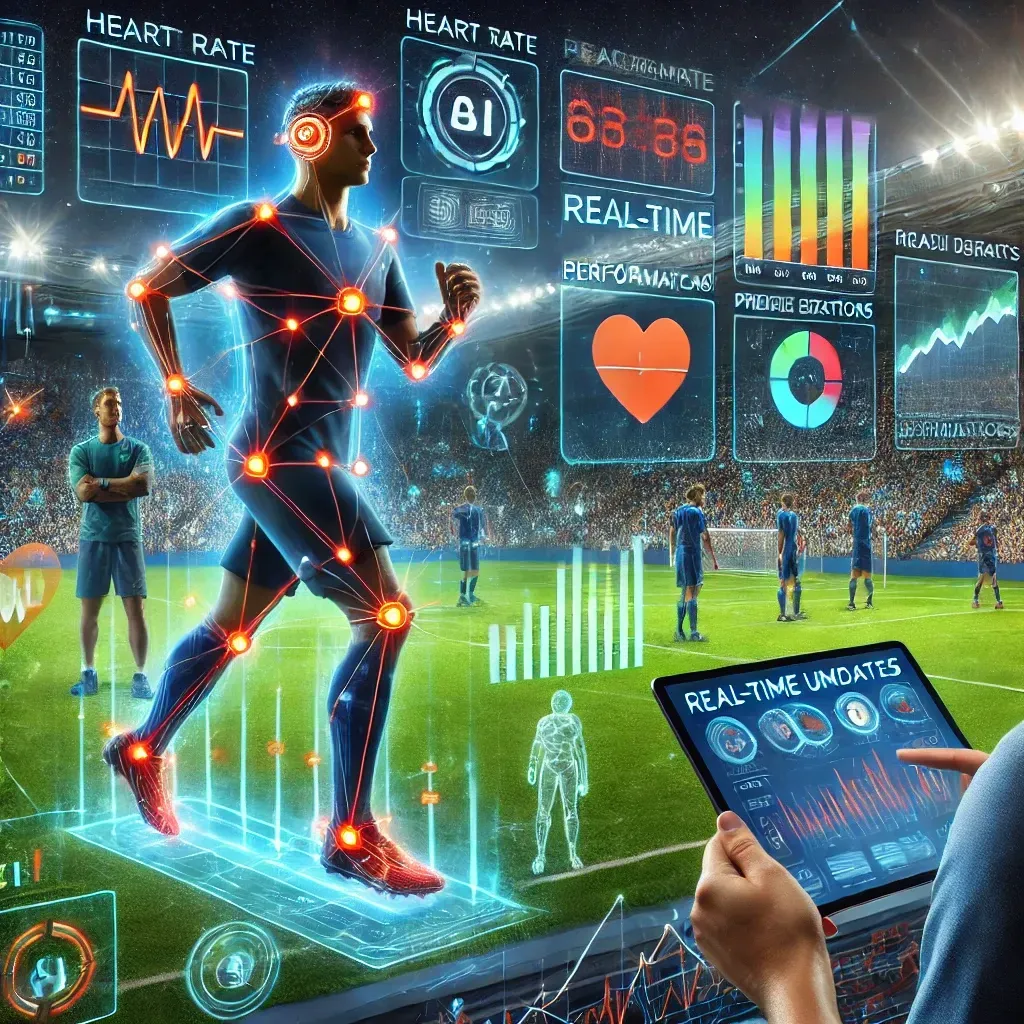
Wearable technology has become a cornerstone in the world of sports, allowing coaches and trainers to gather intricate data about an athlete’s performance and physical health. These devices, which include heart rate monitors, pedometers, and GPS trackers, collect valuable metrics that can directly influence training regimens. In particular, real-time data on heart rate and movement patterns allow for more personalized training sessions, ensuring athletes can reach peak performance levels without the risk of overexertion.
Moreover, the insights derived from wearables can signal when athletes are nearing their physical limits. For instance, advanced machine learning algorithms analyze the data collected, allowing coaches to identify potential stress points that might lead to injuries. This proactive approach enhances athlete development and serves as a vital tool in maintaining long-term athlete health, marking a significant advancement in how teams manage athlete performance.
Enhancing Fan Engagement Through Technology
The intersection of technology and sports has completely transformed how fans engage with their favorite teams and players. Digital platforms and mobile applications now enable fans to access live scores, detailed statistics, and immersive experiences like augmented reality (AR) overlays during matches. This technological advancement not only enhances viewing experiences but also fosters a passionate and dedicated fanbase that feels more connected to their teams.
Additionally, social media has revolutionized fan engagement strategies, allowing athletes to communicate directly with supporters. Platforms like Instagram and Twitter have become channels for fans to interact with their favorite sports figures, share experiences, and even participate in real-time discussions. This immediate and personal interaction strengthens the bond between fans and athletes, leading to increased loyalty and enthusiasm for the sport.
Big Data in Sports Analytics: Unlocking Competitive Advantages
The use of big data analytics in sports has emerged as a game-changing approach, transforming how teams are managed and games are played. By analyzing vast amounts of data—including player statistics, team dynamics, and historical performance metrics—coaches can derive critical insights that guide strategy and decision-making. For example, former data might help predict the outcome of specific game scenarios or assess an opponent’s weaknesses.
Moreover, sports analytics extend beyond on-field strategies; they also inform effective player recruitment and development processes. Teams can identify and sign undervalued talent based on comprehensive analytics, giving them a strategic edge in competitions. As the field of sports analytics continues to evolve, teams that embrace these technologies will likely set themselves apart in an increasingly competitive landscape.
Technology-Driven Injury Prevention Strategies
Injuries have long been a significant hurdle for athletes, but advances in sports technology are paving the way for more effective injury prevention methods. Modern tools such as motion sensors and biomechanical analysis software enable trainers and medical professionals to study athletes’ movements in detail, identifying patterns that may predispose them to injuries. By understanding these risk factors, teams can implement tailored training programs designed to strengthen vulnerable areas.
Rehabilitation technologies, such as virtual reality exposure therapy and adaptive training equipment, are also transforming recovery processes. These innovations facilitate a smoother transition back to play, ensuring athletes do not just recover but return with enhanced physical capabilities. As technology continues to advance, the focus on injury prevention and the effectiveness of recovery processes will only grow stronger.
The Explosion of E-Sports: A Technological Revolution
E-sports has swiftly become a dominant force in the realm of competitive sports, propelled by technological advancements and the increasing accessibility of gaming. Global tournaments attract millions of viewers, making e-sports a lucrative enterprise with investment opportunities on par with traditional sports. Major events now offer substantial sponsorship deals, making headlines and elevating competitive gaming to a mainstream audience.
Moreover, the rise of e-sports is complemented by the implementation of cutting-edge technologies like streaming platforms and gaming analytics. Gamers can now access detailed performance metrics, watch live tournaments from around the world, and engage with their favorite teams in unprecedented ways. This shift is not only redefining the sports landscape but also creating new career paths for aspiring players, commentators, and even coaches.
Social Media: The New Frontier in Sports Marketing
Social media has revolutionized how sports teams and athletes promote themselves and engage with their followers. Platforms like Facebook, Twitter, and Instagram allow for real-time interaction, creating a more authentic connection with fans. This shift has prompted teams to adopt innovative marketing strategies to target audiences, boosting visibility, and enhancing brand loyalty within the sports community.
Additionally, social media provides a unique avenue for athletes to harness their personal brand. Celebrities in sports can share their insights, training routines, or personal milestones, which cultivates a deeper emotional bond with their fans. The result is an engaged user base that drives merchandise sales and ticket purchases, ultimately impacting the economic health of sports organizations.
The Future of Sports Technology: Trends to Watch
As technology continues to evolve, the future of sports is poised for remarkable transformations. Emerging trends include the integration of artificial intelligence (AI) in coaching, augmented reality (AR) experiences for fans, and blockchain technology for secure transactions. These advancements not only promise to enhance athlete performance but also revolutionize how fans experience sports.
In particular, the fusion of AI with data analytics can yield insights that were previously unattainable, granting teams a more profound understanding of game dynamics. Additionally, as AR becomes more commonplace, fans may find themselves fully immersed in the action, whether through virtual screens that project key statistics or experiences that bring them closer to the game than ever before.
Wearable Technology: Shaping Training with Real-Time Data
Wearable devices are revolutionizing athlete training, providing a steady stream of real-time performance data that coaches and trainers can use to tailor training programs. Devices such as smartwatches and heart rate monitors allow athletes to track vital signs, speed, and movement patterns, creating a detailed overview of their physical conditions during training sessions and competitions.
This volume of information enables teams to maximize training effectiveness while minimizing the risk of injury. For instance, by assessing recovery rates through biometric data, coaches can adjust training loads accordingly, ensuring that athletes do not push themselves too hard. It’s these technical innovations that underpin the advancement of athlete training methodologies, solidifying the role of technology in sports.
Integrating Technology in Sports Management
The integration of technology within sports management is streamlining various operational processes, leading to enhanced efficiency and effectiveness across the board. Teams are using management software to optimize ticket sales, fan engagement initiatives, and merchandise distribution. This digital transformation bolsters operational capacity and enables sports organizations to respond quickly to market changes.
Furthermore, technology provides a platform for in-depth analytics regarding team performance, marketing strategies, and fan demographics. This data-driven approach allows management to make more informed decisions, leading to improved returns on investments and stronger community relations. As the sports industry becomes increasingly reliant on these technologies, the management of sports will undoubtedly become more sophisticated.
Frequently Asked Questions
How is technology improving athlete performance in sports?
Technology is significantly improving athlete performance through the use of wearable devices like heart rate monitors and GPS trackers. These tools provide real-time data on physical conditions, enabling coaches to tailor training programs and enhance endurance, strength, and overall performance.
What role do wearable devices play in sports technology?
Wearable devices play a crucial role in sports technology by allowing continuous monitoring of athlete metrics such as heart rate and movement patterns. This data helps coaches prevent injuries and optimize training regimens, ultimately leading to improved athlete performance.
How does sports analytics impact team strategies?
Sports analytics impacts team strategies by providing in-depth insights into player performance and game tactics. Teams analyze big data to make informed decisions on formations and player acquisitions, giving them a competitive edge in leagues where precision is key.
In what ways does technology enhance fan engagement during sports events?
Technology enhances fan engagement through apps that provide live statistics, instant replays, and interactive experiences. Stadiums feature high-definition displays and VR experiences, making the fan experience more immersive and emotionally connected to the game.
How can technology help with injury prevention in athletes?
Technology aids injury prevention by utilizing biomechanics and physiotherapy tools to analyze movement patterns and identify potential risks. This proactive approach helps athletes avoid injuries and ensures they can perform at peak levels.
What is the significance of e-sports in the context of sports technology?
E-sports represent a significant evolution in sports technology, offering competitive gaming as an official sport. With massive audiences and lucrative sponsorships, e-sports are reshaping the sports landscape by blending traditional athletic competition with digital innovation.
How does social media influence sports marketing and fan interaction?
Social media plays a vital role in sports marketing by allowing athletes and teams to connect directly with fans. Platforms like Twitter and Instagram facilitate engagement, promote events, and enhance branding, leading to increased merchandise sales and ticket sales.
What are the latest advancements in injury rehabilitation technology?
Recent advancements in injury rehabilitation technology include robotic exoskeletons and adaptive equipment that help athletes recover more efficiently. These innovative tools are designed to rebuild strength and enhance recovery capabilities, allowing athletes to return to their sports faster.
How does fan experience technology affect attendance at sports events?
Fan experience technology, such as interactive kiosks and mobile apps, enhances the overall experience at sports events, increasing attendance. By providing instant access to information and immersive activities, fans feel more engaged and are more likely to attend games.
What future trends can we expect in sports technology?
Future trends in sports technology may include further integration of AI and machine learning in analytics, more advanced wearable devices, and enhanced virtual reality experiences for fans, all contributing to improved athlete performance and deeper fan engagement.
| Key Area | Impact of Technology |
|---|---|
| Revolutionizing Performance Training | Wearable tech allows real-time performance monitoring, personalized training, and prevention of injuries. |
| Enhanced Fan Experience | Smartphones, VR, and high-definition displays boost fan engagement and create immersive experiences. |
| Sports Analytics: A Game Changer | Big data analytics helps in game strategy, player assessment, and enhances competitive edge. |
| Injury Prevention and Recovery | Biomechanics and rehabilitation technologies expedite recovery and reduce injury risks. |
| The Rise of E-Sports | E-sports have gained mainstream recognition, posing as competitors to traditional sports. |
| The Importance of Social Media | Social media engages fans, enhances marketing, and promotes athlete-team interactions. |
Summary
Technology in sports has fundamentally revolutionized how athletes train, how fans engage, and how teams operate. Today, advances in performance monitoring, analytics, and interactive fan experiences not only boost performance and enjoyment but also redefine the very essence of sporting events. As we embrace advancements like e-sports and social media engagement, the integration of technology continues to reshape the sports landscape, ensuring a thrilling and ever-evolving connection between athletes and fans.