
Listen to this article
Technology in sports has revolutionized the way athletes train, compete, and engage with their fans, leading to profound changes across the industry. Innovations such as wearable technology, data analytics in sports, and video analysis are redefining performance benchmarks and offering invaluable insights for improvement. These advancements not only enhance athletic capabilities but also deepen fan engagement technology, making sports more interactive and accessible. Furthermore, virtual reality sports are providing immersive experiences, transforming how fans experience games and training. As we delve into this dynamic intersection of sports and technology, it becomes clear that these innovations are redefining the playing field and the fan experience alike.
The integration of cutting-edge innovations into the realm of athletics is reshaping not only the competitive landscape but also the way fans connect with the events they love. Terms like athletic technology, performance-enhancing gadgets, and digital engagement solutions are significant as they highlight the surge of advancements that boost athlete capabilities and enrich viewer interaction. From performance monitoring through wearable devices to insightful data analysis that informs strategy, these developments enhance teamwork and individual skills. Moreover, the rise of immersive training environments, such as virtual reality experiences, is altering traditional training methods and elevating spectator enjoyment. As we explore these influential advancements, the impact of technology on the future of sports becomes increasingly evident.
Wearable Technology: Enhancing Athletic Performance and Recovery
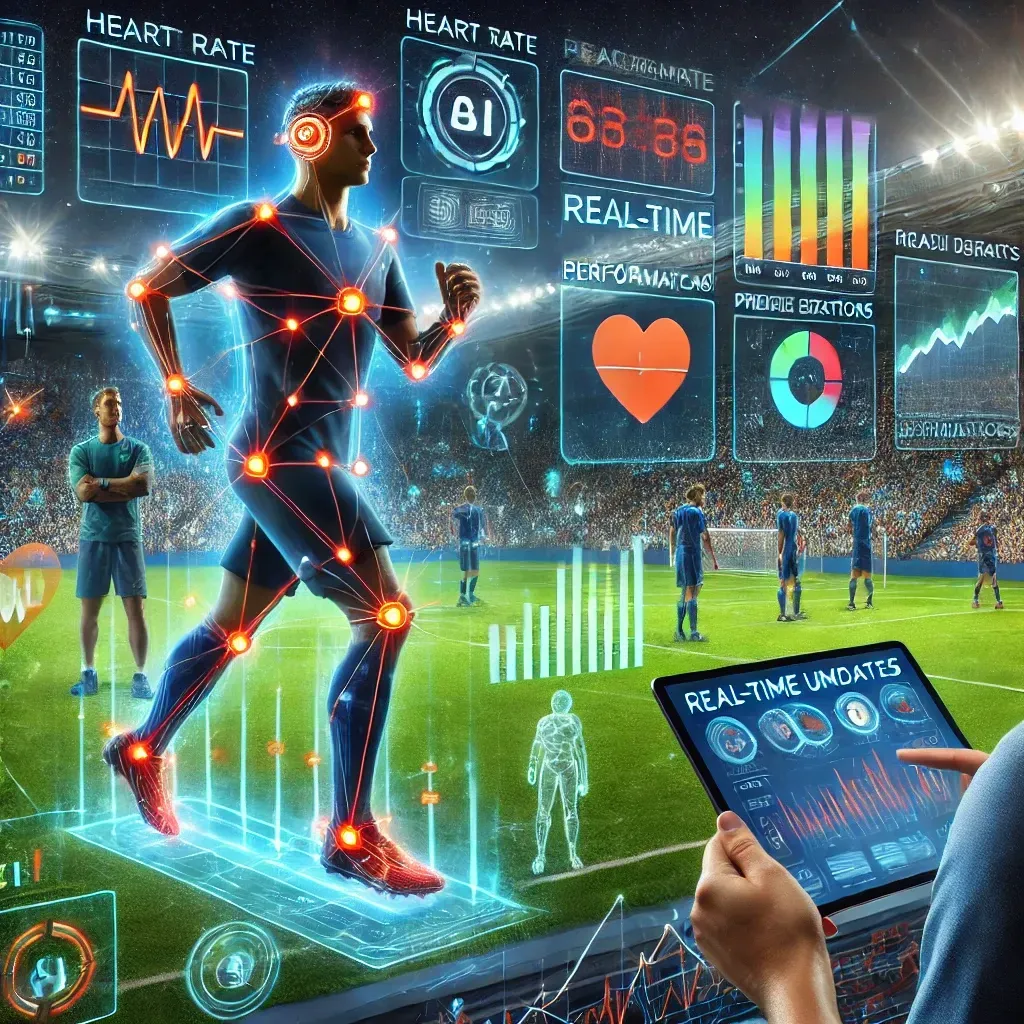
Wearable technology has revolutionized how athletes monitor their physical condition and performance. Devices like smartwatches and fitness trackers collect valuable data on heart rate, speed, and movement patterns, enabling coaches to create personalized training regimens. These wearables not only help in enhancing athletic performance but also play a vital role in injury prevention. By continuously monitoring an athlete’s physiological response to training, coaches can adjust training intensity to prevent overexertion and fatigue.
Additionally, wearable technology’s integration into daily training routines allows for real-time feedback which is crucial for athletes aiming for peak performance. For instance, during a high-intensity workout, data such as muscle strain levels can alert coaches when to rest an athlete, thereby reducing injury risks. As the sophistication of wearable technology improves, it becomes an essential component of athlete development and health management.
Video Analysis in Sports: Revolutionizing Coaching Strategies
Video analysis is a game-changer in the sports coaching landscape, allowing for deep dives into a team’s performance. Through software tools that analyze game footage, coaches can breakdown plays frame by frame, identifying strengths and weaknesses in strategies and player movements. This technological advancement not only enhances tactical understanding but also empowers players to visualize their performance, leading to more effective training sessions.
Moreover, video analysis promotes continuous improvement within teams. Coaches can prepare detailed video presentations post-game, discussing specific plays and positioning that require attention. By leveraging video analysis, teams can stay competitive, utilizing past performances to inform their strategies and improve their outcomes in future games.
Virtual Reality in Sports: A New Training Paradigm
Virtual reality (VR) technology is pioneering new avenues in sports training, simulating real-game environments where athletes can practice decision-making and skill-based scenarios. This immersive technology allows players to engage in high-pressure situations without the physical risks associated with traditional methods, enabling them to refine their skills in a controlled setting. Through repeated exposure to game-like scenarios, athletes can develop instinctive responses that enhance their on-field performance.
Additionally, VR isn’t confined to athlete training; it’s also reshaping fan engagement by offering immersive viewing experiences. Fans can experience the thrill of a game through VR headsets, providing them an up-close interaction with their favorite teams. This technology strengthens the bond between fans and sports, making them feel like they’re a part of the action, ultimately transforming how they engage with their sports of choice.
Big Data Analytics in Sports: The Power of Information
With the advent of big data analytics, sports teams now harness vast datasets to gain insights into performances and formulate strategic decisions. Coaches are utilizing advanced analytics to analyze player statistics, historical data, and injury reports, allowing for a rigorous examination of potential game strategies. This shift towards data-driven decision-making creates a competitive edge, enabling teams to make informed choices about player acquisitions and game tactics.
Furthermore, big data analytics extends beyond team strategies; it enhances the fan experience drastically. Platforms providing in-depth statistical analysis give fans a deeper connection to the game. This engagement transforms how enthusiasts participate in activities like fantasy sports, as data plays a critical role in informing their choices and strategies, thus reshaping their overall sporting experience.
Enhancing Fan Engagement with Technology: A New Era
The rise of technology has transformed how fans interact with sports, creating a more engaging and interactive environment. Social media platforms allow fans to communicate directly with their favorite teams and players, fostering a stronger community spirit. Teams now use these platforms not only for promotional purposes but also for live interactions, where fans can participate in polls and discussions during games, influencing in-the-moment decisions.
In-stadium experiences have also improved significantly, with mobile applications enabling real-time engagement before and during events. Features like ordering concessions, accessing instant replays, and locating amenities within venues are now commonplace. By integrating these technologies, teams create a user-friendly experience that keeps fans returning, significantly enhancing traditional game-day environments.
Streaming Technology: Accessibility and Viewing Freedom
The evolution of streaming technology has drastically changed how fans consume sports content. Traditional viewing methods are being supplemented—or even replaced—by streaming platforms that provide on-demand access to live events. Services like Amazon Prime and ESPN+ offer viewers the flexibility to watch games on various devices, catering to a younger audience that prioritizes convenience and immediacy in their viewing preferences.
This major shift toward digital streaming underscores the importance of adaptation within the sports industry. With viewers now having multiple platforms to choose from, teams must innovate how they deliver content, ensuring they maintain and grow their fan base. This transition not only reflects changing consumer behaviors but also requires teams to rethink their monetization strategies in a digital-first environment.
E-Sports and Digital Integration: Merging Sports and Gaming
E-sports have emerged as a significant phenomenon within the sports industry, attracting massive audiences and redefining competitive play. Games like ‘League of Legends’ have established dedicated communities and high-stakes tournaments, blending traditional sports elements with cutting-edge technology. As e-sports gain legitimacy, they highlight the growing intersection between technology and competitive play, showcasing how the sports industry continuously evolves.
Moreover, the integration of various technologies, including streaming services and data analytics, helps e-sports to engage deeper with their fans. By utilizing community feedback and statistical analysis, organizations can tailor their content and match formats to better suit their viewership. E-sports exemplifies how technology is reshaping the future of sporting events, creating vibrant and dynamic ecosystems that transcend traditional definitions of sport.
The Future of Sports Technology: Innovations on the Horizon
The future of sports technology looks promising, showcasing innovations poised to redefine the entire sports landscape. Emerging technologies such as artificial intelligence, machine learning, and advanced biometrics are expected to enhance training, performance monitoring, and fan engagement further. These advancements will empower teams to make real-time improvements and predictive analyses, paving the way for smarter and more efficient game strategies.
Additionally, as technology continues to influence fan experiences through improved interactive platforms and immersive viewing experiences, teams that embrace these changes will lead the market. The potential for augmented reality in live events, along with enhanced data-driven insights for fans during games, indicates a thrilling pathway for both players and enthusiasts alike. As sports evolve, staying ahead in technology adoption will be essential for the next generation of athletes and spectators.
The Integration of Technology in Grassroots Sports
While much of the focus on sports technology is centered around professional leagues, grassroots sports are also experiencing significant benefits from technological advancements. Platforms dedicated to youth sports now allow for easier organization, tracking athlete development, and managing league logistics. Technologies like mobile apps simplify communication between coaches, players, and parents, enhancing the overall experience for everyone involved.
Furthermore, training tools previously reserved for elite athletes, such as video analysis and wearable technology, are now accessible to younger athletes in grassroots programs. This democratization of technology helps put more tools in the hands of aspiring athletes, promoting better training practices and continuous feedback. As technology persists in shaping sports at all levels, grassroots programs will drive future participation and enthusiasm in the athletic community.
Frequently Asked Questions
How is wearable technology improving performance in sports?
Wearable technology in sports, such as fitness trackers and smartwatches, enhances athletic performance by monitoring vital metrics like heart rate, speed, and muscle strain. Coaches utilize this real-time data to create personalized training programs, ensuring athletes train safely and effectively while reducing the risk of injuries.
What role does video analysis play in coaching strategies?
Video analysis in sports allows coaches to dissect game footage meticulously, providing insights into players’ tactics and positioning. Tools like Hudl and Dartfish facilitate in-depth breakdowns of plays, enabling teams to identify improvement areas and refine their strategies for enhanced performance.
How does virtual reality technology impact athlete training?
Virtual reality sports training simulates real game scenarios, helping athletes improve decision-making and cognitive skills without physical stress. This immersive technology allows players to repeatedly practice and refine their skills in a controlled environment, leading to better preparedness on game day.
In what ways does data analytics influence sports strategy?
Data analytics in sports helps teams analyze vast datasets to inform decisions about player recruitment, game strategies, and training methods. By understanding performance trends and historical data, coaches can gain a competitive edge and optimize their team’s chances of success.
What is fan engagement technology and how is it used in sports?
Fan engagement technology includes social media and mobile apps that foster interaction between teams and their supporters. Innovations such as live game chats, interactive polls, and instant replays enhance the spectator experience, making fans feel more connected to their teams during games.
How has streaming technology changed the way fans watch sports?
Streaming technology has transformed sports consumption, providing fans flexibility to watch games on various devices, including smartphones and tablets. Platforms like Amazon Prime Video and DAZN cater to on-the-go viewers, changing how sports content is monetized and delivered.
What impact do e-sports have on traditional sports?
E-sports have emerged as a significant component of the sports industry, attracting millions of fans and mainstream sponsorships. This trend showcases how technology integrates with traditional sports, creating new opportunities for fan engagement and the potential merging of gaming with competitive sports.
How does technology enhance athlete safety during sports activities?
Technological innovations like wearable devices help monitor athletes’ physical conditions, detecting fatigue and potential injury risks. This proactive approach allows teams to implement recovery strategies, reducing the likelihood of injuries and ensuring athletes remain in optimal health.
What benefits do fans receive from data analytics in sports?
Fans benefit from data analytics through real-time statistics and insights provided via apps and websites, enhancing their engagement with the game. Applications of data analytics, particularly in fantasy sports, allow fans to make informed decisions, deepening their connection to the sport.
How is technology transforming the in-stadium experience for sports fans?
Technology transforms the in-stadium experience by enhancing fan interaction through mobile apps that offer features like instant replays, navigation aids, and food ordering capabilities. These innovations create a more enjoyable and streamlined game-day experience, keeping fans engaged and returning for more.
| Technology Area | Key Benefits | Examples |
|---|---|---|
| Wearable Technology | Monitors athletic performance; helps in injury prevention. | FIFA-approved smart bands, fitness trackers. |
| Video Analysis | Improves tactical strategies and player techniques. | Hudl, Dartfish. |
| Virtual Reality | Enhances training and fan engagement. | VR game simulations and immersive fan experiences. |
| Data Analytics | Informs strategy and enhances fan involvement. | Big data analytics for player and game analysis. |
| Fan Interaction | Connects fans directly with teams and events. | Social media engagement, mobile team apps. |
| Streaming Technology | Flexible viewing options for modern audiences. | Amazon Prime, DAZN, ESPN+. |
| E-Sports | Merges traditional sports with competitive gaming. | League of Legends, Fortnite tournaments. |
Summary
Technology in sports is a transformative force that redefines how athletes perform and fans engage. With innovations like wearable technology improving athlete performance and injury prevention, video analysis revolutionizing game tactics, and virtual reality enhancing training, the landscape of sports has changed significantly. Moreover, data analytics provides teams and fans with insights that enhance decision-making and engagement. Social media and streaming technologies create closer connections between fans and their favorite teams, while e-sports provide new competitive avenues within the sports domain. As these technologies continue to evolve, they promise even greater advancements in the relationship between technology and sports.

