
Listen to this article
Technology in modern business is not just a buzzword; it’s a foundational pillar that supports growth and efficiency in today’s competitive landscape. As companies adopt cutting-edge innovations, the impact of technology on business becomes increasingly profound, transforming operations and enhancing customer experiences. From cloud computing to AI in business, these technology trends are redefining how organizations engage with their clients and streamline their processes. In this digital age, embracing business innovation through technological advancements is essential for sustainability and success. This article will delve into the crucial aspects of digital transformation and provide insights on leveraging technology to stay ahead.
In contemporary commerce, the integration of advanced tools and practices is reshaping the business environment like never before. The reliance on digital solutions and technological advancements is vital, influencing everything from operational efficiency to consumer interaction. By examining these elements of modern enterprise, we can uncover how innovation and digital strategies play a pivotal role in driving organizational growth and competitiveness. Understanding the significance of maintaining a technological edge allows businesses to navigate challenges and seize new opportunities in a rapidly changing marketplace. Join us as we explore the evolving influence of tech on business dynamics.
The Impact of Technology on Business Success
Technology has transformed the way businesses operate, facilitating everything from basic tasks to complex projects. In today’s competitive landscape, the impact of technology on business cannot be overstated. Companies that leverage advanced tools manage to streamline operations, optimize productivity, and ultimately enhance their profitability. For instance, the integration of AI and machine learning enables organizations to automate routine functions, freeing up valuable human resources to focus on strategic decision-making and innovative growth.
Moreover, the digital transformation has led to a paradigm shift in consumer expectations. Businesses that fully embrace these technological innovations can respond more quickly to changing market demands, ensuring their offerings align with customer needs. As a result, the ability to harness technology effectively becomes a cornerstone for sustaining business success in an ever-evolving environment.
Technology Trends Shaping Modern Business
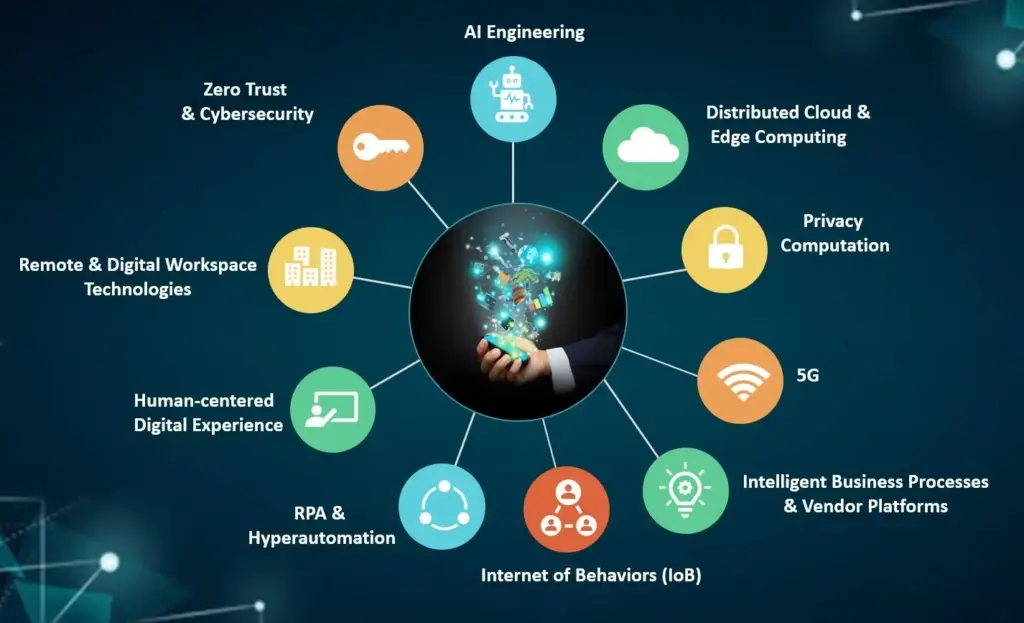
Understanding current technology trends is essential for businesses looking to thrive. For example, cloud computing continues to reshape operational strategies by offering scalable solutions that grow with the business. Organizations leveraging cloud technology can enhance collaboration among teams regardless of geographic locations, streamlining project management and communication. This adaptability is vital, especially as remote work becomes increasingly prevalent.
Additionally, the rise of Artificial Intelligence (AI) and data analytics is another significant trend shaping modern business. Companies employing AI-driven tools to analyze customer data can make informed decisions that enhance marketing strategies and product development. By recognizing these trends, businesses can position themselves favorably against competitors who may be slower to adapt.
Enhancing Customer Experience Through Technology
In today’s world, customers expect seamless interactions with brands across various platforms. Technology plays a pivotal role in facilitating personalized customer experiences, allowing businesses to cater to individual preferences. By harnessing data analytics tools, companies can gather insights into customer behavior and preferences, tailoring their offerings to meet expectations effectively. This kind of personalization can lead to higher customer satisfaction and loyalty.
Furthermore, integrating automated solutions like chatbots into customer service protocols significantly enhances response times and overall customer experience. Customers appreciate immediate assistance, and chatbots can handle inquiries around the clock, ultimately leading to increased efficiency and reduced wait times. In this way, technology serves as a critical component in ensuring businesses meet and exceed customer expectations.
The Role of Digital Transformation in Business Innovation
Digital transformation is at the heart of driving business innovation in the modern age. Companies that embrace this transformation actively seek new technologies to revolutionize their operations. This may involve moving from traditional business models to adopting e-commerce platforms, allowing them to tap into new markets and revenue streams. By doing so, they not only enhance their competitive edge but also meet evolving customer expectations in a digital-first world.
Moreover, businesses that prioritize digital transformation are often more agile in responding to industry changes. They can quickly pivot strategies based on emerging trends or customer feedback, effectively staying ahead of competitors. This innovation-driven mindset stimulates creativity and encourages a culture of experimentation within organizations, resulting in breakthrough solutions that can disrupt entire markets.
Leveraging AI in Business Operations
Artificial Intelligence (AI) is a game-changer for business operations, automating processes that were once time-consuming and labor-intensive. By implementing AI tools, companies can analyze vast datasets to drive decision-making, create predictive models for sales forecasts, and enhance customer segmentation. The ability to gain insights from data with minimal human intervention allows businesses to focus on strategic initiatives that foster growth.
Furthermore, AI enhances the personalization of customer interactions. Businesses can utilize machine learning algorithms to develop tailored marketing campaigns, improving engagement and conversion rates. By understanding customer preferences more profoundly, companies can provide solutions that resonate with their target audience, ultimately leading to increased loyalty and sales.
The Importance of Cybersecurity for Businesses
As technology becomes more integral to business operations, cybersecurity must also be prioritized. Cyber threats pose a significant risk, potentially jeopardizing sensitive data and customer trust. Businesses must invest in robust cybersecurity measures, including firewalls, encryption technologies, and regular system updates to safeguard their infrastructures. By doing so, they will not only protect themselves but also reinforce customer confidence in their brand.
Moreover, companies that implement comprehensive cybersecurity protocols can avoid costly data breaches that can affect their bottom line. Educating employees about cybersecurity best practices is crucial in maintaining a secure environment. Regular staff training on identifying phishing attempts and recognizing potential threats fosters a security-aware culture that plays a significant role in protecting the organization from cyberattacks.
Staying Ahead with Continuous Learning in Technology
To remain competitive in the fast-paced world of technology, businesses must prioritize continuous learning and development. Investing in training programs that equip employees with the latest skills ensures that teams can effectively utilize new tools and technologies. This proactive approach enables businesses to stay ahead of industry trends and adapt to any shifting landscapes in their sectors.
Moreover, fostering a culture of continuous learning encourages innovation within organizations. Employees feel empowered to explore new ideas, share insights, and pursue creative solutions to challenges. By cultivating an environment where learning is valued, businesses can leverage the diverse talents of their teams to drive innovation and remain resilient in ever-evolving markets.
Frequently Asked Questions
What is the impact of technology on modern business operations?
The impact of technology on modern business operations is profound. Technologies like cloud computing and automation have significantly improved efficiency and productivity, enabling businesses to streamline processes, reduce operational costs, and optimize resource management. By adopting advanced tools, companies can focus on strategic initiatives that drive growth.
How can businesses leverage AI in business for competitive advantage?
Businesses can leverage AI in business to gain a competitive advantage by utilizing AI-driven analytics for data-driven decision-making, automating customer service with chatbots, and personalizing marketing strategies. By embracing AI technologies, companies can enhance customer experiences and innovate faster than their competitors.
What are the latest technology trends in business that companies should be aware of?
The latest technology trends in business include cloud computing, artificial intelligence (AI), big data analytics, and cybersecurity enhancements. Companies should stay informed about these trends to adapt their strategies and methodologies accordingly, ensuring they remain competitive in a rapidly changing market.
How does digital transformation impact customer experiences in modern businesses?
Digital transformation significantly impacts customer experiences by enabling businesses to provide seamless interactions across various platforms. Utilizing data analytics helps companies personalize services, enhance customer engagement, and respond quickly to customer needs, thereby increasing satisfaction and loyalty.
What is the importance of cybersecurity for businesses using modern technology?
The importance of cybersecurity for businesses using modern technology cannot be overstated. With increasing reliance on digital platforms, protecting sensitive data is crucial to maintaining customer trust and preventing data breaches. Implementing robust cybersecurity measures safeguards business operations and protects assets from cyber threats.
Why is continuous learning essential for technology in modern business?
Continuous learning is essential for technology in modern business because rapid advancements require employees to stay updated with the latest tools and trends. By investing in training and development, businesses can equip their teams with the skills necessary to innovate and efficiently utilize new technologies, giving them a competitive edge.
How can cloud computing enhance productivity in modern businesses?
Cloud computing enhances productivity in modern businesses by providing flexible access to resources and applications, promoting collaboration among remote teams, and reducing infrastructure costs. By adopting cloud-based solutions, companies can streamline operations and enable employees to work more effectively, regardless of their location.
| Key Points | Details |
|---|---|
| Importance of Technology | Technology is essential for optimizing operations and enhancing customer satisfaction. It enables effective data management and process automation. |
| Improved Efficiency and Productivity | Advanced technologies like AI and automation allow businesses to streamline operations and focus on growth initiatives. |
| Enhanced Customer Experience | Utilizing technology enables personalized marketing and faster service, ensuring a seamless customer experience. |
| Competitive Advantage | Businesses that adapt to technological changes can outpace competitors by improving products and services. |
| Data-Driven Decision Making | Big data analytics help businesses enhance forecasting and marketing strategies by deriving insights from complex data. |
| Invest in Continuous Learning | Stay updated with technology trends through training and development programs. |
| Embrace Innovation | Cultivate an innovative culture to enhance adaptability and discover new technological solutions. |
| Leverage Digital Marketing Strategies | Focus on SEO, social media, and content marketing to improve brand visibility. |
| Collaborate with Tech Experts | Partnering with technology consultants can provide insights into optimizing operations. |
| Monitor Industry Trends | Stay informed on emerging technologies and market shifts to adjust strategies. |
| Utilize Cloud Technology | Embracing the cloud enhances flexibility, scalability, and operational efficiency. |
| Prioritize Cybersecurity | Invest in strong cybersecurity measures to protect data integrity and customer trust. |
Summary
Technology in modern business is not just an accessory; it is a prerequisite for success. As we’ve discussed, leveraging technology effectively can enhance productivity and provide a significant edge over competitors. Entrepreneurs should remember that investing in continuous learning and embracing innovation are key to thriving in today’s digital landscape. For instance, companies that actively collaborate with tech experts are better positioned to navigate changes and capitalize on opportunities. Ultimately, by prioritizing technology, businesses can not only keep pace with trends but also lead the market.

