
Listen to this article
Technology in Modern Business Development is more essential than ever as organizations adapt to a rapidly changing environment. Today, businesses leverage advanced tools and innovative strategies to optimize their operations, elevate customer experience, and enhance overall profitability. The advent of digital transformation has reshaped the landscape, driving e-commerce growth and enabling firms to reach broader audiences through personalized engagement. In this context, data analytics play a pivotal role, providing valuable insights that help companies make informed decisions that boost operational efficiency. This article delves into how technology fuels modern business growth while addressing the accompanying challenges.
In our current era, the influence of modern innovations on corporate growth cannot be overlooked. Every organization aims to harness advancements that improve productivity, customer interactions, and operational performance. Terms like digital evolution and online commerce are synonymous with the dynamic changes occurring in business practices today. Furthermore, analytical data has become a game-changer, guiding businesses to refine their strategies and enhance their service offerings effectively. As we explore these concepts, we’ll uncover the vital functions of technology that drive business success in contemporary markets.
Integrating Data Analytics for Strategic Decisions
In the age of data, leveraging analytics has become a cornerstone for effective business decision-making. Companies that harness the power of data analytics can uncover significant insights into market trends and customer preferences. By utilizing data analytics tools, businesses can track customer behavior in real-time and make informed decisions to enhance their products or services. This proactive approach not only optimizes resource allocation but also increases operational efficiency, ultimately driving profitability.
Moreover, the ability to analyze vast amounts of data allows organizations to pivot their strategies based on consumer needs and market demands. Businesses that integrate data analytics into their operations can respond more rapidly to market changes, ensuring they remain competitive. This evolution towards data-driven decision-making marks a crucial shift in how firms operate, as they increasingly rely on quantitative evidence to guide their strategies.
Embracing Digital Transformation in Modern Business
Digital transformation is not just a trend but a necessity for contemporary businesses aiming to thrive. By implementing digital tools and converting traditional processes into digital formats, organizations can enhance their operational efficiency and streamline workflows. Companies that successfully embrace this transformation can respond better to customer needs, as technology enables faster communication and improved service delivery.
Furthermore, digital transformation fosters a culture of innovation within organizations. By investing in new technologies, businesses can create an agile environment where ideas flow freely and employees are encouraged to propose creative solutions. This shift not only improves internal processes but also enhances the overall customer experience, as client interactions are facilitated through modern platforms such as mobile apps and e-commerce solutions.
Enhancing the Customer Experience with Technology
The customer experience has become paramount in today’s business landscape, and technology plays a pivotal role in shaping it. With tools like Customer Relationship Management (CRM) systems, companies can gather detailed insights about their customers, enabling them to personalize interactions. This level of personalization ensures that customers feel valued, leading to increased loyalty and repeat business.
Additionally, the rise of artificial intelligence, including chatbots, has transformed how businesses interact with their clients. These AI-driven tools can provide instant responses to customer inquiries, ensuring that support is always available, which enhances satisfaction. By utilizing technology to improve customer experiences, businesses can create lasting relationships that translate into greater market share and profitability.
The Impact of E-commerce on Business Expansion
E-commerce has revolutionized the way businesses engage with consumers, enabling them to reach a wider audience than ever before. With the convenience of online shopping, companies can now operate beyond their localized markets and extend their reach globally. This shift has liberated retailers from the constraints of physical storefronts, providing greater flexibility and opportunity for growth.
Moreover, e-commerce platforms offer robust tools for inventory management and payment processing, enhancing operational efficiency. Businesses can track sales in real-time and adjust their strategies according to trends observed through analytics, ensuring they meet consumer demands promptly. As a result, the integration of e-commerce into business models is no longer optional—it is essential for survival in a competitive marketplace.
Operational Efficiency Through Automation
One of the driving forces behind modern business growth is the automation of operational processes. Automation tools help eliminate monotonous tasks, allowing employees to focus on more strategic activities. For instance, software solutions can manage inventory levels, streamline payroll processing, and even automate marketing campaigns, thus reducing the potential for human error and increasing overall efficiency.
Additionally, businesses that adopt automation technologies can experience significant cost savings. By minimizing manual labor and accelerating operations, companies can redirect resources towards innovation and customer engagement initiatives. In an era where operational excellence is a critical competitive advantage, investing in automation is a strategic move that paves the way for sustainable success.
Navigating the Challenges of Technological Integration
Though the integration of technology into business operations offers numerous benefits, it is not without its challenges. Many companies, particularly small and medium-sized enterprises (SMEs), grapple with the costs associated with adopting new technologies. The rapid pace of technological advancement means that businesses must continuously invest in updates and training, which can strain budgets and resources.
Moreover, the reliance on technology raises concerns regarding data security. As businesses become increasingly digital, they expose themselves to potential cybersecurity threats and data breaches. Companies must implement robust security measures and ensure compliance with industry regulations, including data protection laws such as GDPR. These challenges necessitate a strategic approach to technological integration, balancing the potential benefits against the associated risks.
Future Trends in Business Technology
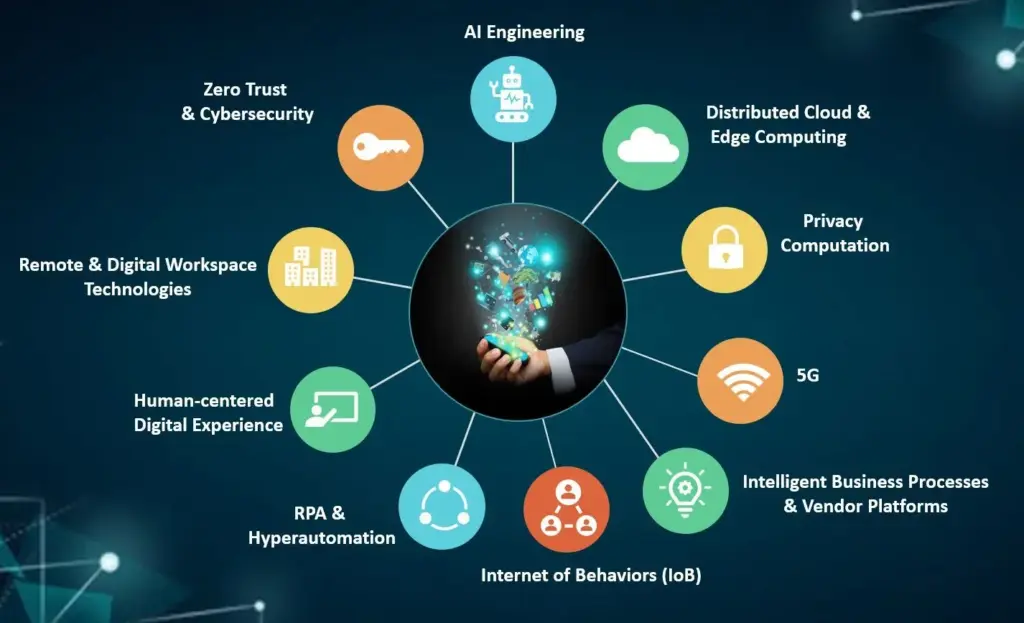
As technology continues to evolve, businesses must stay ahead of future trends to maintain a competitive edge. Technologies such as artificial intelligence, machine learning, and the Internet of Things (IoT) are set to redefine how companies operate and interact with customers. Organizations that invest in understanding and implementing these innovations will likely see advancements in productivity and customer satisfaction.
In addition, the continued emphasis on data analytics will allow businesses to refine their strategies. By forecasting trends and understanding customer journeys, organizations can adapt their offerings to meet evolving needs. The future of business development hinges on the ability to remain innovative and responsive to the technological landscape, ensuring sustainable growth and success.
Frequently Asked Questions
How does technology enhance operational efficiency in modern business development?
Technology enhances operational efficiency in modern business development by automating routine processes and minimizing human error. Tools for inventory management, payroll processing, and cloud computing facilitate teamwork and remote work, ensuring businesses operate smoothly and efficiently, which is crucial for sustainable growth.
What role does digital transformation play in modern business development?
Digital transformation plays a critical role in modern business development by enabling companies to adopt innovative technologies that streamline operations and enhance customer experiences. This transition is essential for businesses looking to remain competitive and meet the evolving demands of the marketplace.
How has e-commerce influenced technology in modern business development?
E-commerce has significantly influenced technology in modern business development by allowing businesses to shift from physical stores to online platforms. This transition has expanded their market reach and improved customer convenience, leading to increased sales and customer loyalty through efficient digital storefronts.
In what ways does data analytics support decision-making in technology-driven business development?
Data analytics supports decision-making in technology-driven business development by providing insights into market trends, consumer behavior, and operational performance. Utilizing big data allows businesses to optimize strategies, forecast needs, and adapt to changing conditions effectively.
How can businesses improve customer experience using technology in modern business development?
Businesses can improve customer experience through technology by implementing CRM systems to track customer interactions and preferences. Additionally, utilizing chatbots and personalized marketing strategies facilitates better engagement and meets customer needs more effectively.
What are the challenges of integrating technology into business development?
Integrating technology into business development presents challenges such as the rapid pace of technological change and the financial burden on small and medium-sized enterprises. Businesses also face risks related to data breaches and must ensure robust cybersecurity measures and compliance with regulations.
Why is continuous investment in technology crucial for modern business development?
Continuous investment in technology is crucial for modern business development as it allows organizations to remain competitive and adapt to market changes. Embracing innovation and digital transformation enhances operational processes, improves customer experiences, and drives profitability in a fast-paced business environment.
| Key Points | Description |
|---|---|
| Enhancing Operational Efficiency | Technology increases efficiency through automation, cloud computing, and remote collaboration. |
| Digital Marketing and Customer Engagement | Businesses use digital tools for targeted advertising and personalized communication. |
| The Emergence of E-commerce | E-commerce expands business reach and caters to customer convenience. |
| Data-Driven Decision Making | Big data analytics helps businesses understand trends and optimize strategies. |
| Improving Customer Experience | CRM systems and AI chatbots enhance customer interactions and satisfaction. |
| Challenges of Technology in Business Development | Rapid changes in technology pose adaptation costs and cybersecurity risks. |
Summary
Technology in Modern Business Development is essential for driving growth in today’s marketplace. As businesses confront the challenges of adaptation and the rapid evolution of technology, it’s crucial for them to embrace this digital transformation. Engaging in data-driven decision-making, leveraging digital marketing, and enhancing customer experiences are not just options but necessities. By doing so, companies can unlock new opportunities while addressing potential cybersecurity threats. In a dialog between business leaders, the consensus often leads back to the understanding that technology is the cornerstone of modern success.