Listen to this article
In recent years, technology in sports performance has reshaped the athletic landscape dramatically, revolutionizing how athletes train, compete, and recover. Cutting-edge innovations such as wearable tech in sports, sports analytics, and virtual reality training are providing athletes with the tools they need to optimize their performance. From heart rate monitors that track physiological metrics to advanced data analytics platforms that aid in strategic decision-making, the application of athlete performance technology has become essential for success. Moreover, sports recovery technology is advancing, offering methods that ensure athletes can bounce back quicker and stronger after intense training sessions and competitions. This article delves into the multifaceted role of technology in enhancing sports performance, examining its implications for athletes of all levels and disciplines.
In the ever-evolving world of athletics, the integration of cutting-edge tools and techniques is paving new paths to enhance athletic abilities. Innovative advancements, such as performance monitoring devices and dynamic sports analytics, empower athletes to fine-tune their training regimens effectively. Additionally, immersive training environments using virtual reality allow for real-time situational practices that improve decision-making skills. The rise of recovery-enhancing technologies, including specialized equipment and tracking systems, is further emphasizing the critical role of science in sports. This exploration into how modern advancements are transforming athletic endeavors highlights the importance of adapting to new methodologies for optimal performance.
The Impact of Wearable Tech on Athlete Performance
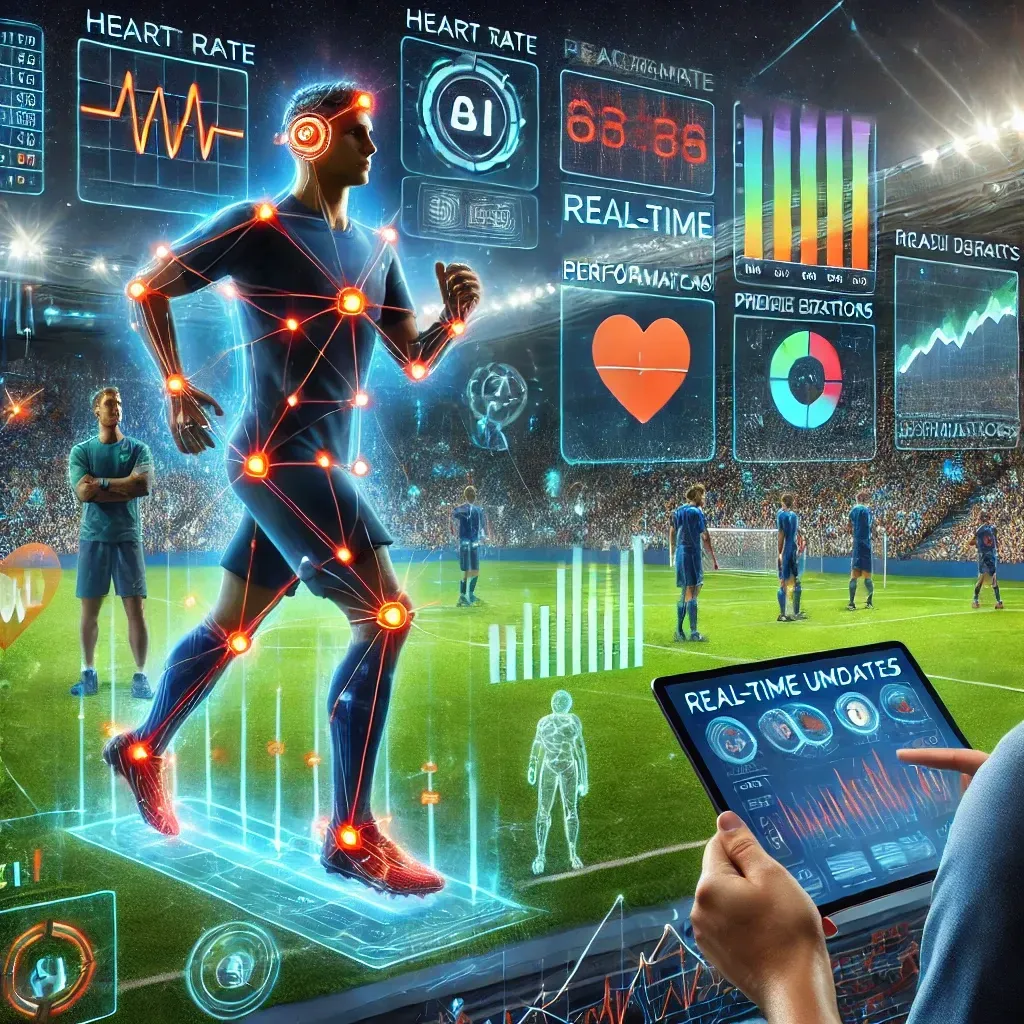
Wearable technology has transformed athlete performance metrics by providing real-time data that can influence training regimens. Devices such as smartwatches, heart rate monitors, and GPS trackers enable athletes to collect information about their physiological responses during training and competition. This immediate feedback is crucial for coaches and trainers, as they can make swift, evidence-based adjustments to enhance training effectiveness and optimize performance outcomes.
Moreover, wearable tech is instrumental in injury prevention. By analyzing patterns and trends in performance data, trainers can identify potential risk factors that may lead to injuries. This proactive approach empowers athletes to adjust their intensity, pacing, and recovery periods according to their physical condition, fostering a healthier and more resilient athletic career.
Sports Analytics: Changing the Game
In an era where data reigns supreme, sports analytics provides invaluable insights for coaches and teams. By utilizing software that analyzes player statistics, coaches can dissect performance data and devise strategies tailored to individual athlete strengths and weaknesses. This analytical perspective transforms how teams prepare for competitions, as they can capitalize on their unique advantages and mitigate risks posed by opponents.
Furthermore, sports analytics plays a pivotal role in player recruitment and development. By applying predictive analytics, teams can forecast future performance trends based on historical data. This allows organizations to make informed decisions when scouting talent, ensuring investments are made based on solid, quantitative assessments rather than gut feelings.
Enhancing Training Through Virtual Reality
Virtual reality training has emerged as a revolutionary method to elevate athlete performance. By immersing athletes in simulated environments, they can practice specific skills without the physical rigors of traditional training. This risk-free practice helps reduce the chance of injuries while allowing athletes to hone decision-making, reaction times, and situational awareness.
Additionally, VR provides a unique platform for mental conditioning. As athletes navigate through virtual scenarios, they can develop cognitive skills essential for success in high-pressure situations. Repeated exposure to these simulations enhances focus and reduces anxiety, leading to improved performance during real games.
The Role of Nutrition Technology in Sports Performance
Nutrition technology is an integral part of modern sports performance enhancement. With various mobile applications and platforms available, athletes can easily track their meals, caloric intake, and nutritional balance. This level of tracking ensures that they receive adequate nutrients needed for peak performance, ultimately leading to quicker recovery times and sustained energy levels during competitions.
Moreover, personalized nutrition plans backed by technology can significantly improve an athlete’s overall efficiency. By understanding the specific dietary needs based on individual training regimens or energy expenditure, athletes can better support their bodies, allowing them to focus on performance rather than recovery.
Innovations in Sports Recovery Technology
Today’s athletes are recognizing the importance of recovery technology, which encompasses a range of advanced methods designed to expedite healing and enhance performance. Technologies such as cryotherapy and compression therapy use physiological principles to reduce muscle soreness and inflammation, leading to faster recovery times. These approaches have been scientifically validated, making them crucial components of an athlete’s training regimen.
Additionally, smart recovery tools like sleep monitoring devices offer insights into an athlete’s sleep patterns, underscoring the role quality rest plays in performance. With such technology, athletes can prioritize sleep hygiene and better understand how sleep-related factors impact their readiness for training and competition.
The Future of Technology in Coaching
As technology continues to revolutionize sports, coaching methodologies are becoming increasingly data-driven. Modern tools allow coaches to gather video footage and performance analytics during training sessions, enabling them to provide instant feedback and tailored coaching strategies. This approach helps ensure that athletes receive the best, most relevant insights during their development.
Moreover, the advent of remote coaching technologies has broadened accessibility to high-level coaching. Coaches can now analyze athlete performance in real-time, regardless of geographical limitations. This evolution empowers athletes worldwide, allowing them to benefit from expert insights and guidance that enhance their training experience.
Ethical Considerations in Sports Technology
While the integration of technology in sports performance offers numerous advantages, it is crucial to consider the ethical implications that accompany these advancements. The reliance on data analytics can potentially detract from the importance of raw talent and traditional training methods. Athletes may become overly dependent on technology, undermining their instinctive capabilities that are developed through rigorous practice.
Moreover, questions regarding fairness arise, especially when technology is used to enhance athletic performance beyond natural limits. Establishing regulatory guidelines and ethical standards is essential to ensure that technology augments human capabilities rather than replacing them, thus maintaining the integrity of sports.
The Importance of Physical and Mental Conditioning
In the quest for enhanced performance, both physical and mental conditioning play critical roles. Athletes must not only focus on developing physical strength and endurance but also invest in methods that fortify their mental resilience. Tools such as meditation apps or cognitive training exercises can improve focus and concentration, furthering competitive advantage in high-stakes situations.
Moreover, balanced conditioning programs developed in conjunction with technology promote a holistic approach to athlete development. AI-driven fitness assistants can craft personalized training regimens that encompass both physical drills and mental exercises, thus fostering well-rounded athletes capable of excelling in various aspects of their sport.
The Integration of Technology Across All Levels of Sports
The adoption of technology in sports is not limited to elite athletes; it has permeated all levels of sports, from amateur leagues to youth programs. As accessible technological solutions become more affordable, coaches and athletes at every level can benefit from performance analytics, wearable devices, and tailored training engineered to maximize growth and improvement.
This democratization of technology in sports encourages youth engagement and talent development, as aspiring athletes are exposed to resourceful training tools early on. As familiarity with technology grows, we can expect a new generation of athletes conditioned to integrate technology seamlessly into their performance strategies.
Frequently Asked Questions
What is athlete performance technology and how does it benefit training?
Athlete performance technology includes tools like wearable sensors and analytics software designed to enhance athletic training. These technologies provide real-time data on metrics such as heart rate, movement patterns, and recovery status, allowing coaches to tailor training programs to individual athlete needs and improve performance outcomes.
How does sports analytics improve decision-making for coaches and teams?
Sports analytics utilizes data to identify trends and patterns in athlete performance and opponent weaknesses. Coaches use advanced analytics to develop strategies, improve training regimens, and make informed decisions related to player selection, ultimately leading to enhanced team performance.
What role does wearable tech in sports play in injury prevention?
Wearable technology in sports tracks vital metrics like movement and workload, helping to identify patterns that could lead to injuries. By analyzing this data, coaches can adjust training loads and implement preventative measures, significantly reducing the risk of injury for athletes.
How is virtual reality training utilized in sports performance development?
Virtual reality training in sports simulates real-life game situations, allowing athletes to practice decision-making and spatial awareness in a safe environment. This technology enhances mental conditioning and helps athletes prepare for high-pressure scenarios without physical risks.
What are the latest advancements in sports recovery technology?
Recent advancements in sports recovery technology include the use of cryotherapy, hyperbaric oxygen therapy, and sleep monitoring devices. These technologies help athletes recover faster by reducing muscle soreness, enhancing oxygen supply to tissues, and improving sleep quality, all critical for optimal performance.
How does data analytics enhance performance insight for athletes?
Data analytics enhance performance insight by allowing coaches to analyze historical performance data and identify specific areas for improvement. By applying statistical models, teams can dissect an athlete’s performance over time and tailor training accordingly to boost results.
In what ways does nutrition technology support athlete performance?
Nutrition technology supports athlete performance by providing meal tracking apps and nutritional insights that help athletes optimize their diets. These tools can customize dietary plans based on individual energy needs and assist in maintaining peak performance during training and competitions.
What are the ethical concerns related to technology in sports performance?
Ethical concerns regarding technology in sports performance include issues of fairness, over-reliance on data, and the potential for diminishing fundamental skills training. It’s essential for technology to complement athletic training rather than replace the core skills developed through traditional practices.
How can wearable tech improve training outcomes for athletes?
Wearable tech can improve training outcomes by providing athletes and coaches with immediate feedback on performance metrics like speed, heart rate, and fatigue levels. This immediate data allows for real-time adjustments during training, enhancing overall effectiveness and performance refinement.
What is the future trajectory of technology in sports performance?
The future trajectory of technology in sports performance includes further innovations in AI-driven analytics, enhanced virtual reality training environments, and smarter wearable tech. These advancements promise to provide deeper insights into performance metrics and facilitate a more personalized approach to athlete training and recovery.
| Key Aspect | Description | Benefits |
|---|---|---|
| Wearable Technology | Devices that monitor performance metrics like heart rate and motion. | Real-time feedback, injury prevention, personalized training. |
| Data Analytics | Use of statistics to inform coaching and player decisions. | Performance analysis, game strategy, and talent scouting. |
| Virtual Reality Training | Simulated environments allowing practice of cognitive skills. | Risk-free practice, mental conditioning, enhanced engagement. |
| Nutrition and Recovery Technology | Platforms for meal tracking and advanced recovery techniques. | Cryotherapy, sleep monitoring, hydration reminders. |
| Coaching Technology | Tools to enhance coaching effectiveness through remote feedback. | Improved training analytics and coach-athlete communication. |
Summary
Technology in sports performance has transformed the way athletes train, compete, and recover, introducing innovative tools and methods that enhance overall athletic effectiveness. From wearables that provide real-time performance data to advanced analytics and nutrition planning, technological advancements are empowering athletes at all levels. These innovations not only optimize training regimens but also improve injury prevention and recovery processes, leading to better outcomes on and off the field. As the landscape of sports continues to evolve, integrating technology in sports performance will remain key to achieving competitive advantages, ensuring athletes can reach their full potential.