
Listen to this article
Technology in sports performance has revolutionized the way athletes train, compete, and recover, bringing a dynamic shift to the world of athletics. Innovations such as wearable devices and data analytics are at the forefront, enabling performers to monitor their physical condition and optimize their training regimens with unprecedented precision. The integration of advanced performance monitoring tools allows coaches to make informed decisions that can prevent injuries and enhance athletic capabilities. Moreover, technologies like virtual reality are reshaping skill development, providing athletes with simulated environments to refine their techniques without the risks associated with traditional practices. As we explore the evolving landscape of sports technology, it becomes clear that these advancements are not only improving individual performance but also transforming the entire sporting experience for fans and participants alike.
The intersection of technology and athlete performance encompasses a broad spectrum of innovations that are reshaping how sports are practiced and enjoyed. With advancements in sports technology such as performance monitoring systems and injury prevention tools, individuals and teams are leveraging cutting-edge methods to enhance their capabilities. Furthermore, the rise of training technology and analytical tools allows for a deep dive into an athlete’s performance metrics, paving the way for tailored training programs and improved outcomes. As modern athletes explore these advancements, they find new avenues for efficiency, recovery, and skill enhancement. This evolution ushers in a new era of sports, where athletes are empowered by technology to achieve their maximum potential.
The Impact of Wearable Devices on Athletic Performance
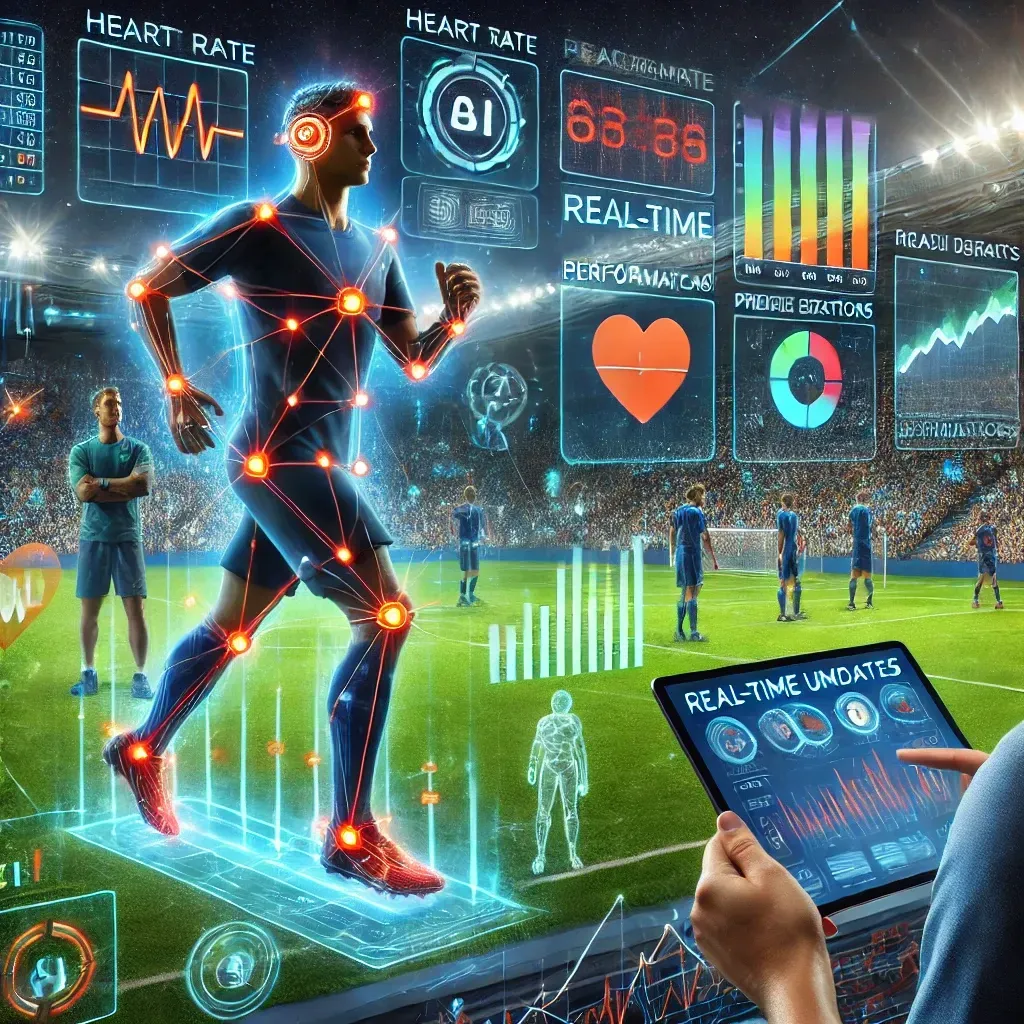
Wearable devices have revolutionized the way athletes train and compete by providing real-time data monitoring. These gadgets enable athletes to track critical health metrics such as heart rate, sleep patterns, and activity levels. By collecting this data, athletes can gain insights into their performance and overall well-being. Coaches can leverage this information to tailor training programs, ensuring athletes are conditioned appropriately for the demands of their sport.
In addition to aiding in performance analysis, wearable devices also play a crucial role in injury prevention. By continuously monitoring the body’s response to training loads and exercise variation, athletes and their coaches can identify early warning signs of potential injuries. This proactive approach helps reduce downtime and keeps athletes performing at their best, making wearable technology an indispensable tool in modern sports.
Data Analytics: Transforming Sports Strategy
Data analytics has transformed how teams strategize and evaluate player performance. Advanced analytics involve collecting and analyzing vast amounts of data—from player statistics to in-game positioning—which allows coaches to develop refined strategies based on solid empirical evidence. By understanding which plays result in the greatest success, teams can optimize their tactics for better performance and win rates.
Moreover, data analytics extends beyond the field, enhancing fan engagement by providing in-depth insights during broadcasts. Fans now enjoy access to sophisticated statistics and analytics that deepen their understanding of the game. This interactive experience keeps audiences engaged and appreciative of the strategic elements of sports, solidifying the relationship between teams and their supporters.
Harnessing Virtual Reality for Sports Training
Virtual reality (VR) has emerged as a game-changing tool in sports training, providing immersive environments for skill development. Athletes can practice under simulated high-pressure scenarios, which helps refine their decision-making abilities and improve reaction times without the risk of injury. This training method allows athletes to visualize plays and tactics in real-time, honing their skills effectively before actual competition.
Additionally, VR technology aids in recovery and rehabilitation processes. Injured athletes can use VR to engage in light training and maintain mental sharpness, all while minimizing physical strain. As they navigate simulated game environments, athletes can ease back into rigorous training routines, reducing anxiety associated with returning after an injury.
Biotechnology’s Role in Enhancing Athletic Capabilities
Biotechnology has begun to play a significant role in optimizing athletic performance through advancements in genetic analysis and tailored training regimens. By understanding an athlete’s genetic makeup, sports scientists can create personalized training programs that leverage their natural strengths while addressing weaknesses. This can lead to enhanced performance outcomes, particularly in sports that demand specific physical qualities.
In addition, nutritional advancements facilitated by biotechnology have paved the way for innovative supplements that support endurance and recovery. Athletes can now utilize these developments to improve their nutritional intake, further enhancing their physical capabilities during competitions. As biotechnology continues to evolve, it holds promise for refining athletic training and recovery approaches.
Fan Engagement Revolutionized by Sports Technology
As sports technology continues to advance, fan engagement experiences are evolving rapidly. High-definition broadcasts, augmented reality features, and interactive viewing options allow fans to feel more connected to the game. These innovations provide an at-home experience that mimics live attendance, thereby reaching a wider audience and tapping into various demographics.
Furthermore, social media platforms have become vital tools for teams to deepen their connection with fans. By analyzing audience data, teams can create tailored interactions, promotions, and content that resonate with their fans. This strategic approach fosters loyalty and community engagement, essential elements for sustaining the emotional investment fans have in their favorite teams.
Emerging Technologies in Athlete Training
Athlete training technology is rapidly advancing, providing trainers and coaches with innovative tools to maximize performance. From specialized equipment that targets muscle growth to advanced analysis software that evaluates biomechanics, these technologies allow for more effective training sessions. Athletes can now receive immediate feedback and adjust their techniques in real-time, leading to improved outcomes on the field.
Moreover, the integration of artificial intelligence into training programs further personalizes the athlete experience. AI can analyze an athlete’s performance data, recommend adjustments, and even predict potential injuries based on historical data sets. This level of insight helps coaches design proactive training plans, minimizing the risk of burnout or injuries.
Integrating Performance Monitoring with Sports Science
Performance monitoring through advanced technologies is becoming a cornerstone of sports science. By utilizing a combination of wearable devices and data analytics, coaches can gain comprehensive insights into athlete performance. This integration allows for the meticulous tracking of fatigue levels, recovery times, and overall physical readiness, enabling athletes to compete at their peak.
Additionally, integrating performance monitoring with sports science principles helps in refining training loads and minimizing injury risks. Coaches can analyze the data to apply scientific methods that support the athlete’s physical development and mental resilience, paving the way for superior performance in competitive environments.
The Future of Sports Technology and Innovation
The future of sports technology promises even more groundbreaking innovations that could redefine athletic performance. As research continues to uncover new methodologies and tools, athletes can expect to benefit from enhanced training experiences, data-driven decisions, and revolutionary advancements in injury prevention technology. The trajectory of technology application in sports indicates a future where performance optimization will be more nuanced and scientifically driven.
Moreover, as technology continues to intertwine with traditional aspects of sports, the overall experience for both athletes and fans will become increasingly immersive and enjoyable. Innovations such as interactive fan experiences and enhanced analytics will keep fans engaged, while internal advancements will continue to empower athletes to reach new heights. This symbiotic relationship between technology and sports is set to shape the competitive landscape for generations to come.
The Intersection of Technology and Athlete Development
The intersection of technology and athlete development highlights the importance of embracing innovations to foster growth and improvement. Tools such as data analytics and performance-monitoring wearables are integral in assessing not only physical capabilities but also mental preparedness and resilience. Athletes can leverage these insights to develop holistic training programs that cater to their unique demands.
Furthermore, by adopting an exploratory mindset towards technology in sports, athletes can enhance their skill sets and stay ahead in an increasingly competitive field. This commitment to integrating technology into their development ensures that they are not just athletes but well-rounded competitors capable of adapting to the dynamic nature of modern sports.
Frequently Asked Questions
What are the main benefits of wearable technology in sports performance?
Wearable technology in sports performance, such as GPS trackers and heart rate monitors, provides real-time data on health metrics and performance statistics. These devices help athletes monitor their physical state, optimize training loads, and reduce injury risks by identifying potential issues before they escalate.
How does data analytics enhance sports performance?
Data analytics enhances sports performance by allowing teams to evaluate player statistics, assess match strategies, and predict outcomes based on historical data. This information helps coaches and players make informed tactical decisions, optimizing performance during competitions.
What role does virtual reality play in athlete training technology?
Virtual reality in athlete training technology allows athletes to practice in simulated environments, helping them develop skills such as reaction times and decision-making without physical strain. It also provides unique training scenarios, enhancing performance in high-pressure situations.
How is biotechnology influencing athlete training and recovery?
Biotechnology influences athlete training and recovery through genetic analysis and nutritional advancements. By understanding an athlete’s genetic profile, personalized training programs can be developed, while nutritional supplements enhance recovery and performance during competitions.
What are key injury prevention technologies in sports?
Injury prevention technologies in sports include wearable devices that monitor movement patterns and performance metrics. This data allows coaches to adjust training loads, reducing the risk of overexertion and subsequent injuries.
How can sports technology improve fan engagement?
Sports technology improves fan engagement by integrating advanced analytics, interactive features, and social media platforms. This not only enhances the viewing experience but also allows teams to tailor their marketing strategies based on audience preferences.
What advancements are being made in performance monitoring for athletes?
Advancements in performance monitoring include the development of sophisticated wearable devices that capture real-time metrics, such as speed and heart rate variability. This real-time data allows for immediate adjustments to training and performance strategies.
How does augmented reality contribute to the sports experience for fans?
Augmented reality enhances the sports experience for fans by providing interactive features and high-definition graphics during broadcasts, making the viewing experience more immersive and allowing fans to feel closer to the action.
What are some examples of wearable devices used in sports technology?
Examples of wearable devices in sports technology include smartwatches, fitness trackers, heart rate monitors, and GPS trackers, all of which provide valuable data for performance analysis and health monitoring.
How can technology assist in the rehabilitation process for injured athletes?
Technology assists in the rehabilitation process for injured athletes through virtual reality and specialized training programs that help maintain mental sharpness and facilitate a gradual return to competitive conditions without risking further injury.
| Key Point | Description |
|---|---|
| Wearable Technology | Devices like GPS trackers and heart rate monitors provide real-time data for performance monitoring and injury prevention. |
| Data Analytics | Statistical analysis helps evaluate player performance and strategies, giving teams a competitive edge. |
| Virtual Reality and Simulation | Allows athletes to practice skills in a controlled environment, enhancing technique and decision-making without physical strain. |
| Biotechnology in Sports | Focuses on genetic and nutritional advancements to improve muscle strength, recovery rates, and tailor training programs. |
| Fan Engagement Through Technology | Utilizes social media and enhanced broadcasting tech to deepen the connection between fans and the game. |
Summary
Technology in sports performance has become a cornerstone in how athletes train, recover, and engage with their fans. This integration of technology has transformed the sports landscape, from wearable devices providing real-time metrics to advanced data analytics helping teams strategize effectively. With tools like virtual reality for skills training and biotechnology shaping nutrition, athletes are equipped to perform at their best. At the same time, fan engagement has skyrocketed due to social media and immersive broadcasting, creating a richer viewing experience. As technology continues to innovate, it will further revolutionize sports performance, making it crucial for athletes, coaches, and fans alike to adapt and embrace these changes.

