
Listen to this article
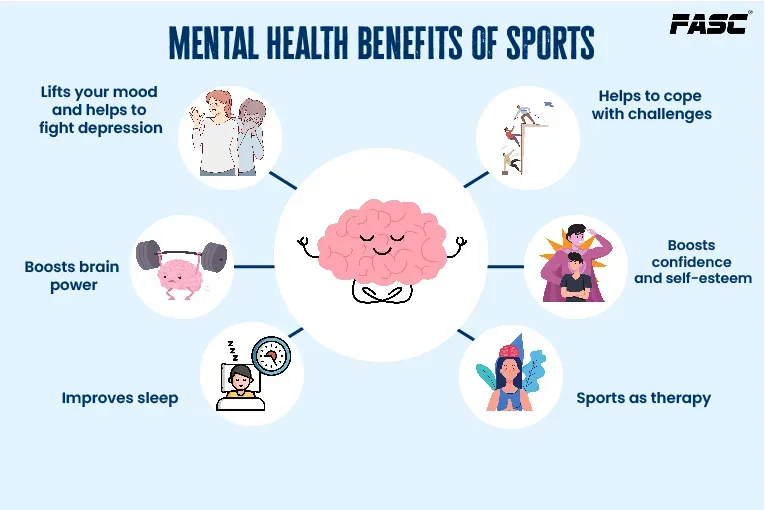
The Role of Sports in Promoting Mental Health is becoming increasingly recognized as essential in today’s society. In a world where stress, anxiety, and depression are on the rise, engaging in sports emerges as a powerful avenue for enhancing mental wellbeing. The benefits of sports extend beyond physical fitness; they play a pivotal role in fostering psychological resilience and emotional balance. Through physical activity and team dynamics, individuals can experience improved moods, reduced stress levels, and a stronger sense of community, contributing significantly to overall mental health. In this exploration, we’ll delve into how exercise for mental wellbeing can transform lives, emphasizing the interconnectedness of sports and mental health.
Engaging in physical activities, particularly through group participation, can significantly enhance psychological health. The extensive advantages linked with these activities are recognized under various terms, including exercise for wellbeing and team sports benefits. As individuals seek effective ways to manage their mental state, the connection between regular movement, community interaction, and emotional reinforcement has gained prominence. By understanding how different forms of physical activity and social involvement influence mood and overall mental stability, we can appreciate why sports are not just an entertaining pastime, but a crucial part of promoting mental wellness.
Understanding the Interaction Between Sports and Mental Health
The intricate relationship between sports and mental health has gained significant attention in contemporary research. Studies consistently highlight how engaging in sports facilitates not just physical fitness but also contributes to the enhancement of mental wellbeing. Regular participation in sports activities has been shown to reduce symptoms associated with anxiety and depression, providing a holistic remedy for mental health issues. As individuals engage in physical exertion, the body releases endorphins which are often referred to as ‘happiness hormones’. This physiological response denotes a direct correlation between physical activity and positive mental states.
Moreover, sports can act as a preventive measure against mental health disorders. By fostering an active lifestyle, individuals can build resilience against stressors and emotional challenges that come their way. The mental clarity gained from regular exercise allows for improved focus and better coping strategies when faced with adversity. Through sports, people not only work on their physical health but also cultivate a healthy mindset that is essential for overall wellbeing.
Furthermore, integrating sports into a daily routine can progressively impart life skills that are beneficial in managing mental health. Skills such as discipline, perseverance, and teamwork learned through sports can transcend into daily life, enabling individuals to handle challenges more effectively. This foundational support makes engaging in sports a powerful vehicle for promoting both physical and mental wellness.
In conclusion, the interaction between sports and mental health encompasses not just the physical benefits but an invaluable resource for mental resilience. Engaging in sports can be a sustainable method for enhancing mental health, making it crucial for both personal growth and community health.
Benefits of Sports for Mental Wellbeing
Participating in sports provides numerous benefits that directly contribute to mental wellbeing. One significant advantage is the reduction of stress levels. Engaging in physical activity stimulates the production of neurotransmitters like serotonin, which plays a key role in regulating mood and alleviating feelings of stress and anxiety. This biological response allows individuals to maintain a balanced emotional state, fostering a healthier approach to life’s challenges.
Additionally, regular sports involvement enhances self-esteem and confidence. Whether one achieves personal goals or contributes to a team’s success, the sense of accomplishment derived from sports can be incredibly motivating. This empowerment expands beyond the playing field, influencing various aspects of life, including personal and professional relationships. The social dynamics of team sports specifically, where individuals work towards common goals, lead to stronger self-identity and belongingness, which are crucial elements for mental stability.
Team Sports and Community Connection
Team sports uniquely contribute to mental health by fostering a sense of community among participants. The bonds formed through shared experiences, such as training sessions and matches, create a strong support system that can help individuals navigate mental health challenges. This connection can serve as a buffer against feelings of loneliness and isolation, which are often prevalent in individuals facing mental health issues.
Beyond camaraderie, team sports instill critical life skills, including teamwork, leadership, and communication. These skills are not only beneficial on the field but translate into everyday interactions, enhancing personal relationships. As participants learn to work collaboratively, they develop a greater sense of empathy and understanding towards others, further enriching their mental health. Such social engagement is vital in building emotional resilience and coping strategies.
Exercise as a Therapeutic Approach
Exercise, particularly through sports, is increasingly recognized as a therapeutic approach to managing mental health conditions. Physical activity helps in the reduction of symptoms associated with disorders like anxiety and depression. Engaging in sports can divert attention from negative thoughts and provides an avenue for catharsis, where individuals can release pent-up stress and emotions.
Moreover, the structure and discipline associated with regular sports practice can foster a strong sense of routine, which is often beneficial for individuals struggling with mental health issues. This routine establishes a predictable pattern in one’s day, contributing to feelings of stability and control. As a result, individuals find solace in adhering to a consistent workout schedule, leading to improved emotional balance and mental clarity.
The Importance of Coaches and Mentors
Coaches and mentors play an instrumental role in the mental wellness of athletes, especially the youth. A supportive coach not only enhances athletic skills but also nurtures a positive mindset. By providing constructive feedback and encouragement, coaches can help athletes build resilience and confidence, which are essential for good mental health.
Furthermore, having a mentor in sports cultivates an environment where young athletes can express their emotions and challenges openly. This support system allows them to navigate difficulties while reinforcing the importance of mental wellness. By fostering strong, trusting relationships, coaches contribute to the overall development of athletes, instilling valuable life lessons that extend well beyond sports.
Incorporating Sports into Daily Life
For those seeking mental wellness through sports, starting small can make a significant difference. Incorporating sports into your daily routine does not necessitate professional-level skills or commitment. Engaging in simple activities, such as joining a local sports league or attending weekly fitness classes, can foster mental health benefits while enabling social interaction and connection.
Moreover, participation in sports can be tailored to individual preferences. Whether one prefers team activities or individual sports, the key is to find something enjoyable that promotes physical activity. Personalized involvement in sports encourages consistency and enjoyment, making the journey towards improved mental health more sustainable and rewarding.
Mindfulness Through Physical Activity
Engaging in sports can significantly enhance mindfulness, an essential component for maintaining mental health. Physical activity requires concentration, allowing individuals to focus on their movements, breath, and surroundings. This practice of being present can serve as a form of meditation, helping to alleviate stress and anxiety.
Additionally, sports provide a natural environment for individuals to practice mindfulness techniques. Whether it’s paying attention to the rhythm of your breath during a run or concentrating on a game strategy, these moments of focus promote clarity and emotional balance. Ultimately, integrating mindfulness into sports activities can lead to profound improvements in mental wellbeing.
Setting and Achieving Goals in Sports
Goal setting is a fundamental aspect of engaging in sports and has profound implications for mental health improvement. Establishing clear, attainable goals allows individuals to track their progress and accomplishments, which in turn boosts self-efficacy. The satisfaction derived from achieving sports-related goals can significantly elevate one’s mood and foster a proactive mindset.
Moreover, the discipline of working towards goals instills a sense of purpose in one’s life. This discipline is particularly beneficial for those dealing with mental health issues, as it cultivates motivation and a sense of accomplishment. Whether training for a tournament or mastering a new skill, the act of setting these achievable objectives can shift focus away from negative thoughts and reinforce positive mental health.
Conclusion: Embracing the Power of Sports for Mental Health
Embracing sports as a tool for mental wellbeing encompasses diverse benefits, from improved mood to enhanced social connections. Engaging in physical activity can transform one’s approach to mental health, providing not only a means of stress relief but also pathways to community and support.
Ultimately, the key lies in integrating sports into daily life and finding activities that resonate with personal interests. Whether through joining a local team or participating in solo sports, the advantages are substantial. So, take that first step, immerse yourself in sports, and experience the transformative mental health benefits that an active lifestyle can bring.
Frequently Asked Questions
How do sports promote mental health and wellbeing?
Sports promote mental health and wellbeing by releasing endorphins, which improve mood and reduce feelings of anxiety and depression. Physical activity also leads to better sleep quality and provides coping mechanisms for stress.
What are the benefits of sports for mental health?
The benefits of sports for mental health include enhanced emotional regulation, reduced stress levels, improved self-esteem, and the creation of social connections that help combat loneliness and isolation.
Can team sports improve mental health?
Yes, team sports significantly improve mental health by fostering a sense of belonging, building social connections, and enhancing teamwork and communication skills, all of which contribute to overall wellbeing.
In what ways does physical activity enhance mental wellbeing?
Physical activity enhances mental wellbeing by reducing cortisol levels, increasing endorphins, improving sleep quality, and serving as a distraction from negative thoughts, leading to better emotional regulation.
What is the role of exercise for mental wellbeing?
Exercise plays a crucial role in mental wellbeing by facilitating the release of feel-good hormones, providing psychological benefits like distraction and mindfulness, and promoting social interactions through team or group activities.
How can I start incorporating sports into my routine for mental health benefits?
You can start incorporating sports into your routine by joining local sports teams, participating in group classes, trying individual sports like running or swimming, or volunteering in community sports programs.
Are there specific sports that are more beneficial for mental health?
Any sport can be beneficial for mental health; however, team sports provide social interaction benefits, while individual sports can offer a sense of personal achievement and mindfulness, making both valuable.
What role do coaches play in promoting the mental health of athletes?
Coaches play a pivotal role in promoting the mental health of athletes by creating supportive environments that build resilience, self-confidence, and emotional wellbeing, particularly for younger athletes.
How does participation in sports serve as a coping mechanism for mental health disorders?
Participation in sports serves as a coping mechanism by allowing individuals to channel their feelings into physical activity, providing distraction from negative thoughts and fostering mindfulness.
Why is community involvement in sports important for mental health?
Community involvement in sports fosters social connections, builds support networks, and enhances feelings of belonging, all of which are essential for maintaining good mental health and combating loneliness.
| Key Points | Details |
|---|---|
| The Connection Between Sports and Mental Health | Sports significantly improve mental health outcomes due to physiological and psychological factors. |
| Physiological Benefits of Exercise | Engaging in sports releases endorphins, reduces stress hormones, and improves sleep, enhancing mood and emotional regulation. |
| Psychological Benefits of Team Sports | Team sports foster belonging, build social connections, teach life skills, and provide discipline, boosting self-esteem and confidence. |
| Sports as a Coping Mechanism | Sports offer a therapeutic outlet for anxiety and depression, promoting mindfulness and distraction from negative thoughts. |
| Strategies to Incorporate Sports | Options include joining local teams, group classes, individual sports, volunteering, and setting personal goals for motivation. |
| Role of Coaches and Mentors | Supportive coaches foster positive environments, crucial for the mental wellness of younger athletes. |
Summary
The Role of Sports in Promoting Mental Health is an essential topic that highlights how engaging in athletic activities can significantly enhance psychological well-being. This exploration reveals that not only does participation in sports provide physical advantages, but it also contributes tremendously to mental health by reducing stress, fostering social connections, and instilling a sense of purpose. With techniques for incorporating sports into daily life and the impactful role of coaches as mentors, individuals can find a supportive pathway to mental wellness through the joys of sports.

