
Listen to this article
Sport and gender equality are essential elements in shaping a more inclusive world where every individual, regardless of gender, has the opportunity to thrive. As we explore the significance of gender equality in sports, it becomes evident that athletics serve as a pivotal platform for female empowerment through sports, allowing women in athletics to showcase their unparalleled talent. Notable athletes, such as Serena Williams and Simone Biles, embody the essence of breaking stereotypes, inspiring countless young girls to pursue their athletic dreams. By providing equal opportunities in sports, we can challenge the historic norms that have limited women’s participation and recognition. Ultimately, the journey towards gender equality in sports is not just about fair play; it’s about transforming societal perceptions and celebrating diversity in athleticism.
The intersection of athletics and social justice highlights the importance of inclusivity and fairness in sports. By investigating the dynamics of gender equity within competitive environments, we uncover how sports can be a powerful vehicle for positive societal change. Opportunities for women in sports pave the way for a new generation of athletes to redefine norms and champion equal rights. As we analyze the vital role of prominent female athletes as role models, we recognize how their achievements resonate beyond the field, fostering a culture of respect and admiration. Moving towards a future where individuals are judged solely by their capabilities can inspire greater participation and support for all, solidifying the significance of sports as a unifying force for progress.
The Impact of Sports on Gender Equality
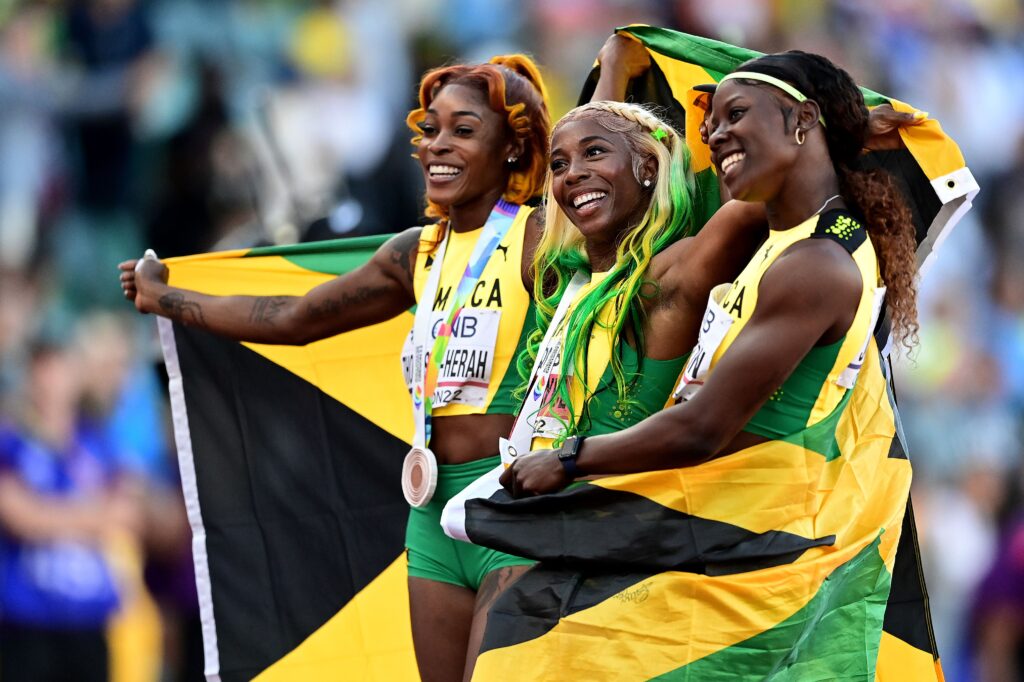
Sports serve as a microcosm of society, reflecting and influencing gender roles and norms. Traditionally, men have dominated the sports arena, but this dynamic is shifting significantly. Gender equality in sports is not merely a matter of fairness; it is pivotal in reshaping societal perceptions. As women increasingly break through barriers in various athletic disciplines, they not only claim their space in sports but also send powerful messages about capability and entitlement to equal opportunities. By promoting female representation in competitive arenas, sports lay the groundwork for broader societal change.
Furthermore, the visibility of female athletes as role models greatly influences younger generations. When girls see accomplished women such as tennis star Serena Williams or soccer star Megan Rapinoe excelling in their fields, it ignites aspirations and challenges preconceived notions about women’s roles in society. The success stories of these athletes can inspire girls to pursue sports, ultimately playing an important part in comprehensive gender equality by altering the patriarchal narrative that has long dominated sports.
Frequently Asked Questions
How does sport promote gender equality?
Sport acts as a powerful platform for promoting gender equality by breaking down traditional gender roles, empowering women through participation, and showcasing female athletes as role models. By fostering an inclusive environment, sports encourage equal opportunities for all genders.
What is the impact of female empowerment through sports?
Female empowerment through sports significantly boosts confidence, leadership, and teamwork skills among women and girls. This empowerment not only enhances their personal development but also encourages them to pursue careers and leadership roles beyond athletics.
Why are women’s sports important for gender equality?
Women’s sports play a crucial role in gender equality by elevating female athletes’ visibility and recognition, challenging outdated stereotypes, and inspiring future generations of girls to participate in physical activities and aspire to competitive sports.
How can sports organizations promote equal opportunities in sports?
Sports organizations can promote equal opportunities in sports by implementing policies like Title IX, focusing on equitable funding, addressing pay disparities, and creating programs designed to increase female participation at all levels.
What role do sports role models play in promoting gender equality?
Sports role models are essential in advocating for gender equality as they inspire young girls through their achievements. By mentoring and providing guidance, female athletes help girls to pursue their passions and aspirations confidently.
How does media coverage affect gender equality in sports?
Media coverage significantly impacts gender equality in sports by increasing visibility for women athletes, validating their achievements, and transforming societal perceptions. Equal media attention helps to challenge stereotypes and encourages young girls to engage in sports.
What challenges do women face in the pursuit of gender equality in sports?
Women in sports face challenges including less media coverage, lower funding, and insufficient resources compared to their male counterparts. Addressing issues such as body image, discrimination, and ensuring safe environments is essential for advancing gender equality.
How do community sports programs contribute to gender equality?
Community sports programs help promote gender equality by providing accessible opportunities for girls to participate in sports, fostering a sense of belonging and community, thereby empowering them to break traditional gender barriers.
What initiatives can support women’s athletics?
Initiatives that support women’s athletics include creating funding opportunities for women’s sports programs, developing mentorship opportunities for young female athletes, and advocating for policy changes that mandate equal treatment in athletic programs.
Why is promoting gender equality in sports necessary for social change?
Promoting gender equality in sports is vital for social change as it challenges societal norms, encourages women’s participation across various sectors, and helps build a more just and equitable society, influencing future generations to embrace equality.
| Key Points | Details |
|---|---|
| Role of Sport in Gender Equality | Sport serves as a platform to promote equal opportunities and advocate for social change. |
| Breaking Barriers | Women athletes are gaining recognition and breaking records, reshaping societal views on gender roles. |
| Empowerment Through Participation | Engagement in sports boosts confidence and leadership skills among women, fostering community. |
| Changing Perceptions and Stereotypes | Increased media coverage of female athletes challenges stereotypes and encourages young girls. |
| Role of Policy in Gender Equality | Policies like Title IX promote equal opportunities and enhance female participation in sports. |
| Importance of Role Models | Female athletes as mentors can empower young girls and inspire future female leaders. |
| Challenges Ahead | Despite progress, challenges such as funding and discrimination still hinder gender equality in sports. |
Summary
Sport and gender equality go hand in hand, with the world of athletics playing a crucial role in fostering inclusivity and empowerment across genders. Through breaking down barriers traditionally associated with gender roles, sports have become a transformative force for women and girls. Participation in sports enhances self-esteem and promotes leadership qualities, while increased visibility in media helps challenge outdated stereotypes. Policies and organizations are working to ensure equal opportunities for female athletes at all levels. However, challenges still persist, including funding discrepancies and societal discrimination. To truly advance the cause of gender equality in sports, ongoing commitment and advocacy are essential.

