Listen to this article
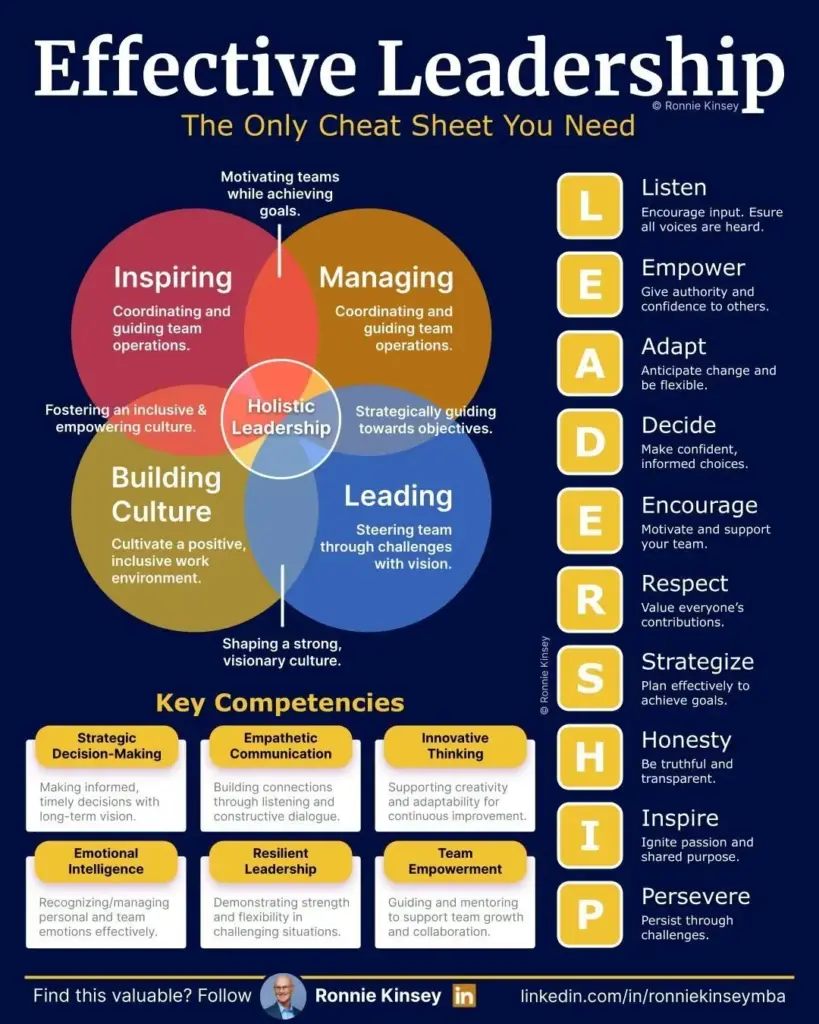
Leadership in business is a critical component that directly influences the growth trajectory and overall success of any organization. Effective leadership establishes a strong company culture, fostering an environment where innovation and productivity thrive. From visionary leadership that inspires teams to transformational leadership that embraces change, the various leadership styles play pivotal roles in shaping a company’s future. Understanding how these leadership frameworks contribute to business growth can empower leaders with the tools they need to navigate challenges and inspire their workforce. As we delve deeper into this topic, we will uncover the profound impact that leadership has on driving both performance and profitability in today’s competitive landscape.
In the dynamic world of corporate management, guidance and influence are crucial for achieving business objectives. The role of effective management not only steers teams towards success but also fosters a thriving organizational atmosphere. By applying different management styles such as participative or transformative approaches, leaders can significantly shape their companies’ cultures and inspire their teams. This discussion on executive direction and its influence on organizational growth aims to illuminate how strategic decision-making can lead to remarkable results for companies aiming for excellence.
Understanding Effective Leadership in Business Growth
Effective leadership serves as a catalyst for business growth, shaping not just the strategies but also the morale of teams. Leaders who engage in effective communication and foster an inclusive environment are better positioned to inspire their employees. This dynamic collaboration often leads to innovative solutions and meets emerging market demands more swiftly. In contrast, poor leadership can create a toxic workplace culture, leading to disengagement and stagnant growth.
Moreover, leaders play a crucial role in mentoring and developing potential within their teams. An effective leader identifies strengths in their employees and delegates responsibilities accordingly, allowing for personal and professional growth. This investment in talent directly correlates to improved performance and productivity, ultimately supporting the organization’s growth trajectory.
Visionary Leadership: Guiding Businesses Towards Success
Visionary leadership is a fundamental aspect of a successful business landscape. Such leaders set a clear direction and instill a strong sense of purpose within their teams, enabling members to align their individual goals with the broader objectives of the organization. The ability to communicate this vision effectively can create unity and enthusiasm, motivating employees to work toward a common goal, thereby driving business growth.
Furthermore, visionary leaders are adept at anticipating market trends and adapting their strategies accordingly. This foresight ensures their organizations are not only prepared to face challenges but can also seize opportunities as they arise. By embracing an innovative mindset and encouraging their teams to be agile, they can create a culture that thrives on change and creativity, essential elements for sustained growth in a competitive market.
The Relationship Between Leadership Styles and Company Culture
Leadership styles significantly impact company culture, determining how employees interact and collaborate. For instance, a democratic leadership style fosters a culture of trust and open communication, encouraging employees to voice their opinions and contribute to decision-making. This inclusivity not only enhances employee morale but also drives higher levels of engagement and innovation.
On the other hand, autocratic leadership styles may lead to a more rigid corporate culture where employees feel undervalued and less motivated. This can stifle creativity and reduce overall productivity. Therefore, it’s crucial for leaders to assess their leadership style and its implications on company culture, ensuring alignment with their vision for business growth.
Transformational Leadership: The Key to Innovation
Transformational leadership is pivotal in fostering a culture of innovation. Leaders who adopt this style are often seen as role models, inspiring employees through their vision and commitment to the organization’s goals. By encouraging their teams to think creatively and challenge the status quo, transformational leaders drive significant advancements within their companies, opening new avenues for growth.
Moreover, transformational leaders excel in recognizing the contributions of their employees, making them feel valued and empowered. This recognition not only boosts morale but also instills a sense of loyalty, further enhancing productivity and retention rates. The resultant positive environment cultivates an agile workforce ready to embrace change and innovate, which is critical for long-term success.
Navigating Challenges in Leadership and Business Growth
Leadership is not without its challenges, especially when it comes to driving company growth. Leaders must navigate a myriad of obstacles, including market volatility, competition, and internal team dynamics. The ability to maintain motivation among employees during uncertain times is crucial for sustaining productivity and momentum within the organization.
Additionally, leaders must effectively manage and resolve conflicts that arise within teams. A constructive approach to conflict resolution can transform potential pitfalls into opportunities for growth and collaboration. By addressing issues head-on and fostering a culture of open dialogue, leaders can cultivate stronger team dynamics, leading to enhanced business performance.
The Financial Impact of Effective Leadership
Effective leadership directly correlates with financial success in business. Leaders who embrace strategic decision-making, grounded in market research and an understanding of customer needs, are better equipped to navigate economic fluctuations and drive profitability. They understand the importance of balancing short-term outcomes with long-term objectives, ensuring their organizations remain competitive.
Additionally, strong leaders prioritize building trust with stakeholders, essential for securing investments and partnerships. This trust can lead to strategic alliances that drive further growth and financial success, underlining the critical role of leadership in shaping the economic trajectory of a business.
Empowering Leadership: Cultivating a Positive Company Culture
Empowering leadership is vital for cultivating a positive company culture that promotes both employee satisfaction and overall organizational health. Leaders who prioritize this approach create an environment where employees feel safe to express their ideas and take ownership of their roles. This empowerment leads to higher levels of engagement and a genuine investment in the success of the company.
Further, such leaders actively seek to develop their teams through professional development opportunities and mentorship programs. By investing in employee growth, leaders foster loyalty and reduce turnover rates, allowing the organization to maintain a strong, committed workforce essential for long-term growth.
Frequently Asked Questions
How does effective leadership contribute to business growth?
Effective leadership is crucial for business growth as it influences organizational strategy, motivates employees, and shapes company culture. Leaders who inspire their teams and foster open communication can drive engagement, leading to higher productivity and innovation, which are essential for growth.
What are the key leadership styles that affect company culture?
Various leadership styles such as transformational, democratic, and autocratic can dramatically impact company culture. Transformational leadership encourages creativity and commitment, while democratic leadership promotes participation and collaboration, both of which contribute positively to the work environment and overall business success.
What is the role of visionary leadership in a successful business?
Visionary leadership plays a pivotal role in defining a clear direction and setting long-term goals for a business. Leaders with a compelling vision guide their companies through change, inspire teams, and adapt strategies to align with market demands, thus facilitating sustainable growth.
How can leaders cultivate a positive company culture?
Leaders can cultivate a positive company culture by promoting open communication, recognizing employee achievements, and offering professional development opportunities. This approach enhances employee morale, fosters collaboration, and ultimately drives overall business performance.
What challenges do leaders face in driving business growth?
Leaders face several challenges in driving business growth, including maintaining team motivation, managing resistance to change, balancing competing priorities, and effectively navigating conflict. Addressing these challenges requires strategic thinking and strong interpersonal skills.
How does leadership impact financial success in a business?
Strong leadership directly impacts financial success by enabling businesses to respond quickly to market changes, optimize operations, and build trust with stakeholders. Effective leaders use data-driven decision-making to enhance profitability and ensure long-term sustainability.
What benefits does transformational leadership bring to business growth?
Transformational leadership enhances business growth by driving team performance, fostering innovation, improving employee satisfaction, and building a positive reputation. Leaders who inspire and empower their teams can achieve remarkable results that propel the business forward.
| Key Aspects | Details |
|---|---|
| Definition of Leadership | Influence, inspire, and guide towards goals; involves strategic decisions and team management. |
| Visionary Leadership | Establishes clear goals and ethical values; crucial for startups seeking brand establishment. |
| Company Culture Influence | Positive culture enhances morale and productivity; leaders shape this culture. |
| Leadership Styles | Different styles (auto, demo, transformational) affect growth; transformational is highly effective. |
| Financial Success Impact | Effective leadership correlates with financial health; adaptable and strategic leaders drive success. |
| Challenges in Leadership | Motivation, change management, conflict resolution, and balancing priorities are key challenges. |
Summary
Leadership in business is essential to guiding an organization toward success and growth. Effective leaders not only set the vision but also create an inspiring workplace where teams thrive. They navigate challenges, motivate their employees, and adapt strategies as necessary. In essence, leadership in business is about fostering an environment that drives sustainable success through collaboration and innovation.