
Listen to this article
Innovation in business growth is no longer just a buzzword; it’s a fundamental necessity for companies striving to excel in today’s dynamic marketplace. As organizations face constant challenges and opportunities, the importance of innovation can’t be overstated. It serves as the engine that drives business innovation, enabling firms to develop effective business growth strategies that adapt to changing consumer needs. Through creative thinking in business, leaders can identify avenues for technology advancement in business that lead to enhanced operational efficiency and customer satisfaction. Embracing innovation not only positions companies ahead of the competition but also fosters a culture that encourages new ideas and collaborative problem-solving.
When we talk about the transformative role of creativity and new approaches in driving corporate success, it’s evident that originality in the business sphere goes beyond mere product development. The focus on avant-garde methodologies hinges on the necessity for organizations to stay relevant amid fluctuating market dynamics. Leaders must understand the significance of driving creative initiatives that capture the evolving preferences of the consumer base. By emphasizing technological breakthroughs and new revenue streams, companies can reinforce their market presence and ensure sustainable growth. Engaging with employees to cultivate innovative thinking can unlock hidden potential and ignite passion, paving the way for a prosperous future.
The Importance of Business Innovation
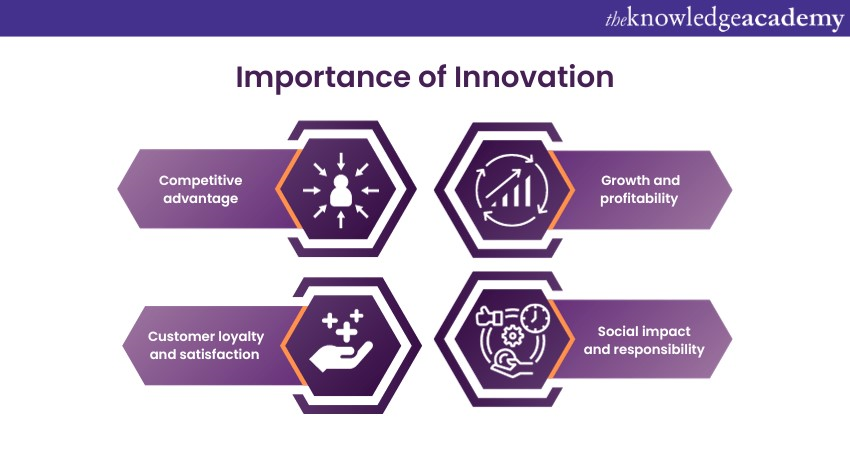
Business innovation isn’t just a buzzword; it’s the cornerstone of sustainable growth. In an environment that demands quick adaptation, organizations that prioritize innovation can capitalize on emerging opportunities ahead of their competitors. This strategic emphasis not only fosters a proactive approach to challenges but also enables businesses to stay ahead in a rapidly changing marketplace.
Moreover, the importance of innovation extends beyond products and services to include shifts in internal processes and customer engagement strategies. Creative thinking in business helps leaders envision new solutions to age-old problems, driving both operational efficiency and consumer satisfaction.
Strategies for Fostering Innovation in Organizations
To effectively foster innovation, organizations need to implement structured strategies that encourage creative thinking among employees. Establishing interdisciplinary teams for brainstorming sessions can immerse fresh perspectives and inspire unique solutions that may not surface in siloed environments. Additionally, offering workshops on creative problem-solving can equip team members with the tools they need to think outside the box.
Moreover, it’s crucial for leaders to create an environment that embraces failure as a part of the innovation journey. By framing failures as learning opportunities, teams are more likely to experiment and share bold ideas without fear. This cultural shift is an essential element of successful business growth strategies.
Encouraging a Growth Mindset
Cultivating a growth mindset is pivotal in nurturing a culture of innovation. Leaders should actively promote ongoing learning and the idea that skills and intelligence can be developed through dedication and hard work. This attitude encourages employees to take risks and immerse themselves in creative projects that drive business innovation.
Workshops focused on growth mindset principles can empower employees to approach challenges with a solutions-oriented mindset. As employees shift their perceptions of challenges into opportunities for development, this will naturally foster an environment rich in innovative ideas, leading to enhanced business growth.
The Role of Technology Advancement in Business Growth
Technology advancement is a critical driver of innovation in today’s business world. Companies harnessing the latest technological capabilities can streamline operations and deliver enhanced value to their customers. From integrating artificial intelligence to utilizing cloud-based solutions, tech advancements empower businesses to optimize their processes and expand their offerings.
Furthermore, leveraging technology in operations can lead to improved efficiency and productivity, which are essential for staying competitive. By investing in the latest technological trends, businesses can innovate not only their products and services but also their internal processes.
Leveraging Customer Feedback to Drive Innovation
Understanding customer needs is vital for successful innovation. Actively seeking customer feedback through surveys, focus groups, and social media interactions allows businesses to capture insights that can lead to the development of better products and services. This customer-centric approach aligns innovation efforts with market demands, enhancing the likelihood for success.
Incorporating customer feedback into the innovation process not only leads to improved offerings but strengthens customer relations as well. When customers see that their inputs are valued and become a driving force behind new initiatives, it generates loyalty and reduces churn.
Overcoming Challenges to Innovation
Despite the recognized benefits, fostering innovation can present several challenges. One significant barrier is the fear of failure among employees, which can stifle creativity and bold thinking. Leaders must establish a safe environment where teams feel comfortable experimenting and can discuss failures openly to learn collectively.
Additionally, resistance to change can hinder innovation initiatives. Leaders should communicate the intrinsic benefits of innovation clearly and involve employees at every level in the process, ensuring they feel part of the journey and reducing apprehension towards new approaches.
Leading by Example in Innovation
Leadership plays a crucial role in fostering innovation within an organization. When leaders actively demonstrate willingness to embrace new ideas, take calculated risks, and back innovative initiatives, it sets a powerful precedent for their teams. This behavioral modeling can inspire employees to adopt similar attitudes towards innovation.
Furthermore, recognizing and rewarding those who contribute to innovative projects can energize the workforce and encourage a collaborative spirit. Leaders leading by example effectively create a thriving culture of innovation that drives continuous business growth.
Frequently Asked Questions
What is the importance of innovation in business growth?
Innovation is crucial for business growth as it allows companies to differentiate themselves from competitors, adapt to market changes, and create new revenue streams. By embracing creativity and technology advancements, businesses can enhance operational efficiency and maintain relevance in a fast-paced environment.
How can businesses foster innovation to support growth strategies?
To foster innovation, businesses can implement growth strategies such as encouraging a growth mindset, investing in research and development, creating collaborative spaces, and leveraging customer feedback. These practices stimulate creative thinking and help organizations stay ahead in their industries.
What role does technology advancement play in business innovation?
Technology advancement is a vital component of business innovation, enabling companies to streamline operations, improve product offerings, and enhance customer experiences. By adopting new technologies, businesses can implement innovative solutions that drive efficiency and growth.
How does creative thinking in business lead to innovation?
Creative thinking in business encourages employees to explore new ideas and challenge traditional ways of operating. This mindset fosters a culture of innovation, leading to unique products and services that can significantly contribute to business growth.
What are some effective business growth strategies that incorporate innovation?
Effective business growth strategies that incorporate innovation include adopting digital transformation, enhancing customer engagement through feedback, diversifying product lines, and creating an organizational culture that supports calculated risk-taking and experimentation.
What challenges do businesses face when trying to implement innovation for growth?
Businesses often face challenges such as fear of failure, resource constraints, and resistance to change when implementing innovation for growth. Overcoming these obstacles requires strong leadership, clear communication of the benefits of innovation, and strategic resource allocation.
How can leaders promote a culture of innovation in their organizations?
Leaders can promote a culture of innovation by encouraging a growth mindset, recognizing and rewarding innovative efforts, providing training, and leading by example. By creating a safe environment for experimentation, they can inspire teams to contribute creatively toward business growth.
| Key Points | Details |
|---|---|
| Understanding Innovation | Innovation can transform business models and is essential for evolving and meeting consumer needs. |
| Why is Innovation Crucial? | 1. Competitive Advantage: Differentiates businesses, fosters customer loyalty. 2. Adaptation: Helps businesses respond to market changes, such as COVID-19. 3. Operational Efficiency: Streamlines operations to improve productivity. 4. Talent Attraction: Creates an appealing environment for innovative thinkers. 5. Revenue Growth: Opens new markets and customer segments. |
| Key Insights for Leaders | 1. Encourage a Growth Mindset 2. Invest in R&D 3. Create Collaborative Spaces 4. Leverage Customer Feedback 5. Lead by Example 6. Recognize and Reward Innovation |
| Challenges to Innovation | 1. Fear of Failure 2. Resource Constraints 3. Resistance to Change |
Summary
Innovation in business growth is not just a strategy; it is a necessity in today’s fast-paced market. As businesses face constant evolution and competition, leaders must prioritize innovation to maintain their edge. By integrating creative thinking and risk-taking into their business practices, they can inspire teams to explore new ideas and adaptations. Remember, innovation fosters a culture where employees feel empowered to experiment, leading to operational improvements and enhanced market presence. Thus, embracing innovation in business growth ultimately positions organizations for success.

