
Listen to this article
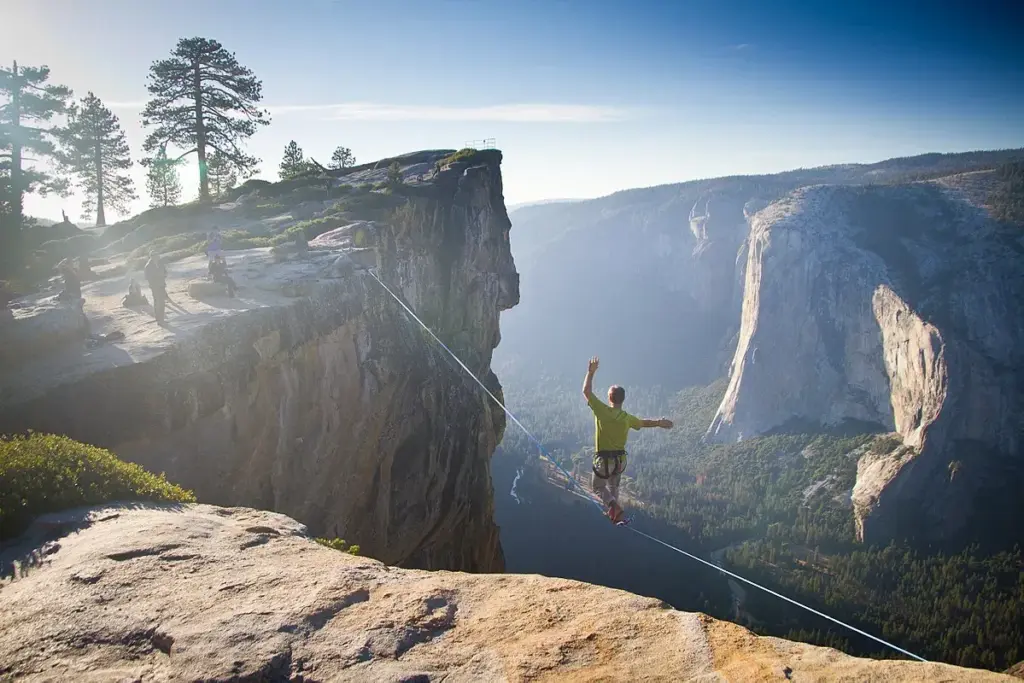
Extreme sports have exploded in popularity recently, attracting a global community of thrill-seekers eager to test their limits and chase adrenaline. These high-octane activities, including skateboarding, rock climbing, and snowboarding, blend adventure tourism with the exhilarating essence of risk-taking. As part of the extreme sports culture, participants gain not just personal achievements but also a sense of camaraderie that permeates events worldwide. However, understanding safety in extreme sports is crucial, as these activities come with inherent risks. For those looking to dive into this electrifying world, exploring avenues for getting started in extreme sports can open the door to unforgettable adventures.
Adrenaline sports, often referred to as extreme activities, captivate enthusiasts who seek both excitement and personal challenge. From the audacious heights of base jumping to the thrilling rush of BMX biking, these pursuits require specialized skills and equipment. Participants often revel in the vibrant subculture surrounding these high-stakes events, characterized by strong community ties and a collective spirit of adventure. While the allure of extreme activities is undeniable, awareness of safety measures remains paramount for all newcomers. Once enthusiasts learn the ropes and gradually immerse themselves in these daring exploits, they unlock a world filled with thrilling possibilities.
Understanding the Basics of Extreme Sports
Extreme sports, often defined by their exhilarating thrills and inherent risks, encompass a wide variety of activities that challenge both the body and mind. Unlike traditional sports, extreme sports emphasize personal achievement over competition, attracting individuals seeking unique experiences. It’s essential to recognize that these sports often require specialized gear and a profound commitment to understanding safety practices, thereby creating an enticing yet demanding environment for enthusiasts.
Engaging in extreme sports is not merely about physical capability; it also involves an emotional journey filled with self-discovery and camaraderie. These sports encourage individuals to push their limits and explore their abilities in unconventional settings, which is a significant part of their allure. The adrenaline rush experienced during activities such as BMX biking, rock climbing, or paragliding is amplified by the sense of freedom and adventure that these sports provide.
The Cultural Impact of Extreme Sports
The culture surrounding extreme sports is rich and diverse, standing as a testament to human creativity and resilience. Enthusiasts often form tight-knit communities that support one another through skill sharing, motivation, and the celebration of achievements. Events such as the X Games and various local competitions not only highlight professional athletes but also serve as a platform for amateur participants to showcase their talents, fostering a sense of belonging within the culture.
In addition to competitive events, media representation plays a crucial role in shaping extreme sports culture. Documentaries and films that depict the lives and careers of extreme sports athletes illustrate their dedication and challenges, often inspiring newcomers to pursue similar paths. This growing media presence cultivates a greater appreciation for the artistry involved in extreme sports, further enriching the community and attracting new enthusiasts eager to be part of this vibrant world.
Frequently Asked Questions
What are the different types of extreme sports?
Extreme sports encompass various categories, including aerial sports like skydiving, surface sports such as skateboarding, land sports like mountain biking, and water sports including surfing. Each category presents unique challenges and thrills.
How has extreme sports culture evolved in recent years?
The culture surrounding extreme sports has become more vibrant due to social media, community-building events, and increased access to thrilling activities. This evolution has created a supportive environment that empowers athletes and enthusiasts alike.
What safety measures should I take when engaging in extreme sports?
Safety in extreme sports is paramount. Always wear appropriate protective gear, take training courses with certified instructors, understand your physical limits, and practice the buddy system to enhance safety during activities.
How do I get started in extreme sports?
Getting started in extreme sports involves researching various activities, starting with beginner classes, renting equipment, and connecting with local communities to build skills and find support.
What role does adventure tourism play in extreme sports?
Adventure tourism significantly promotes extreme sports by providing dedicated locations and facilities, from climbing gyms to snow resorts. This accessibility encourages more people to try extreme sports.
Are extreme sports events important for the growth of these sports?
Yes, extreme sports events like the X Games and Red Bull competitions are crucial in showcasing athletes’ skills and increasing mainstream interest in extreme sports, further enhancing their popularity.
What common injuries are associated with extreme sports?
Common injuries in extreme sports include sprains, fractures, and concussions. Proper training, safety gear, and understanding limits can help reduce these risks.
How can social media impact extreme sports culture?
Social media has transformed extreme sports culture by allowing athletes to share achievements, techniques, and lifestyles, thus creating a global community around these adrenaline-fueled activities.
What are some popular extreme sports to try for beginners?
Popular beginner-friendly extreme sports include skateboarding, rock climbing, and surfing. These activities typically offer classes and rentals, making them accessible for newcomers.
Why is safety considered a priority in extreme sports?
Safety is a priority in extreme sports due to their inherent risks and physical demands. Appropriate precautions can prevent injuries, ensuring that participants can enjoy these thrilling experiences responsibly.
| Category | Examples | Characteristics |
|---|---|---|
| Aerial Sports | Skydiving, Paragliding, Bungee Jumping | Activities that involve flying or jumping, requiring precision and skill. |
| Surface Sports | Skateboarding, Snowboarding, Surfing | Utilize various surfaces for stunts and tricks, ideal for creativity. |
| Land Sports | Mountain Biking, Rock Climbing, Trail Running | Involves varying elevations and obstacles, pushing physical boundaries. |
| Water Sports | Surfing, White-water Rafting, Wakeboarding | Focus on navigating aquatic environments, requiring skill and adaptability. |
Summary
Extreme sports have taken the world by storm, captivating those who seek adventure and the thrill of pushing their limits. The popularity of these high-octane activities stems from various factors, such as the influence of youth culture, the media’s role in showcasing adrenaline-fueled feats, and the expanded accessibility of equipment and venues. While extreme sports offer incredible opportunities for self-expression and community building, safety considerations are paramount. Understanding the necessary precautions, from the right gear to knowing one’s limitations, is crucial for anyone aspiring to participate in these exhilarating activities. In summary, engaging in extreme sports not only fosters a sense of adventure but also connects people through a shared passion for pushing the boundaries of human capability.

