
Listen to this article
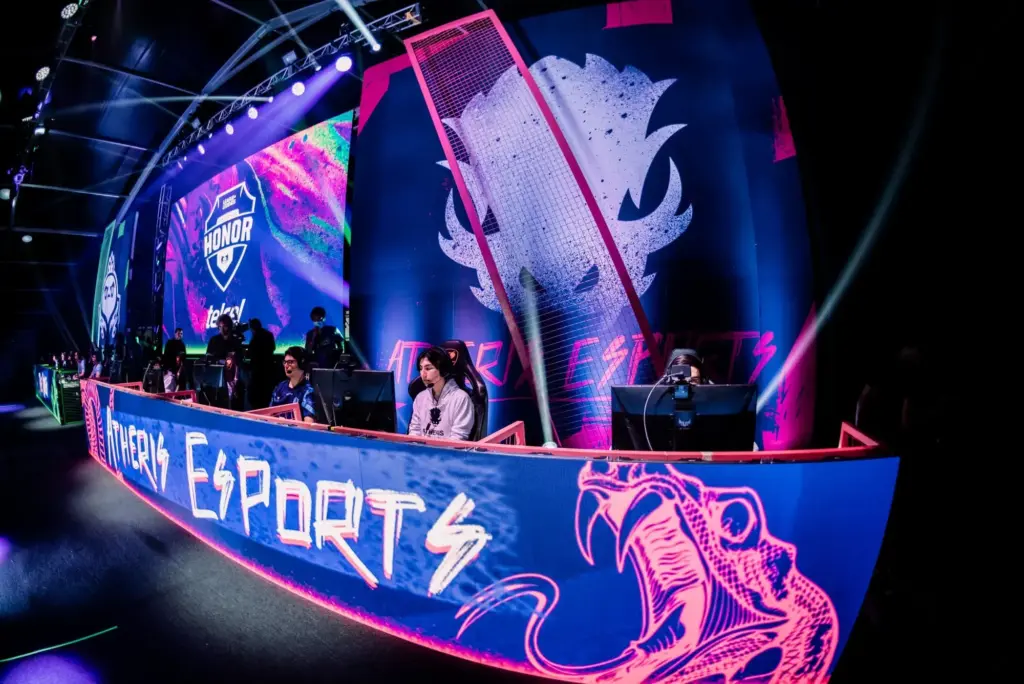
Esports, the electrifying world of competitive gaming, has rapidly emerged as a cultural phenomenon that captivates millions globally. As digital arenas fill with enthusiastic fans, esports has transformed the gaming landscape, drawing parallels to traditional sports through an unparalleled level of engagement and competition. From dynamic tournaments to dedicated esports teams, the gaming community has solidified esports as a legitimate field of competition. The allure can be seen in massive events with impressive prize pools and streams that attract larger audiences than some conventional sports. This article delves into the rise of esports, uncovering its impact on gaming and sports alike, and exploring what the future holds for this exhilarating and rapidly growing industry.
Competitive video gaming, often referred to as electronic sports or e-sports, epitomizes the evolution of leisure into a structured competitive domain. It encompasses organized matches where players or teams engage in various game genres, leading to thrilling encounters akin to traditional athletic competitions. Gaming enthusiasts worldwide connect through gaming tournaments, forming a thriving community that celebrates both skill and strategy. Much like conventional athletics, the rise of this digital sporting scene has given birth to professional esports teams, which train rigorously and compete for lucrative prizes. As we unpack this dynamic realm, we’ll explore the fascinating intersection of gaming and sports, highlighting its growth and the implications for the future.
Understanding the Esports Phenomenon
Esports, or electronic sports, have surged in popularity, becoming a legitimate form of competitive entertainment worldwide. This phenomenon can be attributed to several factors, including advances in technology that allow for seamless online gameplay and the increasing accessibility of high-speed internet. The community surrounding esports has also flourished, fostering a culture where gamers can connect, compete, and share their experiences. With major tournaments streamed globally, esports has transformed into an engaging spectator activity, drawing millions of viewers and fans.
Moreover, the rise of esports is not just about the games themselves but also about the community and culture that surrounds them. Players and fans interact through social media and community events, creating bonds that transcend geographical boundaries. Esports have grown into a shared experience for millions, akin to traditional sports, highlighting a collective passion for gaming that has entered mainstream consciousness. This connection is pivotal to understanding why competitive gaming resonates today.
The Growth of Competitive Gaming
The competitive gaming landscape has expanded dramatically over the last decade, with participants ranging from casual gamers to professional teams. Events like The International and the League of Legends World Championship not only celebrate player skill but also showcase a thriving ecosystem of support through sponsorships, media rights, and merchandise sales. As competitive gaming garners increasing interest, organizations are investing more resources into nurturing talent and organizing events akin to traditional sports leagues.
Additionally, this surge in competitive gaming has encouraged more players to pursue esports as a viable career. The establishment of professional teams has led to a structured approach to training, strategy development, and player management, mirroring traditional sports organizations. With this growth comes the necessity for proper governance and regulation, as the esports community grows in size and complexity.
Esports vs. Traditional Sports: A Comparative Analysis
The comparison between esports and traditional sports is increasingly relevant as both industries evolve. Both require competition at a high level, intense practice, and skill development; however, esports often involves a unique skill set focused on digital strategies and reflexes. The recognition of gaming as a sport has led to discussions about the legitimacy of esports in the context of athleticism, performance, and competition.
Moreover, the burgeoning esports industry has started to capture audiences similar to those of traditional sports. Events fill stadiums, and fan engagement mirrors that experienced in football or basketball. As the sports landscape continues to evolve, the lines between esports and traditional sports may blur, with both worlds learning from each other’s strengths and audience engagements.
The Financial Landscape of Esports
The business model surrounding esports has transformed it into a billion-dollar industry, filled with various revenue streams. Major brands recognize the potential to reach a youthful, engaged audience through sponsorships, leading to lucrative partnerships that benefit both parties. For instance, companies like Intel and Coca-Cola invest heavily in esports, supporting teams and events to leverage the growing viewership.
In addition to sponsorships, gaming tournaments have become significant avenues for advertising revenue. As more viewers flock to platforms like Twitch, advertisers are seizing the opportunity for strategic placements within streams. This growth in financial viability illustrates that esports is not merely a subculture but a thriving commercial entity that continues to attract serious investments and generate substantial profit.
The Role of Universities in Esports
As esports gain prominence, educational institutions are beginning to recognize the discipline and teamwork required in competitive gaming. Many universities have begun offering scholarships to talented players, along with courses that teach skills relevant to the gaming industry, such as marketing, game design, and team management. This educational embrace of esports stands as an acknowledgment of its legitimacy and potential.
Furthermore, the establishment of esports clubs in schools and colleges promotes an inclusive environment, encouraging students to engage with gaming regardless of their backgrounds. This inclusion enhances social interactions and team collaborations, equipping students with transferable skills that benefit them in their academic and professional lives.
The Social Aspects of Esports and Mental Health
While gaming has often been associated with negative stereotypes, esports present a different narrative—one focused on community and social engagement. Players typically form strong bonds with teammates, fostering relationships that can extend beyond the digital realm. These networks can provide essential support systems, helping to combat feelings of isolation often linked with gaming.
Moreover, the collaborative nature of esports encourages effective communication and teamwork, both of which are critical skills in the modern workforce. By engaging in esports, players can experience improved self-esteem and mental well-being as they connect with others who share their interests. This positive aspect of competitive gaming is increasingly important as discussions about mental health and community engagement continue to evolve.
The Future of Esports: Trends and Predictions
As esports continue to gain traction, the future holds exciting possibilities. The integration of technology, particularly advancements in virtual reality (VR) and augmented reality (AR), are set to enhance the gaming experience and offer fresh formats for competition. These technologies could redefine player interactions and audience experiences, further blurring the lines between traditional sports and esports.
Additionally, discussions regarding the inclusion of esports in major global sporting events, such as the Olympics, signal a turning point for the industry. If esports were to be recognized on such a significant platform, it would elevate its status and encourage further investment and development, ultimately shaping it into an established facet of the sports universe.
Esports and Community Engagement
Esports has emerged not only as a competitive platform but also as a community-building force, uniting people from diverse backgrounds around a shared passion for gaming. The relationships formed through team play and fan interactions have given rise to a vibrant global community that extends beyond mere participation, allowing fans to connect through various channels and platforms. This sense of belonging is powerful, creating bonds that often lead to lifelong friendships.
Furthermore, community engagement in esports has sparked initiatives aimed at fostering inclusiveness and accessibility. Esports teams and organizations often engage in charitable events and outreach programs, exemplifying how competitive gaming can impact society positively. By harnessing the enthusiasm of gaming communities, esports is in a unique position to drive social change while enhancing the gaming experience.
Understanding the Role of Sponsorship in Esports
Sponsorship plays a crucial role in the financing and growth of esports, acting as one of the primary revenue streams for teams and organizations. Major companies realize that esports offers unparalleled access to an engaged audience, especially younger demographics who are increasingly difficult to reach through traditional advertising methods. As a result, brands are eagerly aligning themselves with esports teams and events to build brand visibility and loyalty.
Moreover, the relationships between sponsors and esports entities can lead to innovative marketing strategies that enhance the viewer experience. This partnership often results in co-branded content and collaborative events that enrich the connection between gamers and brands. By investing in esports sponsorships, brands are not only endorsing competitive gaming but also helping to shape the future of how gaming and marketing intersect.
Frequently Asked Questions
What are the main types of esports competitions?
Esports competitions primarily include tournaments and leagues across various gaming genres such as first-person shooters (FPS), multiplayer online battle arenas (MOBAs), and real-time strategy (RTS) games. Popular competitions like the League of Legends World Championship and The International showcase a competitive gaming environment that attracts thousands of fans.
How do esports teams recruit players?
Esports teams often scout for players through online competitions, tournaments, and gaming platforms where skill levels can be assessed. They look for talent, teamwork, and strategic thinking within prospective players, creating rosters that will compete at the highest level.
What is the significance of gaming tournaments in esports?
Gaming tournaments in esports are crucial as they provide a competitive platform for players and teams to showcase their skills. They often feature substantial prize pools and draw millions of viewers, contributing to the overall growth and recognition of esports as a legitimate competitive arena.
How has the gaming community influenced the rise of esports?
The gaming community has played an instrumental role in the rise of esports by fostering engagement and collaboration among players. Online platforms and streaming services have enabled community-building, where fans can support their favorite esports teams and players, driving viewership and participation in events.
What are some major companies that sponsor esports events?
Several major companies, including Coca-Cola, Intel, and Red Bull, have invested heavily in esports sponsorships. These partnerships help promote competitive gaming and provide the financial support necessary to host large-scale tournaments and events.
Can esports be considered a sport?
Yes, esports can be considered a sport due to its competitive nature, the professionalization of teams, and the skills required, such as strategic thinking and teamwork. The growing fanbase and significant sponsorships mirror traditional sports, reinforcing its status as a legitimate competitive activity.
How do esports contribute to mental health?
Esports can positively contribute to mental health by fostering social interaction, teamwork, and a sense of community among players. Engaging in competitive gaming provides opportunities for players to connect with others, helping combat feelings of isolation in a supportive environment.
What is the future of esports in relation to traditional sports?
The future of esports in relation to traditional sports looks promising, as discussions emerge about including competitive gaming in events like the Olympics. As technology advances and esports continues to gain mainstream acceptance, it could lead to new formats and opportunities for integration with traditional sports.
How do streaming platforms like Twitch impact esports?
Streaming platforms like Twitch have revolutionized esports by allowing gamers to broadcast their gameplay live, engage with audiences, and create a community around their content. This has led to increased visibility for esports teams, tournaments, and individual players, significantly driving growth in the esports industry.
What educational opportunities are available in esports?
Many universities are now offering scholarships and degrees in esports, recognizing the skills gained from competitive gaming. Esports clubs in educational institutions promote teamwork, strategic thinking, and effective communication, preparing students for careers in the growing esports industry.
| Aspect | Details |
|---|---|
| Definition | Esports refers to organized, competitive video gaming, involving teams or individuals in various game genres. |
| History | Esports originated in the 1970s; gained momentum in the 80s and 90s, with the rise of online competitions in the 2000s. |
| Comparison to Traditional Sports | Esports shares multiple characteristics with traditional sports including competitive nature, professional teams, and a significant fanbase. |
| Business Impact | Esports has transformed into a billion-dollar industry driven by sponsorships, advertising, and merchandise sales. |
| Educational Benefits | Universities are offering scholarships and degrees for esports, enhancing strategic thinking and teamwork among students. |
| Mental Health | Contrary to negative stereotypes, esports fosters social interaction and community support, positively impacting mental health. |
| Future Outlook | Esports is expected to grow further, potentially being included in major sporting events like the Olympics and evolving with technology. |
Summary
Esports is revolutionizing the world of competitive sports, blending gaming culture with elements typically associated with traditional athletic competitions. The rapid ascension of esports into mainstream consciousness highlights a shift in societal attitudes toward gaming, as it transcends mere entertainment to become a recognized and respected sport. This evolution reflects a growing acknowledgment of gamers as professional athletes, capable of showcasing exceptional skill and strategy. Moreover, the extensive community surrounding esports fosters inclusivity and collaboration, paving the way for future developments. As gaming continues to secure its place in the realm of sports, it promises exciting opportunities for players, fans, and the industry at large.

