
Listen to this article
Esports has rapidly risen to prominence, redefining the landscape of competition and capturing the attention of millions globally. Coined from the phrase “electronic sports,” esports encompasses organized video game competitions that attract dedicated fans and professional players alike. The surge in esports growth can be attributed to the increasing number of esports tournaments, which often feature substantial cash prizes, thereby enticing gamers to pursue careers in professional gaming. As the gaming community expands, it is becoming increasingly clear that the future of esports is bright, with its impact on sports beginning to merge traditional athletic competition with digital prowess. Whether you are a seasoned gamer or a curious observer, the world of esports promises an exhilarating experience filled with innovation, excitement, and opportunity.
Competitive gaming, often referred to as digital sports, continues to capture the imagination of audiences and participants around the world. This booming sector of entertainment is characterized by structured competitions in various video games, making it a unique blend of skill, strategy, and teamwork. The soaring popularity of gaming tournaments and the professional gaming scene illustrates a significant shift in how we perceive competition today. As the gaming community gains momentum, discussions about the broader implications of gaming on society and sports are more relevant than ever, paving the way for the next generation of entertainment experiences. With an emphasis on inclusivity and innovation, the evolution of competitive gaming is not just reshaping the entertainment industry, but also creating numerous esports careers for passionate individuals.
Understanding the Esports Phenomenon
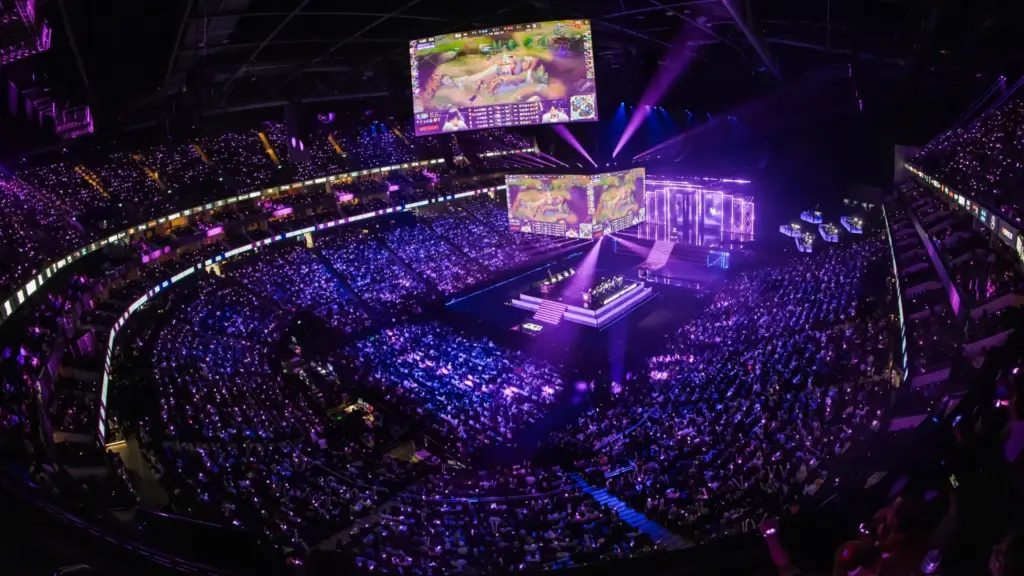
Esports is not merely a trend; it is a cultural phenomenon that has rapidly gained traction on a global scale. With vast audiences tuning in from various platforms, such as Twitch and YouTube, esports competitions draw in millions of viewers, establishing a unique intersection between gaming and entertainment. The structured nature of esports—complete with official leagues and tournaments—mirrors traditional sports, making it appealing to fans familiar with competitive play. By creating a framework that is at once accessible and thrilling, esports is redefining what it means to compete in today’s digital age.
As more players and fans engage with esports, the industry has expanded beyond gaming to encompass a vibrant ecosystem of content creators, community events, and competitive gameplay. For instance, esports tournaments not only contribute to spectator engagement but also create opportunities for player sponsorships and merchandise sales. The engagement level of viewers through live chats and social media interactions further enhances the community aspect, allowing for real-time discussion and shared experiences during events.
Frequently Asked Questions
What is the current status of esports growth worldwide?
Esports growth has been phenomenal, with the global audience surpassing 500 million viewers and continuing to rise. This exponential increase has made esports a significant part of the entertainment landscape, attracting fans, sponsors, and players alike.
What factors have contributed to the rise of esports tournaments?
The rise of esports tournaments is fueled by their competitive nature, large cash prizes, sponsorship deals, and the accessibility provided by streaming platforms like Twitch and YouTube Gaming, making esports competitions more popular than many traditional sports events.
What does the future of esports look like in terms of profitability?
The future of esports is promising, with industry revenue projected to reach nearly $1.5 billion by 2023, driven by sponsorships, media rights, and merchandise sales. This profitability is drawing more attention from traditional sports organizations and investors.
How are esports impacting traditional sports?
Esports are impacting traditional sports by blurring the lines between digital and physical competition, prompting many sports organizations to create their own esports leagues. This strategy helps them engage younger audiences and expand their fan base.
What are some potential careers in esports?
Esports offers diverse career opportunities beyond just professional gaming, including roles as coaches, analysts, casters, and content creators. Many universities now provide scholarships and academic programs focused on gaming and esports management, legitimizing these career paths.
How does the gaming community contribute to the growth of esports?
The gaming community plays a crucial role in the growth of esports by fostering engagement and participation. The enthusiasm of fans and players drives demand for competitions and influences the increasing popularity of streaming esports events.
What are the main types of esports competitions?
Main types of esports competitions include first-person shooters (like Counter-Strike), multiplayer online battle arenas (like League of Legends), and real-time strategy games (like Dota 2). These diverse formats appeal to a wide range of audiences and gamers.
How do esports tournaments compare to traditional sports events in terms of audience?
Esports tournaments are often drawing larger audiences than some traditional sports events, primarily due to their accessibility via live streaming and the engagement of younger demographics who are avid gamers.
What technological advancements are shaping the future of esports?
Technological advancements such as virtual reality (VR) and augmented reality (AR) are set to revolutionize how games are played and experienced, enhancing viewer engagement and participation in esports.
In what ways are brands investing in the esports industry?
Brands like Coca-Cola, Intel, and Red Bull are significantly investing in esports through sponsorships and partnerships, which help boost player salaries, tournament prize pools, and elevate the overall legitimacy of esports in the eyes of traditional sports entities.
| Key Points | Details |
|---|---|
| Definition of Esports | Organized, multiplayer video game competitions between professional players, featuring various game genres. |
| Growth of Audience | The global esports audience has surpassed 500 million and continues to grow, with platforms like Twitch and YouTube enhancing visibility. |
| Economic Impact | Projected revenue of nearly $1.5 billion by 2023 from advertising, sponsorships, and events. |
| Relationship with Traditional Sports | Traditional sports leagues are forming esports teams and leagues to engage younger audiences. |
| Career Opportunities | A diverse range of roles in esports, including players, coaches, analysts, and content creators, are available now. |
| Future Prospects | Advancements in technology promise to enhance gameplay and viewer engagement, solidifying esports’ position in the sports industry. |
Summary
Esports is undeniably reshaping the future of sport by transforming how competitions are perceived and conducted. As the industry gains popularity, it reflects a growing acceptance of digital competition as a legitimate sporting arena. The vibrant community of esports not only entertains millions but fosters a unique culture, connecting fans and players worldwide. With ongoing technological advancements, the future of esports holds immense potential, allowing for innovations that will continue to captivate audiences and redefine athletic competition.