Listen to this article
Esports have emerged as a dominant force in today’s competitive gaming landscape, captivating millions of fans worldwide and establishing themselves as a legitimate facet of the sports industry. With events that attract record-breaking viewership statistics, esports are reshaping how audiences engage with games, drawing parallels to traditional sports like soccer and basketball. As the gaming audience continues to grow, the evolution of esports leagues such as the NBA 2K League showcases the merging of digital and physical competition, sparking discussions about the future of sports. The remarkable growth of esports, driven by fan engagement and accessibility, highlights a shift in entertainment preferences that could redefine sports entertainment. Are esports the future of sports? This question invites us to explore their rapid ascent and what it signifies for the competitive gaming world and beyond.
Competitive gaming, commonly referred to as esports, represents a revolutionary shift in entertainment that engages vast audiences across different demographics. Unlike conventional forms of sports, these organized video game competitions captivate a younger generation that finds excitement in digital arenas. With the rise of various esports tournaments and leagues, the gaming community is making inroads into popular culture, creating a rich experience that mirrors that of established sports. The growth of such events points to a future where electronic sports are not just a niche but a widespread phenomenon comparable in stature to traditional athletic competitions. As we delve into this engaging topic, it’s essential to recognize the implications of this trend on viewership, sponsorship, and overall sporting dynamics.
The Explosive Growth of Esports
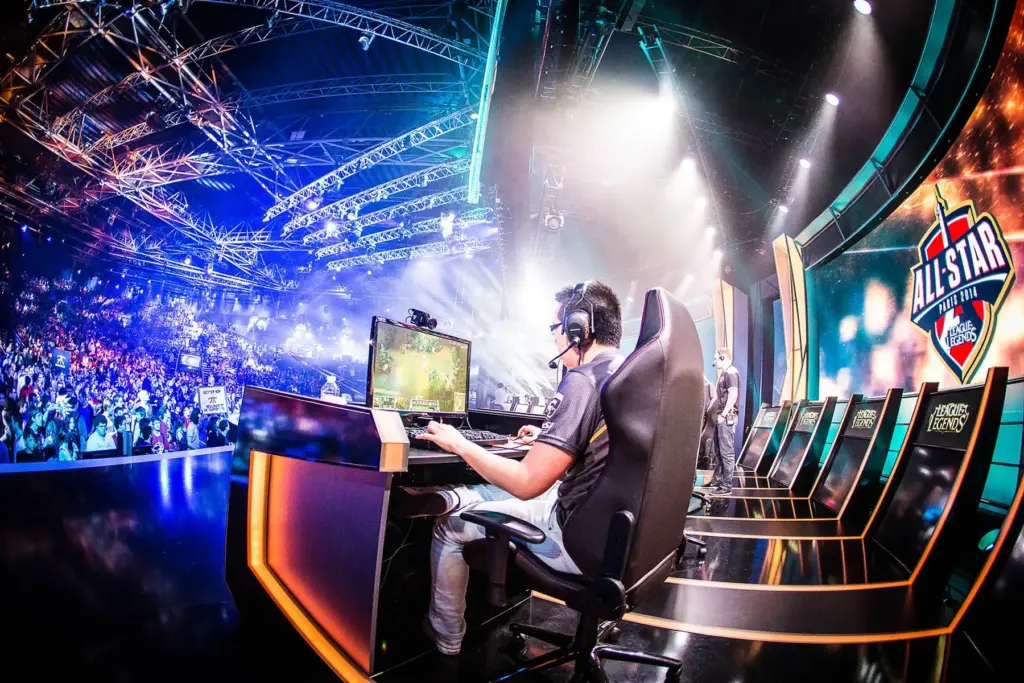
In recent years, esports has experienced a remarkable surge in popularity, transforming from a niche community into a global phenomenon. As technological advancements in online gaming and streaming have occurred, esports growth has been meteoric, captivating millions of fans worldwide. This growth is evident in viewership statistics, where major tournaments, such as the League of Legends World Championship, have consistently attracted audiences exceeding 100 million. This level of engagement signals that esports is no longer just a hobby but is genuinely becoming part of the larger sports narrative.
Moreover, the financial landscape of esports is equally impressive, with the industry projected to surpass $1.5 billion by 2023. This tremendous growth encompasses sponsorship deals, merchandise sales, and broadcast rights. Organizations are recognizing the potential in this sector, leading to an influx of investment from both traditional sports entities and tech companies alike. As competitive gaming continues to evolve, it presents an opportunity for fan engagement methodologies that traditional sports can learn from.
Frequently Asked Questions
What is the current growth trend of esports in relation to traditional sports?
Esports have experienced unprecedented growth in recent years, rivaling traditional sports in popularity and viewership. With the estimated esports market worth projected to exceed $1.5 billion by 2023, it’s clear that competitive gaming is becoming a major player in sports entertainment.
How do esports events engage a gaming audience compared to traditional sporting events?
Esports events engage the gaming audience through interactive platforms like Twitch, where fans can watch live gameplay, chat with players, and participate in community discussions. This level of engagement fosters a unique connection between players and fans, often exceeding that of traditional sports events.
What are some notable esports leagues that have emerged recently?
Notable esports leagues include the NBA 2K League, which connects traditional sports to competitive gaming, and franchises like the Overwatch League and League of Legends Championship Series, representing the growing professional scene in esports.
How are viewership statistics for esports changing the perception of competitive gaming?
Viewership statistics show that major esports events attract millions of viewers, sometimes surpassing traditional sports games in audience size. For example, the League of Legends World Championship consistently draws over 100 million viewers, indicating shifting perceptions of esports as a legitimate form of entertainment.
How is the gaming community contributing to the future of esports?
The gaming community plays a crucial role in shaping the future of esports by fostering passion, creativity, and innovation. Community-driven events and tournaments help sustain engagement, while online platforms enable grassroots movements that can elevate competitive gaming to new heights.
What impact does the growth of esports have on traditional sporting organizations?
The growth of esports has prompted traditional sporting organizations to explore integration opportunities, such as developing their own esports leagues, like the NBA 2K League. This partnership allows them to reach younger audiences and attract new fans drawn to competitive gaming.
How are family dynamics shifting with the rise of esports?
With the rise of esports, family dynamics are changing as parents and children engage in gaming together. Many families are now attending esports events or watching tournaments, creating shared experiences that bond different generations over a common interest in gaming.
What challenges does the esports industry face in establishing legitimacy?
The esports industry faces challenges such as the need for standardization, fair play policies, and combating stigma against gaming. Addressing concerns around player health, addiction, and social impacts is essential for gaining broader acceptance and legitimacy.
What role does fan engagement play in the success of esports?
Fan engagement is vital for the success of esports, as it drives viewership and community building. Interactive features, such as live chat during streams and social media connectivity, create a strong relationship between fans and esports events, enhancing loyalty and interest.
Will esports become a permanent fixture in the future of sports entertainment?
Given its rapid rise and integration with traditional sports, esports is poised to become a permanent fixture in the future of sports entertainment. As it continues to evolve and adapt, its presence is likely to complement traditional sports rather than compete against them.
| Key Points | Details |
|---|---|
| Understanding Esports | Esports refers to organized multiplayer video game competitions, with major titles like ‘League of Legends’ and ‘Fortnite’ generating significant revenue and viewership. |
| Appeal of Esports | Esports are accessible and cheap, allowing players to engage from home. Stream platforms increase fan interaction and community engagement. |
| Cross-Generational Appeal | Esports attract a diverse audience, breaking generational barriers and engaging demographics from kids to adults, including families. |
| Integration with Traditional Sports | Traditional sports organizations are creating their own esports leagues, merging traditional sports with esports while attracting overlapping audiences and sponsorships. |
| Future of Fans and Viewership | Esports tournaments attract millions of viewers, often outpacing traditional sports events, reflecting changing media consumption preferences among younger audiences. |
| Challenges Faced by Esports | The esports industry must address regulation, standardization, and public perception challenges, particularly regarding health concerns and gaming stigma. |
Summary
Esports are revolutionizing the landscape of sports entertainment, bridging gaps between traditional and electronic sports. Their rapid rise in popularity highlights a shift in how audiences engage with competitive gaming, making esports a crucial part of the future of sports. By addressing current challenges and embracing community dynamics, the esports industry is positioned to thrive alongside or even integrate with conventional sports, satisfying the evolving demands of fans across all generations.