
Listen to this article
E-sports have rapidly risen to prominence, reshaping the landscape of competitive gaming and attracting millions of fans around the globe. As this digital phenomenon continues to mature, it has begun to rival traditional sports in terms of viewership and engagement, particularly among younger audiences. The gaming community thrives on the excitement of e-sports tournaments, where players showcase their skills and strategic prowess in thrilling competitions. Notably, e-sports leagues have emerged, providing a structured environment for talent to flourish, reflecting the growth of the entire gaming industry. This transformation not only enhances youth engagement but also opens new avenues for sponsorship and commercial development within the realm of traditional athletics.
In the vibrant world of electronic sports, or competitive gaming, we are witnessing a remarkable change in how competition is perceived. Initially seen as a niche interest, this digital format has captured the attention of a diverse audience, driving engagement through spectacular e-sports tournaments. Labeled as the future of athletics, these leagues are creating a unique synergy between traditional sports and gaming, fostering a new generation of fans. With the expansion of the gaming industry’s reach, it becomes clear that activities often relegated to the realm of leisure now hold significant economic and cultural weight. As players strategize and compete in front of vast audiences, the line between conventional sports and electronic competitions continues to blur.
The Phenomenal Growth of E-Sports
E-sports has seen remarkable growth in the past decade, rapidly establishing itself as a significant player in the global sports ecosystem. With annual revenues soaring, major companies and institutions are now investing heavily in the competitive gaming landscape. This surge is not just limited to financial metrics; it also encompasses an expanding viewership that rivals traditional sports during peak events. For example, e-sports competitions gather millions of viewers worldwide, showcasing the industry’s potential to engage audiences at unprecedented levels.
Moreover, the growth of high-speed internet and widespread access to gaming platforms has led to an explosion of participation in e-sports tournaments. Gamers can easily join online leagues, making competitive gaming accessible to a broader audience than ever before. This inclusivity is one of the key factors behind the rapid growth and popularity of e-sports, appealing to a generation that values engagement and community connectivity.
E-Sports vs. Traditional Sports: A Parallel Evolution
The evolution of e-sports invites comparisons with traditional sports, as both arenas strive to captivate fans and foster community engagement. While traditional sports rely on physical abilities, e-sports thrives on strategy, quick reflexes, and mental acuity. This difference creates a unique environment where fans and gamers can appreciate the nuances of competition in different formats. As a result, the overlap of these two worlds can be witnessed through collaborations, such as e-sports leagues sponsored by traditional sports organizations.
By creating platforms that integrate elements from conventional sports, e-sports has successfully attracted not just gamers but also fans of traditional sports. An example can be seen in the recent collaboration between the NBA and various e-sports leagues. These initiatives help traditional sports tap into the vast gaming community, fostering interest and participation from young audiences attracted to competitive gaming.
Engaging the Youth through E-Sports
E-sports have emerged as a significant driver of youth engagement, captivating teenagers and young adults in ways that traditional sporting events often struggle to achieve. With approximately 74% of American teenagers identifying as gamers, e-sports provide an immersive experience that allows them to connect with their peers while indulging their passion for gaming. Competitive video gaming has become a platform through which young people can express themselves, as well as build valuable skills such as teamwork, critical thinking, and resilience.
Moreover, the community aspects of e-sports—with its online streaming, tournaments, and social gatherings—create an inclusive environment. Participants from diverse backgrounds come together to compete and celebrate their shared interests. As a result, brands are increasingly recognizing the importance of engaging with the youth through innovative marketing strategies tailored to resonate with the gaming community.
Economic Opportunities in the E-Sports Sector
The explosive growth of e-sports presents substantial economic opportunities across various sectors. As the industry approaches projected revenues of $1.6 billion, a multitude of new job opportunities are emerging. Professionals in production, marketing, event management, and community engagement are finding viable career paths in this booming landscape. This economic surge also includes a thriving ecosystem of sponsors, merchandise sales, and ticket revenues from e-sports tournaments, further reinforcing the industry’s financial viability.
Educational institutions are also responding to the demands of this new industry by developing e-sports programs and offering scholarships to talented gamers. This focus on career development not only elevates e-sports to a legitimate field of study but also prepares students for thriving careers in a rapidly evolving job market, bridging the gap between gaming passion and professional opportunity.
Inclusivity and Social Impact of E-Sports
E-sports stands out from traditional sports in its ability to foster inclusivity, welcoming participants from all walks of life regardless of gender, age, or physical ability. This opening up of competition allows every player to showcase their skills and compete on global platforms. The gaming community thrives on diversity, and this inclusivity encourages a positive social impact by connecting individuals through shared experiences.
As e-sports events increasingly serve as social gatherings, they enhance community engagement and provide opportunities for friendship beyond geographical barriers. Participants and viewers alike often connect over their favorite games, creating a culture that promotes collaboration and support, ultimately contributing to social cohesion among different groups of people.
The Integration of E-Sports and Traditional Sports
The integration of e-sports into traditional sports leagues marks a significant shift in how competition is viewed in modern society. Major sports organizations have begun to recognize the value of tapping into the massive audience of e-sports, leading to the formation of e-sports leagues associated with renowned franchises. For instance, the NBA’s establishment of the NBA 2K League serves to channel traditional sports fans’ interest into the realm of competitive gaming.
By creating joint ventures and co-branded events, traditional sports leagues are not only broadening their audience but also modernizing their approach to fan engagement. This remarkable crossover fosters a vibrant atmosphere that encourages creativity and innovation across both arenas, allowing traditional and e-sports to thrive through their newfound synergies.
E-Sports Tournaments: A New Spectacle for Fans
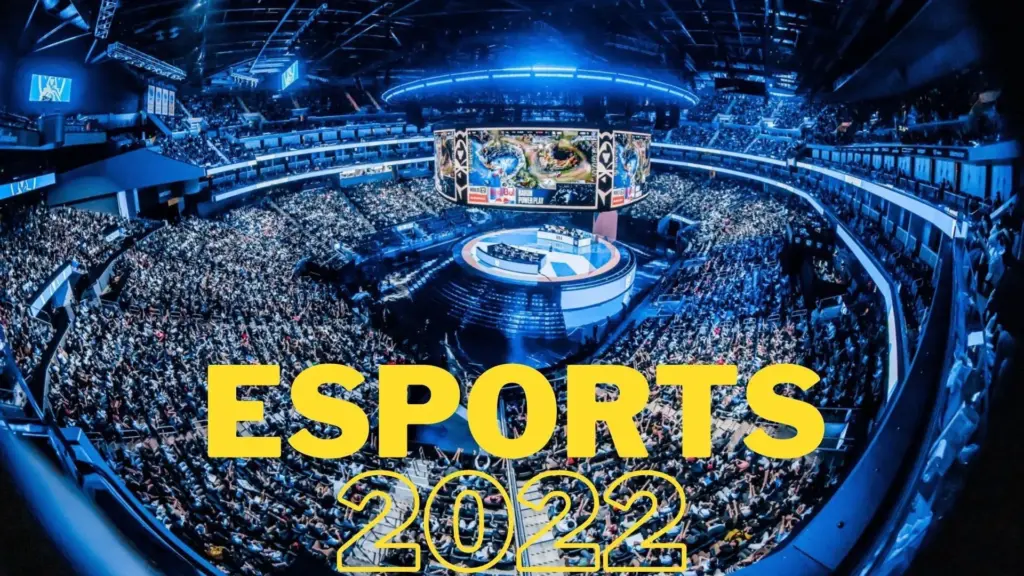
E-sports tournaments have evolved into grand spectacles drawing in streamer and audience participation rivaling that of major sporting events. These tournaments, such as The International or the League of Legends Championship Series, showcase some of the best talent in competitive gaming. Online and offline fans alike eagerly rally around teams and players, creating an electric atmosphere that captures the essence of competitive spirit, complete with commentary and live-streaming engagement.
The excitement of e-sports tournaments significantly enhances viewer experience through opportunities for interaction and engagement. Fans can cheer for their favorite teams, participate in discussions on social media, and even influence the outcome of events through player voting mechanisms. This level of fan interaction enriches the experience and reinforces a sense of belonging within the gaming community.
The Role of Technology in E-Sports Development
Technology plays a pivotal role in shaping the landscape of e-sports, driving innovation and engagement to unimaginable heights. High-speed internet, powerful gaming consoles, and advanced streaming technology have all contributed to a more accessible and engaging gaming experience. With platforms like Twitch and YouTube Gaming, players can showcase their skills and connect with fans globally, thus democratizing the industry.
Moreover, advancements in virtual reality (VR) and augmented reality (AR) are set to further elevate the e-sports experience for fans and players alike. The immersive nature of these technologies promises to blur the lines between the physical and digital, enhancing the engagement of viewers and providing a compelling argument for considering e-sports on par with traditional athletic competitions.
The Future of E-Sports: Unlimited Possibilities
As e-sports continues its rapid ascent, the future appears promising, filled with opportunities for both gamers and fans. With an audience that is continuously expanding, innovative marketing strategies are becoming crucial for brands looking to connect with this vibrant community. By embracing e-sports, brands can stay ahead of the curve, ensuring that their messaging resonates with younger audiences.
The ongoing evolution of e-sports suggests a future where both e-sports and traditional sports coexist and thrive. This hybrid approach could lead to unique competitive formats and joint events that bring together the best aspects of each realm. The potential for collaboration and integration is boundless, hinting at an exciting future for both traditional and e-sports within the American sports landscape.
Frequently Asked Questions
What are e-sports and how do they differ from traditional sports?
E-sports, or electronic sports, refer to organized, competitive gameplay of video games, often involving teams and tournaments. Unlike traditional sports, which emphasize physical attributes, e-sports focus on strategy, teamwork, and cognitive skills. This diversification of sports has broadened the definition of competition.
How have e-sports tournaments impacted the gaming community?
E-sports tournaments have significantly strengthened the gaming community by bringing players and fans together in a shared competitive environment. Events like The International offer massive cash prizes and attract millions of viewers, fostering a sense of belonging and excitement akin to traditional sports events.
What is the economic impact of the gaming industry growth related to e-sports?
The gaming industry growth is closely linked to e-sports, with revenues expected to exceed $1.6 billion by 2024. This expansion creates jobs in production, marketing, and community management, signifying economic potential comparable to traditional sports industries.
How do e-sports leagues function within the broader sports ecosystem?
E-sports leagues operate similarly to traditional sports leagues, featuring team-based competition, regular seasons, and championships. Organizations like the NBA have embraced this model by creating leagues like the NBA 2K League, which integrates digital engagement into their sports infrastructure.
What role does youth engagement play in the rise of e-sports?
Youth engagement is pivotal for e-sports, as younger generations, particularly Millennials and Gen Z, have shown a strong interest in competitive gaming. With studies indicating that 74% of U.S. teens identify as gamers, e-sports has become a dominant form of entertainment and social interaction for youth.
How do e-sports events compare to traditional sports events in terms of viewership?
E-sports events such as the League of Legends World Championship can garner millions of viewers, rivaling traditional sports in terms of audience size. This viewership indicates a shifting landscape where competitive gaming attracts a diverse demographic, similar to traditional sports.
In what ways are e-sports transforming advertising strategies in the gaming industry?
The rise of e-sports has led advertisers to modify their strategies to engage younger audiences through sponsorships and promotions directly tied to e-sports tournaments and games. This targeted approach capitalizes on the direct connection e-sports fosters within the gaming community.
What skills do players develop through participation in e-sports?
Players in e-sports develop a unique skill set, including teamwork, strategic thinking, and quick decision-making. These competencies are essential for success in competitive gaming and are comparable to skills developed by athletes in traditional sports.
How does e-sports promote inclusivity compared to traditional sports?
E-sports are inherently inclusive, allowing individuals of varying physical abilities, ages, and genders to participate. This open access creates a diverse gaming community, promoting social interaction and teamwork without the physical constraints often present in traditional sports.
What is the future outlook for e-sports and its integration with traditional sports?
The future of e-sports looks promising, with anticipated advancements in technology such as virtual reality and augmented reality enhancing spectator experiences. As e-sports continue to blend with traditional sports, they will create new opportunities and redefine the sports landscape.
| Key Point | Details |
|---|---|
| The Growth of E-Sports | Valued at over $1 billion in 2022, the e-sports market is rapidly expanding, supported by the rise of high-speed internet and platforms like Twitch. |
| Changing Perceptions | E-sports challenges traditional views of sports by highlighting strategy and skill rather than just physical prowess. |
| New Audience Engagement | Attracting Millennials and Gen Z, e-sports marketing strategies are tailored to younger demographics through immersive experiences. |
| Economic Impact | Projected revenues of $1.6 billion by 2024 indicate significant financial growth, creating job opportunities across various sectors. |
| Integration with Traditional Sports | Established sports leagues are forming partnerships with e-sports to engage digital fans and enhance audience experience. |
| Community and Inclusivity | E-sports fosters a diverse and inclusive environment, allowing participation irrespective of physical ability, thereby enhancing community interactions. |
| Future Perspectives | Advancements in VR and AR technology will enhance viewer engagement, continuing to bridge the gap between e-sports and traditional sports. |
Summary
E-Sports is rapidly changing the landscape of traditional sports as competition evolves and the lines between digital and physical experiences blur. With global market valuations soaring into the billions and increasing acceptance amongst traditional athletes and organizations, e-sports attract a new generation of fans eager for unique engagement. Gamers are not just participants; they are part of a burgeoning community that thrives on inclusivity and shared experiences. The economic implications are vast, providing fresh job opportunities and paving pathways for future developments in both the gaming and athletic worlds. As technology advances, e-sports will only grow more prominent, reshaping the future of competition and entertainment in American culture.

