
Listen to this article
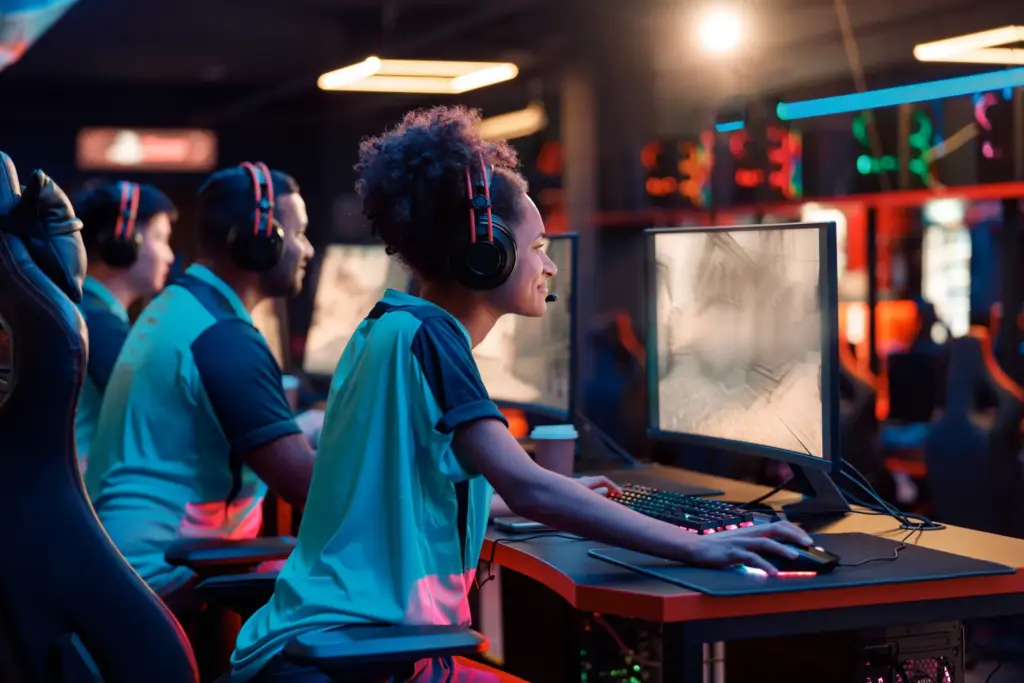
E-sport, a term that has rapidly gained traction in recent years, represents the exciting realm of competitive gaming where players face off in organized battles across a variety of video games. As the e-sport industry flourishes, it has transformed into a global phenomenon, drawing in millions of fans, participants, and sponsors alike. With the rise of gaming tournaments and video game competitions, competitive gaming has taken center stage, evolving from a niche hobby to a recognized sport. This shift has not only reshaped gaming culture but has positioned professional gaming as a viable career path for many talented players. In this article, we will delve into the remarkable journey of e-sports and explore its significant impact on the competitive landscape of sport and entertainment.
Often referred to as competitive gaming, this dynamic sphere encompasses various aspects of organized play and rivalry among players. At its core, e-sport thrives on the excitement of gaming matches, where individuals or teams compete for glory and significant prizes in a variety of formats. With a growing number of gaming tournaments and competitions, the landscape of interactive entertainment has evolved tremendously over the years. The emergence of these video game contests has fostered a unique gaming culture, where participants and audiences alike rally around their favorite titles and players. As we explore this fascinating world, we will uncover the forces that have propelled this extraordinary form of entertainment into the mainstream.
Understanding the Basics of E-Sports
E-sports, a term that has garnered immense popularity in recent years, refers to competitive video gaming, where players from around the world participate in organized tournaments. These events can range from small local competitions to significant international championships, showcasing games across various genres. Notably, the type of gaming involved includes multiplayer online battle arenas (MOBAs), first-person shooters (FPS), and real-time strategy games (RTS), among others. Players often team up to compete against each other, vying for glory and considerable monetary rewards.
The essence of e-sports lies in its competitive framework, akin to traditional sports. Players must not only master their skills but also understand the nuances of teamwork and strategy. Many individuals start their journey in casual gaming, gradually shifting to competitive play as they seek improvement and recognition. This transition emphasizes the dedication required in the gaming world, showcasing similarities between competitive gaming and professional sports.
The Evolution of Competitive Gaming
The beginnings of competitive gaming can be traced back to the 1970s, yet it truly gained momentum with the rise of the internet. Over the years, gaming has evolved from simple arcade competitions to dynamic tournaments watched by millions. Significant milestones such as the release of influential games like Street Fighter and StarCraft served as a catalyst that propelled e-sports into the public eye. By the early 2000s, platforms such as Major League Gaming began organizing competitions, bringing organization and structure to what was previously a more informal landscape.
As aimlessly playing games transformed into structured competitions, the gaming industry began to take notice. Event organizers started to implement more significant sponsorships, drawing in big corporations eager to market themselves to a young, tech-savvy audience. This change not only improved the quality of tournaments but also contributed to the growth of a professional ecosystem around competitive gaming, marking the transition from hobbyist gatherings to serious events attracting elite players and significant prize pools.
Technological Drivers of E-Sports Growth
Advancements in technology have played a critical role in the rise of e-sports, significantly enhancing both game development and player experience. With the advent of high-speed internet and sophisticated gaming hardware, players can enjoy seamless online matches that are crucial for competitive play. The introduction of high-definition graphics, virtual reality, and advanced artificial intelligence has transformed how games are developed, offering rich environments for players to engage in complex strategies.
In addition, streaming platforms like Twitch and YouTube Gaming have changed the landscape for gamers, allowing fans to watch live tournaments or stream their gameplay. These platforms create opportunities for gamers to build brands around their skills, attracting sponsorships and fan engagement. The ability for players and fans to connect in real-time has revolutionized the culture of gaming, transforming casual spectators into informed fans who follow their favorite teams and players.
The Rise of Major E-Sports Tournaments
Today, e-sports tournaments like The International (Dota 2) and the League of Legends World Championship have become monumental events, drawing in millions of viewers both online and in arenas. With prize pools often exceeding several million dollars, these competitions showcase the pinnacle of gaming talent and strategy. The accessibility of streaming platforms allows fans from all around the globe to tune in, turning these competitive events into global spectacles rivaling traditional sports championships.
Such tournaments not only highlight individual and team skill but also foster a deep sense of community among fans. The shared experience of watching these events live creates a vibrant culture of excitement and camaraderie. Fans often engage in pre- and post-game discussions, create fan art, and even participate in fantasy leagues, deepening their connection to the e-sports scene and ensuring its growth for years to come.
E-Sports and Its Cultural Impact
The impact of e-sports extends far beyond gaming; it influences various aspects of mainstream culture, including music, fashion, and social interactions. High-profile gaming events have attracted major musical artists to perform at tournaments, blurring the lines between gaming and entertainment. Collaborations between fashion brands and gaming franchises have also emerged, leading to unique merchandise that resonates with both gamers and fashion enthusiasts.
Additionally, the rise of e-sports has led to increased acceptance of gaming as a legitimate career option. As players achieve fame and financial success, traditional societal views of gaming as a trivial pastime are rapidly changing. Young people now aspire to become professional gamers, fully aware of the dedication and skills required to succeed in competitive gaming. Such trends have paved the way for initiatives promoting diversity and inclusion within gaming communities, further enriching the e-sports culture.
Bridging Traditional Sports and E-Sports
The convergence of traditional sports and e-sports has become increasingly evident as teams from various leagues explore the potential of competitive gaming. This strategy offers traditional sports franchises the opportunity to reach younger audiences who engage with gaming on different platforms. Many teams have established their own e-sports divisions, promoting both physical sports and digital competitions.
This partnership is mutually beneficial: traditional sports gain fresh engagement avenues, while e-sports acquires established brand recognition and revenue opportunities. Companies such as ESPN, often associated with conventional sports broadcasting, have started covering major e-sports events, indicating a significant shift in how competitive gaming is perceived by the wider public. Such integration is likely to further drive the growth of e-sports within mainstream sports culture.
The Role of Streaming Platforms in E-Sports
Streaming platforms have become a backbone of the e-sports ecosystem, making it easier for viewers from all walks of life to engage with their favorite games and players. Platforms like Twitch have revolutionized how people consume gaming content, allowing users to interact directly with streamers via chats, create communities, and participate in real-time discussions. This level of interaction creates a fan-centric culture, wherein spectators feel a personal connection to the players and events they follow.
Furthermore, many aspiring e-sports players utilize these platforms to showcase their skills to a broader audience, often leading to opportunities for sponsorship and professional growth. The ability to build a personal brand through gameplay streams has resulted in a new wave of professional gamers emerging largely from online communities. This highlights the critical relationship between content creation and competitive gaming, solidifying the integral role of streaming in the e-sports world.
Future Trends in E-Sports Development
As e-sports continues to evolve, several trends indicate a promising future for competitive gaming. For instance, the incorporation of artificial intelligence and machine learning into game design is allowing developers to create more engaging and responsive gaming environments, enhancing the competitive experience. Also, the introduction of new formats, such as the expansion of mobile e-sports, caters to a wider range of players and spectators, reflecting the accessibility of mobile gaming.
Additionally, partnerships with educational institutions highlight the growing recognition of e-sports as a viable career path. Universities now offer scholarships for e-sports athletes, emphasizing the significant skills and strategic thinking involved in professional gaming. This trend underscores the transition of e-sports from mere entertainment to a respected discipline within academia, paving the way for further legitimacy and development in the competitive gaming landscape.
The Community Aspect of E-Sports Culture
The community surrounding e-sports is one of its most compelling aspects, fostering relationships and support systems among players and fans. Online forums, social media groups, and community events allow individuals to connect over shared interests, promoting collaboration and camaraderie. These platforms facilitate discussions about strategies, tournament experiences, and personal gaming journeys, creating a rich environment for learning and engagement.
Beyond gaming, e-sports communities have also taken active stances on social issues, advocating for inclusivity and diversity within the gaming scene. Events, like charity tournaments and inclusive gaming initiatives, highlight the potential for gaming to serve as a force for positive change. By cultivating a supportive environment, the e-sports community continues to grow, fostering connections that extend beyond the screen.
Frequently Asked Questions
What are e-sports and how do they relate to competitive gaming?
E-sports, or electronic sports, refer to organized, multiplayer video game competitions, often involving professional players. They are a major facet of competitive gaming, encompassing a variety of games and genres, including action, strategy, and sports simulations. E-sports have risen to prominence as a legitimate form of competition, attracting large audiences and significant investment.
How did e-sports become popular in gaming culture?
E-sports gained popularity in gaming culture due to its increasing accessibility, thanks to technological advancements like high-speed internet and powerful gaming hardware. The rise of streaming platforms such as Twitch and YouTube allowed fans to engage with tournaments and professional players, creating a vibrant community that celebrates competitive gaming.
What are some major gaming tournaments in the e-sports world?
Major gaming tournaments in the e-sports world include The International for Dota 2 and the League of Legends World Championship. These events feature multi-million dollar prize pools and attract top-tier talent from across the globe, showcasing the competitive spirit of e-sports to millions of viewers.
How do professional gaming teams operate in e-sports?
Professional gaming teams in e-sports operate similarly to traditional sports teams, consisting of skilled players who compete in tournaments. These teams often have coaches, analysts, and support staff, and are backed by sponsorships from major corporations and brands, boosting the legitimacy of competitive gaming.
What is the role of streaming platforms in the rise of e-sports?
Streaming platforms like Twitch and YouTube have played a crucial role in the rise of e-sports by providing a space for fans to watch live competitions and interact with players. This accessibility has boosted audience engagement and helped cultivate a diverse and engaged community around competitive gaming.
What impact does e-sports have on traditional sports?
E-sports has significantly impacted traditional sports by blurring the lines between physical competitions and digital gaming. Many sports franchises now invest in e-sports, establishing their teams, thus recognizing the legitimacy of competitive gaming and appealing to a broader audience.
How is e-sports viewed as a career option?
E-sports is increasingly seen as a viable career option, with professional players earning substantial salaries through tournament winnings, sponsorships, and streaming revenue. Additionally, universities are now offering scholarships for e-sports athletes, highlighting its recognition as a legitimate field.
What trends are shaping the future of e-sports?
The future of e-sports is being shaped by new formats, developments in technology such as virtual and augmented reality, and greater integration into educational institutions. These trends are expected to enhance the gaming experience and further legitimize competitive gaming as a respected field.
How does e-sports foster community among players and fans?
E-sports fosters community among players and fans through online forums, social media, and team formations. These platforms allow for collaboration, strategizing, and the creation of friendships among players, creating a strong sense of belonging within the competitive gaming culture.
What educational opportunities are emerging from the e-sports landscape?
As e-sports gains legitimacy, educational opportunities are emerging, including degrees and courses focused on game design, management, and marketing within competitive gaming. This academic recognition emphasizes the skill and dedication required for success in the e-sports industry.
| Key Factor | Description |
|---|---|
| Minimalist Beginnings | E-sports began as early as the 1970s, but gained popularity in the late 1990s and early 2000s with games like StarCraft and Counter-Strike. |
| Technological Advancements | High-speed internet and powerful gaming devices have expanded access to e-sports, while platforms like Twitch enable large audiences to engage. |
| Mainstream Acceptance | E-sports is now recognized as a legitimate competitive arena with investment from sports franchises, corporations, and celebrities. |
| Major Tournaments and Global Reach | Events like The International and League of Legends World Championship draw large viewership and feature significant prize pools. |
| Community and Cultural Impact | E-sports communities foster strong connections among players and fans, influencing trends across music and fashion. |
| The Future of E-Sports | E-sports will continue to integrate into daily life, with universities offering scholarships and advancements in VR/AR altering the competition landscape. |
Summary
E-sport has rapidly emerged as a dominant force in the realm of gaming and entertainment. Tracing its evolution from simple competitions to a thriving, multifaceted industry, e-sport represents the convergence of technology, culture, and competitive spirit. With a diverse global audience and significant financial backing, e-sport is not only changing perceptions of gaming but also shaping new pathways for aspiring players and fans alike. As we look to the future, the impact and evolution of e-sport promise to create even more engaging experiences and opportunities in the world of competitive gaming.

