Listen to this article
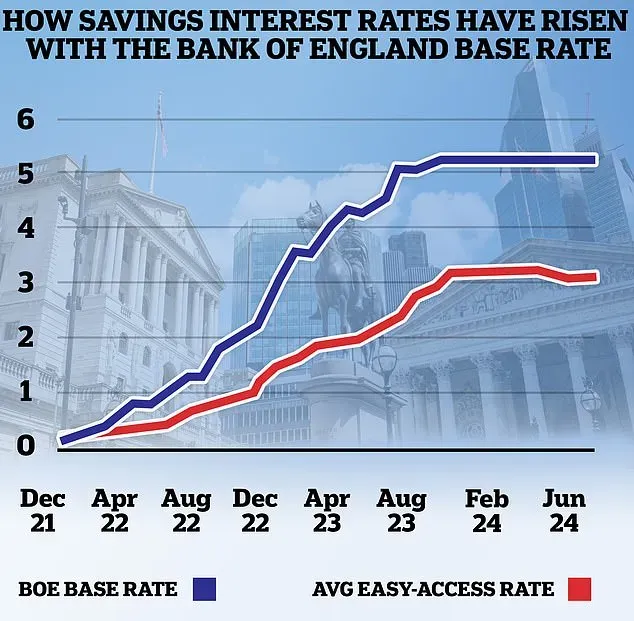
The Bank of England interest rate mortgage impact is a critical issue for anyone involved in the housing market or considering a mortgage. Recent shifts in interest rates have significant implications for mortgage affordability, reshaping monthly payments and overall borrowing costs. When the Bank of England modifies its base rate, it creates a domino effect across lenders, adjusting mortgage rates and influencing potential homebuyers’ decisions. This interplay between interest rates, economic conditions, and housing market dynamics underscores the importance of understanding how these elements interconnect. By closely monitoring the Bank of England’s actions, individuals can better navigate their mortgage options in an ever-changing financial landscape.
Examining the effects of the Bank of England’s adjustments to its base rate reveals a nuanced impact on home loans and the broader property market. The relationship between prevailing interest rates and borrowing expenses critically shapes the decisions of prospective buyers and current homeowners alike. As economic climates fluctuate, the consequences of these rate changes ripple through the housing sector, affecting everything from buyer demand to property values. Understanding the varying dynamics surrounding mortgage costs and economic influences is essential for those wishing to make informed real estate investments. Consequently, it is vital for all mortgage seekers to grasp the relationship between interest rate trends and their long-term financial implications.
Understanding the Bank of England’s Role in Interest Rates
The Bank of England (BoE) plays a critical role in shaping the financial landscape of the UK, particularly in the context of interest rates. Its primary function includes setting the base interest rate, which serves as a benchmark for all other rates, including mortgage rates. Consequently, any adjustments in the base rate can have extensive repercussions for consumers and the economy at large. By increasing the base rate, the BoE aims to curb inflation, while lowering rates can stimulate borrowing during economic slowdowns. Understanding this mechanism is essential for anyone involved in the housing market, as it directly influences mortgage affordability and purchasing power.
Moreover, the decisions made by the BoE are closely monitored by economic analysts and can trigger immediate reactions within the housing market. For instance, when reports suggest a likely increase in interest rates, lenders may preemptively raise their mortgage rates to align with anticipated changes. This can create a sense of urgency among potential homebuyers to secure favorable mortgage terms before rates rise, further illustrating the interconnectedness of the Bank of England’s policies and the wider housing market dynamics.
The Ripple Effect of Rising Mortgage Rates
Rising mortgage rates have a ripple effect not just on individual borrowers but on the broader housing market as well. When the Bank of England raises interest rates, new borrowers will find themselves facing higher monthly payments, which can substantially affect their purchasing decisions. Sellers may also need to adjust their expectations since fewer buyers will be able to afford their properties. This slowdown in demand may result in a depreciation of home values, impacting homeowners’ equity and potentially stalling the housing market.
In addition to affecting buyers and sellers, rising mortgage rates can also lead to increased financial strain on current homeowners with variable-rate mortgages. As their payments rise, many may feel compelled to sell their properties, further contributing to market oversupply. This increased competition can push home prices down, making it even more challenging for potential buyers to enter the market, thereby perpetuating the cycle of decreased housing demand.
How Economic Conditions Influence Mortgage Rates
The relationship between economic conditions and mortgage rates is crucial for understanding the housing market’s fluctuations. When the economy is performing well, characterized by low unemployment and robust consumer spending, the Bank of England often raises interest rates to manage inflation. As a result, higher rates can lead to increased borrowing costs, prompting a slowdown in housing market activity as potential buyers reconsider their financial commitments.
On the contrary, during periods of economic downturn, the Bank of England may opt to lower interest rates to stimulate growth. Lower rates make borrowing cheaper, thus encouraging individuals to take out loans and invest in real estate. This dynamic illustrates how economic conditions significantly inform the strategies employed by the Bank of England, ultimately influencing mortgage rates and the affordability of homeownership.
Navigating Homebuying in a High-Interest Rate Environment
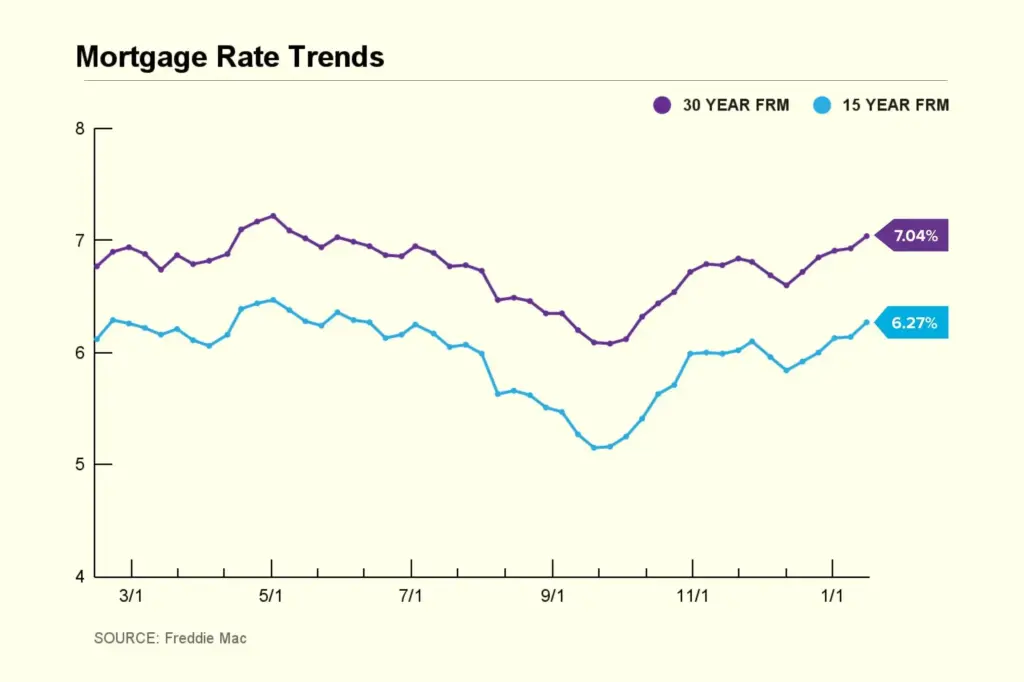
For potential homebuyers, navigating a high-interest rate environment can be complex and daunting. With the Bank of England’s recent rate hikes, buyers must approach their mortgage options with caution and strategy. Understanding how rising interest rates affect monthly payments is paramount in determining affordability. The potential for increased costs can lead many buyers to reconsider their budgets, thus impacting their home search and overall financial planning.
Moreover, this environment necessitates that buyers become more proactive in their search for competitive mortgage options. Many lenders may introduce various deals and incentives to attract customers, even amid higher base rates. By shopping around and comparing offers, potential buyers can find solutions that mitigate the impact of rising rates and enhance their chances of securing a suitable mortgage.
Exploring Mortgage Products During Rate Changes
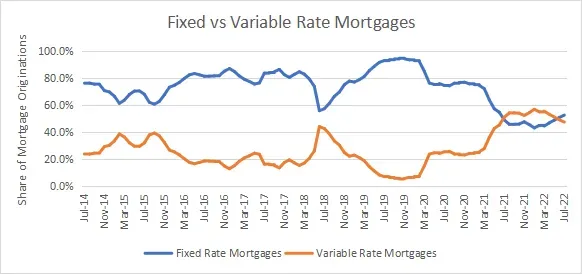
When interest rates are on the rise, it’s essential for borrowers to explore various mortgage products available in the market. Fixed-rate mortgages can provide stability and predictability throughout the loan’s term, which may be desirable in times of volatility. Conversely, variable-rate mortgages may offer lower initial payments, yet they carry the risk of increases as interest rates fluctuate. Understanding these options is critical for making informed decisions based on one’s risk tolerance and long-term financial goals.
Additionally, borrowers might consider shorter-term loans as a way to mitigate risks associated with rising interest rates. These products typically come with lower overall interest costs and can allow borrowers to refinance before potential rate increases become significant. Ultimately, working closely with mortgage advisors is invaluable, as they can provide tailored insight into available products and guide borrowers through the complexities of selecting the right mortgage in a changing economic climate.
The Future of the Housing Market Amidst Interest Rate Changes
Looking ahead, the future of the housing market is intricately tied to the Bank of England’s interest rate decisions and the prevailing economic landscape. As rates rise, the housing market may face significant adjustments, with potential declines in property values and changing buyer behavior. Homebuyers, particularly first-timers, could find it increasingly challenging to enter the market, leading to a potential shift in demographics of homeownership.
Conversely, if the economy shows signs of improvement, leading to a reduction in interest rates, the housing market could rebound. Such changes may restore buyer confidence and foster a renewed interest in home purchases, thereby invigorating the market. However, the uncertainties surrounding economic fluctuations and interest rate policies will play a fundamental role in shaping future trends, emphasizing the need for ongoing analysis and adaptation by buyers and investors alike.
Frequently Asked Questions
How do Bank of England interest rate changes affect mortgage rates?
Changes in the Bank of England’s interest rates directly impact mortgage rates. When the BoE increases its base rate, lenders typically raise their mortgage rates, resulting in higher borrowing costs for new and existing borrowers alike.
What is the impact of rising interest rates on the housing market?
Rising interest rates can lead to decreased housing demand as potential buyers may reconsider their purchasing decisions due to higher borrowing costs. This shift can cause home prices to stabilize or decline as sellers adjust to the market dynamics.
How do economic conditions influence the Bank of England’s interest rate decisions?
The Bank of England uses interest rates to manage economic conditions. For instance, low growth or high inflation might prompt the BoE to lower or raise rates, impacting mortgage rates and subsequently affecting the housing market.
What should homebuyers consider when interest rates are increasing?
Homebuyers should assess their financial situation closely when interest rates rise. Locking in a fixed-rate mortgage can mitigate the impact of future rate hikes, while understanding overall borrowing costs is essential for informed decision-making.
What role does creditworthiness play in determining mortgage rates amid BoE interest rate changes?
Creditworthiness significantly affects the mortgage rates offered to borrowers. Even when the Bank of England raises its base rates, individuals with strong credit profiles may secure better rates, influencing their borrowing costs.
How can homeowners prepare for potential increases in mortgage rates?
Homeowners can prepare by regularly reviewing their finances, creating budgets that account for potential payment increases, and consulting with financial advisors to develop strategies that can mitigate the impact of rising interest rates.
| Key Points | Details |
|---|---|
| Role of the Bank of England | The BoE sets interest rates to manage inflation and promote economic growth. |
| Impact on Mortgage Rates | Increased interest rates lead to higher mortgage rates for new and existing borrowers. |
| Rising Borrowing Costs | A 1% increase can significantly raise the total repayment on a mortgage over its term. |
| Influencing Factors | Economic conditions, lender competition, and individual creditworthiness affect mortgage pricing. |
| Effect on Housing Demand | Higher mortgage rates can reduce buyer interest, impacting home prices and seller strategies. |
| Advice for Borrowers | Consider locking in rates, regularly assess finances, and consult with financial advisors. |
Summary
The Bank of England interest rate mortgage impact is profound, as changes in interest rates directly influence mortgage affordability and the housing market dynamics. When the Bank of England adjusts interest rates, both new and existing borrowers feel the effects through altered mortgage rates and increased borrowing costs. This ripple effect can lead to decreased housing demand as potential buyers may hesitate due to higher mortgage payments, while current homeowners may struggle to manage rising costs. Being proactive through strategies like securing fixed-rate mortgages and maintaining good financial health is crucial for navigating the mortgage landscape amid fluctuating interest rates.