Listen to this article
Credit card interest rates play a pivotal role in shaping your financial landscape, influencing everything from everyday purchases to debt management strategies. Understanding these rates is essential for maintaining good financial health and making informed decisions about personal finances. Low interest rates can significantly reduce the overall cost of borrowing, especially for those who may carry a balance month-to-month. Conversely, high interest rates can lead to mounting credit card debt, making repayment a daunting task. In this blog, we will delve into the advantages and disadvantages of both low and high credit card interest rates, equipping you with the knowledge to navigate your financial journey effectively.
When evaluating the landscape of credit options, terms such as APR and borrowing costs are paramount. Rates associated with credit accounts can either facilitate sound financial planning or contribute to overwhelming debt. An exploration of low and high rates highlights how they affect individuals’ practices in managing credit card debt and maximizing rewards programs. Understanding these key financial variables can significantly influence one’s credit score and overall fiscal well-being. By comparing these differing interest structures, consumers can better align their financial strategies with their personal needs.
Understanding the Impact of Credit Card Interest Rates
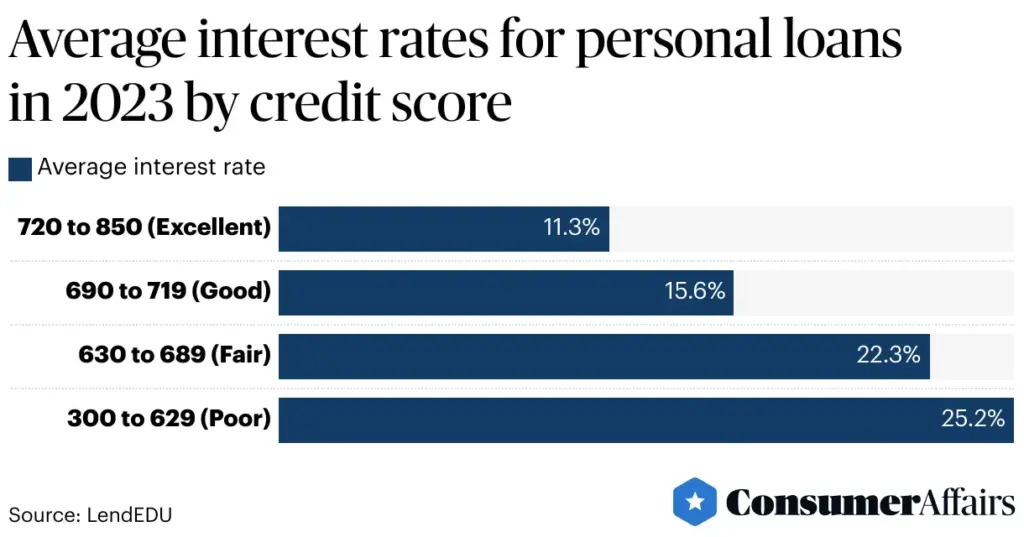
Credit card interest rates play a fundamental role in our financial landscape, serving as a critical factor in personal finances management. When carrying a balance, these rates directly influence how much you will pay over time, affecting your overall financial health. A higher interest rate can quickly accelerate debt accumulation, making it more difficult to become debt-free. Conversely, low interest rates can allow consumers to save considerable amounts on interest payments. For instance, if you have a credit card with a 20% APR versus one at 10%, the difference over time can be substantial, turning manageable credit into a potentially crippling financial burden.
Understanding how credit card interest rates work is essential for effective credit card debt management. The annual percentage rate (APR) indicates the cost of borrowing; thus, a lower APR means lower interest charges on any outstanding balances. This understanding empowers consumers to make informed decisions about which credit cards to use and how to structure their payments. By comparing interest rates, utilizing credit responsibly, and prioritizing payments on high-interest debts, individuals can maintain a finer grip on their financial health.
The Pros of Low Credit Card Interest Rates
Low credit card interest rates come with numerous advantages that can greatly enhance financial management. The most significant benefit is the reduced cost of borrowing, allowing customers to make necessary purchases without accumulating excessive debt over time. For instance, if you need to finance a car repair or unexpected medical expenses, a low APR can reduce the interest you will pay, making payments more manageable. This gives individuals greater peace of mind, knowing their finances are under control without the burden of high-interest charges.
Furthermore, low interest rates provide more flexibility in repayment options, thereby facilitating easier debt management. Credit cards with lower APRs often come with promotional offers that allow for zero-interest financing on new purchases or balance transfers. Taking advantage of such opportunities can prevent borrowers from getting trapped in spiraling credit card debts. Individuals are likely to approach credit with more confidence, knowing they can pay off their balances without exhausting their personal finances.
The Drawbacks of Low Credit Card Interest Rates
While there are many benefits to low credit card interest rates, they also come with potential disadvantages that borrowers should consider carefully. Many low-interest credit cards require higher annual fees and additional costs, which can neutralize the benefits of their lower APRs. Consumers should perform a thorough analysis of both the interest rates and any pertinent fees before making a decision. Ignoring these details can lead to miscalculations in total borrowing costs.
Another constraint often faced by prospective cardholders is the stringent eligibility requirements associated with low-interest credit cards. Individuals with lower credit scores may struggle to qualify for these cards, which can lead them to rely on higher-interest options that can exacerbate their financial strain. Additionally, many low-interest cards tend to limit rewards programs, thus not catering to those looking to maximize benefits from their purchases.
High Credit Card Interest Rates: The Upsides
High credit card interest rates, while generally perceived negatively, can still offer distinct advantages for savvy users. For those who consistently manage to pay off their balance in full each month, high-interest cards often come bundled with generous rewards programs. This allows individuals to earn significant points, cash back, or travel perks without worrying about the costs typically associated with credit card debt. Maximizing rewards can enhance personal finances, particularly for frequent travelers or those who rely on cashback for everyday purchases.
Moreover, high-interest credit cards can come with enticing promotional offers, such as introductory 0% APR balance transfers or sign-up bonuses. These advantages allow users to leverage their credit wisely, ensuring they can make the most of their expenditures while minimizing immediate interest liabilities. For consumers looking to manage cash flow during emergencies, high-interest credit options can provide instant access to funds that are vital for urgent needs.
Navigating the Downsides of High Credit Card Interest Rates
Despite the advantages associated with high credit card interest rates, the many disadvantages cannot be ignored. The most glaring issue is the substantially increased cost of borrowing, which can lead to significant debt for those who carry a balance. Once high-interest debt accumulates, the path to financial recovery can become daunting, with monthly payments representing a notable strain on budgets. Managing debt effectively becomes paramount in preventing financial crises.
Another concern is the potential for spiraling debt. If individuals incur unexpected expenses while using high-interest cards without management strategies, they may find themselves trapped in a cycle of increasing payments. Financial stress can significantly impact overall well-being, ultimately jeopardizing long-term objectives such as purchasing a home or saving for retirement. Therefore, understanding the implications of high-interest credit is critical for sustainable financial health.
Choosing the Right Credit Card for Your Needs
When selecting the right credit card, consumers should assess their spending habits and repayment capabilities carefully. Those who carry balances regularly would benefit more from low credit card interest rates to avoid the compounding costs associated with high rates. Assessing your current financial position and understanding projected expenses is vital to making an informed choice that aligns with personal finances.
On the other hand, if you are diligent about paying off your balance in full each month, a high-interest credit card may offer advantageous rewards programs that could enhance your financial portfolio. Evaluating the benefits versus drawbacks, such as potential fees and interest rates, will ensure you select a card that offers the most value while supporting your financial goals. Conducting thorough research can reveal which credit card option aligns best with your personal finances and overall financial health.
Frequently Asked Questions
What are the benefits of low credit card interest rates?
Low credit card interest rates can significantly reduce the cost of borrowing. They make debt management easier for individuals who carry a balance, allowing for more flexible repayment options and improved financial health. Additionally, low interest rates can encourage responsible credit card use by making repayments more manageable.
How do high credit card interest rates affect credit card debt management?
High credit card interest rates can complicate credit card debt management, as they typically lead to higher costs for borrowing. If not managed carefully, high interest rates can result in escalating debt and financial stress, making it challenging to keep up with payments and maintain a good credit score.
Can low-interest credit cards still offer rewards programs?
Many low-interest credit cards offer limited rewards programs compared to high-interest counterparts. While they may not provide extensive rewards, some low APR cards still featuring basic cashback or points systems can reward responsible spending without the burden of high interest.
What should I consider when choosing a credit card with low interest rates?
When selecting a credit card with low interest rates, consider factors like potential fees, eligibility requirements related to your credit score, and whether the card offers promotional rates. Assessing these elements will help ensure that the card aligns with your personal finances and needs.
Do high credit card interest rates provide any advantages?
Yes, high credit card interest rates can offer advantages such as generous rewards programs and promotional offers, like sign-up bonuses or introductory 0% APR. These benefits can be appealing to individuals who pay their balances in full each month, minimizing the impact of high interest.
How can credit card interest rates impact my financial health?
Credit card interest rates play a crucial role in financial health as they directly affect borrowing costs, debt management, and overall spending habits. High-interest rates can lead to spiraling debt, while low-interest rates can facilitate better financial planning and encourage responsible credit use.
| Key Points | |
|---|---|
| Credit Card Interest Rates Explained | The impact of credit card interest rates on personal finance. |
| Pros of Low Interest Rates | 1. Lower cost of borrowing 2. Easier debt management 3. More flexible repayment options 4. Encourages responsible credit use 5. Improved financial planning |
| Cons of Low Interest Rates | 1. Potential fees 2. Stringent eligibility requirements 3. Limited rewards programs 4. Temporary promotional rates |
| Pros of High Interest Rates | 1. Generous rewards programs 2. Attractive promotional offers 3. Easier access to credit 4. Flexibility in cash flow |
| Cons of High Interest Rates | 1. Increased borrowing costs 2. Risk of spiraling debt 3. Financial stress under high rates 4. Limited options for new credit users |
Summary
Credit card interest rates play a pivotal role in personal finance management. Understanding the implications of both low and high interest rates can empower consumers to make better choices regarding their credit. Low interest rates can save money on borrowing costs and facilitate easy debt management, while high interest rates often come with attractive rewards and promotional offers for savvy users who can pay balances in full. Ultimately, the choice between low and high credit card interest rates should align with individual spending habits and financial goals, ensuring informed decisions lead to enhanced financial health.