
Listen to this article
Business sustainability is essential in today’s evolving marketplace, where consumers place increasing importance on eco-friendly practices. Companies are now challenged to not only drive profits but also engage in sustainable business practices that respect the planet and society. As the demand for corporate responsibility grows, understanding the importance of sustainability becomes crucial for survival and success. This blog will delve into the significance of embracing business sustainability, along with practical tips for going green. By adopting these green business tips, companies can not only enhance their reputation but also contribute positively to the environment.
In the realm of corporate responsibility, the concept of sustainable enterprise is gaining momentum as businesses seek to align their operations with environmental stewardship. Practices that prioritize ecological integrity and social equity are increasingly recognized as key facets of running a successful operation. The shift towards environmental consciousness not only addresses consumer expectations but also nurtures innovation and market differentiation. As the narrative of going green evolves, it becomes ever more evident that businesses must engage with their communities and ecosystems for enduring success. This exploration will guide you through the avenues of integrating sustainability into your business model and the myriad benefits it brings.
Understanding the Essence of Business Sustainability
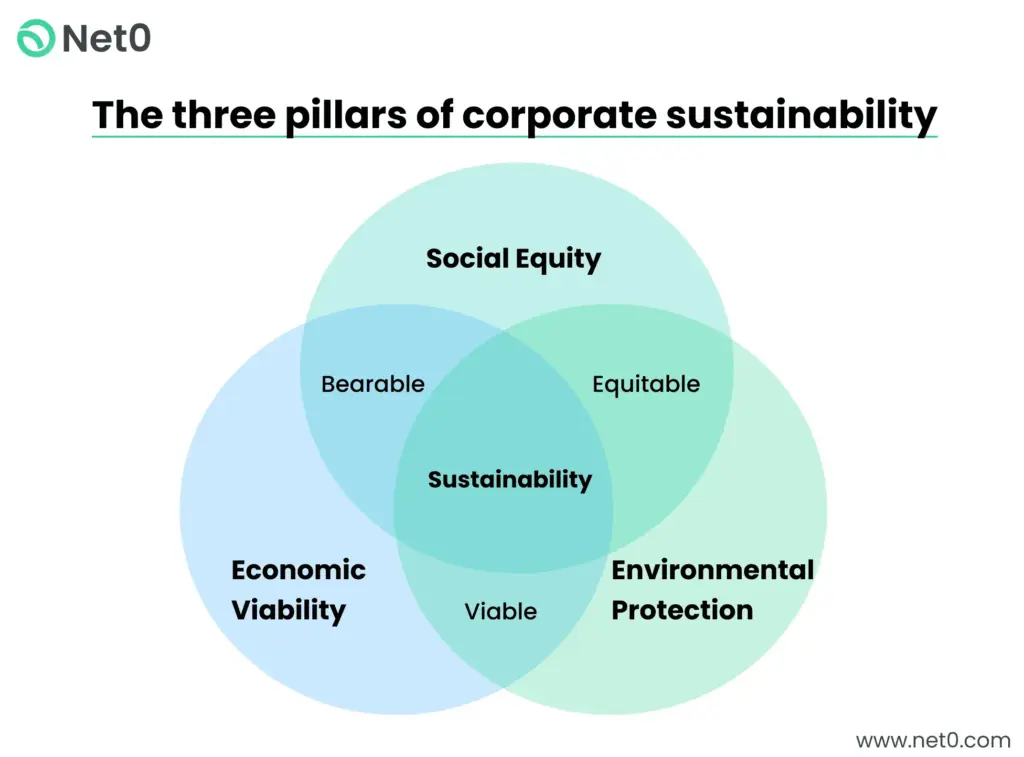
Business sustainability encapsulates the need for companies to operate in a way that is not only economically viable but also environmentally responsible and socially equitable. In essence, it means crafting a business model that addresses the needs of the current generation without compromising the ability of future generations to meet their own needs. This holistic approach is becoming increasingly crucial as businesses face pressure from consumers, investors, and regulatory bodies to adopt sustainable practices.
The key aspects of business sustainability include minimizing waste, energy consumption, and resource depletion. By redefining corporate priorities to include ecological and social costs, companies can contribute positively to the environment. This approach fosters an understanding that every business decision impacts the planet, pushing organizations towards sustainable practices that resonate with their target audience.
The Importance of Going Green in Today’s Market
In today’s competitive market, going green is not merely an option; it’s a strategic necessity. As consumers become more aware of environmental issues, their purchasing behaviors reflect a preference for brands that prioritize sustainability. Research suggests that a significant proportion of consumers are willing to spend more on products and services offered by eco-friendly businesses. Therefore, aligning business operations with sustainability can enhance brand loyalty and attract new customers.
Beyond consumer appeal, going green helps companies stay ahead of regulatory compliance as governments emphasize environmental accountability. Businesses that proactively implement sustainable solutions not only navigate regulations more efficiently but also enjoy increased consumer and investor trust, establishing themselves as progressive market leaders.
Practical Steps for Implementing Sustainable Practices
Transitioning to a greener business model may seem challenging for many organizations, but practical steps make it easier. One effective strategy is to conduct an environmental audit that assesses current practices and identifies areas for improvement. This audit can spotlight high-impact areas such as energy usage and waste management, allowing businesses to set targeted sustainability goals.
Another critical measure is setting specific, quantifiable goals that align with overall business objectives. By defining clear targets—like reducing carbon emissions by a set percentage—companies create a roadmap toward sustainability. This transparency not only keeps organizations accountable but also engages employees and stakeholders in the journey toward greener practices.
Energy Efficiency: A Cornerstone of Sustainability
Implementing energy efficiency measures is a cornerstone of any successful sustainability strategy. Upgrading to energy-efficient lighting, investing in smart thermostats, and utilizing renewable energy sources are just a few changes that can lead to significant savings on operational costs. Beyond reducing utility bills, these measures enhance the company’s public image as a responsible corporate citizen committed to sustainability.
Furthermore, the transition to renewable energy sources such as solar or wind power not only lowers energy costs but can also stabilize operational expenses over time. By investing in energy-efficient technology, businesses not only contribute to the reduction of their carbon footprint but also inspire their competitors to reconsider their own practices, thereby fostering a culture of sustainability within the industry.
The Role of Recycling in Sustainable Business Practices
Recycling plays a pivotal role in promoting sustainable business practices. By reducing, reusing, and recycling materials, companies can significantly minimize waste production and alleviate the strain on landfills. Encouraging employee participation in recycling programs not only fosters a culture of environmental responsibility but also empowers staff to take actions that align with the company’s sustainability goals.
Moreover, implementing robust recycling initiatives can lead to cost savings in waste disposal. Many businesses find that by optimizing their recycling processes and diverting materials from landfills, they can reduce overall waste management expenses. This not only strengthens the bottom line but also enhances the organization’s reputation as a leader in eco-friendly practices.
Engaging Employees in Sustainability Initiatives
Employee engagement is essential for the success of any sustainability initiative. By educating staff about sustainable practices and involving them in sustainability teams, businesses can foster a culture where employees feel invested in green initiatives. Training programs that deepen understanding of sustainability not only boost morale but can also enhance productivity as employees become advocates for eco-friendly practices.
Moreover, initiatives that reward employees for adopting sustainable behaviors—like using public transportation or participating in community clean-ups—can cultivate a strong commitment to the company’s ecological goals. When employees see that their efforts contribute to a larger purpose, it enhances job satisfaction and promotes a unified vision toward achieving sustainable business objectives.
Communicating Your Sustainability Efforts to Stakeholders
Effective communication of sustainability efforts is vital for building trust with stakeholders, including customers, investors, and the community. Transparency about sustainability goals, achievements, and ongoing initiatives can significantly enhance a company’s reputation and foster loyalty among consumers who prioritize environmental responsibility.
Utilizing various communication channels—such as social media, newsletters, or dedicated sections on the company website—allows businesses to showcase their commitment to sustainability. By regularly updating stakeholders on progress made toward sustainability goals, companies not only demonstrate accountability but also inspire others to follow suit.
Frequently Asked Questions
What is business sustainability and why is it important?
Business sustainability refers to the practice of managing a company’s economic, social, and environmental impacts. It is important because it helps organizations to remain viable in a competitive market while addressing consumer demand for eco-friendly practices. By integrating sustainability into their operations, businesses can enhance their reputation, comply with regulations, and reduce costs.
How can businesses implement sustainable practices effectively?
Businesses can implement sustainable practices by conducting an environmental audit to assess their impact, setting specific sustainability goals, and adopting energy efficiency measures. Additionally, companies should reduce waste through recycling, utilize sustainable suppliers, and promote greener transportation options for employees.
What are some green business tips for improving sustainability?
Some effective green business tips include investing in renewable energy technologies, training employees on sustainable practices, promoting recycling in the workplace, and regularly monitoring sustainability progress. Encouraging sustainable behavior among employees and engaging with eco-friendly suppliers can also enhance overall sustainability.
Why should my business go green?
Going green can significantly benefit your business by enhancing your brand image, reducing operational costs through energy savings, attracting environmentally conscious customers, and meeting regulatory compliance. Moreover, sustainable practices foster innovation and differentiate your business in a competitive marketplace.
How does sustainability impact consumer behavior?
Sustainability greatly influences consumer behavior as more individuals prefer buying from brands that demonstrate a commitment to eco-friendly practices. Many consumers are willing to pay a premium for sustainable products, enhancing market appeal and loyalty for businesses that prioritize sustainability.
What are the benefits of adopting eco-friendly business practices?
Adopting eco-friendly business practices offers numerous benefits, including cost savings from reduced energy consumption, improved brand reputation, enhanced employee morale, and increased customer loyalty. Furthermore, sustainable practices can lead to innovation and open up new market opportunities.
How can businesses measure their sustainability efforts?
Businesses can measure their sustainability efforts by setting specific, measurable goals and tracking progress over time. Tools like environmental audits, sustainability reports, and key performance indicators (KPIs) can help assess impacts in areas such as energy use, waste reduction, and resource efficiency.
| Key Point | Description |
|---|---|
| What is Business Sustainability? | Managing social, environmental, and economic impacts for long-term sustainability. |
| Consumer Demand | Consumers prefer brands committed to sustainability, often willing to pay more for eco-friendly products. |
| Regulatory Compliance | Proactive businesses comply better with strict environmental regulations. |
| Cost Savings | Sustainable practices can lead to reduced utility bills and disposal costs. |
| Innovation | Sustainability drives innovation, creating new market opportunities. |
| Attracting Talent | A sustainable business is attractive to new generations of employees who value social responsibility. |
| Tips for Going Green | Steps such as conducting audits, setting goals, and promoting sustainable practices within the organization. |
Summary
Business sustainability is crucial for modern enterprises striving to thrive in an eco-conscious market. As organizations embrace sustainable practices, they not only enhance their reputations but also align with consumer preferences, leading to financial savings and compliance with regulations. In this dialogue between business and environment, it’s clear that the path to a greener future also paves the way for innovation and talent attraction. Thus, investing in sustainability is not just an option; it is an imperative for survival and success in today’s economy.

