
Listen to this article
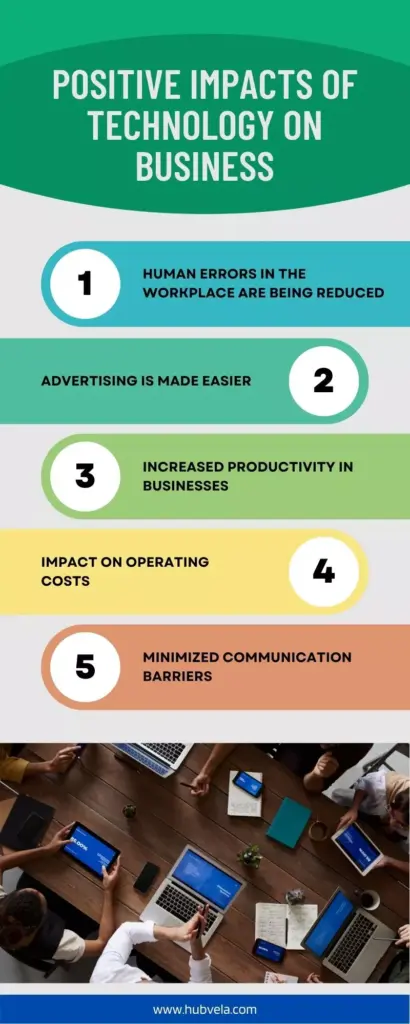
The impact of technology on business practices has been nothing short of revolutionary, reshaping how organizations operate and engage with their customers. In this digital age, businesses are increasingly turning to innovations like business automation and data-driven decision making to enhance efficiency and drive growth. The rise of cybersecurity in business has also become a critical focus, ensuring that sensitive information remains protected while leveraging digital strategies. Furthermore, social media marketing has transformed promotional tactics, enabling companies to reach targeted audiences with precision. As we explore the implications of these changes, it is evident that technology is integral to modern business success.
In the contemporary business environment, the influence of technological advancements cannot be overstated, as they have transformed traditional operational practices into more streamlined and efficient approaches. Incorporating tools for automation and employing data analysis techniques have become essential for businesses aiming to make informed decisions. The integration of robust cybersecurity measures ensures that as companies utilize these advanced technologies, their data remains secure from threats. Additionally, the rise of online platforms for marketing and communication has altered how businesses interact with consumers, fostering a more engaging relationship. As we delve deeper into the implications of these technological shifts, it becomes clear that adapting to these changes is crucial for maintaining competitive advantage.
Understanding Digital Transformation in Business
Digital transformation is not just a trend; it’s becoming a fundamental aspect of modern business strategies. Companies that leverage digital technologies can optimize their processes and redefine how they engage with customers. For example, industries like retail have migrated to e-commerce platforms, enabling them to provide seamless shopping experiences. By adopting a customer-centric approach underpinned by data-driven insights, these businesses can meet the ever-evolving preferences of their clientele.
Moreover, digital transformation also impacts internal culture. Organizations embracing this shift often foster a more agile environment, promoting innovation and collaboration across departments. Employees equipped with the latest digital tools are empowered to make informed decisions quickly, cultivating a spirit of experimentation and responsiveness that can lead to competitive advantages.
The Automation Revolution in Business Practices
The automation of processes is changing the landscape of business functions dramatically. With innovations like Artificial Intelligence (AI) and machine learning, companies can automate routine tasks such as data entry, inventory management, and customer service functionalities. This not only enhances operational efficiency but also significantly reduces operational costs, allowing employees to focus on value-added activities that require human intuition and creativity.
Additionally, the rise of Robotic Process Automation (RPA) allows organizations to streamline workflows across departments. For instance, customer service chatbots can handle common inquiries, ensuring that human agents handle more complex issues. This blend of technology and human effort enhances customer satisfaction and increases overall productivity.
Improving Communication through Technology Tools
Modern businesses rely heavily on technology to enhance communication and collaboration among team members. Tools like Slack and Microsoft Teams facilitate real-time communication, enabling employees across various locations to collaborate efficiently. The use of these platforms not only helps in bridging communication gaps but also fosters a cooperative work environment where ideas can be shared freely.
Furthermore, integrating project management software offers a clear structure for collaboration. Teams can track progress, assign tasks, and set deadlines, which helps in maintaining alignment and ensuring accountability. As a result, businesses that invest in these communication technologies tend to see improvements in teamwork and project outcomes.
Harnessing Data for Informed Decision Making
In today’s data-driven landscape, the ability to leverage data is crucial for successful business decision-making. Companies that analyze consumer behavior and market trends unlock powerful insights that inform strategic planning and operational improvements. Utilizing data analytics tools allows businesses to not only understand what their customers want but also anticipate market changes.
Additionally, the use of predictive analytics can significantly enhance a company’s agility. By understanding future trends, organizations can adjust their strategies proactively, which is crucial for maintaining a competitive edge. In this ever-evolving marketplace, being data-driven is not just an asset; it has become a necessity for sustainable growth.
The Critical Importance of Cybersecurity in Business
As technology becomes more integral to operations, the importance of cybersecurity cannot be overstated. Businesses face an increasingly complex threat landscape, with cyber-attacks becoming more sophisticated. One major incident can lead to significant data breaches, harming not just the company’s finances but also its reputation.
Establishing robust cybersecurity measures is essential for any modern business strategy. This involves investing in advanced security technologies, regularly updating software, and educating employees about cybersecurity best practices. A proactive approach not only protects sensitive information but also builds trust with customers, reinforcing the brand’s credibility.
Leveraging Social Media for Business Growth
Social media platforms have transformed how businesses market their products and engage with consumers. By leveraging social media marketing, companies can reach a broader audience with targeted campaigns. These platforms allow for precise demographic targeting based on user interests, behaviors, and location, maximizing the effectiveness of marketing efforts.
Moreover, social media offers a unique opportunity for real-time customer feedback and interaction. Businesses can respond swiftly to customer inquiries and concerns, enhancing consumer satisfaction and loyalty. Utilizing analytics tools to measure engagement lets companies adjust their strategies dynamically, ensuring optimal outreach and connection with their audience.
Frequently Asked Questions
What is the impact of digital transformation on business practices?
The impact of digital transformation on business practices is significant, as it enables companies to streamline operations, enhance customer experiences, and adapt to market changes. Businesses that embrace digital transformation can improve productivity and customer satisfaction by utilizing advanced technology and innovative digital tools.
How does business automation affect operational efficiency?
Business automation enhances operational efficiency by reducing manual processes and minimizing errors. It allows organizations to automate repetitive tasks through technologies like AI and RPA, enabling employees to focus on more strategic initiatives, thus driving higher productivity and effectiveness in business operations.
What role does data-driven decision making play in modern business?
Data-driven decision making is crucial in modern business practices, as it relies on analyzing data to inform strategies and operations. By leveraging data analytics tools, businesses can gain insights into market trends and customer behaviors, allowing for informed decisions that lead to improved performance and competitive advantages.
Why is cybersecurity important in business practices today?
Cybersecurity is vital in today’s business practices due to the increasing frequency and sophistication of cyber threats. Protecting sensitive data and IT infrastructure is essential for maintaining customer trust, avoiding financial loss, and mitigating the risks associated with data breaches and cyberattacks.
How has social media marketing changed business communication?
Social media marketing has revolutionized business communication by providing direct channels for engagement between brands and customers. Companies can utilize platforms like Facebook and Instagram to not only advertise their products but also to receive instant feedback, improving customer relations and brand loyalty.
What impact do business communication tools have on team collaboration?
Business communication tools significantly enhance team collaboration by facilitating real-time communication and project management. Platforms such as Microsoft Teams and Slack allow for seamless interaction among employees, promoting a culture of collaboration, especially in hybrid work environments.
In what ways does technology influence customer engagement strategies?
Technology influences customer engagement strategies by enabling personalized marketing, automated customer interactions, and real-time feedback mechanisms. Businesses can use analytics and social media to tailor their approaches, ensuring they meet customer needs and preferences effectively, thereby boosting loyalty and sales.
| Key Point | Description |
|---|---|
| Digital Transformation | The adoption of digital technology to enhance business processes and customer experiences. |
| Automation of Processes | Utilizing technologies like AI and RPA to streamline operations and reduce manual efforts. |
| Enhanced Communication and Collaboration | Tools like Slack and Zoom foster real-time communication and teamwork, especially in hybrid environments. |
| Data-Driven Decision Making | Leveraging big data and analytics to inform business decisions and marketing strategies. |
| Cybersecurity | Essential investment to protect against data breaches and cyber threats as reliance on technology increases. |
| Social Media Marketing | Using social media platforms to engage customers and enhance brand visibility through targeted campaigns. |
Summary
The impact of technology on business practices has been revolutionary, changing the fundamental ways organizations operate. In our discussion, we’ve explored how digital transformation leads to improved processes, while automation allows for increased efficiency. Enhanced communication tools enable better collaboration among teams, and data-driven decision making empowers businesses to adapt quickly to market trends. However, with the benefits come challenges, especially in the realm of cybersecurity. As we reflect on technology’s role in shaping modern business, it is clear that embracing these advancements is essential for future success.

