
Listen to this article
The impact of technology on business is profound and continuously evolving, dictating how companies operate and interact with consumers. In this fast-paced digital age, businesses that adopt innovative technology not only stay competitive but also fuel their growth by significantly enhancing efficiency. From automation in business processes to leveraging customer engagement technology, the opportunities to improve operational workflows are vast. The emergence of business technology trends like digital transformation has revolutionized communication and collaboration within organizations, even enabling remote work technology that supports flexible work environments. As we delve further into this essential topic, we uncover how integrating advanced technology reshapes traditional business models, leading to unprecedented opportunities and challenges alike.
Exploring the influence of modern advancements on commerce reveals significant shifts in operational practices and consumer relations. The integration of digital tools facilitates improved connectivity between businesses and their clients, as well as streamlining internal processes through automation. Enhanced customer engagement methodologies, combined with the latest remote collaboration solutions, redefine what efficiency means in the workplace. Additionally, the ongoing digital revolution ushers in innovative business frameworks, which require organizations to adapt swiftly to remain relevant and competitive. As we examine these transformative changes, it becomes clear that technology is not merely an enhancement but a cornerstone for sustainable success in today’s business ecosystem.
The Role of Technology in Enhancing Communication
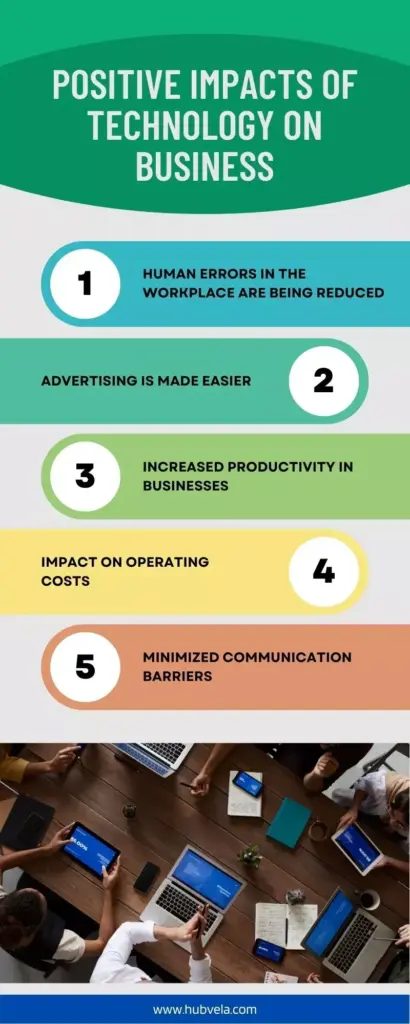
In the past, communication within businesses often revolved around in-person meetings and traditional phone calls, leaving much to chance and ambiguity. With the introduction of various communication technologies, organizations can now share information instantly, regardless of location. Tools like emails, instant messaging apps, and video conferencing platforms such as Zoom or Microsoft Teams have fundamentally transformed how teams connect. Marrying these tools with effective communication strategies enhances not only collaboration among team members but also increases the speed of projects, making companies more agile and adaptive.
Furthermore, technology has made it easier to maintain transparency within organizations. Project management tools allow team members to track progress, share feedback, and facilitate discussions in real-time. This leads to improved accountability and fosters a culture of openness. Consequently, when employees are empowered to communicate more effectively, they feel more connected to their roles and the company’s mission, resulting in enhanced engagement and productivity.
Frequently Asked Questions
How does digital transformation impact modern businesses?
Digital transformation significantly impacts modern businesses by enhancing operational efficiency, enabling data-driven decision-making, and improving customer engagement. It facilitates the integration of advanced technologies such as AI and cloud computing, helping organizations streamline their processes and adapt quickly to market changes.
What are the key business technology trends shaping the future of business?
Key business technology trends include increased automation in business, the rise of e-commerce, remote work technology advancements, and the growing significance of data analytics. These trends not only improve operational efficiency but also enhance customer experiences, allowing businesses to better meet consumer demands.
What role does automation in business play in enhancing productivity?
Automation in business plays a crucial role in enhancing productivity by eliminating repetitive tasks, reducing human error, and allowing employees to focus on strategic initiatives. By implementing technologies like RPA, organizations can streamline operations and optimize workforce utilization, leading to greater efficiency and effectiveness.
How does customer engagement technology influence consumer behavior?
Customer engagement technology influences consumer behavior by enabling real-time communication and personalized interactions through channels like CRM systems and social media platforms. This approach fosters strong relationships, builds customer loyalty, and encourages repeat business, driving long-term success for organizations.
What impact does remote work technology have on team dynamics?
Remote work technology impacts team dynamics by facilitating seamless collaboration and communication among team members regardless of their location. Tools like Zoom and Asana help maintain productivity and engagement, leading to improved employee satisfaction and a broader talent pool for businesses.
How can businesses leverage data and analytics to improve decision-making?
Businesses can leverage data and analytics by using advanced tools to gather, analyze, and interpret vast amounts of information. This capability enables organizations to identify trends, forecast market demands, and tailor their strategies to better meet customer needs, ultimately enhancing overall business performance.
What are the environmental benefits of adopting technology in business practices?
The environmental benefits of adopting technology in business practices include reduced energy consumption, minimized waste, and improved sustainability efforts. By utilizing cloud computing and energy-efficient technologies, companies can lower their carbon footprint and contribute to corporate social responsibility initiatives.
| Key Point | Description |
|---|---|
| Enhanced Communication | Technology facilitates swift communication through emails, instant messaging, video conferencing, and collaborative tools. |
| Automation of Processes | Automation reduces human error and enhances efficiency by handling repetitive tasks using RPA and AI. |
| Data & Analytics | Advanced analytics help businesses gather and analyze data for informed decision-making and enhanced customer satisfaction. |
| E-commerce and Online Presence | E-commerce platforms allow businesses to reach global markets and necessitate investment in digital marketing and SEO. |
| Remote Work and Flexibility | Remote work tools provide flexibility and help businesses tap into a larger talent pool, increasing employee satisfaction. |
| Customer Engagement and Experience | CRM tools and chatbots enhance real-time customer engagement and personalizes interactions to boost loyalty. |
| Innovation and New Business Models | Technology fosters innovative business models and product development that meet changing consumer needs. |
| Environmental Sustainability | Tech adoption promotes sustainability by reducing physical infrastructure and energy consumption. |
| Challenges and Considerations | Challenges include data security, privacy concerns, and the need for continuous skills development amidst rapid changes. |
Summary
The impact of technology on business is profound and multifaceted, influencing how we communicate, operate, and engage with customers. Don’t you think that the transformation brought by technology is fascinating? Indeed! It has not only streamlined processes but also opened up avenues for innovation and new business models. However, as we embrace these advancements, let’s also acknowledge the challenges they bring, like data security vulnerabilities. As companies adapt to this evolving landscape, it’s crucial to leverage technology as a strategic asset to navigate both opportunities and challenges effectively. Wouldn’t it be exciting to witness how businesses continue to adapt and thrive in this digital age?

