Listen to this article
The impact of technology on business operations has transformed the landscape of modern enterprises. In an age where technology in business is no longer a luxury but a necessity, companies are leveraging digital tools to enhance productivity and streamline workflows. From automation and cloud computing to data analytics and customer engagement platforms, every facet of business operations benefits from these innovations. As organizations navigate the complexities of the global market, understanding this impact of technology is crucial for strategic growth and sustainability. This blog explores key trends and benefits stemming from the integration of modern business technology into operational practices.
The ripple effects of technological advancements on corporate functions cannot be understated. When we discuss how innovations have reshaped operational frameworks, we refer to a dynamic shift that empowers businesses to improve efficiency, engage customers effectively, and make informed decisions. As enterprises adopt digital transformation strategies, they encounter enhanced flexibility and unprecedented data insights that propel them ahead of competitors. It’s evident that in the realm of business, modernization through technology plays a pivotal role in fostering progressive changes and driving long-term success. Join us as we unpack the multifaceted influence of technological progress on contemporary business practices.
Understanding the Role of Technology in Business Operations
Technology serves as a backbone for modern business operations, driving efficiency and productivity across industries. It’s not just about having the latest gadgets or software; it’s about integrating them into the workflow to create streamlined processes that enhance performance. Businesses are utilizing various technologies to automate routine tasks, analyze data, and facilitate communication. This integration allows teams to focus on strategic objectives rather than being bogged down by day-to-day operations.
Moreover, technology provides businesses with tools to adapt to market changes rapidly. For example, cloud-based solutions allow teams to scale operations, manage resources effectively, and respond to consumer demand without extensive lead times. Consequently, understanding the role of technology in business operations is crucial for leaders who aim to foster a culture of innovation and responsiveness within their organizations.
How Digital Transformation is Reshaping Business Strategies
Digital transformation is more than just adopting new technologies; it involves rethinking how businesses operate and deliver value to customers. Companies that embrace this shift are often more agile and better positioned to meet consumer demands. This transformation can include moving traditional processes to digital platforms, integrating AI for personalized experiences, and using data analytics for informed decision-making. The result is a more responsive organization that can quickly pivot when market conditions change.
Additionally, successful digital transformation forces organizations to reassess their customer engagement strategies. By utilizing digital tools, companies can gather real-time feedback, tailor marketing strategies, and improve overall service delivery. Embracing these advancements not only enhances operational efficiency but also fosters stronger relationships with customers who expect seamless interactions across all channels.
The Impact of Technology on Business Operations
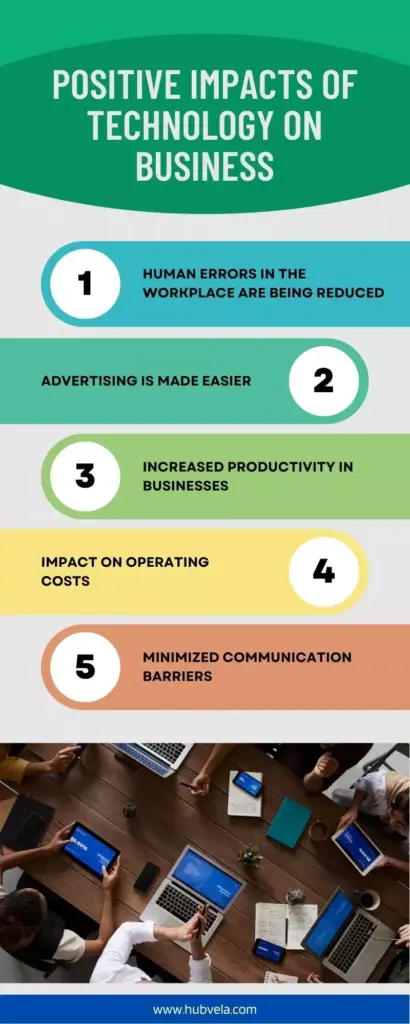
The impact of technology on business operations cannot be overstated. It fundamentally changes how companies interact with their clients, manage their internal processes, and compete in the market. For instance, businesses that implement automated solutions report significant improvements in operational efficiencies and reduced errors. This shift allows employees to devote more time to higher-level tasks that require creativity and critical thinking, thereby fostering a more innovative workplace.
Furthermore, technology enables companies to gather and analyze data at unprecedented levels, influencing strategic decisions. With predictive analytics, businesses can anticipate market trends and adapt their strategies accordingly. This proactive approach positions them at the forefront of their industries, allowing them to leverage technology as a competitive advantage. In today’s digital landscape, companies that recognize and harness the potential of technology will likely thrive while others may struggle to keep up.
The Journey to Data-Driven Decision Making
Data-driven decision making is essential in today’s competitive landscape. Organizations harness vast amounts of data collected from various sources to inform their strategies. Advanced analytics tools facilitate this process by allowing businesses to gain insights into consumer behavior, operational efficiency, and market trends. By prioritizing data in their decision-making processes, leadership can ensure they align their initiatives with actual market demands.
Additionally, companies that embrace data-driven strategies tend to outperform rivals who rely on intuition or traditional methods. For instance, using customer relationship management (CRM) systems enables businesses to create targeted marketing campaigns that resonate with distinct customer segments. This level of personalization leads to increased customer satisfaction and loyalty, demonstrating the profound impact of incorporating data analytics into everyday business processes.
Leveraging Technology for Enhanced Customer Engagement
Technology has revolutionized customer engagement, enabling businesses to interact with their audience more personally and continuously. Digital platforms such as social media, websites, and email provide companies with the tools to connect with customers instantly. Engaging through these channels allows businesses to gather real-time feedback, respond to queries quickly, and nurture relationships that lead to brand loyalty.
Moreover, implementing CRM systems can track customer interactions and preferences, allowing for tailored communication strategies that meet individual needs. Automated responses through chatbots provide immediate assistance, enhancing user experience while also freeing up human resources for complex inquiries. As technology evolves, the potential for businesses to improve their engagement strategies grows, fostering a more loyal customer base.
Agility and Flexibility Through Modern Business Technology
Agility is a defining characteristic of successful modern businesses, allowing them to respond swiftly to changes in the market landscape. Technology plays a crucial role in facilitating this agility by providing tools necessary for teams to adapt and pivot their strategies seamlessly. Project management software enables organizations to reorganize teams and priorities in real-time, ensuring they can effectively meet emerging demands.
In addition, the utilization of cloud technologies ensures that teams can work remotely and collaboratively regardless of location, enhancing flexibility. This capability not only supports a distributed workforce but enables companies to tap into global talent pools. By embracing technology, businesses can maintain operational continuity and resilience even in times of uncertainty, such as during economic downturns or unexpected global events.
Cost Efficiency and Sustainability with Technology Implementation
The implementation of technology is a game-changer in reducing operational costs while promoting sustainability. Through automated systems, businesses can minimize labor costs and reduce errors associated with manual processes. For example, automation in inventory management can cut down on waste and optimize stock levels, ensuring that resources are used efficiently and responsibly.
Additionally, adopting digital solutions like e-commerce platforms can significantly lower overhead costs associated with physical stores. This not only provides access to a broader market but also promotes environmental sustainability by reducing the need for large-scale logistics and physical infrastructure. Technology thus empowers organizations to pursue profitability while also prioritizing eco-friendly practices.
Frequently Asked Questions
What is the impact of technology on business operations today?
The impact of technology on business operations is profound, as it enhances efficiency, promotes data-driven decision-making, and enables better customer engagement. By leveraging modern business technology such as automation and cloud computing, organizations can streamline processes and improve productivity, which is crucial for competitive advantage.
How does modern business technology improve data-driven decision making?
Modern business technology plays a vital role in enhancing data-driven decision making by providing advanced analytics tools that help organizations gather insights from large data sets. This capability allows businesses to understand customer behaviors and market trends more effectively, enabling them to make informed decisions that align with operational goals.
What role does technology play in enhancing customer engagement?
Technology significantly enhances customer engagement through digital marketing strategies and tools like CRM systems. These allow businesses to connect with customers via personalized communication and immediate support through AI and chatbots, ultimately fostering stronger relationships and increasing brand loyalty.
In what ways does technology foster agility and flexibility in business operations?
Technology fosters agility and flexibility in business operations by enabling organizations to quickly pivot in response to market changes. With tools like project management software and analytics, businesses can adapt strategies in real-time, ensuring they remain competitive and responsive to consumer demands.
How can the impact of technology lead to cost reduction in business operations?
The impact of technology on business operations can lead to significant cost reduction by optimizing processes and minimizing waste. Automation reduces manual labor costs, while e-commerce platforms eliminate the need for physical stores, allowing companies to access larger markets and lower operational expenses.
What are the implications of adopting remote work technology on business operations?
Adopting remote work technology has profound implications for business operations, enabling teams to maintain productivity regardless of location. Tools like Zoom and Slack facilitate communication and collaboration, allowing companies to tap into a wider talent pool while enhancing employee satisfaction and retention.
Why is embracing digital transformation crucial for modern business operations?
Embracing digital transformation is crucial for modern business operations because it allows organizations to remain competitive in an evolving marketplace. As technology continues to shape how companies operate, those that proactively adopt emerging technologies will be better positioned to drive growth, enhance efficiency, and deliver exceptional value to customers.
| Key Point | Description |
|---|---|
| Improved Efficiency and Productivity | Technology enhances operational efficiency through automation and cloud computing, improving productivity by up to 30%. Tools like Google Workspace and Microsoft 365 foster collaboration. |
| Data-Driven Decision Making | Advanced analytics provide insights into consumer behavior, allowing businesses to make informed strategies that align with market demands. |
| Enhanced Customer Engagement | Digital marketing strategies and tools like chatbots improve customer interaction and satisfaction while fostering brand loyalty. |
| Increased Agility and Flexibility | Technology enables businesses to pivot quickly in response to market changes, allowing for agile project management and rapid adaptation. |
| Cost Reduction | Technological implementation can lead to significant savings through optimized resource management and reduced operational waste. |
| Adoption of Remote Work | Technological tools support remote work, enabling businesses to access a broader talent pool and improve employee satisfaction. |
Summary
The impact of technology on business operations is immensely significant. By leveraging innovative technological solutions, companies can not only enhance efficiency and productivity but also strengthen customer engagement and make informed decisions based on data. The rapid pace of technological change means that businesses need to remain agile and ready to adapt, ensuring they stay ahead in a competitive landscape. Embracing these advancements has become crucial for success, as organizations that strategically integrate technology into their operations are better equipped to thrive in both current and future markets. By investing in technology today, businesses secure their competitive edge while delivering superior value to their customers.