Listen to this article
The impact of sport on mental health is profound and increasingly recognized as essential for overall well-being. In our modern world, where stressors abound, engaging in regular exercise has emerged as a vital strategy for enhancing mental health. Numerous studies underline the connection between exercise and mental health, highlighting how physical activity can significantly reduce symptoms of anxiety and depression while improving mood. Whether through individual workouts or sports for mental well-being, the benefits of physical activity manifest not just in the body but also in the mind. The endorphin release associated with exercise can lead to a state of euphoria, effectively combating the mental strains of everyday life.
Exploring the influence of athletic activities on psychological well-being illustrates a vital relationship that extends beyond mere fitness. Physical exercise, which encompasses everything from high-intensity sports to leisurely walks, serves as a powerful tool for alleviating stress and improving mental states. Activities that promote movement, including team games and personal workouts, positively impact emotional resilience by enhancing self-esteem and fostering social connections. Such endeavors promote a more favorable mood, particularly as individuals engage consistently with various forms of exercise. Emphasizing these activities is crucial not only for physical health but also for cultivating a balanced and fulfilling mental state.
The Psychological Benefits of Exercise
Engaging in regular exercise is not only beneficial for physical health, but it is also imperative for mental well-being. The psychological benefits of sports are vast, as studies continue to show that physical activity can significantly reduce anxiety and depressive symptoms. Regular participation in exercise fosters a natural high, thanks to the endorphins released by the body, which help to alleviate feelings of stress and anxiety. Through different sports, individuals can build resilience to confront the daily challenges of life, making exercise a fundamental part of mental health.
Furthermore, the structured routine of engaging in sports can provide individuals with a sense of purpose and direction. By committing to regular exercise, one creates goals that can lead to enhanced self-esteem and improved mood. This dedication can help in overcoming mental barriers, reminding those involved that they have the capacity to set and achieve their own targets, which is crucial to fostering a positive self-image.
Impact of Sport on Mental Health
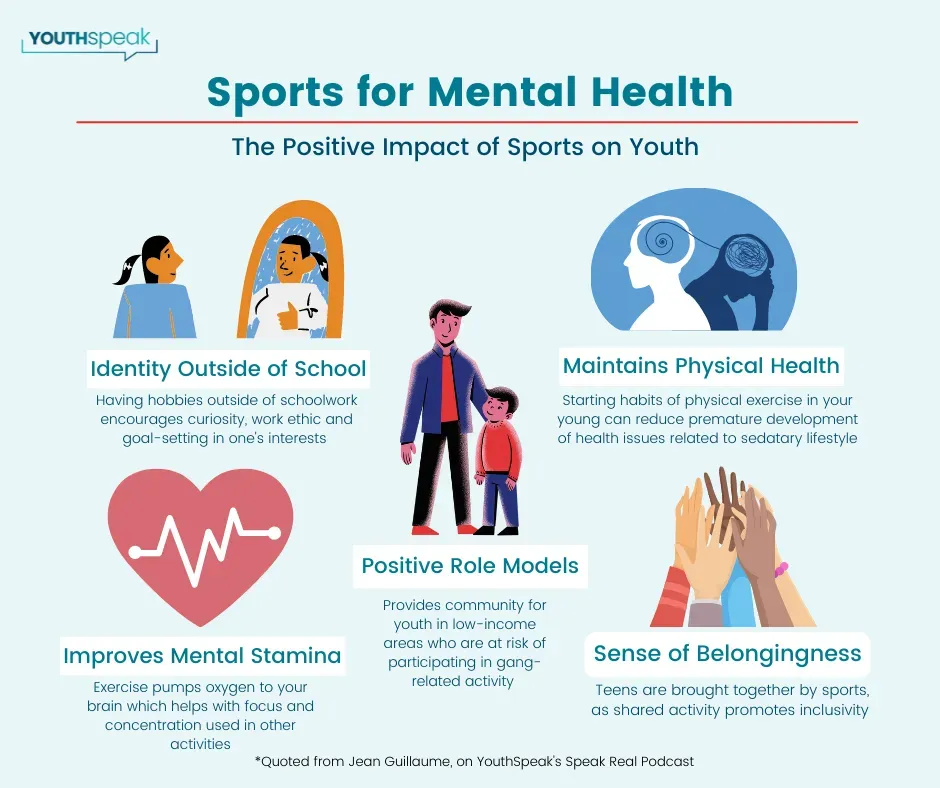
The impact of sport on mental health is profound and cannot be overlooked. Physical activity has been scientifically proven to trigger various cognitive improvements and reduce mental fatigue that comes with a fast-paced life. For instance, participating in team sports can boost feelings of belonging and community, which are essential for emotional stability. Individuals who engage in regular sport activities report lower levels of stress and higher satisfaction with life. This improved social engagement is especially valuable in combating loneliness, which can often lead to deteriorating mental health.
Moreover, the construct of competition within sports provides a unique platform for personal growth. Athletes often face pressure to perform, and through sport, they learn how to manage stress effectively. This skill translates well into other areas of life, contributing to improved stress management and coping skills. As such, the psychological rewards of sport extend beyond just the game—they foster resilience and adaptability, essential traits for maintaining mental health.
Exercise Effects on Anxiety
The effects of exercise on anxiety management are consistently documented in various studies. Regular physical activity has been shown to act as a natural anxiolytic, helping to lower anxiety levels significantly. Sports stimulate the production of neurotransmitters that regulate mood, leading to decreased feelings of worry and tension. For many individuals, engaging in physical activity can be a proactive way to manage anxiety symptoms, making exercise a vital component in a holistic approach to mental health.
Additionally, activities such as aerobic exercises have unique benefits for anxiety reduction. They require steady and rhythmic movements that can distract from anxious thoughts while improving cardiovascular health. Even gentle exercises such as yoga and tai chi incorporate mindfulness and breathing techniques, which are instrumental in promoting relaxation and mental clarity. By integrating these activities into daily routines, individuals can create a stable foundation for reducing anxiety.
Benefits of Physical Activity for Emotional Well-being
The emotional benefits of physical activity transcend mere physical fitness, as they significantly enhance mental health. Regular exercise not only augments mood but also contributes to better emotional regulation. Engaging in sports provides an engaging outlet for pent-up emotions, allowing individuals to channel their stress and frustrations into positive physical activity. The cathartic nature of exercise is particularly beneficial for mental clarity and emotional resilience.
Moreover, physical activity encourages the development of social connections that can further improve emotional well-being. Group sports and fitness classes create environments where individuals can support one another while working towards common fitness goals. This camaraderie fosters a sense of community and shared accomplishment, which is vital in supporting mental health. As a result, physical activity acts as a platform for building lasting friendships while cultivating resilience against emotional stressors.
Mind-Body Connection: Sports and Mental Clarity
Understanding the mind-body connection is crucial when discussing the benefits of sports on mental clarity. Physical activities such as yoga and tai chi serve as perfect examples of how movement can facilitate mental focus and clarity. These practices emphasize breathing, posture, and flexibility, which inherently encourage mindfulness—a skill known to enhance cognitive function. Participants often find themselves more centered and focused after sessions, revealing the profound impact that mind-body workouts can have on mental clarity.
The integration of mindfulness into physical activity allows individuals to gain insight into their thoughts and feelings. Such awareness can lead to a reduction in racing thoughts associated with anxiety and increased feelings of expansive calm. As individuals engage in these mind-body sports, they learn to silence the noise of daily life, allowing for introspection and greater mental clarity. The balance achieved through such practice extends beyond the physical realm and impacts one’s emotional state positively.
Building Self-Esteem through Sports
Engaging in sports is a powerful means of building self-esteem. As individuals set and achieve fitness objectives, they reinforce their capabilities, leading to a heightened sense of personal accomplishment. Whether it is mastering a new skill or improving physical fitness, each achievement contributes positively to an individual’s self-image and confidence levels. This improvement in self-esteem can also play a crucial role in enhancing social interactions—confident individuals are often more likely to engage in and benefit from social settings.
In addition, participating in sports often involves teamwork and collaboration, providing opportunities for social support and recognition. Celebrating team victories or personal milestones can reinforce a sense of belonging and accomplishment among participants, further enhancing self-esteem. As individuals work harmoniously within a team, they not only learn the value of cooperation but also recognize their contributions to collective success. This boosts confidence, providing an uplifting cycle for both personal and collective growth.
The Role of Team Sports in Promoting Mental Health
Team sports play an invaluable role in promoting mental health and well-being. The social aspect of engaging in sports with others encourages a sense of community, which is essential for mental wellness. Participation in team sports allows individuals to create bonds with teammates, fostering essential relationships that can provide psychological support. This shared experience not only lifts spirits during gameplay but also nurtures an environment of encouragement and collaboration.
Moreover, the structure of team sports often incorporates regular practice and competitions, which can be beneficial for individuals struggling with depression or anxiety. The routine of attending practices and games provides a source of stability and purpose, essential for those feeling lost or overwhelmed. These activities also provide an avenue to develop important life skills, such as leadership, goal-setting, and perseverance, which can all contribute to positive self-esteem and mental resilience.
Starting Your Fitness Journey: Tips for Mental Health
Getting started with physical activity can be daunting, especially for individuals who may feel overwhelmed by their mental health challenges. However, setting realistic goals is the first step toward creating a successful fitness journey. It’s essential to understand that progress doesn’t happen overnight. By taking small, manageable steps, individuals can gradually build a more active lifestyle while experiencing significant emotional benefits along the way.
Moreover, finding enjoyable activities will foster a positive relationship with exercise. It is important to explore various forms of physical activity—be it dancing, cycling, or martial arts—to discover what resonates. When individuals enjoy their chosen sport or exercise routine, they are more likely to remain consistent, thus reaping the mental benefits associated with long-term physical activity.
Creating a Balanced Routine for Mental Health Enhancement
Creating a balanced routine that includes physical activity is essential for enhancing mental health. Incorporating various types of exercise—strength training, aerobic workouts, and flexibility exercises—can lead to comprehensive benefits for psychological well-being. This balanced approach not only improves physical health but also ensures that individuals are engaging different muscle groups and maintaining motivation through diversity.
Additionally, striking a balance between exercise and rest is vital for mental health. Overdoing any form of activity can lead to burnout, which can counteract the benefits sought from exercise. Sufficient rest and recovery periods are crucial; they allow for both physical restoration and mental rejuvenation. Establishing a well-rounded routine that includes time for sports, relaxation, and social activities will lead to improved mental health outcomes and a more fulfilling life.
Frequently Asked Questions
How does exercise impact mental health?
Exercise impacts mental health significantly by releasing endorphins, which are hormones that boost mood and reduce stress levels. Regular physical activity can alleviate symptoms of anxiety and depression, improve self-esteem, and enhance overall well-being.
What are the benefits of sports for mental well-being?
The benefits of sports for mental well-being include reduced anxiety, improved mood, enhanced self-esteem, better sleep quality, and opportunities for social interaction. Engaging in sports provides a constructive outlet for stress and fosters a sense of community.
Can exercise effects on anxiety be seen quickly?
Yes, the effects of exercise on anxiety can be seen quickly. Engaging in physical activity stimulates the release of endorphins which can lead to an immediate reduction in anxiety levels and an improved sense of well-being.
What types of physical activity are best for mood enhancement?
Aerobic exercises like running and swimming, strength training, and mind-body activities such as yoga are particularly effective for mood enhancement. These activities increase blood flow to the brain and release feel-good hormones that improve overall mental health.
How do sports help in reducing stress?
Sports help reduce stress by providing an outlet for pent-up energy and emotion. Physical activity decreases levels of stress hormones while increasing endorphins, leading to a more relaxed state and better mood.
Is there a link between physical activity and depression?
Yes, there is a strong link between physical activity and depression. Studies indicate that regular exercise can serve as a natural treatment for depression by improving mood, increasing self-esteem, and enhancing feelings of accomplishment.
Can team sports improve mental health?
Yes, team sports can improve mental health by fostering social connections and a sense of belonging. Participating in team activities not only promotes physical fitness but also enhances interpersonal skills and combats feelings of loneliness.
Why is consistency important in exercise for mental health?
Consistency is important because regular exercise leads to sustained mental health benefits. Adhering to a routine enhances mood stability, alleviates anxiety, and reinforces the positive cycle of exercise and mental well-being.
What role does socialization play in sports and mental health?
Socialization plays a critical role in sports and mental health by providing opportunities for connection and support. Engaging in team sports or group classes encourages interaction, which is vital for reducing feelings of isolation and improving overall mental well-being.
How can someone start exercising for better mental health?
To start exercising for better mental health, set realistic goals, choose enjoyable activities, maintain consistency, consider joining a group, and listen to your body’s limits. This approach will create a positive and sustainable exercise routine.
| Key Point | Description | |
|---|---|---|
| Exercise and Well-being | Regular exercise is essential for enhancing mental health, reducing stress and anxiety. | |
| Endorphins Release | Physical activity boosts endorphin levels, leading to improved mood and feelings of happiness. | |
| Scientific Backing | Studies show exercise lowers stress hormones and alleviates symptoms of anxiety and depression. | |
| Emotional Benefits | Includes lower anxiety, better mood, enhanced self-esteem, improved sleep, and social opportunities. | |
| Types of Exercise | Aerobic, strength training, mind-body activities, and team sports all offer unique benefits. | |
| Getting Started | Set realistic goals, find enjoyable activities, maintain consistency, and join a group. | |
Summary
The impact of sport on mental health is profound and multifaceted, highlighting how exercise can serve as a powerful tool for enhancing emotional well-being. Engaging in regular physical activity not only fosters physical health but also significantly improves mood, reduces anxiety, and bolsters overall mental resilience. Sports provide a valuable outlet for stress and an opportunity for social interaction, which further supports mental health. Embracing a consistent exercise routine tailored to individual preferences can contribute to sustained well-being and is crucial in today’s fast-paced and often overwhelming environment.