
Listen to this article
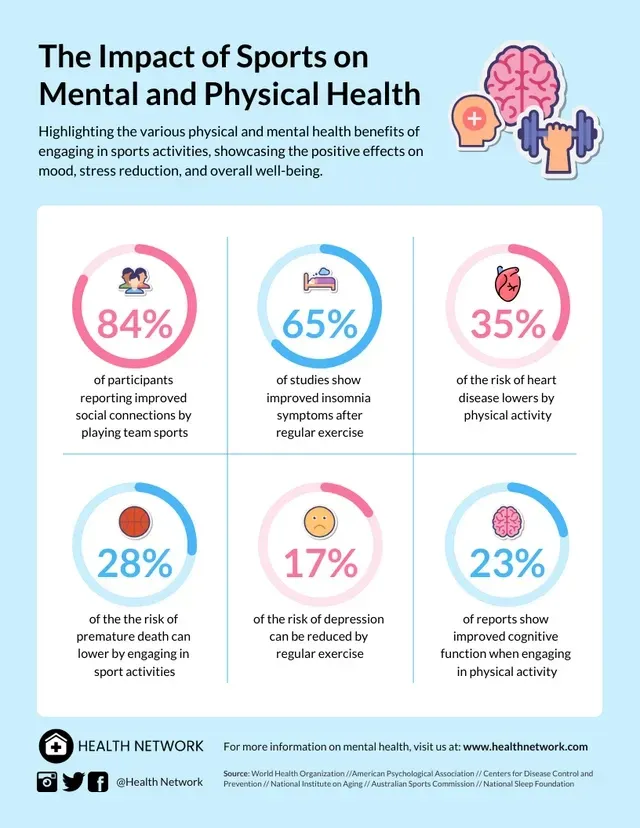
The impact of sport on mental health is an area of growing interest and understanding, as athletes and enthusiasts alike discover the profound benefits of physical activity on emotional well-being. Engaging in sports not only enhances physical fitness but also plays a vital role in mental health improvement, offering a natural remedy for stress, anxiety, and depression. Research consistently highlights how sports and mental health are interconnected, revealing the positive effects of exercise on mood and cognitive function. Such activities boost self-esteem and foster resilience, making individuals more capable of coping with life’s challenges. In this blog post, we will delve into the various ways sports can contribute to your mental health, showcasing the significant benefits of sports for everyone.
Exploring the relationship between athletic pursuits and psychological well-being unveils a fascinating landscape of benefits tied to an active lifestyle. Physical activity and mental health have been shown to share a symbiotic relationship, where engaging in sports not only enhances fitness levels but equally uplifts mood and emotional stability. By examining the role of sports psychology, we can further understand how regular participation in sports leads to improved self-image and coping mechanisms. The social connections forged through team sports help alleviate feelings of isolation, while endurance activities promote a sense of achievement and fulfillment. This discussion emphasizes the importance of integrating sports into our daily lives as a holistic approach to fostering mental wellness.
The Importance of Sport for Mental Wellness
Engaging in sports plays a pivotal role in enhancing mental wellness by providing individuals with a healthy outlet for stress and emotional regulation. Regular participation in physical activities helps release endorphins, which serve as natural mood enhancers, combating feelings of anxiety and depression. These physical benefits translate into mental rewards, allowing individuals to experience a sense of accomplishment upon reaching fitness milestones or honing their athletic skills.
Furthermore, engaging in sports fosters self-discipline and focus, which are essential traits that can support overall mental wellness. By committing to a regular sports routine, individuals often find themselves better equipped to handle their daily challenges, as the routine instills a sense of order and purpose. The clear structure that sports provide helps individuals manage their time and stress levels more effectively, leading to improved mental health.
Exploring the Link Between Sports and Mental Health Improvement
The connection between sports and mental health improvement is backed by numerous studies that highlight the effects of physical activity on psychological well-being. Regular exercise, through sports, has been shown to lessen clinical symptoms of anxiety and depression, promoting a more stable emotional state. This impact is not just temporary; the ongoing commitment to sports can lead to sustained mental health benefits.
Incorporating sports into one’s lifestyle also encourages the development of coping strategies that are essential for managing life’s stresses. The lessons learned on the field or in the gym—such as perseverance in the face of adversity—can translate to greater resilience outside of sports. This resilience is crucial for mental health improvement, equipping individuals with tools to navigate life’s ups and downs.
Benefits of Participation in Team Sports
Participating in team sports offers unique benefits that significantly enhance mental health. The camaraderie and sense of belonging often fostered in team environments contribute to increased feelings of support and emotional well-being. When individuals come together with a common goal, they engage in shared experiences that strengthen interpersonal relationships and diminish feelings of loneliness.
Moreover, the collaborative nature of team sports promotes communication skills and social interaction, directly benefiting mental health. The friendships forged through sports provide a strong support network during challenging times, which is vital for maintaining a positive outlook and emotional stability. By being part of a team, one also learns the value of teamwork, which can enhance social skills and foster a greater sense of community.
Individual Sports and Their Mental Health Benefits
While team sports are beneficial, individual sports also offer substantial mental health benefits. Disciplines such as running, swimming, or cycling allow for personal reflection and self-discovery. These activities not only improve physical fitness but also provide a unique way for individuals to clear their minds and release built-up stress.
Engaging in individual sports can create a sense of personal achievement that boosts confidence and self-esteem. Setting personal goals—such as completing a marathon or mastering a new skill—cultivates determination and perseverance, traits that positively impact mental health. Furthermore, the solitude found in individual sports provides a meditative experience, which can aid considerably in reducing anxiety and enhancing overall mental clarity.
The Role of Exercise in Reducing Stress and Anxiety
Exercise, particularly through sports, has been widely recognized as an effective method for reducing stress and anxiety levels. The physical activity involved helps produce neurotransmitters such as serotonin and dopamine, which play significant roles in mood regulation. By engaging in sports, individuals can effectively combat feelings of anxiety and create a more stable emotional environment.
Moreover, the routine of regular exercise establishes a framework in which stressors can be managed more effectively. This structured approach to physical activity instills a sense of control, helping individuals navigate both sporting challenges and personal life pressures. The endorphin release during sports creates a state of euphoria, commonly referred to as the ‘runner’s high,’ helping to lift mood and lower anxiety symptoms effectively.
Enhancing Self-Esteem Through Sports
One of the profound ways that sports positively impact mental health is through the enhancement of self-esteem. Setting and achieving fitness goals—whether related to skill development or personal performance—fuels a sense of accomplishment that is essential for self-worth. As individuals progress in their chosen sports, they build confidence not only in their abilities but also in their potential to overcome challenges in other areas of life.
Participating in sports also teaches individuals valuable lessons about resilience and perseverance. Encountering and overcoming obstacles during athletic pursuits fosters a growth mindset, essential for mental self-empowerment. This bolstered self-esteem from sports extends beyond the field, influencing various aspects of life, such as work and personal relationships, reinforcing the interconnectedness of physical activity and mental health.
The Contribution of Sports Psychology to Mental Health
Sports psychology is a growing field that focuses on the mental and emotional aspects of sports and physical performance. It plays a crucial role in understanding how mental states can influence athletic performance and vice versa. Techniques used in sports psychology, such as visualization and mindfulness, can significantly enhance focus and reduce performance anxiety, ultimately improving mental health outcomes.
Incorporating sports psychology strategies into training not only optimizes athletes’ performance but also equips them with mental skills that can be applied in everyday life. This approach helps athletes manage stress, improve coping mechanisms, and develop a positive mindset. The principles learned through sports psychology can empower individuals in their quest for mental wellness, demonstrating a strong link between effective mental strategies and both athletic achievement and overall mental health.
The Impact of Sport on Social Connections and Community
Sports undoubtedly serve as a powerful medium for social connection and community building. The shared experiences among participants create a bond that fosters friendship and emotional support, which are crucial for mental health. By engaging in sports, individuals are given the opportunity to meet new people, enhancing their social networks and decreasing feelings of isolation.
Moreover, being part of a sporting community can offer invaluable institutional support while encouraging a sense of belonging. The mutual support and encouragement from teammates play a fundamental role in maintaining mental wellness. Encouraging each other during practice, in competitions, or while facing personal challenges cultivates an environment where individuals feel valued and understood, which is essential in combatting mental health issues.
Types of Sports That Enhance Mental Well-Being
Different types of sports come with unique benefits for mental health, catering to various preferences and needs. Endurance sports, like running or cycling, are particularly effective for their mood-boosting effects due to prolonged physical exertion and the high levels of endorphins released during these activities. They offer not just physical challenge but also opportunities for quiet reflection, enhancing mental clarity and emotional stability.
On the other hand, team sports like soccer or basketball provide rich opportunities for social interactions, which are vital for emotional well-being. The team dynamic encourages communication, enhances cooperative skills, and builds lasting relationships that serve as support systems for mental health. Additionally, merging physical activity with mindfulness practices found in yoga can significantly improve mental wellness, reduce stress levels, and enhance overall mood.
Frequently Asked Questions
What is the impact of sport on mental health?
The impact of sport on mental health is profound, as engaging in physical activities can significantly reduce symptoms of anxiety and depression. Sports release feel-good hormones like endorphins, which elevate mood, enhance self-esteem, and promote overall well-being.
How does physical activity improve mental health?
Physical activity improves mental health by boosting endorphin production, reducing stress hormones, and enhancing self-esteem. Regular exercise through sports also encourages social connections, providing emotional support that combats feelings of loneliness.
What are the mental health benefits of team sports?
Team sports offer unique mental health benefits, including enhanced social support and feelings of belonging. They help individuals build friendships, improve teamwork skills, and provide a sense of community, all of which are crucial for emotional well-being.
Can sports help with stress management?
Yes, engaging in sports is an effective way to manage stress. Physical activity helps decrease cortisol levels, the stress hormone, while simultaneously promoting the production of neurotransmitters that make you feel relaxed and happy.
What role does sports psychology play in mental health improvement?
Sports psychology focuses on how mental processes impact athletic performance. It helps individuals develop mental resilience, cope with pressure, and enhance focus, all of which contribute to improved mental health and overall performance in sports.
Which types of sports are best for mental health improvement?
Endurance sports like running and cycling, team sports like basketball and soccer, and mindfulness practices such as yoga are particularly effective for mental health improvement. They promote physical fitness while fostering social connections and reducing stress.
How can sports boost self-esteem and confidence?
Participation in sports can significantly boost self-esteem and confidence as individuals set and achieve personal fitness goals. Achievements in sports foster a sense of pride, while team dynamics enhance feelings of self-worth and acceptance.
Are there any barriers to participating in sports that affect mental health?
Yes, barriers such as intimidation, lack of confidence, and not knowing where to start can prevent individuals from engaging in sports. Addressing these obstacles through gradual involvement and community support is vital for improving mental health.
What is the connection between outdoor sports and mental health?
Outdoor sports, such as hiking and climbing, positively impact mental health by providing exposure to nature, which enhances mood and promotes a sense of adventure. This combination of physical activity and natural environments contributes to overall mental well-being.
How does participation in sports foster resilience?
Participation in sports teaches individuals how to cope with both victories and setbacks, fostering resilience. This experience helps develop mental toughness, enhancing adaptability to challenges in sports and life, which is crucial for maintaining mental health.
| Key Point | Description |
|---|---|
| Understanding Mental Health | Mental health is defined as a state of emotional, psychological, and social well-being. |
| Reducing Symptoms of Anxiety and Depression | Engagement in sports releases endorphins, leading to a natural uplift in mood and a decrease in anxiety and depression symptoms. |
| Combatting Stress | Physical activity reduces stress hormones and enhances relaxation, helping individuals channel stress positively. |
| Improving Self-Esteem and Confidence | Achieving fitness goals through sports boosts self-esteem and creates a sense of pride and belonging. |
| Enhancing Social Connections | Sports foster social interactions that create vital support networks, helping to alleviate loneliness. |
| Improving Cognitive Function | Participation in sports promotes brain health, enhancing memory, concentration, and cognitive agility. |
| Fostering Resilience | Experiencing both wins and losses in sports builds resilience and mental toughness. |
Summary
The impact of sport on mental health is profound, offering numerous benefits that contribute to overall well-being. From alleviating symptoms of anxiety and depression to fostering resilience and self-esteem, sports play a crucial role in improving mental health. Engaging in physical activities can lead to reduced stress levels, enhanced cognitive function, and meaningful social connections, all of which are vital for mental wellness. By encouraging active participation in sports, individuals not only enhance their physical condition but are also equipped with essential tools to face and overcome mental health challenges. Thus, integrating sports into one’s lifestyle is an effective strategy for achieving better mental health.

