Listen to this article
The Impact of Sport on Mental Health is increasingly recognized as a critical aspect of holistic well-being. Engaging in sports and physical activities not only enhances physical fitness but also provides significant mental health benefits. Numerous studies highlight the positive correlations between sports and mental wellness, demonstrating how regular physical activity can improve mood and reduce symptoms of anxiety and depression. The interplay of exercise and sports fosters a sense of community, boosts self-esteem, and enhances emotional resilience, making it an essential consideration for anyone looking to improve their mental health. This guide delves into the myriad ways that sports can uplift mental well-being and offers insights into how to get started on this rewarding journey.
Exploring the influence of athletics on psychological health reveals a profound connection that benefits individuals of all ages. The role of exercise in promoting mental clarity and emotional stability cannot be understated; activities like team sports and individual challenges contribute greatly to overall cognitive function and resilience. With regular participation, individuals often experience renewed confidence and a reduction in stress, forging pathways to improved mental well-being. As we look into the themes of physical exercise for emotional health and the therapeutic advantages of outdoor activities, it becomes clear that activating the body can be a powerful antidote to life’s mental challenges.
Understanding the Psychological Benefits of Physical Activity
The psychological benefits of physical activity have been well-documented over the years. Engaging in sports not only enhances physical fitness but also contributes significantly to mental health improvement. Activities that get the heart rate up can lead to the release of endorphins, chemicals in the brain that promote happiness and reduce feelings of pain. This natural biochemical process can improve one’s mood and lead to a feeling of euphoria, often referred to as the ‘runner’s high’. Moreover, continuous participation in sports can lead to a more consistent release of these neurotransmitters, fostering long-term mental wellness.
Additionally, exercise is known to reduce cortisol levels, the hormone responsible for stress. By participating in regular physical activity, individuals can develop coping strategies that help manage anxiety and everyday stressors. This not only enhances emotional resilience but also promotes overall mental well-being. Whether through solo activities or team sports, the mental benefits extend beyond immediate happiness, giving individuals the tools to tackle life’s challenges more effectively.
The Impact of Sport on Mental Health
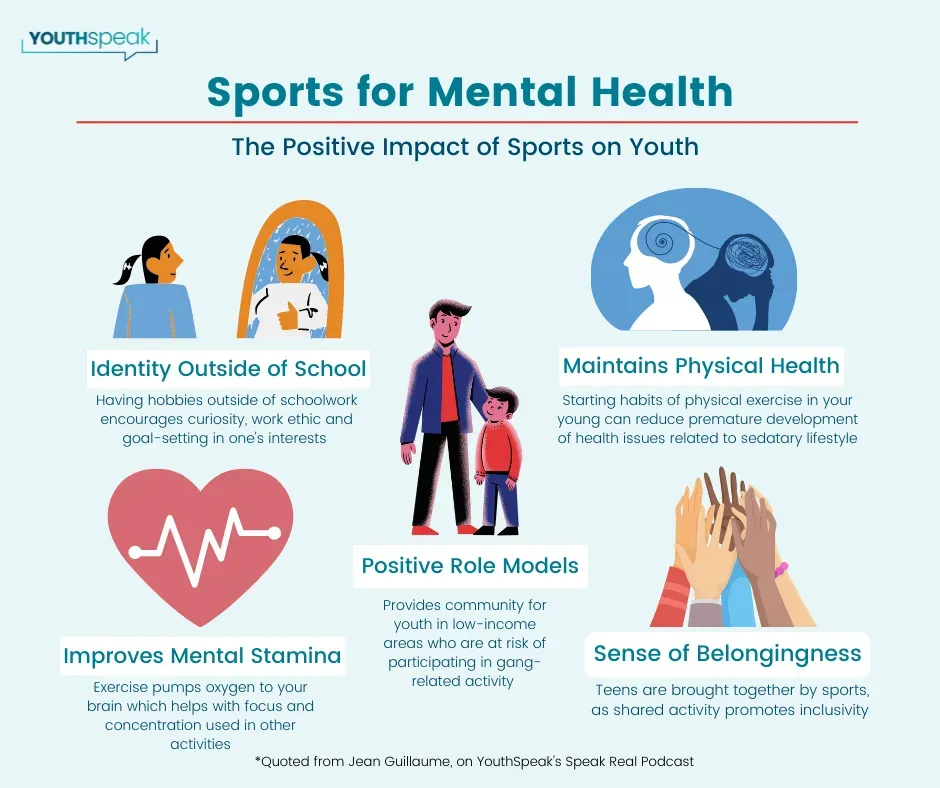
The impact of sport on mental health is profound and multifaceted. Engaging in a sport can lead to a reduction in symptoms related to various psychological conditions, such as depression and anxiety. Research suggests that individuals who regularly participate in physical activities showcase decreased levels of stress and improved overall mood. Sports not only provide a means of physical exercise; they also offer an opportunity for social interactions, which can be beneficial for individuals struggling with feelings of isolation.
Moreover, team sports often cultivate a strong sense of community, fostering relationships that significantly contribute to emotional support and mental well-being. The camaraderie experienced in team sports can counteract loneliness and increase feelings of belonging and acceptance, vital components in the fight against mental health challenges. Through shared goals and achievements, sports can also instill a strong sense of purpose, which can further positively influence mental health.
Exercising to Combat Depression: How Sports Help
Exercising regularly is one of the most effective strategies for combating depression. Various studies have demonstrated that individuals who engage in physical activities, such as team sports or individual workouts, show significant improvements in their depressive symptoms. Physical activity enhances the production of neurotransmitters like serotonin and dopamine, which are crucial for regulating mood and emotional well-being. Furthermore, the physical benefits of exercising can lead to improved self-image, which correlates highly with reduced depression rates.
Furthermore, the combination of physical exertion and structured participation in sports can provide a distraction from negative thoughts, a core symptom of depression. By focusing on the game, the competition, or the team, individuals can temporarily distance themselves from their worries, allowing for mental clarity and rejuvenation. Ultimately, incorporating sports into daily routines can serve as a valuable complement to traditional therapeutic approaches for treating depression.
Team Sports and Mental Well-Being
Team sports play a pivotal role in enhancing mental well-being, primarily due to the social connections they foster. Participation in team-based activities encourages communication, collaboration, and mutual support among teammates. These interactions can help individuals build lasting friendships and networks of social support, which are essential for promoting mental health. Notably, the social aspects of team sports allow participants to share experiences and emotions, creating a sense of belonging that bolsters self-esteem.
Moreover, the competitive nature of team sports can motivate players to push their limits while learning valuable life skills such as resilience and teamwork. Such experiences are beneficial not only for physical health but also for mental strength. Consequently, team sports serve as an effective platform for individuals to develop practical coping skills that can help them navigate personal challenges outside the sport.
The Role of Physical Activity in Stress Reduction
Physical activity is widely recognized as a powerful tool for stress reduction. By engaging in sports, individuals release adrenaline and endorphins, which can alleviate feelings of stress and anxiety. This physiological response is crucial for combating day-to-day pressures, allowing individuals to feel more relaxed and focused. Over time, regular participation in sports can also contribute to a more stable mood, providing a long-term solution for managing stress.
Furthermore, the routine of participating in sports helps establish a structured lifestyle, which can significantly reduce feelings of overwhelm. Whether through scheduled practices or game days, this structure not only gives a sense of purpose but also provides opportunities for individuals to take breaks from their hectic lives, ultimately fostering mental resilience and a more balanced outlook on life.
Building Confidence Through Sports
Engaging in sports is an effective way of building confidence and enhancing self-esteem. When individuals set and achieve goals within their sports participation, it provides a sense of accomplishment that translates into other aspects of life. Mastering a skill, winning a match, or simply completing a workout can reinforce a positive self-image, significantly boosting one’s confidence levels.
This newfound confidence extends beyond sports; individuals often find themselves applying the determination and resilience gained from sports participation in their professional and personal lives. The success achieved in sports translates into other skills, encouraging individuals to take on new challenges and face adversity with a stronger mindset.
Mental Health Benefits of Sports: A Holistic Approach
Engaging in sports offers a holistic approach to mental health, encompassing various benefits that touch on emotional, social, and psychological well-being. Not only does participating in sports encourage a physically active lifestyle, but it also promotes mental agility and social interaction. The interconnectedness of these aspects creates a comprehensive framework that supports and enhances overall mental health.
In addition to physical exercise, sports provide an avenue for individuals to engage with others, forming bonds that can lead to improved support systems. This social engagement is crucial for emotional recovery and resilience, allowing individuals to feel connected and supported in their mental health journey. Consequently, the mental health benefits of sports extend far beyond just physical fitness, creating a well-rounded approach to overall wellness.
Getting Started with Sports for Mental Wellness
If you’re looking to harness the mental wellness benefits of sports, starting can seem daunting, but it doesn’t have to be. Begin by choosing activities that excite you—whether it’s a local soccer club, yoga classes, or running groups. Finding something you enjoy increases the likelihood of sticking with it, ultimately making it a sustainable habit that enhances your mental health.
Additionally, setting attainable goals is imperative while embarking on this journey. Goals can be as simple as participating in one practice a week or gradually increasing your running distance. As you progress and achieve these goals, you’ll reinforce your commitment to a healthier mental state. Lastly, don’t forget to celebrate small victories; recognizing these achievements can further boost your confidence and motivation!
Exploring Different Sports to Find Your Fit
Exploring a variety of sports can be an enjoyable process, and finding the right fit is essential to enjoying the mental health benefits of physical activity. Trying out different sports exposes individuals to new experiences, social groups, and skill sets, all of which can enhance engagement. From team sports like basketball to individual activities like cycling or martial arts, there is a vast array of options to consider.
In addition to finding a sport that resonates with you, exploring different activities can also prevent burnout and keep your routine exciting. Mixing up physical activities not only helps in developing diverse skills but also keeps the motivation high. As you experiment, you may also discover unexpected interests or passions that can contribute significantly to your overall mental well-being.
Frequently Asked Questions
What are the mental health benefits of sports participation?
Engaging in sports provides numerous mental health benefits, including reduced symptoms of depression and anxiety, improved mood, enhanced emotional resilience, and increased self-esteem. Physical activity can help release endorphins, boosting overall well-being.
How does physical activity impact mental well-being?
Physical activity positively impacts mental well-being by reducing stress hormones and promoting serotonin production, which regulates mood. Regular exercise through sports can lead to lower anxiety levels and a general sense of happiness.
Can sport help in managing anxiety and depression?
Yes, participating in sports can significantly help manage anxiety and depression. Exercise reduces levels of adrenaline and cortisol, the body’s stress hormones, while also encouraging social interactions that alleviate feelings of isolation.
What role does exercise play in improving mood and emotional health?
Exercise plays a crucial role in improving mood by increasing endorphin levels, which can lead to a more positive emotional state. Regular sports involvement helps enhance self-efficacy, resulting in greater emotional resilience.
How does sports participation enhance cognitive function?
Regular engagement in sports can enhance cognitive function by improving memory, focus, and strategic thinking. Physical activity stimulates mental processes, leading to better performance in academic and professional settings.
What is the relationship between team sports and social connections?
Team sports foster strong social connections and a sense of belonging among teammates. This social interaction contributes positively to mental health by promoting happiness and reducing stress and anxiety.
What are some tips for starting sports to improve mental health?
To improve mental health through sports, choose activities you enjoy, set realistic goals, join local teams, stay consistent, try new sports, and listen to your body to prevent injuries and burnout.
Are there specific sports that are particularly beneficial for mental health?
While any sport can benefit mental health, team sports like soccer, basketball, or volleyball may offer additional advantages due to social interaction, while individual activities like running or yoga can also provide enhanced mood and stress relief.
How can sport participation lead to higher self-esteem?
Participation in sports can boost self-esteem by providing a sense of accomplishment and recognition through achieving personal and team goals, which contributes to a healthier self-image and body confidence.
What are the long-term effects of sports on mental wellness?
Long-term engagement in sports can lead to sustained improvements in mental wellness, including ongoing reductions in anxiety and depression, improved mood stability, enhanced cognitive function, and stronger social relationships.
| Key Points | Description |
|---|---|
| The Connection Between Sport and Mental Health | Engaging in sports triggers endorphin release, improving mood and lowering stress. |
| Reducing Symptoms of Depression and Anxiety | Sports decrease stress hormones and encourage serotonin production, alleviating depression. |
| Improving Mood and Emotional Resilience | Regular sports participation enhances mood and emotional resilience through endorphin production. |
| Enhancing Cognitive Function and Focus | Physical activities improve cognitive abilities, resulting in sharper focus and better memory. |
| Building Confidence and Self-Esteem | Achieving sports goals boosts self-esteem and promotes a positive body image. |
| Fostering Connections and Belonging | Team sports enhance social bonds, contributing to lower stress and increased happiness. |
Summary
The impact of sport on mental health is profound and wide-ranging. Engaging in physical activities leads to the release of endorphins, which enhance mood and help combat feelings of anxiety and depression. Sports also improve emotional resilience, cognitive function, and self-esteem, while fostering connections among teammates and communities. As individuals incorporate sports into their lives, they not only boost their physical health but also ensure a significant improvement in their mental well-being. In summary, integrating sports into one’s routine can lead to a happier, healthier life.