
Listen to this article
The impact of remote work on modern business models is reshaping how companies operate and thrive in today’s fast-paced environment. As organizations transition to flexible work arrangements, they are discovering both remarkable remote work benefits and notable challenges of remote work that can influence productivity. This shift not only allows firms to tap into a global talent pool but it also begs the question: how can traditional business practices adapt to this evolving landscape? With increasing preferences for hybrid work models, companies must be proactive in addressing the unique hurdles remote work presents. Ultimately, the future of work demands a strategic approach to harness the full potential of remote teams while maintaining engagement and accountability.
Exploring the ramifications of telecommuting on current corporate frameworks reveals a fascinating transformation at play in contemporary workplaces. This shift towards flexible employment encompasses various aspects, from accelerating the adoption of digital tools to overcoming the challenges associated with a distributed workforce. As businesses embrace the hybrid work model, they must navigate the intricate balance between maintaining productivity and fostering a sense of community among employees. The rise of this work format is prompting leaders to rethink how they manage their teams and engage talent from diverse backgrounds. It’s crucial for organizations to not only recognize the rising trend of remote work but also to devise effective strategies for implementing these changes seamlessly.
Understanding the Shift to Remote Work
Remote work has emerged as a transformative trend, fundamentally altering how businesses operate. The shifts can be traced back to advancements in technology that allow teams to connect and collaborate regardless of their physical location. In fact, the COVID-19 pandemic accelerated this transition, pushing organizations to adopt remote work models overnight. Many employees have reported that being able to work from home reduces stress and allows for greater flexibility, leading to a broader acceptance of this work style.
However, this shift is not without its challenges. Companies are now experiencing the need to adapt their corporate cultures to ensure that remote workers feel included. Traditional team-building exercises, which were commonplace in office environments, must be reimagined for virtual spaces, indicating a new culture of work that values creativity and adaptability.
Advantages of Remote Work for Businesses
The benefits of remote work extend beyond mere convenience; they also encompass significant economic advantages. Businesses can experience substantial savings on overhead costs, such as rent and utilities, allowing them to reallocate funds towards innovation and employee development. Furthermore, organizations gain access to a diverse talent pool, which helps them remain competitive in a global market where the best talent can be anywhere.
Moreover, the remote work model often leads to happier employees. Increased flexibility contributes to a better work-life balance, which is crucial for employee satisfaction. When employees are satisfied, they are likely to be more engaged and productive, which ultimately benefits the overall performance of the business.
Challenges of Remote Work: Communication and Accountability
While remote work presents numerous benefits, it is not without its complexities. One of the most pressing challenges is ensuring effective communication among employees. With teams often spread across various time zones, fostering collaboration becomes a significant hurdle. Miscommunication can lead to misunderstandings and project delays, underscoring the importance of implementing clear communication strategies to keep everyone aligned.
Additionally, establishing accountability in a remote setting can be tricky. Companies need to develop robust performance metrics that evaluate productivity without infringing on employee autonomy. This balance is crucial, as too much micromanagement can undermine trust and motivation among staff.
Navigating Isolation and Engagement Issues
A major concern with remote work is the risk of isolation among employees. Missing the social interactions of a traditional office environment can adversely affect morale and mental health. Companies must take proactive measures to foster a sense of community, whether through virtual social gatherings or team-building activities that engage employees, regardless of their location.
Moreover, it is essential for organizations to prioritize employee engagement strategies that resonate with remote workers. This not only includes regular check-ins to discuss workload and feedback but also recognition of achievements and contributions, which can significantly enhance team spirit.
Embracing the Future of Work: Hybrid Models
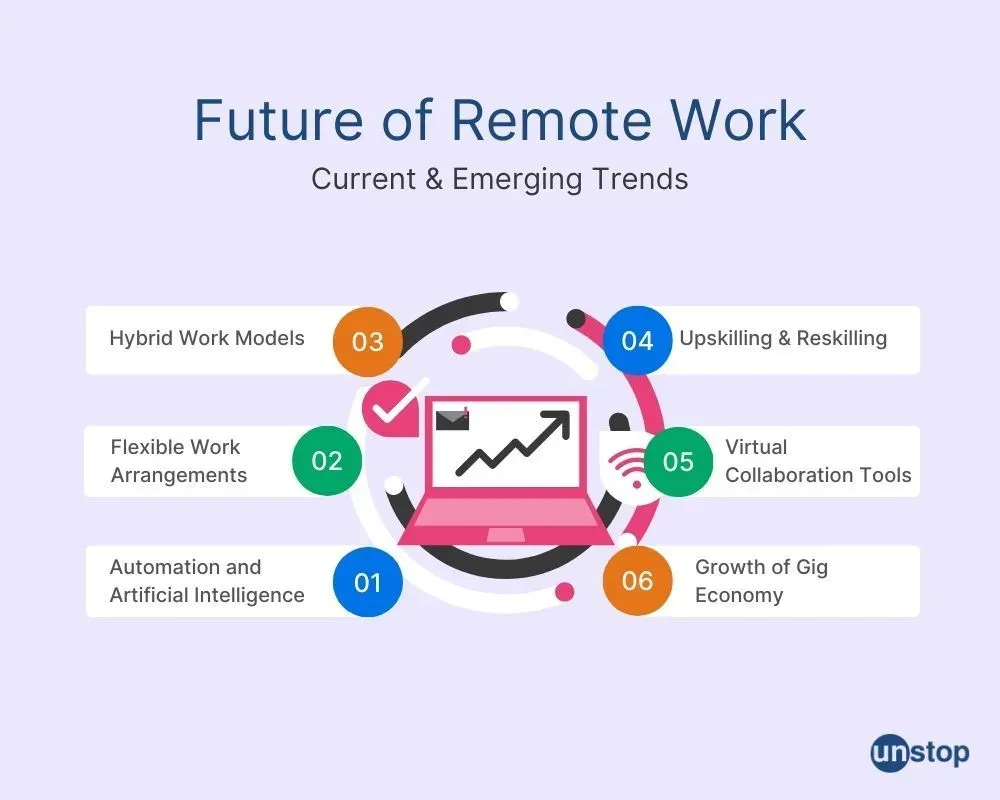
As organizations look ahead, many are adopting hybrid work models that combine the best of both remote and in-office arrangements. This approach allows businesses to maintain flexibility while also capitalizing on the benefits of direct in-person collaboration when necessary. By merging these methodologies, companies can cater to varying employee preferences and cultivate an inclusive culture that addresses diverse work styles.
Furthermore, hybrid models provide a unique opportunity to innovate workplace policies and environments. Leaders can experiment with different setups to identify the optimal balance between remote work and office presence, thus ensuring productivity while boosting employee satisfaction in line with workforce expectations.
Strategies for Successful Remote Work Implementation
To successfully implement remote work, businesses must invest in reliable technology solutions that facilitate collaboration and communication. Tools such as cloud storage, video conferencing software, and collaborative platforms are essential for maintaining team cohesion and productivity. Additionally, organizations should consider providing adequate training to ensure that all employees can effectively navigate these technologies.
Another key strategy involves establishing clear communication protocols. Routine check-ins, updates, and virtual meetings help keep everyone aligned with company goals while fostering a sense of belonging. By promoting transparency and consistent interaction, companies can significantly enhance their remote working experience.
Supporting Employee Well-Being in Remote Work Environments
Fostering employee well-being is crucial in remote work settings. Employers can provide resources for mental health, such as counseling services or wellness workshops, to help workers cope with the challenges of isolation and stress. Making mental health a priority contributes to a supportive workplace culture where employees feel valued and understood.
In addition, promoting work-life balance is essential. Employers should encourage their staff to establish boundaries between work and personal life, as the blurred lines of remote work can lead to burnout. Activities such as ‘no-meeting’ days or mandatory breaks can positively impact mental health and overall productivity.
Frequently Asked Questions
What are the main benefits of remote work for modern business models?
Remote work offers numerous benefits to modern business models, including cost savings from reduced office space and overhead, access to a global talent pool fostering diversity, enhanced employee satisfaction due to flexible work environments, and increased productivity as many remote workers report fewer distractions. Additionally, remote work contributes positively to environmental sustainability by lowering carbon emissions from commuting.
What are the challenges of remote work that companies need to address?
Companies face several challenges with remote work, including communication breakdowns due to geographical dispersion, feelings of isolation among employees, difficulties in performance measurement, increased security risks, and maintaining employee engagement and company culture. Overcoming these challenges requires robust communication strategies, regular check-ins, and investing in technology.
How does remote work impact productivity in modern business models?
Remote work has a significant positive impact on productivity, as studies indicate that remote workers may be up to 13% more productive than their in-office counterparts. The reduction of commuting time, fewer workplace distractions, and flexible working hours contribute to a work environment that enhances focus and output, thus benefiting modern business models.
What strategies can businesses implement to embrace remote work effectively?
To effectively embrace remote work, businesses should invest in technology that facilitates collaboration, establish clear communication channels, promote work-life balance among employees, cultivate a strong remote-first culture, and provide mental health support. These strategies ensure that the transition to remote work aligns with modern business models.
What does the future of work look like with the rise of remote and hybrid work models?
The future of work is likely to be dominated by hybrid models that combine remote and in-office work, fostering flexibility while maintaining some traditional office interactions. As businesses adapt to these models, they will focus increasingly on employee well-being, productivity metrics, and creating inclusive work environments that cater to diverse employee needs.
How can companies maintain culture in a remote work environment?
Maintaining company culture in a remote work environment requires intentional efforts to foster connection among employees. Companies can host virtual team-building activities, promote open communication, recognize achievements, and enhance inclusivity. Cultivating a remote-first culture that resonates with both remote and in-office employees is vital for modern business models.
What role does employee mental health play in the success of remote work models?
Employee mental health is crucial to the success of remote work models, as feelings of isolation and stress can negatively impact productivity and satisfaction. Companies should offer mental health resources, encourage regular breaks, and promote wellness initiatives to support employee well-being, ultimately leading to a more engaged and productive workforce.
| Key Points | Details |
|---|---|
| The Shift to Remote Work | Remote work is increasingly popular thanks to technology and employee preferences. |
| Advantages of Remote Work | 1. Cost Savings: Reduces expenses on office space and overhead. 2. Access to Global Talent: Hiring from anywhere increases diversity and skill range. 3. Increased Employee Satisfaction: Flexibility leads to better work-life balance. 4. Enhanced Productivity: Fewer distractions yield higher output. 5. Environmental Benefits: Reduced commuting lowers carbon emissions. |
| Challenges of Remote Work | 1. Communication Breakdowns: Need for effective digital communication. 2. Isolation: Fostering community to combat mental health issues. 3. Accountability: Developing clear performance metrics is crucial. 4. Security Concerns: Robust cybersecurity measures are necessary. 5. Employee Engagement: Maintaining corporate culture remotely. |
| Strategies for Implementing Remote Work | 1. Invest in Technology: Ensure tools for seamless collaboration. 2. Establish Communication Channels: Regular interactions and updates. 3. Promote Work-Life Balance: Encourage setting boundaries. 4. Cultivate Remote-First Culture: Engage all employees inclusively. 5. Provide Mental Health Support: Offer resources to manage stress. |
Summary
The impact of remote work on modern business models is profound as it significantly reshapes how organizations operate. In a dialogue between business leaders, it’s clear that adapting to remote work not only enhances productivity but also necessitates a reevaluation of employee engagement and management strategies. Leaders recognize that while remote work brings undeniable advantages, such as cost savings and access to a wider talent pool, it also poses challenges that require innovative solutions. As businesses navigate this landscape, fostering an inclusive remote culture and prioritizing employee well-being will be crucial for sustainable success in a new era of work.

