Listen to this article
UK mortgage rates fluctuate significantly in response to the ongoing shifts in the economy, making them a hot topic for potential homeowners and investors alike. As inflation continues to rise, the economic impact on mortgage rates becomes even more pronounced, prompting expert forecasts to suggest that consumers should stay alert to changing dynamics. Recent trends indicate that the housing market in the UK is experiencing notable changes, with predictions on future mortgage rates reflecting both optimism and caution. Understanding the interplay between inflation and mortgage rates is essential for navigating this complex landscape. In this article, we will explore how various economic factors shape mortgage rates, guide prospective buyers through the current market climate, and offer insights for making informed decisions in an evolving economy.
When it comes to understanding the financial landscape of home loans in the UK, grasping the nuances of mortgage pricing is vital. The debt incurred by homebuyers is influenced by numerous economic conditions, including the state of the housing market and prevailing inflation rates. Recent forecasts suggest that shifts in the UK economic environment could alter borrowing costs, making it crucial to comprehend how various factors interact. This informative piece will delve into the effects of economic indicators on housing finance, providing clarity on expected trends and expert insights that can aid in making sound mortgage decisions. By examining these elements, individuals can better anticipate the financial implications of their housing choices.
Understanding the Link between Economic Conditions and UK Mortgage Rates
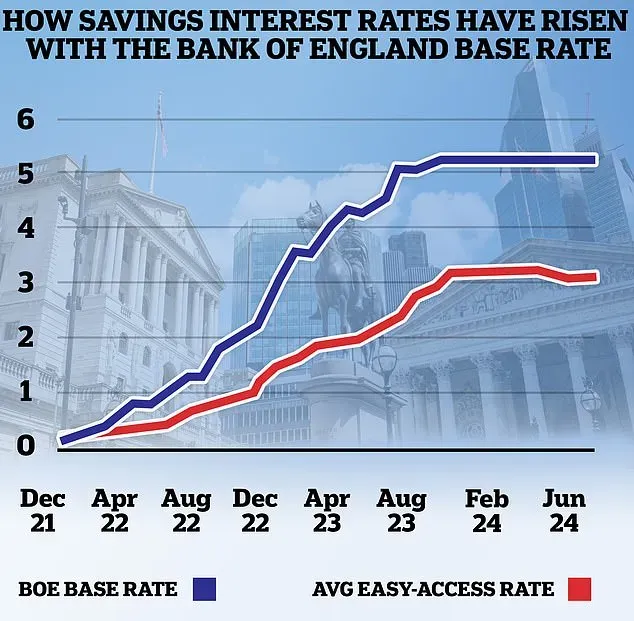
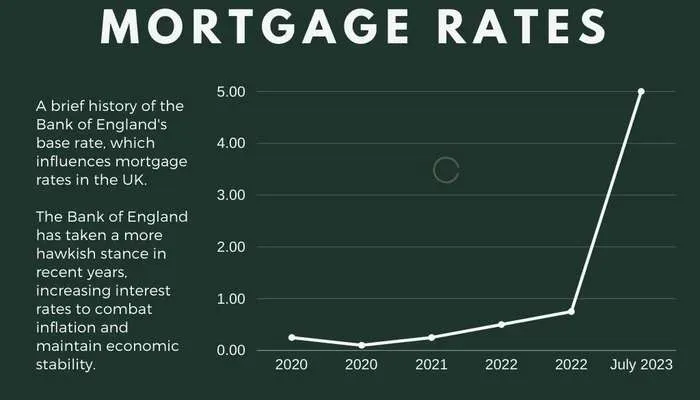
UK mortgage rates do not operate in isolation; they are a reflection of the broader economic landscape. Economic conditions such as inflation, employment rates, and GDP growth exert significant influence on the pricing of mortgage products. For instance, as inflation rates soar, the Bank of England may respond with tactical increases in the base interest rate to control excessive price rises, which in turn directly raises mortgage rates for consumers. This interaction highlights the importance of keeping an eye on economic indicators when considering home financing options.
Additionally, understanding employment rates is crucial as they impact consumer confidence and spending. A robust job market tends to breed optimism, leading to increased demand for housing and consequently pushing mortgage rates higher as lenders perceive less risk. Conversely, high unemployment can lead to decreased demand and lower mortgage rates as banks compete to attract borrowers. Therefore, potential homeowners and investors should remain vigilant regarding these economic signals.
Current Inflation Trends and Their Implications for Mortgage Rates
Inflation has emerged as one of the most formidable influences on UK mortgage rates in recent years. The prevailing inflationary pressures, largely driven by disruptions in global supply chains and rising post-pandemic demand, have compelled the Bank of England to frequently adjust its base rate. As inflation climbs, so too do the costs of borrowing, which translates to higher mortgage rates for consumers. This cycle can make it particularly challenging for first-time buyers or those on fixed incomes who may struggle to keep up with rising housing costs.
With inflation rate predictions suggesting a potential plateau in the coming years, it is essential for prospective homebuyers to stay informed about these changes. Should inflation stabilise, we might observe a softening of mortgage rates, creating more accessible opportunities for borrowing. Keeping abreast of inflation indicators may allow homebuyers to strategically time their entry into the market or refinancing options.
Expert Predictions on Future Mortgage Rates in the UK
Leading economists predict a trend of rising UK mortgage rates in the near term as the Bank of England implements further hikes to stifle inflation. These continued rate increases reflect broader economic strategies aimed at balancing growth and borrowing costs. Therefore, individuals looking to secure home loans in an environment of rising interest must act quickly to lock in fixed-rate mortgages before they increase further.
However, looking towards the next few years, some analysts foresee a potential stabilization phase in mortgage rates post-2024. As inflationary pressures diminish, it is anticipated that the base interest rate will level off, allowing for the possibility of more affordable mortgages. Emerging from these predictions, prospective buyers may want to keep potential purchases on hold for a few months to evaluate the evolving situation.
The Significance of the Housing Market Trends in the UK
Housing market trends in the UK play a pivotal role in determining mortgage rates. In periods of high demand coupled with limited housing supply, property prices tend to inflate, leading lenders to increase mortgage rates to account for perceived lending risks. Conversely, a housing market slowdown often results in property depreciation, which can lower mortgage rates. Understanding these dynamics is crucial for individuals entering the housing market, as timing can significantly affect affordability.
Current trends show a housing market grappling with an imbalance between supply and demand, spurred on by government initiatives aimed at boosting homeownership. As these policies yield results, we may see a gradual decrease in property prices, potentially allowing for more favourable mortgage terms in the future. Homebuyers should monitor these trends closely to make informed purchasing decisions.
How Government Policies Shape UK Mortgage Rates
Government policies significantly impact UK mortgage rates and overall lending conditions. Recent initiatives, such as the Help to Buy scheme, have introduced support avenues for potential homebuyers, stimulating greater access to the housing market. These policies can create competitive environments amongst lenders, prompting them to offer more attractive mortgage rates, thereby decreasing borrowing costs.
Furthermore, changes in fiscal policies can also directly affect consumer confidence and spending behaviour, which in turn influences mortgage demand. Stakeholders should keep a close eye on upcoming government policies and proposals, as shifts can create ripple effects throughout the mortgage landscape.
Navigating the Financial Landscape: Tips for Homebuyers
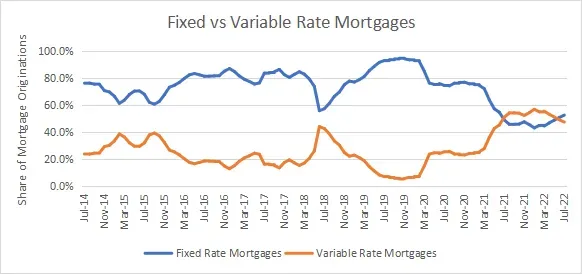
In a fluctuating economic and mortgage rate environment, it is critical for homebuyers to navigate their options strategically. One recommendation is to lock in mortgage rates when they are forecasted to rise. Fixed-rate mortgage products can offer security against future increases, enabling buyers to manage long-term financial commitments without fear of sudden cost escalations.
Another important tip for potential homebuyers is to engage with mortgage brokers or financial advisors who possess a deep understanding of current market conditions. Their expertise can help buyers identify suitable products and make informed borrowing decisions catering to their circumstances and financial abilities.
Frequently Asked Questions
What are the key economic factors affecting UK mortgage rates?
UK mortgage rates are influenced by several economic factors, including inflation rates, employment stability, housing market trends, and government policies. High inflation typically leads to increased mortgage rates as the Bank of England adjusts its base rate to control borrowing costs.
How do inflation rates impact mortgage rates in the UK?
Inflation rates have a direct effect on UK mortgage rates. As inflation rises, the Bank of England often increases interest rates to manage economic growth, which in turn raises mortgage rates for homebuyers. This connection is particularly crucial during economic recovery phases.
What are the predictions for future mortgage rates in the UK?
Experts predict that UK mortgage rates may continue to rise in the short term as the Bank of England tackles inflation. However, there is also speculation about potential stabilization post-2024, as inflation rates could begin to taper off, possibly leading to lower borrowing costs for homebuyers.
How do housing market trends influence mortgage rates in the UK?
Housing market trends significantly affect UK mortgage rates. When there is high demand and a shortage of housing, prices increase, leading to higher perceived risks for lenders, which can raise mortgage rates. Conversely, a balanced supply and demand can stabilize rates.
What role does employment stability play in UK mortgage rates?
Employment stability enhances consumer confidence and increases housing demand, which directly impacts UK mortgage rates. A strong job market typically leads to higher demand for mortgages, subsequently influencing lenders to adjust rates based on perceived borrowing risks.
How can potential homebuyers prepare for changes in UK mortgage rates?
Potential homebuyers should consider locking in fixed-rate mortgages to avoid rising costs, budget for possible rate increases, and seek advice from mortgage professionals. Staying informed on economic trends can help navigate the mortgage landscape effectively.
| Key Economic Factors | Impact on UK Mortgage Rates |
|---|---|
| Inflation Rates | Directly increases mortgage costs as borrowing becomes more expensive. |
| Employment Rates | Higher job stability boosts housing demand, possibly increasing mortgage rates. |
| Housing Market Trends | A shortage of houses raises prices and mortgage rates as lenders perceive higher risk. |
| Government Policies | Initiatives like Help to Buy can stabilize the mortgage landscape and influence rates. |
Summary
UK mortgage rates are significantly influenced by various economic factors, making it essential for potential homebuyers to stay informed about these trends. The ongoing inflation crisis, job market stability, housing supply dynamics, and government interventions all play crucial roles in determining mortgage costs. Experts predict that mortgage rates may continue to rise in the short term due to efforts to combat inflation, but stabilization is anticipated post-2024 as the economy recovers. Homebuyers are advised to keep an eye on these economic indicators and seek professional guidance to navigate the mortgage landscape effectively.