
Listen to this article
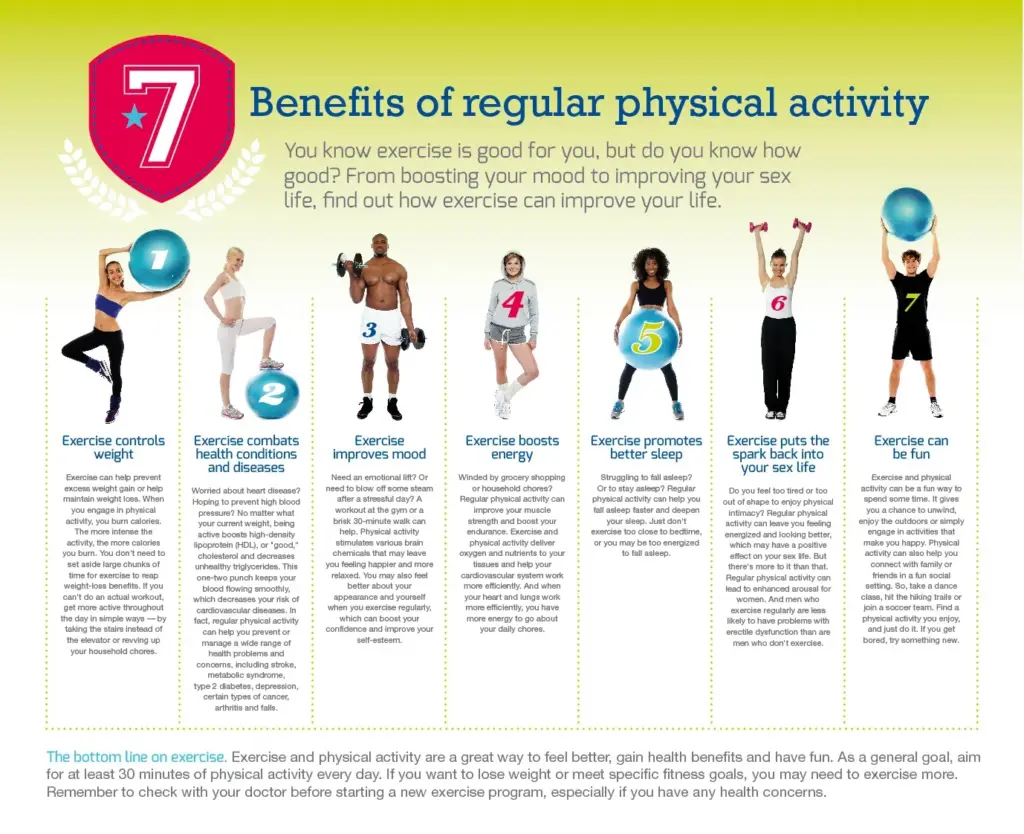
The health benefits of regular sport participation are substantial and multifaceted, influencing not only physical well-being but also mental and emotional health. Engaging in sports activities significantly boosts cardiovascular fitness, fosters lifelong fitness habits, and enhances social interactions among participants. Studies indicate that the sports health benefits extend to stress reduction and improved sleep quality, all resulting in a better quality of life. Moreover, those who engage in regular sports reap rewards such as increased muscle strength and enhanced mental clarity, aiding both personal and professional endeavors. As we explore the connection between sports and overall health, it becomes clear that embracing regular sport participation is a pathway to holistic wellness.
Regular involvement in athletic activities, often referred to as physical exercise or sportsmanship, yields numerous advantages for individuals of all ages. The array of benefits includes improved physical fitness, enhanced mental well-being, and increased social connectivity. Individuals engaged in physical activities often report better stress management, weight control, and stronger muscle endurance, contributing to a healthier lifestyle. Not only does participating in sports help in developing lifelong fitness habits, but it also fosters communication and teamwork skills, essential for both personal and professional success. Overall, the positive impact of consistent sport engagement on health underscores the importance of an active lifestyle.
Physical Health Benefits of Sports Participation
Engaging in sports has undeniable physical health benefits that can transform an individual’s overall well-being. Regular physical activity through sports increases cardiovascular endurance, which is crucial in preventing heart-related diseases. Activities that elevate the heart rate, such as running, cycling, and swimming, facilitate improved blood circulation and lung function, ultimately reducing the risk of hypertension and stroke. As people become more aware of these sports health benefits, many are inclined to incorporate physical activities into their daily routines for better long-term health outcomes.
Moreover, consistent participation in sports can significantly aid in weight management. Through intense physical exertion, individuals burn calories efficiently, which is essential in maintaining a healthy weight or even losing excess pounds. This aspect of regular sport participation not only enhances physical appearance but also boosts self-esteem, further encouraging individuals to pursue a healthier lifestyle. As a result, sports participation serves as an effective strategy for combating obesity and promoting lifelong fitness habits.
Mental Health Benefits of Sports Participation
The mental health benefits derived from engaging in sports are profound and can lead to a drastically improved quality of life. Physical activity releases endorphins, which are hormones that help alleviate feelings of stress and anxiety. Participating in sports provides a natural outlet for relieving tension, helping individuals cultivate better emotional regulation. As individuals experience less anxiety and depression through consistent sports engagement, they not only enhance their mood but also improve their overall mental resilience.
Additionally, participating in sports can foster better sleep patterns, contributing to enhanced mental clarity and focus. Physical fatigue and the psychological satisfaction derived from sports can lead to deeper, more restorative sleep, which is critical for cognitive function and emotional stability. Improved sleep is associated with better concentration and lower distraction levels in daily tasks, thereby positively affecting work performance and academic pursuits.
The Importance of Social Interaction in Sports
The social interaction that comes with participating in sports cannot be underestimated. Team sports and group activities provide an excellent platform for building friendships and enhancing interpersonal skills. Joining a local league or participating in sports events enables individuals to interact with diverse people, fostering a sense of community and belonging. This social aspect not only enriches one’s life but also bolsters emotional support systems, which are vital for mental well-being in today’s fast-paced world.
Moreover, through sports, individuals develop and refine communication skills which are essential in both personal and professional environments. Whether it’s coordinating a team strategy or encouraging teammates, the necessity for clear communication in sports translates into effective interaction in all spheres of life. This enhancement of communication abilities can lead to heightened confidence and social awareness, as individuals learn to express themselves and collaborate with others effectively.
Lifelong Fitness Habits Through Sports
Participating in sports lays the groundwork for establishing lifelong fitness habits. The enjoyment and discipline developed through regular sports participation create routines that encourage individuals to prioritize their health long into the future. This commitment to physical fitness forms a positive cycle, where active participation begets more interest in healthy living practices, such as balanced nutrition and regular exercise.
Furthermore, the principles learned through sports—such as goal setting and perseverance—can be applied to other areas of life, enhancing personal development. With the foundation of lifelong fitness habits from sports, individuals are better equipped to navigate challenges both in and outside of athletic endeavors, leading to enhanced life satisfaction.
Enhanced Cardiovascular Fitness Through Sports
Engaging in sports significantly contributes to enhanced cardiovascular fitness, which is crucial for overall health and longevity. As people participate in activities that elevate their heart rate consistently, their cardiovascular systems strengthen, enabling more efficient oxygen circulation and nutrient delivery throughout the body. This improved heart health is vital in reducing the risk of chronic diseases such as heart attacks and strokes, making sports an essential part of a health-conscious lifestyle.
Additionally, sports encourage individuals to push their physical limits, which is essential for developing a stronger heart and better lung capacity. As athletes train over time, their bodies adapt, leading to lower resting heart rates and improved aerobic capacity. This ability not only boosts athletic performance but also positively impacts daily activities, making routine tasks easier and more manageable.
Sports as a Stress Reliever
Regular participation in sports is one of the most effective ways to relieve stress. Engaging in physical activity naturally elevates the production of endorphins, which are chemicals that help reduce pain and promote feelings of happiness. This phenomenon, often referred to as the ‘runner’s high,’ encapsulates how sports can act as a natural antidote to daily stressors, leading to improved emotional health and resilience.
In addition to endorphin production, the distractions sports provide can also help individuals escape from the pressures of life. Concentrating on sports strategies and techniques can serve as a meditative practice, allowing players to temporarily forget their worries. This mental shift fosters a positive mindset, as enjoying sports not only bolsters mental health but also equips individuals with tools to manage stress more effectively.
The Role of Nutrition in Sports Participation
The intricate connection between nutrition and sports participation is undeniable. Adequate dietary choices significantly impact athletic performance and overall health, emphasizing the importance of proper nutrition in sports-oriented lifestyles. Individuals engaging in regular sports often become more health-conscious, leading them to explore balanced diets that support their physical activities, thus promoting both physical and mental health.
Good nutrition fuels athletic performance and aids in recovery post-exercise, enabling participants to maintain their health in the long run. Consuming the right balance of macronutrients—carbohydrates, proteins, and fats—as well as staying hydrated enhances endurance and strength in sports activities, making nutrition a key component of effective performance and an overall healthy lifestyle.
Building Teamwork and Leadership Skills Through Sports
Participating in team sports effectively fosters essential skills like teamwork and leadership, which are valuable in all areas of life. As individuals work collectively towards common goals, they learn the importance of collaboration, patience, and mutual respect. These attributes not only enhance athletic performance but also translate seamlessly into professional environments where teamwork is key.
Additionally, taking on roles such as team captain or participating in group strategies provides opportunities for individuals to develop leadership skills. Learning to motivate and guide team members cultivates confidence and reinforces the value of responsibility and accountability. Such experiences contribute to comprehensive personal growth that extends far beyond the sports field.
Long-Term Mental Health Benefits of Sports
The mental health benefits of sports extend well beyond immediate stress relief or anxiety reduction. Long-term participation in sports contributes to greater psychological resilience against various mood disorders. Individuals who remain actively engaged in sports often report sustained improvements in self-esteem and emotional stability, providing them with the tools necessary to cope with life’s challenges.
Moreover, as individuals develop a regular sport participation habit, they may enhance their social networks through community and team involvement. This broader social engagement serves as a protective factor against stress-related illnesses, further reinforcing the importance of sports as a preventive measure for mental health issues. By making sports an integral part of their lives, individuals can lead fulfilling lives characterized by mental well-being and stability.
Frequently Asked Questions
What are the physical health benefits of regular sport participation?
Regular sport participation improves cardiovascular fitness, aids in weight management, enhances muscle strength and flexibility, and boosts the immune system. These sports health benefits contribute significantly to overall physical well-being.
How does regular sport participation enhance mental health?
Engaging in sports can reduce stress and anxiety by stimulating endorphin production. Additionally, sports participation helps improve sleep quality and enhances focus and concentration, showcasing the mental health sports benefits.
Can regular sports participation lead to lifelong fitness habits?
Yes, participating in sports helps individuals establish consistent workout routines that promote lifelong fitness habits. The discipline gained from sports can motivate healthier lifestyle choices throughout life.
What role does social interaction play in sports health benefits?
Sports encourage social interaction, helping individuals build friendships and improve communication skills. Such engagement fosters a sense of belonging and community, which is vital for emotional health.
How does participating in sports combat obesity?
Participating in sports burns calories and boosts metabolism, making it an effective method for weight management. Regular involvement in sports activities actively combats obesity and promotes a healthy body weight.
In what ways does regular sports participation boost the immune system?
Regular participation in sports enhances the immune system by promoting better circulation of immune cells, which may lead to fewer infections and a better overall quality of life.
What improvements in sleep patterns can be expected from engaging in sports?
Engaging in regular sports helps individuals fall asleep faster and enjoy deeper sleep, leading to significant improvements in sleep quality, which is essential for mental health.
How does sports participation affect cognitive function?
Sports participation enhances focus and concentration, leading to improved cognitive function. This boost can positively impact performance in academic and professional settings.
What is the impact of sports on nutrition and lifestyle choices?
Participating in sports promotes awareness of nutrition, hydration, and recovery needs, leading to healthier lifestyle choices, such as better eating habits and increased physical activity.
How can someone get started with regular sports participation?
To start participating in sports, explore various options available in your community, such as joining local teams, fitness classes, or organizing active outings with friends to incorporate sports into your routine.
| Benefit Type | Key Points |
|---|---|
| Physical Health Benefits | Improves cardiovascular fitness, aids in weight management, builds muscle strength and flexibility, boosts immune system. |
| Mental Health Benefits | Reduces stress and anxiety, improves sleep quality, enhances focus and concentration. |
| Social Interaction Benefits | Builds friendships and social skills, improves communication abilities. |
| Lifelong Fitness Habits | Creates routine, promotes a healthy lifestyle. |
Summary
The health benefits of regular sport participation are vital for maintaining overall well-being. Engaging in sports enhances various aspects of our lives, from physical health improvements like better cardiovascular fitness and weight management to significant mental health gains such as reduced stress and enhanced focus. Additionally, sports provide social interaction opportunities that foster friendships and communication skills. By establishing lifelong fitness habits, individuals can promote a holistic approach to health, ensuring a richer and more fulfilling life as they age. It’s crucial to recognize the far-reaching implications of consistent sports participation and embrace it for lasting health benefits.

