
Listen to this article
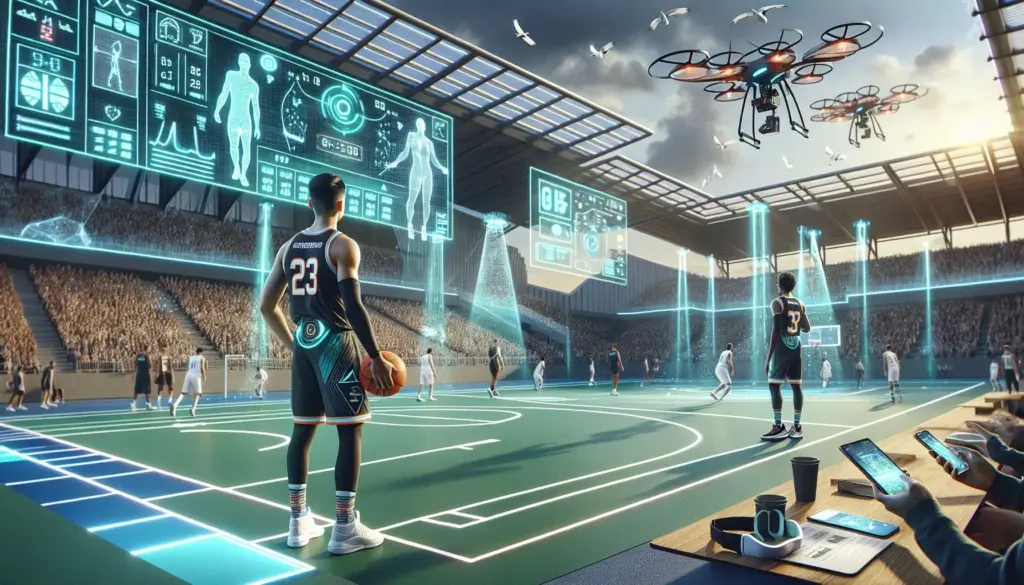
The **future of sports technology** is set to revolutionize the way we perceive and engage with athletics, introducing remarkable innovations that range from wearable technology to advanced data analytics. In the coming years, we can expect to see these sports innovations not just enhancing player performance, but also fundamentally changing fan experiences and coaching strategies. Leveraging AI in sports, augmented reality applications, and smart sports equipment creates a rich tapestry of possibilities that promise to elevate the game to unprecedented heights. Additionally, the integration of drones in sports is opening new avenues for analysis and player development, ensuring that teams stay ahead of the competition. As we dive into this technological evolution, it becomes clear that the **future of sports technology** will not only reshape how games are played but also redefine our relationship with sports altogether.
As we venture into the evolving realm of athletic technology, various groundbreaking advancements are on the horizon, fundamentally altering how sports are experienced and played. The intersection of technology and sports is paving the way for exciting developments such as fitness wearables, artificial intelligence applications, and immersive augmented reality platforms. Innovative tools like smart equipment and drones are becoming key players in enhancing both performance measurement and fan engagement. Furthermore, the rise of sports analytics is transforming how teams strategize, helping athletes optimize their performance through data-driven insights. In this new era, it’s evident that the synergy between technology and sports is not just changing the game; it’s revolutionizing it.
The Role of Wearable Technology in Athlete Performance
Wearable technology has emerged as a game-changer for athletes striving to enhance their performance. Devices like smartwatches, fitness trackers, and specialized athletic gear provide real-time data that enables athletes to monitor their health metrics effectively. By keeping an eye on heart rates, oxygen saturation levels, and recovery times, athletes can make data-driven decisions to optimize their training regimens and prevent injuries, thus maximizing their potential on the field.
The integration of wearable tech in sports doesn’t merely promote better physical performance; it contributes to overall wellness. Companies such as WHOOP are specifically creating devices tailored for athletes that analyze biometric data continuously. This technology plays a crucial role in understanding fatigue levels and recovery patterns, ensuring that athletes can maintain peak performance while minimizing the risk of injuries.
Augmented and Virtual Reality Transforming Training
The incorporation of augmented reality (AR) and virtual reality (VR) in sports training represents a significant shift from traditional practice methods. With VR, athletes can immerse themselves in simulated game scenarios, refining their skills without the physical wear and tear of actual gameplay. This method not only helps athletes practice strategically but also reduces the risk of injury during training sessions.
AR applications further enhance this by allowing coaches and athletes to overlay data and analytical insights onto real-life training sessions. This technology can provide instantaneous feedback, making it easier for players to understand their performance metrics and adjust their techniques accordingly, thus enriching the overall training experience.
The popularity of these immersive technologies signifies the growing importance of innovative approaches in athlete development, where traditional training methods are enhanced by digital tools.
How Data Analytics is Shaping Sports Strategy
The utilization of data analytics in sports is revolutionizing traditional strategies and decision-making processes. Coaches now employ sophisticated data analysis tools to gain insights on player performance, allowing for strategic adjustments based on player statistics. Every movement is meticulously tracked through various metrics, offering a detailed overview of athletes’ strengths and weaknesses.
For example, teams in league sports like basketball are applying analytics to evaluate player efficiency ratings, which informs decisions on match tactics and player deployment. This analytical approach not only optimizes training but also leads to better in-game strategies, making data a critical driver of success in the competitive landscape of professional sports.
Smart Equipment Integrating IoT for Enhanced Performance
The introduction of smart equipment powered by the Internet of Things (IoT) is revolutionizing how athletes interact with their gear. From intelligent basketballs that measure shooting performance to footballs equipped with sensors providing kick statistics, this integration of IoT technology enriches training sessions with valuable insights. Athletes can leverage the data from these devices to refine their techniques and improve their skills systematically.
As the presence of smart equipment in sports increases, coaches will no longer rely solely on intuition but on real-time analytics to make critical decisions during games. This marks a significant evolution in how sports are played and strategized, ensuring that athletes have the best tools at their disposal to enhance their performance.
Enhancing Broadcasting with Technology
As sports technology continues to evolve, so does the viewing experience for fans. Innovations such as 360-degree cameras and augmented reality overlays are transforming how fans interact with sports broadcasts. These tools allow viewers to explore games from unique angles and access real-time statistics, enhancing their understanding and enjoyment of the game.
Additionally, interactive streaming services are gaining traction, where fans can customize their viewing experiences by selecting different camera angles or engaging in live discussions. This level of engagement is reshaping how sports content is consumed, catering to the modern spectator’s preferences for immersive and interactive experiences.
Drones and Robotics: Innovations in Sports Training
Drones and robotics are becoming staple technologies in sports training and analysis. Robots, such as automated ball throwers and tackling dummies, create opportunities for athletes to practice without requiring human counterparts. This technology allows for a more controlled practice environment, which is particularly beneficial in technical sports like tennis and football.
Furthermore, drones are offering aerial perspectives during training and games, aiding coaches and analysts in evaluating player positioning and strategies from above. As the capabilities of these technologies expand, we can expect increasingly innovative applications that will help coaches and teams refine their tactics and enhance athlete performance.
Gamification Strategies to Boost Fan Engagement
Gamification has emerged as an influential method for enhancing fan engagement in sports. By integrating interactive features such as fantasy leagues and reward-based apps, teams can foster deeper connections with their fan base. This strategy encourages fans to partake actively in various competitions, making them feel like integral parts of the sports community.
Moreover, these gamified platforms not only boost attendance at live events but also enhance social media presence, allowing teams to interact with fans in diverse ways. The notion of earning rewards and recognition through engagement keeps fans invested in their favorite sports, ensuring they remain connected even when not watching games live.
Future of Sports Technology: Innovations on the Horizon
As we gaze into the future of sports technology, it’s clear that innovations will continue to reshape both player performance and viewer experiences. Emerging technologies, such as advanced AI in sports analytics and the integration of augmented reality for real-time player data, promise to redefine engagement levels for teams and fans alike.
Additionally, the increasing focus on sustainability through smart equipment and eco-friendly solutions in sports logistics is expected to become a significant trend. As the next generation of athletes, coaches, and fans engage with these technologies, the sports industry is poised for transformative growth, merging athletic skill with cutting-edge innovation.
The Impact of Sports Technology on Future Competitions
The impact of technology on future sports competitions will be profound, influencing everything from player preparation to fan experiences. By leveraging advanced analytics, teams will optimize player performance based on data-driven insights, creating more competitive matchups. This reliance on technology will set new benchmarks for athletic excellence, requiring athletes to adapt continuously.
Simultaneously, as fan experiences become increasingly interactive through technologies like VR and AR, traditional boundaries of spectatorship will blur. Fans will engage more deeply with their favorite teams as technologies enrich their viewing experiences, fostering an environment where sports are not just performances but immersive experiences.
Frequently Asked Questions
What is the future of sports technology and how is it evolving?
The future of sports technology is evolving through innovations that enhance performance, training, and fan engagement. Technologies such as wearable devices, AI in sports analytics, and augmented reality are reshaping how athletes interact with their environment and how fans experience games.
How will wearable technology impact athlete performance in the future of sports technology?
Wearable technology will significantly impact athlete performance by providing real-time data on health metrics, such as heart rate and fatigue levels. This data enables athletes to make informed training decisions and helps prevent injuries, ensuring peak performance during competitions.
What role does AI play in the future of sports technology?
AI in sports technology plays a crucial role in data analytics and personalized training. By analyzing extensive data sets, AI helps coaches and teams develop effective game strategies, optimize player performance, and make data-driven decisions that enhance competitive edge.
How is augmented reality changing the fan experience in the future of sports technology?
Augmented reality (AR) is transforming the fan experience by providing interactive content during live events. Fans can access real-time player statistics and immersive data overlays through their smartphones, enriching their engagement with the game and creating a deeper connection to the sport.
What advancements in smart sports equipment are expected in the future of sports technology?
The future of sports technology promises advancements in smart sports equipment, such as connected devices that track performance metrics. These innovations will enable real-time monitoring and analytics during training and games, allowing athletes and coaches to adjust strategies instantly.
How do drones enhance the coaching and analysis process in the future of sports technology?
Drones in sports provide aerial views for better analysis of game strategy and player positioning. They enable coaches to monitor player interactions from above, offering unique insights that can enhance training methods and game strategies as technology continues to advance.
What are the impacts of data analytics on team strategies in the future of sports technology?
Data analytics is revolutionizing team strategies by allowing coaches to analyze player performance comprehensively. Insights gained from big data enable teams to make informed tactical decisions, optimize training plans, and build winning rosters based on statistical evidence.
What potential does gamification hold for enhancing sports fan engagement in the future?
Gamification holds significant potential for enhancing sports fan engagement by creating interactive experiences through apps and platforms that reward fans for participation. This trend encourages deeper connections with teams and boosts attendance at games by making the fan experience more engaging.
How will streaming and broadcasting technologies evolve in the future of sports technology?
Streaming and broadcasting technologies will evolve with innovations such as interactive features, allowing fans to choose camera angles and access player stats in real-time. These improvements will create immersive viewing experiences, catering to modern consumers’ preferences for engaging sports content.
What are the future implications of robotics in sports training technology?
The future implications of robotics in sports training technology include the use of automated training devices, such as robotic tackling dummies or automatic ball throwers. These innovations will enhance athlete training efficiency, enabling more effective practice sessions and skill development.
| Category | Key Innovations | Impact on Sports |
|---|---|---|
| Wearable Technology | Smartwatches, fitness trackers | Monitor health and performance, prevent injuries. |
| AR and VR | Training simulations, real-time fan apps | Enhances training effectiveness and fan engagement. |
| Data Analytics | Performance tracking, personalized training | Improves team strategy and decision making. |
| Smart Equipment and IoT | Smart balls, sensor-equipped gear | Transforms training and game-day dynamics. |
| Enhanced Broadcasting | 360-degree cameras, streaming features | Elevates viewer experience and engagement. |
| Robotics and Drones | Robotic training tools, aerial game analysis | Enhances training methods and strategic planning. |
| Gamification | Fantasy leagues, interactive apps | Increases fan interaction and loyalty. |
Summary
The future of sports technology is poised to revolutionize the industry, affecting every aspect of the game. With advancements in wearable technology providing real-time data to athletes, augmented and virtual reality bringing immersive training and fan experiences, and data analytics transforming coaching strategies, we are witnessing a profound transformation. The integration of smart equipment and IoT is changing how athletes interact with gear, while enhanced broadcasting and gamification strategies are redefining viewer engagement. As we embrace these innovations, it’s clear that technology will play a pivotal role in shaping the future of sports, enhancing performance and fostering deeper connections between fans and their favorite teams.

