
Listen to this article
Technology in sports is reshaping the landscape of athletic performance in ways we never thought possible. From sophisticated wearable technology that monitors vital statistics to data analytics in sports that inform strategic decisions, advancements are enhancing how athletes prepare and compete. This integration of sports technology also fosters improved recovery practices, allowing athletes to bounce back faster than ever. Moreover, the rise of AI in sports is revolutionizing coaching methodologies, bringing data-driven insights to the forefront of training regimes. As we delve deeper into the impact of technology on sports, we will explore its transformative effects on performance, training, and fan engagement.
The intersection of innovation and athleticism is becoming a defining feature of modern sports. Emerging technologies offer unprecedented opportunities for athletes, coaches, and fans alike, providing tools that enhance practice sessions while informing competitive strategies. With the advent of virtual reality training, athletes can now simulate real-game pressure conditions, improving their psychological preparedness. Similarly, innovative applications in fan engagement bring supporters closer to the action, enriching the spectator experience. By examining these technological advancements, we gain a comprehensive understanding of how sports and technology are evolving hand in hand.
The Evolution of Wearable Technology in Sports
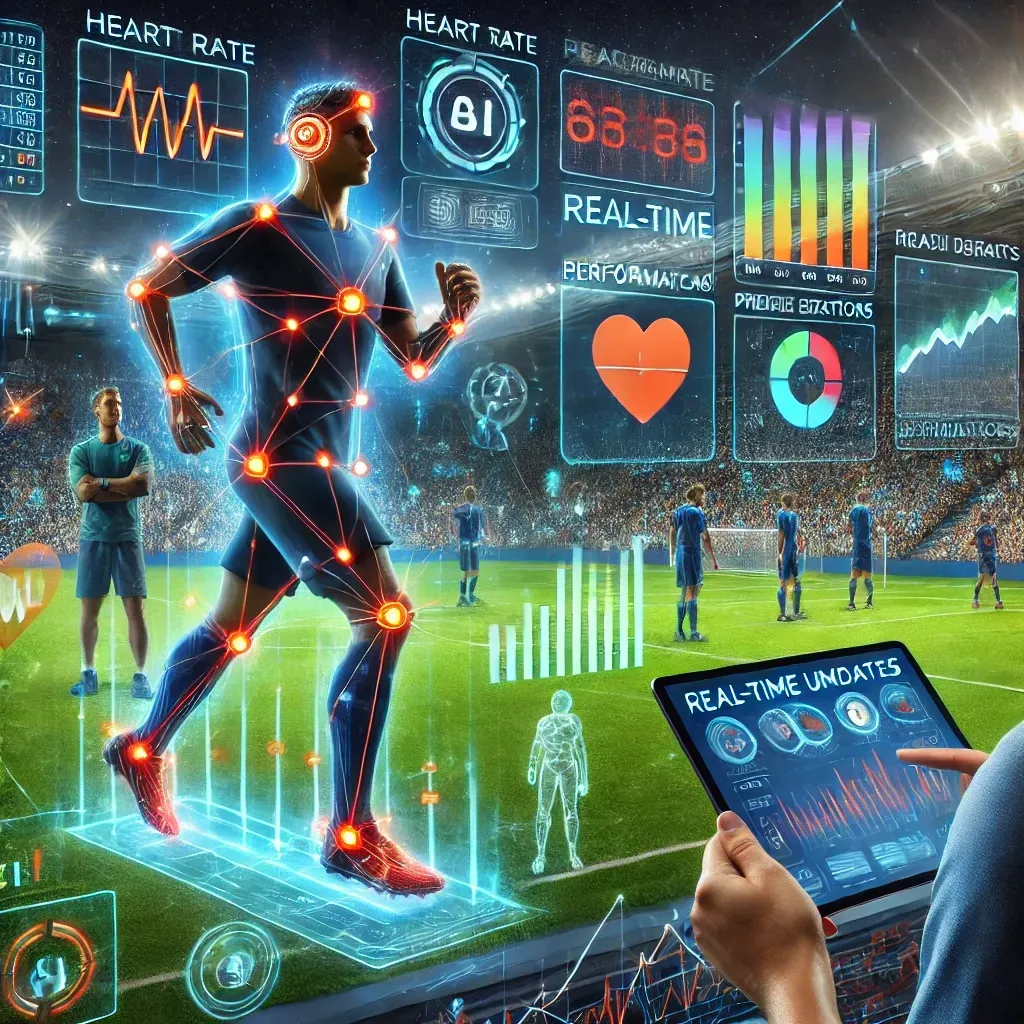
Wearable technology has transformed the landscape of athletic training and performance measurement. Devices such as smartwatches and fitness trackers collect valuable data on athletes’ physiological responses, including heart rate, sleep patterns, and overall activity levels. This data is crucial for tailoring training regimens that suit individual athletic needs, enhancing both training efficiency and injury prevention. As these devices become more advanced, they integrate features like GPS tracking and body temperature monitoring, which allow athletes to gain insights into their performance metrics in real-time.
Additionally, the integration of wearable technology provides coaches with an unprecedented ability to analyze athletes’ performance during training and competitions. By leveraging data analytics, coaches can assess the effectiveness of training techniques and strategies based on eliminating guesswork. With this data-driven approach, athletes receive immediate feedback on their performance, leading to more focused and personalized training plans that optimize their athletic potential.
Frequently Asked Questions
How is technology revolutionizing athletic performance in sports?
Technology in sports, through advancements like wearable devices and data analytics, is redefining athletic performance. These tools provide athletes and coaches with critical insights for tailored training programs, allowing for improved strategy and performance optimization.
What role does wearable technology play in sports training?
Wearable technology in sports, such as fitness trackers and heart rate monitors, is essential for tracking athletic performance metrics. They help athletes monitor key indicators like speed and heart rate, enabling coaches to develop personalized training regimens that enhance overall performance.
What is the impact of data analytics in sports management?
Data analytics in sports management revolutionizes training and strategy by processing vast amounts of game data, identifying strengths and weaknesses, and improving decision-making. This data-driven approach enhances competitive strategies and optimizes athlete performance.
How can virtual reality training benefit athletes?
Virtual reality training offers athletes immersive simulations of real competition scenarios, allowing them to practice in controlled environments. This technology prepares athletes for high-pressure situations, enhancing adaptability and performance during actual events.
In what ways does AI influence sports performance?
AI in sports provides predictive analytics that help athletes and coaches make informed training decisions. By analyzing large datasets, AI identifies patterns and insights that optimize performance, ultimately giving athletes a competitive edge.
How has fan engagement in sports changed due to technology?
Technology has transformed fan engagement in sports through interactive mobile applications, augmented reality experiences, and social media platforms. Fans can now access real-time stats, participate in games, and connect with athletes, greatly enhancing their game-day experiences.
What are the ethical considerations concerning technology in sports?
The introduction of technology in sports raises ethical concerns like data privacy, fairness, and accessibility. Issues such as technology-assisted performance enhancement and the digital divide may impact the integrity of competition and athlete equity.
Why is recovery technology important for athletes?
Recovery technology, including tools like cryotherapy chambers and wearable recovery devices, is crucial for athletes. These technologies facilitate faster recovery, monitor fatigue levels, and help prevent injuries by providing real-time feedback on an athlete’s biomechanics.
What advancements in technology can we expect in the future of sports?
The future of sports technology may include standard use of predictive analytics, AI coaching assistants, and advancements in biomechanics, all aimed at enhancing training effectiveness and minimizing injury risks while elevating athletic performance.
How do data-driven methodologies shape the future of sports?
Data-driven methodologies in sports are shaping the future by promoting a culture of analytics that focuses on comprehensive performance metrics. This shift leads to improved athlete preparation, more strategic gameplay, and higher levels of competition across all sports.
| Aspect | Description |
|---|---|
| Wearable Technology | Fitness trackers and heart rate monitors help athletes track performance and provide valuable data to coaches. |
| Artificial Intelligence (AI) | AI analyzes data for predictive analytics, allowing athletes to make informed decisions. |
| Data Analytics | Advanced software breaks down game footage for better strategies and performance analysis. |
| Virtual Reality Training | Simulated environments prepare athletes for competition by mimicking real-life pressures. |
| Recovery Innovations | Technologies like cryotherapy and recovery wearables help speed recovery and prevent injuries. |
| Fan Engagement | AR and mobile apps enhance fan experiences and connect athletes with their audience directly. |
| Ethical Considerations | Concerns about data privacy and fairness arise with increased technology use in sports. |
Summary
Technology in sports is transforming athletic performance through various innovations that enhance training, competition, and recovery. As we delve into the future, it is evident that the integration of wearables and data analytics will further advance athletic capabilities. Moreover, technologies like virtual reality and recovery innovations are changing how athletes prepare and heal. Fan engagement is also elevated by interactive tools, creating a more connected experience between fans and athletes. However, with these advancements come ethical challenges that require careful consideration to ensure fairness and accessibility in sports. Ultimately, the continuous evolution of technology in sports heralds an exciting era for athletes and fans alike.

