
Listen to this article
In the realm of sports, technology is not just an accessory; it is a powerful ally that redefines athletic performance on every level. From wearable technology that tracks real-time stats to data analytics in sports that inform training regimens, the impact is profound and far-reaching. With innovations such as virtual reality training, athletes now have immersive resources that enhance both skill and strategy without the physical toll of traditional methods. Moreover, artificial intelligence in sports is changing the game by providing insights that shape strategies and improve team dynamics. This synergy between technology and sports paves the way for a new era of heightened competition and enhanced viewer engagement.
When we talk about the integration of modern advancements into athletics, we discover a crucial intersection of innovation and performance enhancement. Contemporary methods, such as smart equipment and performance tracking devices, are pioneering a shift in how athletes hone their skills. The landscape of sports training now includes cutting-edge tools that leverage data to optimize routines, refine techniques, and mitigate risks of injury. These emerging technologies not only improve athlete performance but are also revolutionizing fan interactions through interactive experiences and detailed statistics. As we delve deeper into this topic, we’ll explore the various facets of technology’s role in enhancing athletic capabilities and overall experiences.
The Transformative Power of Data Analytics in Sports
Data analytics has become a cornerstone of modern coaching strategies in sports as it significantly enhances decision-making processes. Coaches are now leveraging sophisticated algorithms that analyze real-time data from various sources, including player performance metrics and game statistics. This shift allows for a more strategic game plan, ensuring that interventions can be tailored specifically to the circumstances at hand. As teams collect and analyze vast datasets, they can identify trends and patterns that were previously unnoticed, ultimately leading to improved athletic performance and a stronger competitive edge.
Moreover, the ability of data analytics to evaluate player health and performance is invaluable. For instance, metrics gathered from wearable technology can track everything from an athlete’s heart rate to their energy expenditure during training sessions. This continuous flow of data feeds into predictive analytics, enabling sports organizations to implement preventative measures. When coaches understand when an athlete is overexerting themselves or prone to injury due to fatigue, they can adjust training regimens accordingly, promoting longevity and peak performance.
Augmented Training Methods with Virtual Reality
Virtual reality (VR) has emerged as a groundbreaking technology that offers athletes a unique training environment. By simulating real-game scenarios, athletes can enhance their skills without the associated risks of physical strain. For example, soccer players can engage in tactical drills in a variety of scenarios that mimic actual game situations, allowing them to improve decision-making and situational awareness. This not only sharpens their cognitive skills but also provides a low-impact repetitive practice opportunity crucial for developing muscle memory.
Additionally, VR presents the advantage of creating a safe space for athletes to learn and grow. Athletes can experiment with techniques, make mistakes, and receive immediate feedback without the pressure of competition. Such technological advancements emphasize critical thinking and allow players to visualize plays in ways that traditional training methods cannot, ultimately leading to improved athletic performance on the field.
Biomechanics: Analyzing Movement for Peak Performance
The study of biomechanics plays a pivotal role in maximizing athletic performance by analyzing body movements in detail. Motion analysis technology captures an athlete’s movements, providing insights that help refine techniques for varied sports disciplines. For example, in swimming, precise adjustments to stroke technique based on biomechanical feedback can lead to faster times and more efficient energy use.
Moreover, understanding biomechanics aids in the prevention of injuries. By identifying improper movements or stress points, trainers can design corrective exercise protocols that enhance performance while minimizing the risk of injury. This knowledge is particularly vital in high-impact sports such as football or basketball, where the margin for error is slim, and effective performance is crucial.
The Impact of AI on Sports Coordination
Artificial intelligence is revolutionizing sports through enhanced data processing capabilities and decision-making assistance. Coaches are now utilizing AI tools to analyze game footage and discern patterns in opponent behaviors that may not be immediately evident. This strategic insight can inform pre-game tactics and in-game decisions, ultimately influencing the game’s outcome. The implementation of such technology not only maximizes team performance but also ensures that players are utilized in roles best suited to their strengths.
AI’s predictive capabilities extend beyond game-time decisions; they also assist in player development. Coaches can analyze an athlete’s historical performance data to forecast future potential and make informed decisions regarding training and development strategies. Such advanced analytics allow for a more systematic approach to athlete management that is data-driven and results-oriented.
Next-Gen Equipment: Merging Safety and Performance
The evolution of sports equipment represents a critical intersection of safety and performance enhancement. Modern materials and designs integrated into equipment, such as lightweight helmets or specialized footwear, provide athletes with not only greater performance but also enhanced protection during play. For instance, new designs in running shoes focus on energy return, allowing athletes to maximize their speed and endurance while minimizing the risk of injury.
Moreover, the use of technology in sports gear has expanded to include tracking systems that monitor performance metrics during competition. Smart equipment can provide feedback in real-time, offering insights into how well an athlete is performing against their targets. This innovative merging of technology into everyday sports equipment allows for continuous improvement, ensuring that athletes can train smarter and perform better while also prioritizing their health and safety.
Fan Engagement and Enhanced Experiences
The integration of augmented reality (AR) and mobile technology is transforming fan experiences at sports events. Fans can immerse themselves in interactive elements such as viewing augmented replays or accessing player stats in real-time during live games. This heightened engagement creates an enriched environment, bridging the gap between athletes and fans while adding new dimensions to how sports are consumed.
Furthermore, the impact of social media cannot be overlooked in enhancing fan participation. With real-time updates, behind-the-scenes content, and interactive features, fans feel more connected to their favorite teams and players. This direct engagement fosters a loyal fan base and creates a community surrounding each sport, which is critical for sustaining interest and growth in the sports industry.
Looking Ahead: The Future of Sports Technology
As we advance into a future where technology continues to infiltrate every aspect of sports, athletes and organizations must remain agile. The ability to adapt to these technological changes will define competitive advantages in the upcoming years. Predictive analytics, personalized training programs, and AI-driven coaching will become commonplace, allowing both sports professionals and enthusiasts to experience the full spectrum of athletic performance improvements.
Moreover, the broader implications of technology in sports will also touch upon inclusivity. Future innovations may level the playing field for athletes of all abilities, allowing everyone to utilize technology to enhance their performance. The combination of technical advancements and a focus on diversity will not only transform the sporting landscape but also usher in a new era of inclusivity and accessibility in sports.
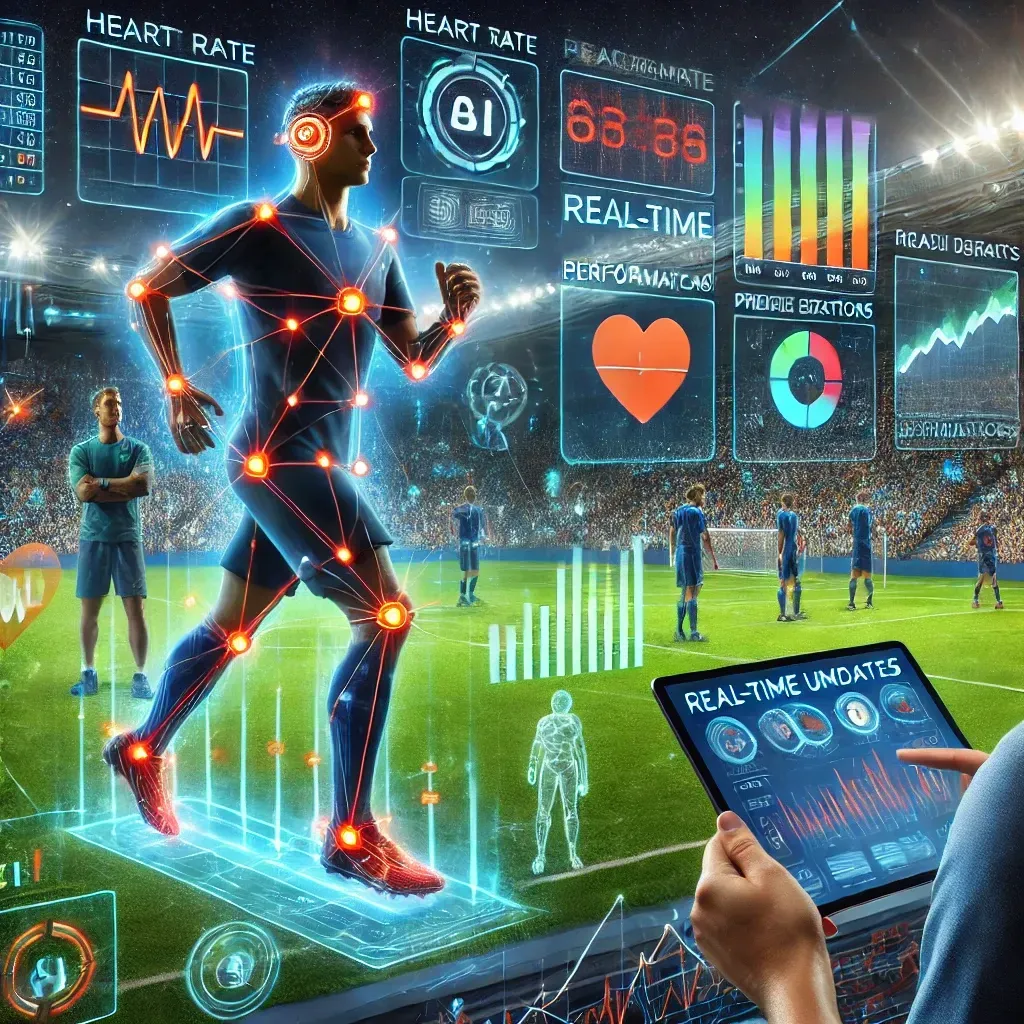
Wearable Technology: Monitoring Performance in Real Time
Wearable technology has transformed how athletes monitor their performance, offering a wide array of data that can significantly enhance training methodologies. Devices such as smartwatches and fitness trackers provide insights into an athlete’s vitals, sleep patterns, and even stress levels. This data-driven approach enables trainers and athletes to adjust training plans on the fly, ensuring optimal performance is achieved.
Furthermore, real-time monitoring of physiological metrics helps in injury prevention. By tracking fatigue levels and recovery metrics, athletes can make informed decisions on when to push harder or when to pull back. This proactive approach not only maximizes athletic performance but also ensures the longevity of athletes’ careers by minimizing the risk of overuse injuries.
The Evolution of Sports Careers: Adapting to Change
As technology reshapes the landscape of sports, the career paths of athletes and coaches are evolving. Today’s athletes are not only trained to perform but also to engage with technology that influences training, recovery, and game strategies. Skills in data analysis and familiarity with emerging technologies have become as important as traditional athletic skills, preparing them for a future that will demand versatility.
Additionally, coaches must embrace continuous learning to keep up with technological advancements. The integration of AI, machine learning, and other innovations requires a rethinking of coaching philosophies and methodologies. Successful coaches of the future will be those who can blend traditional coaching wisdom with technological insights, setting their teams up for success in a rapidly changing environment.
Frequently Asked Questions
What role does data analytics play in enhancing athletic performance?
Data analytics in sports is pivotal for enhancing athletic performance. Coaches and teams collect extensive data during training sessions and games to gain insights into player performance. This information helps tailor training programs to individual needs, identify trends, and predict injuries, ultimately improving overall athletic performance.
How does wearable technology improve training for athletes?
Wearable technology, such as heart rate monitors and GPS trackers, significantly improves training for athletes by providing real-time data on their physiological state. This information helps coaches optimize training regimens to boost endurance and performance while minimizing the risk of injury.
In what ways is virtual reality training transforming sports?
Virtual reality training transforms sports by immersing athletes in simulated environments where they can practice tactical skills and decision-making without physical strain. This innovative approach enhances both physical and cognitive aspects of performance, making training more efficient and engaging.
What are the benefits of biomechanics and motion analysis in sports?
Biomechanics and motion analysis provide critical insights into an athlete’s movements, helping identify inefficiencies and improve techniques. By analyzing stride mechanics or stroke techniques, coaches can implement corrections that enhance speed and performance while reducing energy expenditure.
How is AI being used to analyze sports performance?
AI in sports is revolutionizing performance analysis by quickly processing vast amounts of game footage and player data. These insights help coaches develop strategic game plans, predict player performance, and make more informed decisions that can influence the outcome of games.
What advancements have been made in sports equipment through technology?
Advanced technology in sports equipment has led to innovations such as cushioning systems in running shoes that reduce impact and improve performance. Additionally, smart sports gear, like connected basketballs or soccer balls, provides athletes with real-time feedback to enhance their training.
How does technology enhance fan engagement in sports?
Technology enhances fan engagement through augmented reality (AR) and interactive applications that provide real-time statistics, player insights, and immersive experiences during games. This fosters a deeper connection between fans, athletes, and the sporting event itself.
What impact does data analytics have on injury prevention in sports?
Data analytics in sports plays a crucial role in injury prevention by utilizing historical player data to identify patterns that indicate potential injury risks. Coaches can then implement preventive measures to protect athletes and maintain their performance levels.
How has technology changed coaching strategies in sports?
Technology has changed coaching strategies by providing data-driven insights that inform decisions about player training, game tactics, and performance evaluation. Coaches can now utilize analytics and AI tools to optimize their strategies for better outcomes.
What future trends in technology can we expect in sports?
Future trends in technology in sports will likely include more personalized training programs powered by data analytics, advancements in virtual and augmented reality training, and the integration of AI in strategic decision-making, all aimed at enhancing athletic performance and safety.
| Key Point | Description |
|---|---|
| Data Analytics | Utilizes data collection from games and training to optimize strategies and improve athlete performance. |
| Wearable Technology | Devices like GPS trackers and heart rate monitors aid in real-time performance monitoring and personalized training. |
| Virtual Reality (VR) | Creates simulated environments for athletes to practice decision-making and cognitive skills without physical strain. |
| Biomechanics | Motion analysis helps identify inefficiencies in movements, allowing for improved techniques and performance. |
| Artificial Intelligence (AI) | Analyzes game footage and predicts outcomes to enhance coaching strategies and player performance. |
| Advanced Equipment | Innovations in gear enhance performance and safety, with embedded technology offering real-time feedback. |
| Fan Engagement | Technologies like augmented reality create immersive experiences for fans, enriching their connection to the sport. |
Summary
Technology in sports is revolutionizing how athletes perform and interact with the game. From data analytics and virtual reality to biomechanics and AI, these advancements enhance training, improve athletic capabilities, and foster a deeper connection between fans and sports. The introduction of smart equipment and engaging technology is not only optimizing athletic performance but also transforming the entire sports experience. As technology continues to evolve, it offers endless possibilities for future athletic achievements, ensuring that sports remain an exciting spectacle fueled by innovation.

