
Listen to this article
Technology in sports performance is revolutionizing the athletic landscape, heralding a new era of training, competition, and recovery. Innovative advancements such as wearable technology and data analytics are enabling athletes to optimize their performance and maintain a competitive edge. By harnessing real-time metrics and insights, athletes can make informed decisions about their training regimens, enhancing their capabilities while minimizing injury risks. Furthermore, the emergence of VR training in sports provides unparalleled opportunities for skill enhancement without the physical strain, ultimately reshaping how athletes prepare for high-pressure situations. As fan engagement technology continues to evolve, spectators are becoming an integral part of the sporting experience, fostering a deeper connection between players and fans alike.
The integration of modern innovations into athletic pursuits is profoundly altering how sports are experienced and performed. From advanced fitness trackers to sophisticated data analysis tools, today’s athletes benefit from a wealth of information that helps refine their skills and strategies. Technologies aimed at boosting performance and recovery, such as athlete recovery technology, are now critical components of training programs. Meanwhile, virtual reality environments are being used to simulate game scenarios, providing players with immersive experiences that sharpen their decision-making skills. In conjunction with fan engagement methodologies, this technological progression enhances not only athletic performance but also the overall sports landscape.
The Impact of Wearable Technology on Athletic Training
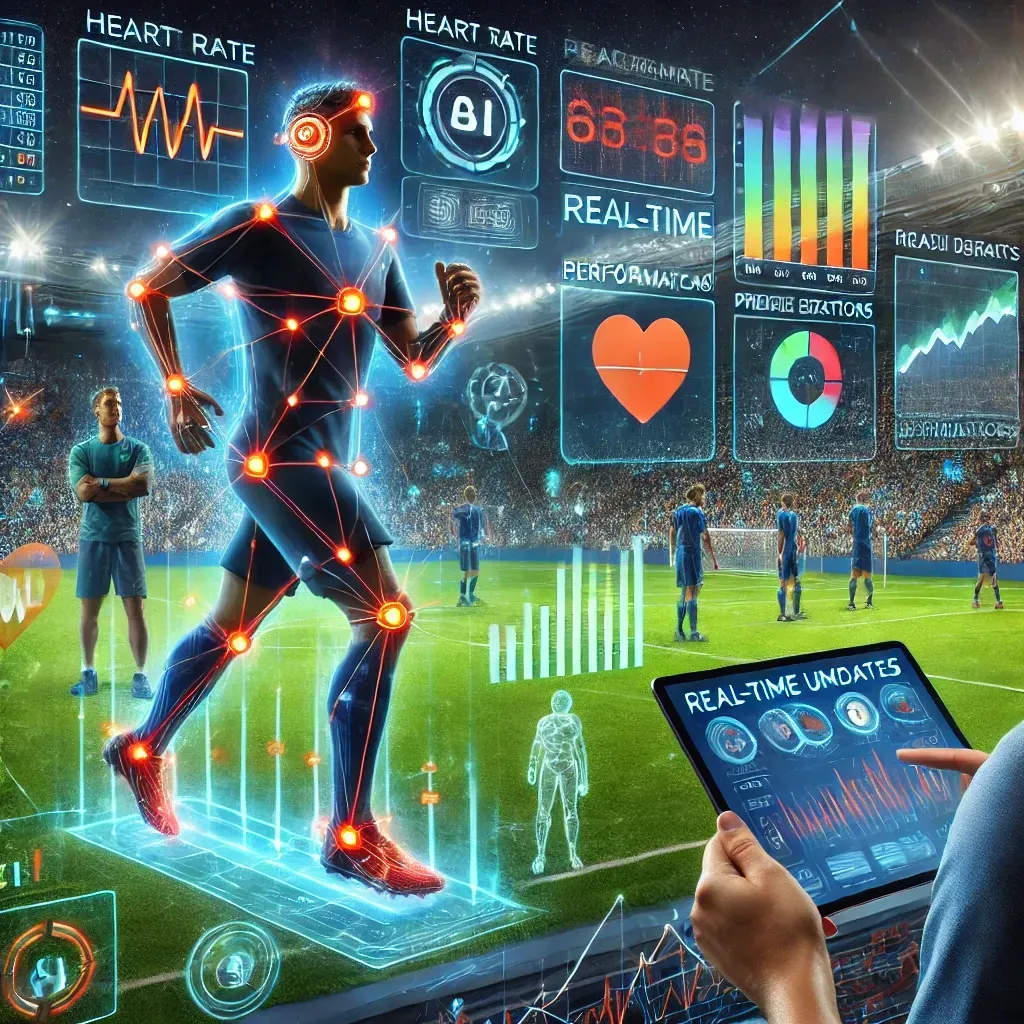
Wearable technology has fundamentally altered the landscape of athletic training, allowing athletes to monitor their health and performance metrics in real-time. Devices like fitness trackers and smartwatches collect vital data such as heart rates, oxygen levels, and movement patterns, enabling athletes to optimize their training regimens. By providing instant feedback, these tools allow for immediate adjustments, ensuring that athletes can train efficiently and effectively without risking overexertion.
Moreover, wearable technology has opened the door for personalized training programs tailored to an athlete’s specific needs. Coaches can analyze the data collected from wearables to identify strengths and weaknesses, leading to more focused training sessions. This lightweight, easily accessible technology not only enhances performance but also helps in understanding athlete behavior over time, resulting in sustained improvements and better recovery strategies.
Frequently Asked Questions
How does wearable technology enhance athlete performance?
Wearable technology improves athlete performance by providing real-time data on metrics like heart rate, pace, and fatigue levels. This data helps coaches and athletes make informed training decisions, optimize performance, and reduce the risk of injuries.
What role does data analytics play in sports performance?
Data analytics is pivotal in sports performance as it interprets vast amounts of data from various sources, allowing teams to develop strategies based on player movements and opponent tendencies. This analytical approach enhances training and competitive strategies, leading to improved outcomes.
What benefits does VR training offer to athletes?
VR training offers athletes a safe environment to practice decision-making and improve mental acuity by simulating real-game scenarios. It allows for repetitive practice of plays and enhances overall performance without the risk of physical injury.
How does athlete recovery technology optimize performance?
Athlete recovery technology, including cryotherapy and advanced physical therapy devices, speeds up recovery processes, allowing for effective muscle regeneration and reduced injury risks. This technology enables athletes to return to training sooner and maintain peak performance levels.
What are the latest trends in fan engagement technology in sports?
Current trends in fan engagement technology include augmented reality experiences and interactive mobile apps that allow fans to connect with players and teams in real-time. These technologies enhance the live sports experience and promote deeper fan interactions.
How does data from wearables aid in injury prevention for athletes?
Data collected from wearables can identify fatigue levels and physical limits, enabling athletes and coaches to adjust training intensity. This proactive approach helps in preventing injuries and ensures athletes are fit for competition.
What ethical concerns are raised by the use of technology in sports performance?
Ethical concerns include data privacy, over-dependence on technology, and the potential for unfair competitive advantages. Sports organizations must address these issues to maintain integrity and fairness in competition.
How can teams utilize analytics to gain a competitive edge?
Teams can leverage analytics to analyze player performance, opponent strategies, and game trends, allowing them to make data-driven decisions that enhance their competitive edge during games.
What impact does augmented reality have on sports viewership?
Augmented reality enhances sports viewership by providing interactive experiences and real-time statistics, which deepen fans’ understanding and engagement with the game, ultimately driving viewer loyalty and revenue.
In what ways has technology changed athlete training methodologies?
Technology has revolutionized athlete training through advanced analytics, personalized training programs based on real-time data, and immersive training tools like VR, resulting in more effective and efficient training methodologies.
| Key Point | Description |
|---|---|
| Wearable Technology | Devices like smartwatches help athletes track metrics to make data-driven training decisions. |
| Data Analytics | Teams use data to analyze player performance and devise strategies, transforming training and recruitment. |
| Virtual Reality Training | Athletes use VR to practice skills in safe, simulated environments, enhancing their mental training without physical risk. |
| Recovery Technologies | Innovations like cryotherapy help athletes recover faster and reduce injury rates, optimizing their performance readiness. |
| Fan Engagement | AR and mobile apps enhance the viewing experience, enabling real-time interaction and deeper fan commitment. |
| Ethical Concerns | With advancements come questions about data privacy, reliance on technology, and regulatory fairness in competition. |
Summary
Technology in sports performance is reshaping the athletic landscape, paving the way for athletes to improve their training, competition, and recovery methods. With the introduction of wearable devices, sophisticated data analytics, virtual reality training, and advanced recovery technologies, athletes can maximize their performance like never before. This evolution not only fosters better athletic results but also enhances fan engagement and introduces new ethical considerations. As technology continues to drive innovation in sports, it is essential to strike a balance between utilizing advancements for improvement while preserving the core values of athletic competition.

