Listen to this article
The Bank of England interest rates remain a focal point of discussion for homeowners and potential buyers alike. As the central bank adjusts these rates, the consequences ripple through the UK housing market, influencing everything from mortgage payments to overall affordability. With fluctuations in interest rates becoming common, understanding their impact on both fixed-rate and variable-rate mortgages has never been more critical. This blog will explore how the Bank of England’s decisions shape the future of mortgages and the financial implications for individuals looking to buy or refinance a home. Whether you’re considering purchasing property or just curious about market trends, staying informed about these interest rate changes is key to making sound financial choices.
Interest rates set by the Bank of England play an essential role in the economic fabric of the UK, affecting borrowers and the housing sector extensively. These rates directly influence the cost of various loan types, especially home financing options such as fixed-rate and variable-rate mortgages. As economic shifts occur, the adjustments in these interest rates can determine the stability of the UK housing market, shaping not only mortgage costs but also the broader financial landscape. In an era characterized by fluctuating borrowing costs, understanding the Bank’s approach to interest-setting becomes vital for anyone involved in real estate or financial planning. This discussion aims to illuminate how these monetary policies impact future mortgage arrangements and individual financial strategies.
The Importance of Bank of England Interest Rates
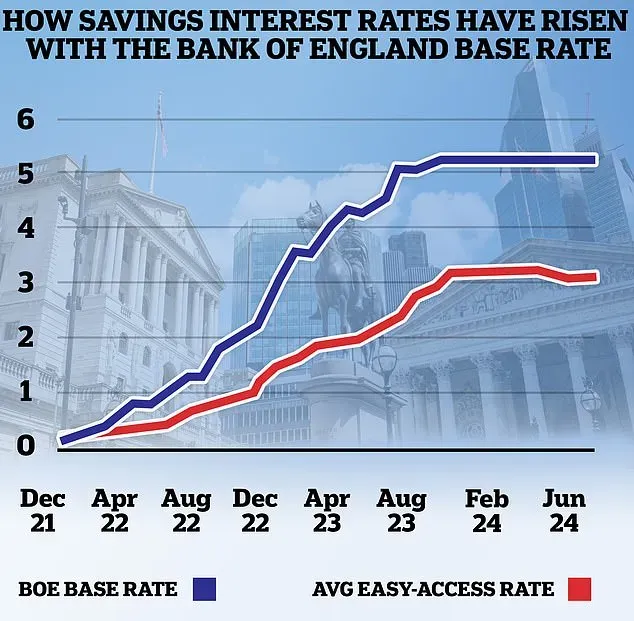
The Bank of England interest rates hold significant sway over the UK’s economic landscape, particularly regarding mortgage rates and payments. These rates establish the cost of borrowing and consequently influence the affordability of homes for potential buyers. When the Bank of England raises its interest rates, borrowing becomes more expensive, leading to increased monthly payments for homeowners with variable-rate mortgages. This change can deter potential home buyers due to the heightened financial burden, making the housing market more challenging.
Conversely, when the Bank of England lowers interest rates, it stimulates the housing market by making mortgages cheaper. Lower borrowing costs can encourage new buyers to enter the market, increasing demand for homes. However, potential homeowners must remain vigilant to fluctuations in rates as they make long-term financial commitments. Understanding the implications of Bank of England policies is crucial for anyone considering a mortgage.
Frequently Asked Questions
How do Bank of England interest rates affect my mortgage payments?
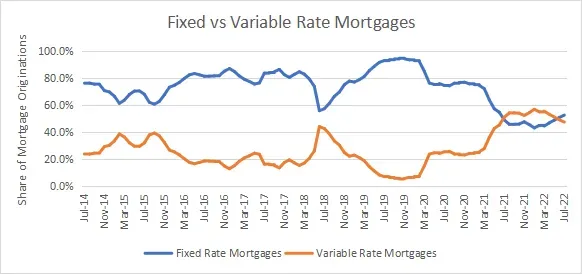
Bank of England interest rates directly influence mortgage payments, especially for those with variable-rate mortgages. When the BoE increases rates, borrowers with variable options may see their monthly payments rise. In contrast, fixed-rate mortgage holders remain unaffected during their fixed term but may face higher rates when refinancing.
What is the future of mortgages in relation to Bank of England interest rates?
The future of mortgages is closely tied to Bank of England interest rates, which are expected to rise amid inflation concerns. This trend could lead to increased mortgage costs, particularly for new buyers opting for fixed-rate mortgages, impacting affordability in the UK housing market.
Are fixed-rate mortgages safer during fluctuations in Bank of England interest rates?
Yes, fixed-rate mortgages provide security against fluctuations in Bank of England interest rates. Borrowers with fixed rates can lock in their payments regardless of future rate changes, which is ideal during periods of anticipated rate hikes.
What financial advice should I consider regarding Bank of England interest rates and mortgages?
When considering mortgages in relation to Bank of England interest rates, seek financial advice on whether to choose fixed or variable mortgage options, monitor market trends, and assess your long-term financial goals. A financial advisor can help tailor strategies based on current and future interest rates.
How do Bank of England interest rates impact the UK housing market?
Bank of England interest rates significantly influence the UK housing market by affecting mortgage affordability. When rates rise, buyer demand may decrease, leading to a slowdown in the housing market as potential buyers reassess their purchasing power.
What should homeowners do if Bank of England interest rates increase?
Homeowners should evaluate their mortgage options if Bank of England interest rates increase. This may involve considering a switch to a fixed-rate mortgage, refinancing existing loans, or consulting with a financial advisor to navigate potential rises in their mortgage payments.
| Key Points |
|---|
| The Bank of England (BoE) sets interest rates that impact mortgage payments directly. |
| Interest rates influence the affordability of mortgages for homeowners and potential buyers. |
| Variable-rate mortgage holders may face payment increases when the BoE raises rates. |
| Fixed-rate mortgages remain stable, providing protection against rising rates, but may come with higher initial costs. |
| Economic factors like inflation, growth, and global influences affect future interest rates. |
| Homebuyers should consider locking in fixed-rate mortgages and keep informed about market trends. |
| Consulting a financial advisor can help tailor strategies to individual circumstances regarding mortgage decisions. |
Summary
The Bank of England interest rates play a crucial role in shaping the landscape of mortgage payments in the UK. Understanding how these rates fluctuate is essential for anyone looking to buy or refinance a home. As the Bank continues to adjust rates based on economic conditions, homebuyers must remain vigilant and informed. Those engaged in the housing market should consider various strategies, such as opting for fixed-rate mortgages and consulting financial advisors, to navigate potential changes effectively. The interplay between the Bank of England interest rates and the broader economic environment will continue to be a pivotal factor for all stakeholders involved in home financing.