Listen to this article
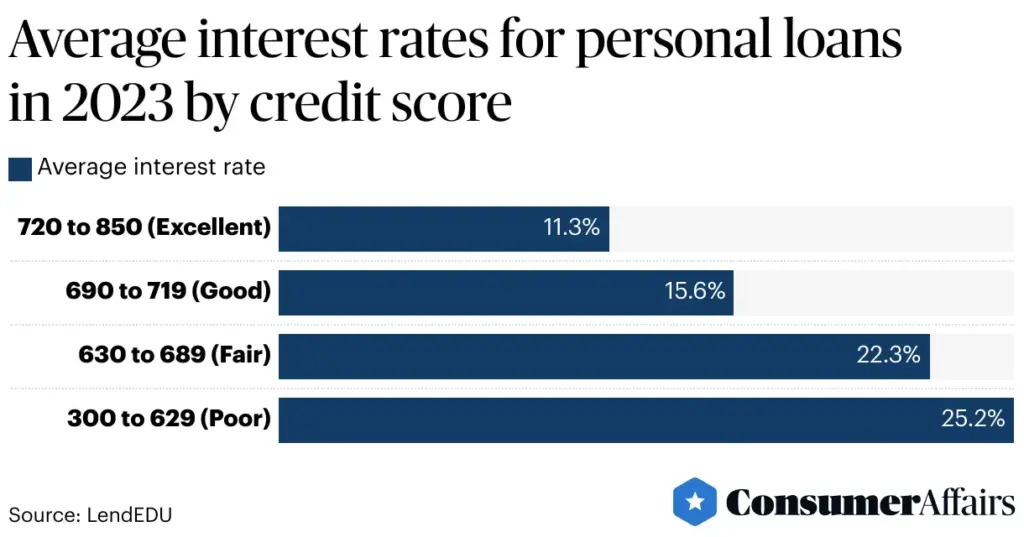
Credit card interest rates are a critical component of the consumer finance landscape, influencing how individuals manage borrowing and spending. As economic conditions fluctuate and inflation remains a concern, understanding these rates becomes essential for smart financial planning. With an average credit card interest rate ranging from 16% to 24% in 2023, consumers must be aware of how various factors—including market trends and borrowing patterns—impact their financial decisions. In this article, we delve into the future of credit card interest rates, examining key trends and economic indicators that shape the current landscape. By remaining informed about these developments, consumers can navigate the complexities of credit card borrowing more effectively and utilize valuable financial planning tips to optimize their personal finance strategies.
The landscape of credit card borrowing is subject to constant change, with interest rate fluctuations playing a central role in consumer finance. Today’s consumer must navigate the implications of these borrowing costs as they influence spending habits and credit card usage. With terms like credit card rates and finance charges gaining prominence, it’s crucial to remain informed about the credit card trends and interest rate trends that affect personal and economic conditions. The decisions made now regarding credit card options and how to manage debt can significantly impact one’s financial future. By understanding the broader economic forces at play, individuals can better prepare for potential shifts in credit card borrowing dynamics.
The Impact of Federal Reserve Policies on Credit Card Interest Rates
The Federal Reserve plays a crucial role in setting the monetary policy, which directly affects interest rates across the board, including credit card interest rates. When the Federal Reserve increases the federal funds rate, financial institutions often respond by raising their interest rates to maintain their profit margins. This ripple effect can lead to higher credit card interest rates, which can significantly impact borrowing costs for consumers. It’s essential for consumers to keep an eye on the Fed’s actions and understand how those decisions can affect their financial health.
Conversely, when the Fed lowers rates to stimulate economic growth, credit card companies may also reduce their interest rates, creating opportunities for consumers to save on interest payments. This relationship highlights the importance of the broader economic environment on personal finance. By understanding these connections, consumers can make more informed decisions about when to take on new credit card debt or refinance existing balances.
Frequently Asked Questions
What factors influence credit card interest rates in today’s financial landscape?
Credit card interest rates are primarily influenced by the prime interest rate, which is set by the Federal Reserve’s federal funds rate. In today’s landscape, inflation is a significant factor, as rising rates from the Fed often lead to increased borrowing costs for consumers. Additionally, economic indicators, consumer demand, and creditworthiness play vital roles in determining interest rates.
How does the future of credit card interest rates look for consumers?
The future of credit card interest rates may see continued increases due to persistent inflation and regulatory changes aimed at consumer protection. As digital banking expands and competition grows, consumers might benefit from lower rates, though an economic recovery may pressure rates upward due to increased borrowing. Staying informed on these trends can help consumers manage their finances effectively.
What are some current trends affecting credit card interest rates?
Current trends influencing credit card interest rates include ongoing inflation, the shift towards digital banking, increasing regulatory oversight, and heightened consumer awareness of credit and financial literacy. These factors can shape the competitive landscape, potentially impacting how credit card rates are determined and offered to consumers.
How can consumers effectively manage their credit card borrowing in a changing interest rate environment?
To manage credit card borrowing amid changing interest rates, consumers should maintain a good credit score by paying bills on time and minimizing debt. Staying informed about interest rate trends and considering credit cards with fixed rates can also mitigate the impact of rising rates. Additionally, being cautious with new debt is crucial as the financial landscape evolves.
What strategies can consumers use to prepare for future increases in credit card interest rates?
Consumers can prepare for potential increases in credit card interest rates by staying informed about market trends, maintaining a high credit score, exploring fixed interest rate card options, and prioritizing the payoff of existing debts. These strategies will help mitigate the effects of rising borrowing costs and promote better financial management.
Are there any upcoming regulatory changes expected to impact credit card interest rates?
Yes, regulatory bodies like the Consumer Financial Protection Bureau (CFPB) are likely to implement stricter regulations to ensure fair treatment of consumers regarding credit card interest rates and fees. Such changes may increase transparency and potentially limit excessive interest rate hikes, ultimately affecting how credit card rates are structured.
| Key Point | Description |
|---|---|
| Understanding Credit Card Interest Rates | Credit card interest rates are mainly influenced by the prime interest rate set by the Federal Reserve. Increasing rates result in higher costs for consumers. |
| Current Landscape of Rates | The average credit card interest rate in 2023 ranges from 16% to 24%, influenced by consumer creditworthiness and recent rises as the Fed combats inflation. |
| Trends to Watch | Factors like inflation, digital banking, regulatory changes, and consumer financial literacy will shape the future landscape of credit card interest rates. |
| Preparing for Rate Changes | Consumers should stay informed, maintain good credit scores, consider fixed rates, and be cautious with new credit to manage potential rate hikes. |
Summary
Credit card interest rates will continue to evolve in response to various economic trends, regulatory changes, and consumer behaviors. It is essential for consumers to stay informed about these shifting rates and their implications. Being proactive and knowledgeable about credit card interest rates enables individuals to make sound financial decisions that can mitigate the impact of rising costs. With inflation and changes in the economic landscape affecting rates, financial literacy and awareness will play crucial roles in helping consumers navigate their credit effectively. Thus, understanding current trends and preparing for future shifts in credit card interest rates is vital for personal financial health.