Listen to this article
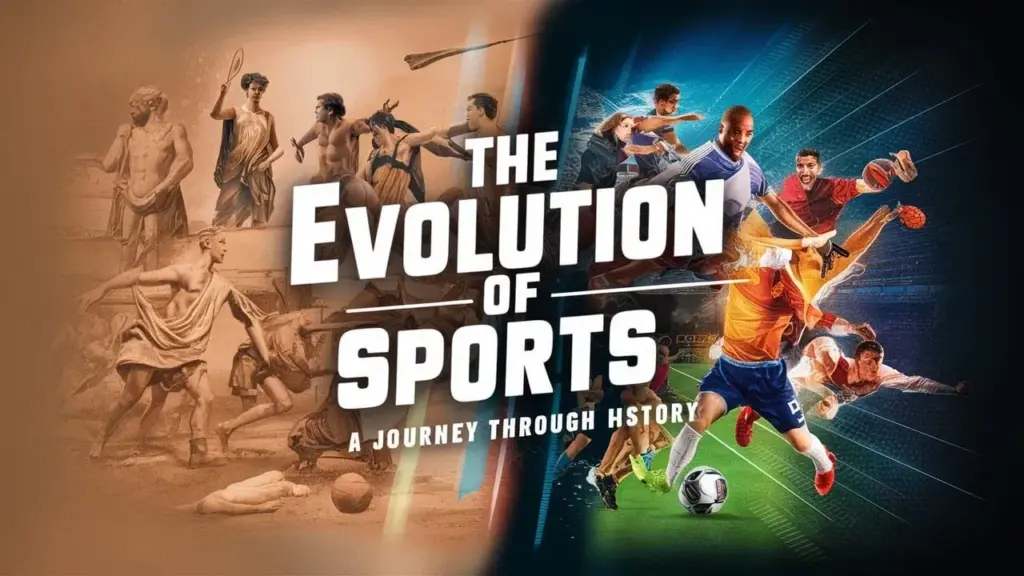
The Evolution of Sports represents a dynamic journey through human history, beginning with ancient games that laid the foundational principles of competition and teamwork. From the exhilarating gladiatorial duels of ancient Rome to the revered Olympic Games of Greece, these early sport forms served as cultural touchstones, engaging communities and celebrating athletic prowess. As society progressed, the face of sports transformed dramatically, shifting towards modern competitions that emphasize professionalism and inclusivity. Today, sports encompass a broad spectrum of activities that honor both tradition and innovation, resulting in a vibrant landscape filled with diverse competitions and platforms. This exploration of the history of sports illuminates the significant role athletics play in uniting people, fostering a sense of belonging, and driving forward the ideals of sportsmanship and fair play.
The Development of Athletic Activities highlights the transformative journey of physical competition from its rudimentary beginnings to the structured and professional landscape we engage with today. Ancient athletic practices, characterized by their communal spirit and celebratory nature, have evolved into modern sporting events that reflect societal values such as inclusivity and global engagement. This discussion encompasses not only the historical significance of games like the Olympics but also the rise of professional sports and the challenges of creating equitable opportunities for all participants. By examining various facets of competitive play, we can appreciate how today’s athletic pursuits, whether through traditional formats or emerging disciplines like eSports, resonate with the core principles of camaraderie and creative expression in sports.
The Evolution of Sports: Tracing the Path from Ancient to Modern
The evolution of sports offers a fascinating journey that dates back to the ancient civilizations where the first athletic competitions were born. From the gladiatorial games of Rome to the traditional Olympic Games in Greece, these early forms of competition laid the groundwork for what we now consider modern sports. As societies progressed, so too did the structures and rules surrounding sports, shaping them into organized competitions that are deeply embedded in our culture today.
By examining the roots of ancient games, we can appreciate how humanity’s competitive spirit has adapted and transformed across different eras. The establishment of formal rules and the concept of sportsmanship began to take shape during the Renaissance, paving the way for larger-scale competitions and clubs. This direct link between ancient practices and modern engagements showcases not only the unchanging nature of human competition but also our desire for community and connection through sports.
Ancient Sports: Lessons from History
Ancient sports were more than just entertainment; they were a reflection of societal values and cultural identities. In ancient Egypt, sports like stick fighting and ball games emphasized physical skill and community engagement. The Egyptian games were often tied to religious ceremonies, showcasing how integral athleticism was to their way of life. Similarly, the Greek Olympics were held in honor of the gods and highlighted the importance of physical excellence as a virtue.
Furthermore, ancient sports often had a socio-political dimension; for instance, the victories in the Olympic Games were seen as achievements for city-states rather than individual athletes. This illustrates how deeply intertwined sports were with national pride, a sentiment that resonates even in today’s global competitions. Learning about these ancient games provides context for understanding the evolution of sports into unified events that now serve as platforms for promoting peace and unity among nations.
Sports During the Middle Ages: A Shift in Culture
The Middle Ages ushered in a transformation in the perception and organization of sports. During this period, sports became synonymous with chivalry and honor, particularly through tournaments that showcased the skills of knights. Jousting and archery competitions were not merely physical contests; they were also events that celebrated loyalty and courage, deeply rooted in the social fabric of medieval society.
As sports began to include community participation through local festivities, they helped bridge gaps between social classes. Primitive forms of football and ball games exemplified this inclusive trend, engaging people from various backgrounds. These early competitions formed the foundation for today’s structured sports leagues, illustrating how the desire for competition and celebration transcends class and remains a driving force in human society.
The Renaissance: A Sporting Revolution
The Renaissance was a turning point in the history of sports, characterized by the formalization of rules and the establishment of sporting clubs. This period marked a shift towards organized play, leading to the creation of more structured formats for games. The establishment of formal rules, such as those for football in the 19th century, represented a significant evolution in how sports were perceived and played, emphasizing fairness and equal competition.
The rebirth of the Olympic Games in 1896 further illustrates the renaissance of sports, emphasizing international participation and showcasing amateur athletes’ talents. This revival sparked a global interest in athletic competition, influencing how sports evolved into professional arenas. The increasing popularity of organized sports in this era laid the groundwork for the global industry we see today, further integrating athletics into the fabric of daily life.
The 20th Century: The Age of Professionalism
The 20th century was instrumental in shaping sports as we know them today, marked by the rise of professionalism and commercialization. With athletes transitioning into full-time professionals, we witnessed the establishment of major leagues and the globalization of sports. Organizations like the NFL and MLB not only shaped their respective sports but also became cultural phenomena, attracting millions of fans worldwide.
This era also saw significant advancements in technology and media, revolutionizing how sports are consumed. Television broadcasts and internet streaming allowed fans to engage with their favorite events in unprecedented ways, fostering a sense of global community. As athletes became icons, the media’s portrayal of sports began to highlight the narratives of perseverance and triumph, further promoting sports as a universal language that transcends borders.
The Globalization of Sports: An Interconnected World
As sports expanded globally, events like the FIFA World Cup and the Olympic Games transcended national borders, fostering unity and celebration among diverse cultures. These competitions brought nations together, allowing fans to witness not just athletic excellence but also the exchange of ideas and values. The global nature of these events encourages a greater sense of understanding and camaraderie among participants and spectators alike.
Moreover, global competitions have opened the door to more inclusive sports initiatives, drawing attention to the importance of diversity. Celebrating achievements from different backgrounds and regions exemplifies the unifying power of sports. By coming together in competition, we not only appreciate athletic prowess but also promote peace and collaboration across various cultures, highlighting sports’ role as a bridge between communities.
Modern Inclusivity in Sports: Breaking Barriers
The push for inclusivity in sports has gained momentum in recent years, reflecting broader societal changes. The success of women’s sports, largely propelled by initiatives like Title IX, has encouraged greater participation and visibility for female athletes. This rise has not only increased opportunities for women but also inspired cultural shifts within the sports community, advocating for equal recognition of accomplishments regardless of gender.
Additionally, the emergence of adaptive sports has transformed the landscape of inclusivity in athletics. The Paralympic Games have brought significant attention to athletes with disabilities, showcasing their incredible talents and challenging stereotypes around physical limitations. These developments highlight a growing recognition that sports should be accessible to all individuals, regardless of their background or abilities, fostering a sense of community and shared passion for competition.
The Role of Technology in Modern Sports
Technology has transformed sports in many ways, enhancing both the athlete’s performance and the viewer’s experience. Innovations like performance analytics, wearable tech, and instant replay systems have allowed for precise monitoring of athlete efficiency and strategy during competitions, leading to improved training techniques and safer playing conditions. This technological evolution has become essential in preparing athletes to compete at the highest levels.
Moreover, advancements in broadcasting technology have made sports more accessible than ever before. Live streaming services and social media platforms allow fans to engage with and support their favorite teams and athletes in real-time, regardless of geographic location. This accessibility not only boosts viewership but also cultivates a global fan base, uniting diverse groups through a shared love for sports and increasing participation in athletic endeavors.
Future Prospects in the World of Sports
Looking ahead, the evolution of sports will continue to break new ground, with emerging disciplines increasingly gaining traction. Sports like eSports and extreme sports cater to new generations, reflecting changing interests and cultural shifts. These activities not only appeal to younger audiences but also challenge traditional notions of competition, blending technology with physical skill in innovative ways.
As society continues to evolve, sports will likely respond dynamically to ongoing changes. The movement towards diversifying sports disciplines, ensuring inclusivity, and embracing technology foretells a promising future where the spirit of competition remains ever-present, fostering unity and cultural exchange. The possibilities for the next chapter in the evolution of sports are vast, promising to enrich our lives and connections through physical activity and mutual admiration.
Frequently Asked Questions
What is the historical significance of the Olympic Games in the evolution of sports?
The Olympic Games, established in 776 BC in ancient Greece, are a cornerstone in the history of sports, marking the beginning of organized athletic competition. They celebrate athletic excellence and honor the gods, laying the foundation for modern sports events and highlighting the importance of competition in society.
How did ancient games influence modern competitions in sports?
Ancient games, such as those held by the Egyptians and Romans, showcased the competitive spirit and physical prowess that have evolved into today’s sports. The structures and rituals from these games laid the groundwork for modern competitions, influencing the way sports are organized and celebrated.
What developments in the Middle Ages changed the evolution of sports?
During the Middle Ages, tournaments and jousts emphasized chivalry and knightly honor, transforming sports into public displays of bravery and loyalty. This period introduced team competitions and laid the groundwork for more organized forms of sports, including early versions of football.
How did the Renaissance contribute to the evolution of sports?
The Renaissance revitalized sports with a focus on health and fitness, leading to the establishment of formal rules and clubs. This period marked the birth of modern sports, particularly with the organization of official competitions and the first modern Olympic Games in 1896.
What role did the 20th century play in the rise of professional sports?
The 20th century revolutionized sports by allowing athletes to turn professional, leading to the rise of major leagues such as the NFL and MLB. This professionalization increased competition and transformed sports into a significant industry driven by media and technology.
How have global competitions like the FIFA World Cup impacted the evolution of sports?
Global competitions such as the FIFA World Cup have brought nations together and fostered unity through athletics. They have played a crucial role in the evolution of sports by showcasing international talent and transcending cultural boundaries, celebrating athletic achievements worldwide.
In what ways have women’s sports evolved in recent years?
The evolution of women’s sports has been significantly influenced by legal advancements, such as Title IX, which increased opportunities for female athletes across various levels. This progress reflects a broader commitment to inclusivity and recognizes women’s contributions to sports.
What are some new sports disciplines emerging in the evolution of sports?
The evolution of sports has seen the emergence of new disciplines like eSports and extreme sports, such as BMX and skateboarding. These sports appeal to younger audiences and highlight the changing dynamics of competition and entertainment in the sports landscape.
How do adaptive sports illustrate the inclusivity movement in the evolution of sports?
Adaptive sports and events like the Paralympic Games demonstrate the evolution of sports towards inclusivity, showcasing the skills and determination of athletes with disabilities. This movement has helped redefine competitive standards and highlight the importance of accessibility in sports.
What does the future hold for the evolution of sports?
The future of sports promises continued evolution with a focus on breaking barriers, enhancing inclusivity, and integrating technology. As new sports and competitions emerge, the spirit of athleticism and camaraderie will remain a core part of our global culture.
| Time Period | Key Sports | Cultural Significance | Key Developments |
|---|---|---|---|
| Ancient Times | Egyptian games, Greek Olympics, Roman Gladiatorial games | Cultural Rituals, Honor to Gods, Entertainment | Established foundational sports events and showcased athleticism |
| Middle Ages | Jousting, Archery, Early soccer | Displays of chivalry, community participation | Shift towards organized competitions and teamwork |
| Renaissance | Association football, revival of Olympic Games | Focus on health, fitness, and competition | Formalization of sport rules and structures |
| 20th Century | Professional leagues (NFL, MLB), FIFA World Cup | Globalization and national pride | Rise of professional sports and media influence |
| Recent Developments | Women’s sports, eSports, Adaptive sports | Inclusivity and diversity | Emergence of new sports; rise of women and adaptive sports |
Summary
The evolution of sports traces a remarkable journey from ancient games to the modern competitions that define our global culture today. This transformation reflects not just changes in rules and forms of play, but profound shifts in societal values and human connections. From the ancient Egyptian games and Greek Olympics to the brutal gladiatorial contests of Rome, sports have always been deeply intertwined with cultural identities and societal norms. The medieval tournaments emphasized honor and bravery, paving the way for structured sports in the Renaissance, where formalized rules began to take shape.
The 20th century marked a revolutionary phase with the rise of professional sports and international competitions, creating a global phenomenon. Recent decades have emphasized inclusivity, with a significant increase in women’s participation and the growth of adaptive sports. Thus, the evolution of sports not only highlights the development of physical competitions but also acts as a reflection of societal change, promoting unity, diversity, and cultural exchange.