
Listen to this article
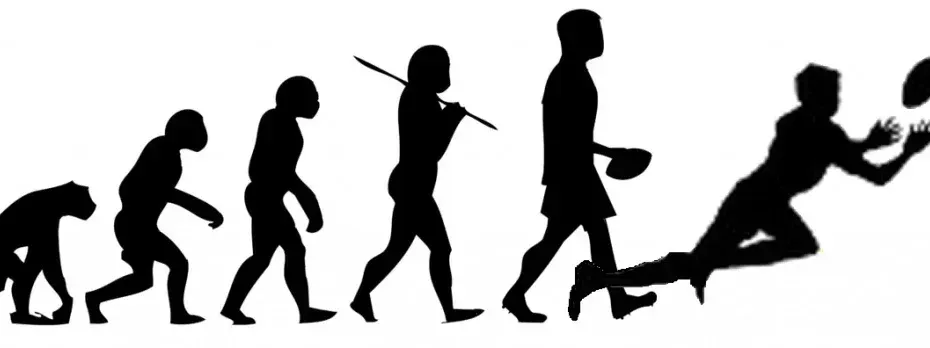
The evolution of sports is a fascinating journey that reflects humanity’s enduring passion for competition and camaraderie. From the ancient games that captivated the attention of civilizations to the thrilling modern competitions today, sports have undergone significant transformations. Historical milestones, such as the Olympic Games, serve as pivotal markers in sports history, emphasizing the importance of physical prowess and athletic excellence. As sports globalization continues to connect diverse cultures, we also witness the rise of professional sports leagues that captivate millions of fans worldwide. The ongoing exploration into the future of sports promises to unveil new dynamics that will shape how we engage with athletic endeavors.
The progression of athletic competition showcases a rich tapestry of physical contests, leisure activities, and communal gatherings that span across centuries. This transformative journey of physical games—ranging from rudimentary challenges of the past to sophisticated modern-day tournaments—illuminates how sport has become an essential aspect of socio-cultural identity. Events like the revival of the historic Olympic Games highlight significant chapters within sports’ chronicles, while the rise of professional leagues reflects society’s growing appetite for competitive entertainment. Furthermore, the phenomenon of sports globalization has opened doors to diverse athletic identities, presenting countless opportunities for athletes and fans alike. As we delve into the future of physical competitions, we anticipate innovations that will redefine the landscape of sports as we know it.
The Evolution of Sports: A Comprehensive Overview
The evolution of sports can be likened to a grand mosaic that showcases humanity’s ever-changing relationship with physical activity and competition. From the days of ancient games played in dusty arenas to the global spectacle of today’s Olympic Games, sports have transformed dramatically over millennia. Each phase of this evolution reflects broader societal values, technological advancements, and cultural exchanges that illustrate how deeply intertwined sports are with the human experience.
This comprehensive overview captures the essence of that evolution, tracing back to ancient civilizations where rudimentary forms of competition served not just as entertainment but also as vital social rituals. As societies progressed, so too did their sports, becoming more organized and regulated, paving the way for the modern competitions we see today that engage millions around the globe.
Frequently Asked Questions
What is the significance of the Olympic Games in the evolution of sports?
The Olympic Games, established in Ancient Greece in 776 BC, mark a pivotal moment in the evolution of sports. They celebrated athletic prowess and unity among various city-states, influencing future competitions globally and contributing to the structure of modern sports events.
How did ancient sports influence modern competitions?
Ancient sports laid the foundation for modern competitions by introducing concepts of organized events, rules, and athleticism. Activities like wrestling and foot races evolved into structured sports, leading to the diverse range of competitions we see today.
What role did the Renaissance play in the evolution of sports?
The Renaissance revitalized interest in physical fitness and standardized sports, resulting in organized competitions like football (soccer). This period was crucial in moving sports from informal play to established games with formal regulations.
How did industrialization impact the evolution of professional sports?
Industrialization created a leisure class and changed social dynamics, leading to the commercialization of sports. Increased spectator interest and the formation of professional leagues marked a significant transition in sports history, particularly in sports like baseball.
What are some major milestones in sports history regarding globalization?
Sports globalization progressed significantly in the 20th century with the expansion of the Olympic Games and the growth of international competitions, allowing various nations to showcase their athletic talent on a global stage.
How did mass media contribute to the evolution of sports?
Mass media revolutionized the consumption of sports by broadcasting events to large audiences, creating fan engagement worldwide. This increased visibility helped elevate sports into a major entertainment industry.
What trends characterize the future of sports evolution?
The future of sports is trending towards technology integration, such as analytics, virtual reality, and enhanced fan interaction through social media. Sustainability and inclusivity also shape this ongoing evolution.
How did ancient games serve societal roles in historical contexts?
Ancient games often reflected societal roles, emphasizing honor among the nobility and survival skills among commoners. Sports like archery and wrestling were crucial for military training and community cohesion.
What technological advancements are influencing the evolution of modern sports?
Technological advancements like online streaming, social media, and data analytics are transforming how sports are managed, played, and consumed. These technologies enhance viewer experiences and athlete training methods.
What is the current state of diversity and inclusion in the evolution of sports?
Currently, the evolution of sports places a strong emphasis on diversity and inclusion, advocating for equal opportunities for women and minorities. This movement is reshaping perceptions and practices within the sporting world.
| Era | Key Developments | Significance |
|---|---|---|
| Ancient Sports | Origin of organized sports in Mesopotamia (3000 BC), Olympic Games in Greece (776 BC) | Competition and teamwork in early religious ceremonies. |
| Medieval Era | Emergence of jousting, folk games, and archery competitions | Reflected societal roles, emphasizing honor and survival skills. |
| Renaissance | Formalization of games like football and cricket; establishment of governing bodies | Transition from informal play to organized competitions. |
| Industrial Revolution | Commercialization of sports, rise of professional athletes and leagues | Established sports as a major entertainment industry. |
| 20th Century | Globalization of sports, expansion of Olympic Games, major professional leagues | Brought international attention and increased diversity in sports. |
| Digital Age | Integration of technology, increase in esports, advocacy for diversity and inclusion | Changed how fans experience sports; improved representation in athletics. |
Summary
The evolution of sports reflects the dynamic journey of human competition and community engagement. From ancient games played for ritualistic purposes to the modern-day competitions showcasing diverse talents worldwide, sports have undergone significant transformation. This journey highlights important milestones such as the establishment of the Olympic Games, the commercialization during the Industrial Revolution, and the rise of esports in today’s digital age. Understanding the evolution of sports allows us to appreciate their cultural significance and envision future developments driven by technology and social change.