
Listen to this article
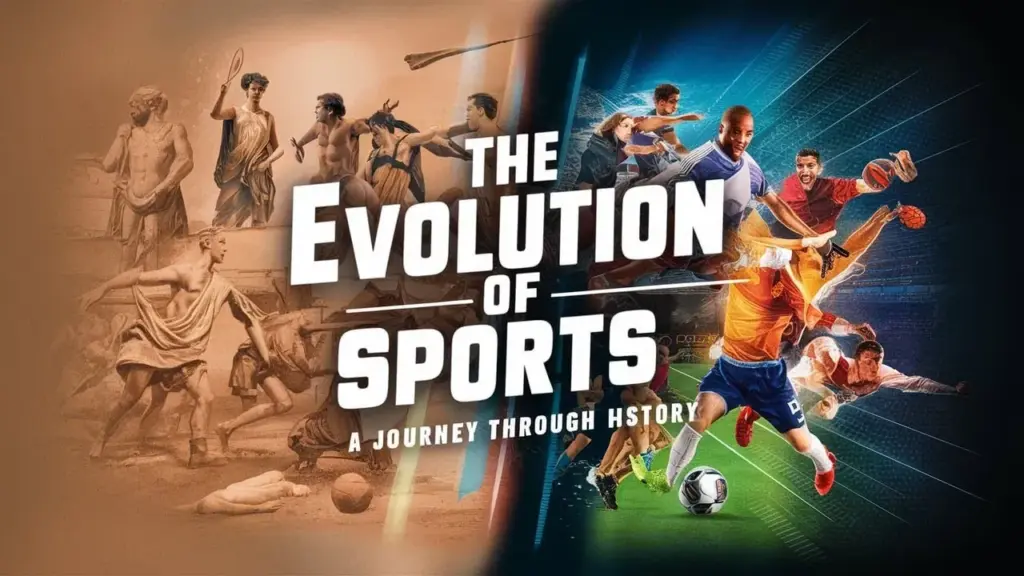
The Evolution of Sport is a profound journey that has transformed athletic pursuits into a powerful force shaping our society. From ancient competitions celebrating physical prowess to modern athletics that champion inclusiveness and social change, the dynamic landscape of sports reflects broader cultural shifts. Today, the impact of sports on society extends beyond mere entertainment, intertwining with themes of activism, health, and economic development. Whether it’s through community engagement, cultural integration, or advocating for social justice, athletics play a pivotal role in articulating collective aspirations. As we analyze the evolution of sport, it becomes evident that the future of sports lies in their ability to unite and inspire individuals across diverse backgrounds.
The development of sport over the ages has transformed how we perceive athletic competitions and their role in society. This progression has led to a vibrant landscape of contemporary athletics that not only entertains but also fosters significant social discourse. As we delve into this transformation, we will explore how athletic events have become arenas for cultural integration and social change, highlighting the emerging trends influencing the future of physical activities. Furthermore, the interplay between sports and society showcases the profound effects of sports activism, which encourages athletes to leverage their platforms for advocacy on crucial issues. Ultimately, understanding the evolution of sport offers valuable insights into the societal values and challenges that define our times.
The Evolution of Sport in Historical Context
The evolution of sport has its roots firmly planted in the annals of ancient history, where activities were not merely for entertainment but were also deeply woven into the fabric of civilization. The Olympic Games of ancient Greece exemplify how athletic competition was revered, celebrated as a festival that unified city-states under the banner of physical excellence and human achievement. This historical lineage charts the progress from the rudimentary games of antiquity to the structured and formalized sports that we witness today, showcasing how sports have served as a reflection of cultural values and societal advancements.
As civilization advanced, so did the concept of organized sports. The 19th century brought about significant changes, coinciding with the industrial revolution and urbanization. With the establishment of standardized rules and competition formats, modern sports began to emerge. This shift not only allowed for the fair competition we recognize today but also mirrored profound societal changes, illustrating how sports adapted to and influenced the evolving human landscape.
Modern Athletics and Their Impact on Society
Modern athletics extend far beyond physical competition, embedding themselves within the societal context of the 21st century. The rise of technology and media has turned athletic events into global spectacles, attracting millions of spectators and fanatics alike. The widespread coverage of events such as the Olympics and World Cups reinforces sports’ role as a cultural touchstone, while also manifesting economic dynamics such as sponsorship deals, merchandising, and lucrative broadcasting rights. This commercialization signifies not just a financial impact but also reflects a broader societal trend where sports become a means of identity and expression.
Additionally, modern athletics serve as a catalyst for social change, pushing boundaries in various domains including race, gender, and health awareness. As athletes emerge as influential public figures, they carry the power to advance societal issues, illustrating how sports can facilitate dialogue on pressing topics like equality and mental health. The intersection of athletics with societal matters showcases the pivotal role sports play in shaping public attitudes and actions.
Cultural Integration Through Sports
Cultural integration is one of the profound impacts of sports, fundamentally altering perceptions and fostering connections among diverse communities. Major international competitions like the FIFA World Cup or the Olympics not only spotlight athletic talent but also encourage cultural exchange and unity. As athletes from disparate backgrounds come together to compete, they embody the potential for shared human experiences, fostering respect and understanding across various cultural divides.
Sports act as a universal language, promoting inclusivity and encouraging participation from all societal sectors, thereby breaking down barriers of race, gender, and nationality. The inherent ability of sports to unite people around a common goal or interest enhances community ties and fosters mutual understanding, demonstrating that despite differences, humanity can engage in collective celebrations and challenges.
Health and Wellness in Modern Sports
With a growing emphasis on health and wellness, sports have become instrumental in promoting active lifestyles across all demographics. Initiatives encouraging mass participation into physical activities reflect a societal shift towards prioritizing fitness and well-being. Through organized events, fitness clubs, and educational outreach, modern athletics contribute to a culture that values health, thereby making sports the cornerstone of sustainable living practices.
Furthermore, the benefits of engagement in sports transcend the physical realm, with increasing recognition of mental health’s importance in today’s fast-paced society. Programs that integrate sport and wellness advocate for mental resilience and community support systems, demonstrating how athletics serve not only to promote physical fitness but also to enhance emotional and mental health outcomes.
The Economic Impact of Sports Globally
The economic ramifications of sports are both profound and far-reaching, as athletics contribute significantly to global and local economies. Sporting events generate substantial revenue, creating jobs and stimulating tourism, bolstering hospitality and retail sectors in host cities. Urban areas commonly enhance their infrastructure with the establishments of sports facilities, which not only serve to elevate local economies but also act as beacons of community pride and social cohesion.
Moreover, the sports industry is intertwined with various economic activities, influencing everything from real estate to technological advancements. The economic impact extends beyond immediate financial gains, affecting long-term community development, and thus showcasing how deeply embedded sports are within the socio-economic fabric of society.
Sports Activism and Social Change
The intersection of sports and activism underscores a pivotal shift in how athletes leverage their platforms for social change. Modern athletes increasingly address societal issues, whether advocating for racial equality, gender rights, or public health matters, through their influential status. This empowerment enables athletes like Colin Kaepernick and Serena Williams to spark critical discussions, solidifying their roles as agents of change rather than merely competitors.
Such activism highlights the evolving role of sports in society and refers to a broader narrative where sports serve not only as a form of entertainment but also as a means to galvanize public support for social issues. The visibility afforded to these athletes catalyzes significant conversations, demonstrating that their actions can inspire collective movements and foster a more equitable society.
The Future of Sports: Trends and Innovations
As we venture into the future, the landscape of sports continues to evolve with rapid technological advancements. Virtual reality and augmented reality are set to revolutionize the way fans experience sports, bridging the gap between reality and the digital space. The rise of eSports signifies a new frontier, captivating audiences and integrating technology into the traditional sports paradigm, indicating the transformative power of innovation in athletics.
Moreover, the future of sports will also be influenced by pressing global issues such as climate change and health crises. Sports organizations are increasingly committing to sustainable practices and policies aimed at ensuring equitable access to participation for all demographic groups. The future of sports is thus marked by a commitment to inclusivity and environmental stewardship, setting the course for a more responsible and holistic approach to athletics.
The Role of Youth in Shaping Sports Culture
Youth engagement in sports is critical to shaping contemporary athletic culture and creating future generations of athletes and advocates. By encouraging young people to participate in various sports, communities foster a culture of teamwork, resilience, and determination. Emerging from school sports teams and youth leagues, today’s youth are not just players; they are trendsetters influencing how sports are perceived and practiced.
Moreover, as modern sports programs adapt to include educational components, youth are equipped with tools that transcend athletics, promoting leadership and social responsibility. When empowered, young athletes can become advocates for change, pushing sports into new realms that address societal needs and challenges, thereby underscoring the essential role of youth in the ongoing evolution of sports.
The Globalization of Sports: A Double-Edged Sword
The globalization of sports brings forth both opportunities and challenges within the athletic domain. On one hand, it enhances the exchange of ideas, athletic styles, and cultural practices across borders, enriching the sports community at large. Athletes from various countries can partake in competitions that promote international camaraderie, while fans are exposed to diverse sports cultures, creating a rich tapestry of global athletics.
On the other hand, globalization can lead to the commodification of sports, where traditional values may be overshadowed by commercial interests. This shift necessitates a careful balance between embracing global influences and preserving the integrity and cultural significance of local sports. Navigating these complexities will be crucial as the landscape of sports continues to evolve in our interconnected world.
Frequently Asked Questions
What is the evolution of sport and its significance in modern athletics?
The evolution of sport refers to the transformation of sports over time, adapting to cultural, social, and technological changes. In modern athletics, this evolution signifies the growing integration of sports into everyday life, impacting various societal facets, including health, economy, and cultural unity.
How has modern athletics impacted society in terms of cultural integration?
Modern athletics fosters cultural integration by bringing together diverse groups through shared sporting events like the Olympics. These competitions promote a sense of community, breaking down racial and national barriers, and encouraging collaboration and understanding among different cultures.
What role do sports play in social change and activism?
Sports serve as a powerful platform for social change, where athletes leverage their visibility to advocate for vital issues such as racial equality and gender rights. The evolution of sport reflects a trend where social activism intersects with athletics, shaping public consciousness and driving reform.
How has the evolution of sport influenced the future of sports and technology?
The evolution of sport hints at a future wherein technology plays a central role in enhancing athletic performance and fan engagement. Innovations like virtual reality and eSports are becoming mainstream, indicating that the future of sports will blend traditional athletics with cutting-edge technology.
What economic impacts arise from the evolution of sport in society?
The evolution of sport has significant economic implications by creating jobs, boosting tourism, and enhancing local businesses. Major sporting events often spur urban development, providing infrastructure improvements and stimulating local economies.
In what ways do modern athletics promote health and wellness in society?
Modern athletics promotes health and wellness by encouraging participation in physical activities, which fosters healthier lifestyles. Sporting initiatives focus on mental health, advocating sports as a means of stress reduction and overall well-being.
How does the evolution of sport illustrate the connection between athletics and social issues?
The evolution of sport highlights the connection between athletics and social issues by showcasing how sports can address broader societal challenges. From civil rights movements to gender equality, athletes have used their platforms to raise awareness and inspire change.
What historical events illustrate the evolution of sport as a vehicle for cultural integration?
Historical events like the Olympic Games and the FIFA World Cup have shown how the evolution of sport serves as a vehicle for cultural integration, uniting people through competition and celebration while promoting peace and understanding across diverse cultures.
What are some key milestones in the evolution of sport that have shaped modern athletics?
Key milestones in the evolution of sport include the formalization of rules, the rise of professional sports in the 19th century, and the advent of mass media coverage in the 20th century, all of which have significantly shaped modern athletics and its societal role.
What challenges does the future of sports face according to the evolution of sport?
The future of sports faces challenges such as climate change, health crises, and the need for inclusivity. The evolution of sport necessitates sustainable practices and equitable systems to ensure that all aspiring athletes have access to resources and opportunities.
| Aspect | Key Points | |
|---|---|---|
| Historical Overview | Organized sports began in ancient civilizations; Olympic Games celebrated unity and physical excellence. | |
| Rise of Modern Athletics | 20th-century advancements led to major sporting spectacles, with pervasive media influence transforming viewership and commercialization. | |
| Cultural Integration | Sports serve as platforms for breaking down barriers and promoting social change regarding race and gender. | |
| Health and Wellness | Increased mass participation highlights the trend toward physical fitness and mental health awareness through sport. | |
| Economic Impact | Sports boost the economy by creating jobs, fostering tourism, and enhancing urban development. | |
| Sports Activism | Athletes today leverage their platforms for advocacy on issues like racial equality and mental health. | |
| Future of Sports | Emergence of technology in sports, eSports popularity, and focus on sustainability shape the future landscape. | |
| Conclusion | The evolution of sport has profoundly influenced society, demonstrating that athletics are a reflection of our values and aspirations. Modern athletics shape our society by promoting unity and inspiring change, leading us toward a future where sports continue to bridge gaps, foster health, and advocate for a better world. We must commit to using their power to uplift and empower everyone, making athletics a cornerstone of a more inclusive society. | |
Summary
The Evolution of Sport has profoundly influenced societal norms, demonstrating that athletics are more than mere entertainment—they reflect our values and struggles. From ancient games to modern spectacles, sports have evolved to engage athletes and fans globally, highlighting critical issues like social equality and health. This journey showcases how sports continue to bridge divides and inspire change, emphasizing the need for inclusivity and sustainability in athletic endeavors.

