Listen to this article
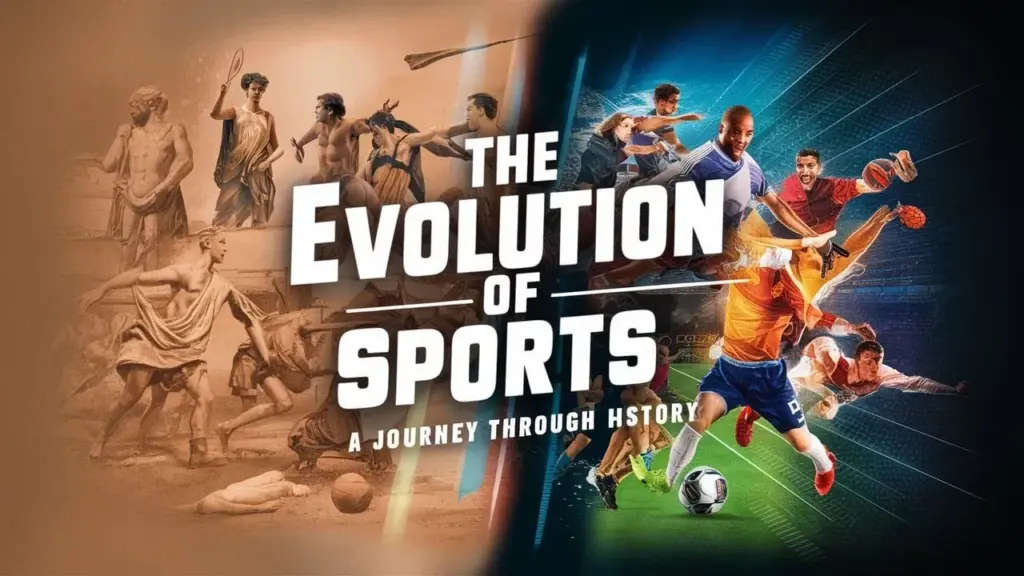
The Evolution of Sport signifies a fascinating journey that resonates with the very essence of human competition and camaraderie. From its ancient beginnings intertwined with religious rituals to the modern global spectacle we witness today, the history of sports tells a compelling story of societal progression and innovation. Major milestones in athletics have not only defined the rules of play but have also mirrored the cultural shifts and technological advancements influencing sports. Additionally, the evolution of team sports has fostered community spirit, while the ongoing impact of technology in sports continually reshapes how fans engage with their favorite athletes. As we delve into the intricate history of women in sports history and the countless challenges overcome, it becomes clear that the evolution of sport is an ever-unfolding narrative rich with inspiration and insight.
The gradual transformation of athletic competition over time illustrates a profound shift in how we perceive and participate in sports. This narrative encompasses early physical contests, the budding popularity of team-based games, and the rise of organized sports leagues. As we examine the timeline of sports history, it becomes evident that technological advancements, such as the introduction of playing formats and training methods, have played a crucial role in shaping today’s athletic landscape. Furthermore, the inclusion of diverse groups, particularly women who have fought for visibility in sports, highlights the importance of inclusivity in fostering a vibrant sports culture. Ultimately, this intricate evolution showcases not just a timeline of events, but also reflects the societal changes that sports continue to inspire.
Ancient Origins of Sports
The birth of sports can be traced back to ancient societies, where they often held immense cultural and religious significance. In Mesoamerica, the ballgame played a pivotal role, serving both as a form of entertainment and a ritualistic activity that honored gods. Similarly, ancient Greece laid the foundations of modern athletics with the establishment of the Olympic Games in 776 BC, incorporating disciplines such as running and boxing—each competition steeped in tradition and reverence for their deities.
As we delve into this era, it becomes clear that early forms of sports were less about competition as we know it today and more about communal participation and shared cultural values. The rituals associated with these activities highlight the intrinsic link between societal beliefs and physical contests, illustrating that sports were often a microcosm of larger societal frameworks.
Milestones in Athletics Through the Ages
The evolution of sports is punctuated by remarkable milestones that have redefined athletic practices. From the formation of professional leagues in the late 19th century to global events like the Olympics, each development has contributed significantly to how sports are perceived and organized. Codified rules established by sports such as rugby and cricket have allowed for not just structured competition but also the inception of a sports culture that spans the globe.
Additionally, the impact of these milestones cannot be overstated; they have influenced societal norms and attitudes towards sports, shaping public interest and altering the landscape of athletic participation. The introduction of women’s competitions and the establishment of governing bodies are prime examples of how milestones in sports have propelled progress and inclusivity.
The Impact of Technology on Sports
Technological advancements have rapidly transformed the landscape of sports. The arrival of television in the mid-20th century marked a significant turning point, allowing fans to watch live sports from the comfort of their homes. This not only generated wider audience engagement but also turned athletes into global icons, forever changing the nature of celebrity in athletics. The use of technology has made sports more accessible and engaging, paving the way for diverse fan interaction.
Moreover, the integration of technology in training regimes—such as advanced sports medicine, nutrition science, and biomechanical analysis—has revolutionized athletic performance. Athletes are now capable of achieving feats that were once thought impossible, raising the bar for future competitors. This synergy between technology and sports continues to foster breakthroughs that redefine what is achievable in athletics.
Team Sports Evolution
The rise of team sports marks a significant chapter in the history of human competition. As communities began to form leagues and establish structured competitions in the Middle Ages, sports like soccer and cricket transformed from casual pastimes into organized team endeavors. This evolution not only enhanced the competitive spirit but also fostered unity among players and their communities.
Team sports cultivate essential life skills, such as teamwork, leadership, and resilience among participants, which are valuable both on and off the field. The increased popularity of team sports has led to a profound impact on society, influencing collective identity and social bonding within diverse communities around the world.
Women in Sports History: Progress and Achievements
The journey of women in sports is one marked by ongoing struggle and remarkable achievements. Over the years, women have fought to gain recognition in athletic fields traditionally dominated by men. Significant milestones, such as the inclusion of women’s soccer in the Olympic Games in 1996, illustrate the strides made toward gender equality in sports. These achievements have inspired generations of female athletes and supporters.
Furthermore, organizations and initiatives today are championing diversity and inclusivity, creating pathways for women and marginalized groups to participate in various sports. This evolution not only rectifies historical imbalances but also enriches the landscape of athletics, showcasing the talents and contributions of women in sports, thus cultivating a more inclusive sporting community.
The Globalization of Sports
As the world becomes increasingly interconnected, the globalization of sports has emerged as a defining trend of the modern era. The rise of the internet and social media platforms has enabled fans worldwide to engage with their favorite teams and athletes like never before. Major sporting events are now streamed live, transcending geographical barriers and fostering a global sports culture that celebrates diversity in participation and fandom.
This phenomenon has also given rise to esports, which represents a new frontier in the world of sports. While traditionally viewed through a physical lens, esports has gathered a massive following, drawing millions into its competitive universe. The blending of digital and physical sports epitomizes the adaptive nature of sports in contemporary society, illustrating how new forms of competition can captivate audiences and redefine athletic engagement.
Historical Influence of the Olympics
The Olympics hold a prominent place in the evolution of international sports, symbolizing collaboration and competition among nations. The revival of the modern Olympic Games in 1896 marked a return to the ancient traditions, bringing together athletes from around the globe. The inclusion of new sports over the years has made the Olympics a vital platform for showcasing athletic excellence and sporting culture.
The Olympic Games have also acted as a catalyst for social change, promoting ideals such as amateurism and sportsmanship while fostering international camaraderie. This ongoing influence continues to shape global sports by highlighting the importance of cooperation and inclusivity at a time when the world is more connected than ever.
The Role of Sports in Cultural Identity
Sports serve as a powerful medium for expressing cultural identity and values. Across different societies, athletic competitions are often infused with local traditions, reflecting the unique essence of each culture. For instance, the elaborate ceremonies of the Olympics highlight the significance of unity and diversity, showcasing how sports can bridge cultural divides.
Moreover, sports have the power to rally communities and foster a sense of belonging. Major sporting events often become national celebrations that enhance social cohesion and pride, elevating local heroes into symbols of national identity. By understanding the interplay between sports and culture, we gain insight into how shared experiences through athletic competitions can unite individuals across diverse backgrounds.
The Future of Sports: Challenges and Opportunities
As we look forward to the future of sports, we must acknowledge both the challenges and opportunities that lie ahead. The rapid evolution of technology presents new ways of participating and engaging with sports; however, it also raises questions about the integrity of competition and the implications for traditional athletic practices. Issues of fairness, inclusion, and accessibility will become increasingly important in shaping the athletic landscape.
Moreover, as societal norms continue to evolve, the sports world must adapt to reflect these changes. Initiatives promoting diversity and inclusivity will be paramount in creating equitable opportunities for all athletes. By embracing these challenges and fostering a positive environment for future generations, the world of sports can continue to grow and inspire individuals worldwide.
Frequently Asked Questions
What are the key milestones in the evolution of sport throughout history?
Key milestones in the evolution of sport include the establishment of the Olympic Games in 776 BC, the rise of team sports in the Middle Ages, and the creation of modern sports organizations like the IOC and NFL in the late 19th century. These events have significantly shaped athletic practices and cultural perceptions of sports.
How has technology impacted the evolution of sport over the years?
Technology has profoundly impacted the evolution of sport by revolutionizing fan engagement through televised broadcasts, improving athlete performance through advancements in sports medicine, and enhancing training techniques. Innovations such as biomechanics and nutrition science continue to play a crucial role in athletic training.
What role did women play in the evolution of sport throughout history?
Women have played a significant role in the evolution of sport, advocating for inclusion and participation in various athletic disciplines. Milestones such as the inclusion of women’s soccer in the Olympics in 1996 highlight the strides made towards gender equality in sports.
How did team sports evolve from ancient times to the present?
Team sports evolved from informal games played in ancient civilizations to structured competitions in the Middle Ages. The 19th century saw the formation of codified games like rugby and soccer, leading to organized leagues and a surge in popularity that shaped modern team sports as we know them today.
What historical events marked the globalization of sports?
The globalization of sports was marked by the rise of the internet and social media, which allowed fans worldwide to follow teams and athletes. Major global events, such as the Olympics and FIFA World Cup, have also contributed to this trend, encouraging international participation and viewership.
How did the introduction of the modern Olympic Games transform athletics?
The introduction of the modern Olympic Games in 1896 revitalized ancient traditions and introduced new sports to the global stage. This event has become a symbol of international cooperation and competition, significantly influencing the evolution of sport and increasing global interest in athletics.
What are some historical examples of the impact of sports on society?
Sports have significantly impacted society by fostering community spirit, promoting national pride, and encouraging social change. The civil rights movement in the U.S. saw athletes like Jackie Robinson and Muhammad Ali use their platforms to advocate for equality, showcasing sports’ role beyond just competition.
How do esports fit into the evolution of sport as a whole?
Esports represent a new dimension in the evolution of sport, combining technology, competition, and entertainment. Despite debates over their classification as traditional sports, esports share commonalities with conventional athletics, including skill, teamwork, and competitive structures, thereby expanding the definition of sport.
What advancements in sports medicine have influenced the evolution of sport?
Advancements in sports medicine, including injury prevention techniques and rehabilitation practices, have significantly influenced athletic performance and longevity. Innovations in biomechanics, nutrition, and psychological training have helped athletes achieve record-breaking performances, shaping the future of competitive sports.
What ongoing challenges do sports face regarding inclusivity and diversity?
Sports continue to face challenges related to inclusivity and diversity, with ongoing efforts to provide equal opportunities for athletes regardless of gender, race, or ability. Organizations are increasingly championing initiatives to promote female participation and accessibility, reflecting a commitment to equality in the evolution of sport.
| Time Period | Key Events | Impact |
|---|---|---|
| 1500 BC | Mesoamerican ballgame | One of the earliest forms of sport, reflecting early cultural rituals. |
| 776 BC | Establishment of the Olympic Games in Greece | Formalized athletics and introduced competition in honor of gods. |
| Middle Ages | Rise of team sports like soccer | Community engagement and league systems increased popularity. |
| 19th century | Standardized rules and codified games | Created organized competition and established clubs. |
| Late 19th to early 20th century | Formation of modern sports organizations (NFL, MLB, IOC) | Set rules for competitions; revitalized the Olympic tradition. |
| 20th century | Television revolution | Global engagement and financial growth for sports. |
| 21st century | Globalization and rise of esports | Expanded reach of sports and introduced new forms of competition. |
| Ongoing movement | Gender equality and inclusivity initiatives | Enhanced participation opportunities for all athletes. |
Summary
The evolution of sport traces an incredible journey from ancient rituals to the modern-day multifaceted global phenomenon it is today. Each milestone highlights significant cultural, technological, and social shifts that have shaped not only the nature of athletic competition but also societal norms surrounding sports. By understanding this evolution, we gain insights into how sports serve as a reflection of human progress and unity across diverse cultures, paving the way for future innovations and the inclusivity of all participants.