
Listen to this article
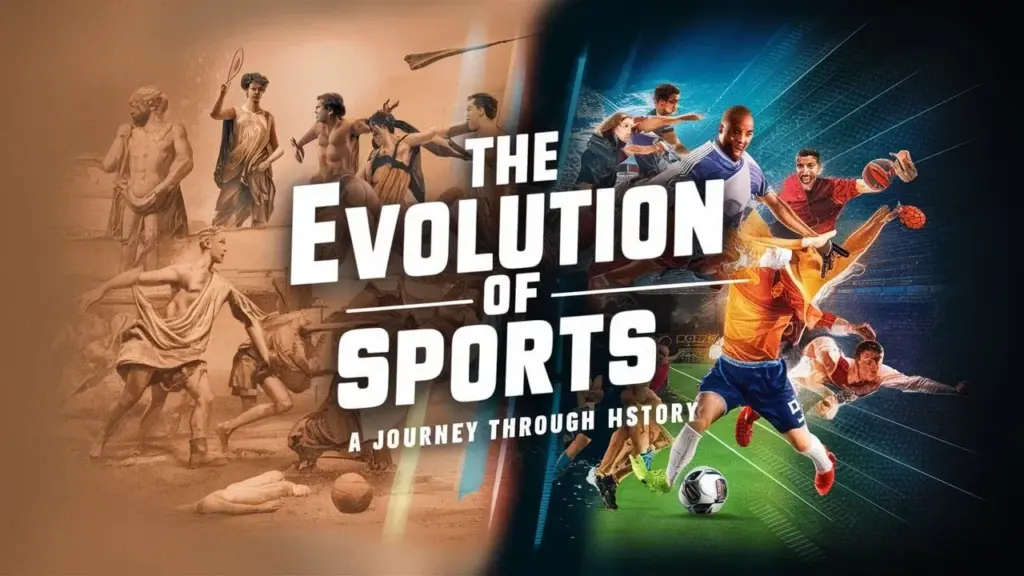
The Evolution of Sport has been a captivating journey that reveals how deeply intertwined our lives are with athletic activities throughout history. From its early roots in amateur competitions confined to local communities, sports have dramatically transformed into a global phenomenon where millions passionately follow their favorite teams and athletes. The change in sports has been significantly influenced by technological advancements, shifting societal norms, and cultural shifts that continue to redefine what sports mean today. As we traverse through the sports history, we witness a remarkable progression marked by iconic moments, celebrated athletes, and the advent of modern sports, all contributing to the rich sports culture we cherish. By exploring the history of sports over the decades, we can appreciate how this evolution shapes our engagement with physical activities and competition, making it a vital aspect of our collective human experience.
The development and transformation of athletic endeavors, often referred to as the trajectory of sport, have captivated audiences throughout the ages. This transformation encompasses a broad spectrum of activities and competitions, reflecting societal changes that elevate the role of sports in our culture. Tracing the emergence of various games and the intertwining of modern sports with traditional practices reveals fascinating insights into how sports adapt. The narrative of sports history highlights significant shifts that resonate with evolving interests and technologies, influencing how communities engage with these activities. As we delve into the evolution of athletic pursuits, we uncover a tapestry of experiences that shape our understanding of competition and the communal bonds fostered through sport.
The Early Beginnings of Sport
The origins of competitive sports can be traced back to ancient civilizations, where athletic contests were often tied to religious festivals and local traditions. In the 19th century, the formalization of sports occurred with the establishment of societies and clubs dedicated to various games, laying the groundwork for what would become the regulated sports we know today. This period marked the transition from spontaneous competitions to organized leagues, which introduced structured play and standardized rules.
During this time, sports like cricket and soccer were not only means of entertainment but also reflected social hierarchies and community identity. Their emergence triggered a significant change in sports, as they began to represent broader societal values. However, women’s participation was notably limited, indicating a historical bias that would slowly evolve over the decades.
The Rise of Professionalism
The 20th century saw an explosive growth in the professional aspects of sports, transforming local club-level activities into massive enterprises. With the establishment of professional leagues such as Major League Baseball and the NFL, sports became not only a pastime but also a lucrative industry. Athletes began to be seen as celebrities, with endorsements and sponsorships playing a crucial role in their earnings.
Media coverage broadened the reach of sports, allowing them to transcend geographic boundaries. As television became more mainstream, the spectacle of live sports began to attract millions of viewers. This integration of sport and mass media changed the perception of sports from mere games to significant cultural events that draw in diverse audiences globally.
Technological Advancements in Sports
As we entered the late 20th and early 21st centuries, the influence of technology on sports became increasingly profound. Innovations in equipment, such as advanced materials and design, have enhanced athletic performance and safety. Athletes now benefit from gear that not only improves their competitive edge but also minimizes the risk of injury.
In addition, technology’s role in analytics has revolutionized coaching strategies and player development. The use of data analytics allows teams to optimize performance, providing insights that were unimaginable in earlier eras. Wearable technology has become commonplace, allowing athletes to track their health metrics and adjust their training regimens based on real-time feedback.
The Globalization of Sports
The phenomenon of globalization has profoundly influenced the evolution of sports, bringing diverse cultures together through a shared passion for athletic achievement. Events like the Olympics and FIFA World Cup have become platforms for cultural exchange, showcasing talent from various countries and fostering international camaraderie. This interconnectedness has encouraged the adaptation of sports worldwide, further augmenting their popularity and accessibility.
As different countries embrace sports like basketball or American football, we witness a blending of traditions and practices. National investments in sports programs have led to a rise in homegrown talent and international competitiveness, highlighting how deeply sports can tie into national pride and identity.
Cultural Shifts and Inclusivity in Sports
The last few decades have ushered in significant cultural shifts that have impacted the landscape of sports. The fight for equality and representation in athletics has seen women’s sports gain more visibility through events like the Women’s World Cup and the promotion of female athletes. This shift highlights the changing dynamics within sport, underscoring inclusivity as a core value.
Moreover, the rise of eSports reveals an expansion of what constitutes sporting competition. This new realm draws young audiences and creates communities centered around digital engagement, illustrating that sports culture is continually evolving to accommodate different forms of competition and participation.
The Future of Sport: Trends and Innovations
Looking ahead, the future of sports is poised to be shaped by ongoing innovations and societal changes. Cutting-edge technologies such as virtual reality and augmented reality are set to redefine how fans experience games, while artificial intelligence will likely enhance strategic planning in play. This evolution promises not only to engage existing fans but also to attract new audiences to the sporting world.
Additionally, as the focus on inclusivity continues, we expect a push towards promoting sports in underrepresented communities. Efforts will be made to bridge cultural gaps and foster engagement, ensuring that the landscape of sports reflects a diverse and interconnected global community. The interplay of these evolving influences will undoubtedly shape a vibrant future for the world of sports.
Historical Trends in Sports Development
Throughout history, we have witnessed various trends that have significantly shaped the development of sports. Movements towards professionalization, commercialization, and increased media presence have driven the expansion and evolution of the sports industry. Understanding these historical trends provides essential insight into how sports have become not only a form of entertainment but also an integral part of societal culture.
Moreover, the interplay between tradition and modernity highlights the ongoing dialogue around the purpose and value of sports. As societies evolve, so too do the expectations and roles of sports, reflecting changes in cultural values and social priorities.
The Role of Media in Sports Evolution
The media’s involvement in sports has dramatically influenced public perception and participation in athletic activities. From radio broadcasts to live television coverage, the media has played a crucial role in popularizing sports, turning local events into global spectacles. This increased visibility has translated into higher revenues for leagues and teams, which in turn has fueled further growth and development in sports.
Moreover, social media has become a game-changer, allowing athletes and teams to communicate directly with fans, building communities and fostering loyalty. This immediacy has transformed how sports events are marketed and consumed, creating a dynamic environment where fan engagement is more crucial than ever.
The Sociopolitical Impact of Sports
Sports have long been intertwined with sociopolitical movements, serving as a catalyst for change and a platform for raising awareness. Historical moments like the Black Power salute during the 1968 Olympics exemplify how athletes have used their visibility to advocate for social justice issues. This relationship between sports and societal change continues to be significant today, as athletes leverage their influence to address contemporary challenges.
Furthermore, the intersectionality of sports with various social issues fosters a dialogue that transcends mere athletic competition. As sports organizations increasingly commit to social responsibility, they recognize the power of sports as a vehicle for advocacy, community building, and cultural influence, thereby shaping public discourse.
The Impact of Sports on Health and Wellbeing
The evolution of sports has not only transformed how we view competitive activities but has also significantly impacted public health and wellbeing. As sports gain prominence, they encourage physical activity at various levels, promoting healthier lifestyles and community engagement. This focus on fitness highlights the intrinsic connection between sports participation and overall health, underscoring the value of integrating sports into daily life.
Moreover, the rise of recreational sports leagues and community programs has ensured that individuals of all ages and abilities can participate in athletic activities. This approach not only cultivates a spirit of teamwork and camaraderie but also enhances mental health and social connections, demonstrating how the evolution of sports can contribute positively to society as a whole.
Frequently Asked Questions
What is the significance of the early beginnings of sport in the evolution of sports?
The early beginnings of sport marked the foundation of modern sports with structured rules and the emergence of popular games like cricket and soccer. This period emphasized amateur competitions and laid the groundwork for the evolution of sports into organized leagues that dominate today.
How has professionalism changed the landscape of the evolution of sports?
Professionalism revolutionized the evolution of sports in the 20th century by transforming amateur activities into lucrative careers. The establishment of professional leagues like MLB and NFL allowed athletes to earn substantial salaries, marking a significant shift in how sports are perceived and commercialized.
In what ways have technological advancements impacted the evolution of sports?
Technological advancements have played a pivotal role in the evolution of sports by enhancing athletic performance through better equipment, data analytics, and training techniques. Innovations like wearable technology provide real-time feedback, reshaping how performance is analyzed and improved.
How does globalization influence the evolution of sports?
Globalization has broadened the reach and acceptance of various sports, showcasing them on international platforms like the Olympics. This evolution has led to a blend of cultures within sports and increased participation worldwide, as nations invest in sports programs for global competitiveness.
What cultural shifts have influenced the evolution of sports in recent decades?
Cultural shifts towards inclusivity and diversity have greatly influenced the evolution of sports, with increased female participation and representation highlighted by events like the Women’s World Cup. These changes reflect societal values and the evolving landscape of sports culture.
How do eSports fit into the discussion of the evolution of sports?
eSports represent a modern evolution of sports, breaking traditional boundaries by introducing competitive gaming as a legitimate form of sport. This shift underscores the growing recognition of diverse sports cultures and the ways people engage with competitive activities.
What future trends can we expect in the evolution of sports?
The future of sports will likely be characterized by continued technological innovations, such as virtual reality training and AI in gameplay, as well as ongoing globalization and inclusivity efforts. These trends suggest an evolving sports landscape that adapts to societal preferences and emerging technologies.
What role does commercialization play in the evolution of sports?
Commercialization has profoundly influenced the evolution of sports by turning teams into businesses and transforming athletes into brands. This shift has led to increased revenue streams from media rights and sponsorships, further entwining sports with entertainment.
How has the history of sports shaped modern sports culture?
The history of sports, encompassing amateur foundations to professional leagues, has shaped modern sports culture by establishing norms and practices that encourage competition, community engagement, and global interaction, ultimately influencing how sports are experienced today.
What are the key phases in the evolution of sports?
Key phases in the evolution of sports include the early beginnings focusing on amateur competitions, the rise of professionalism in the 20th century, the integration of technology in performance, and the impact of globalization and cultural shifts towards inclusivity, showcasing the dynamic nature of sports.
| Phase | Key Features | Impact |
|---|---|---|
| The Early Beginnings of Sport | Primarily amateur competitions, focused on skill and physical activity. Established sports like cricket, soccer, and rugby. | Foundation for modern sports with established rules and local leagues. |
| The Rise of Professionalism | Emergence of professional leagues such as MLB and NFL. Commercialization of sports with athletes earning salaries. | Sports became a significant source of entertainment and a platform for celebrity athletes. |
| Technological Advancements | Improved sports gear and training through technology. Use of data analytics and wearable technology. | Enhanced performance and informed decision-making for athletes and coaches. |
| Globalization of Sports | International competitions like the Olympics and FIFA World Cup. Increased accessibility and popularity of various sports. | Cultural exchanges and international recognition for sports programs. |
| Cultural Shifts and Inclusivity | Increased representation of women in sports and new categories like eSports. Youth programs to encourage diverse participation. | Growing inclusivity and broader engagement with different demographics. |
| The Future of Sport | Anticipated advancements in virtual and augmented reality, AI in strategizing. | Continuous adaptation to societal needs and preferences will shape the future sports landscape. |
Summary
The Evolution of Sport has been a remarkable journey characterized by profound changes and influences over the years. From its roots in amateur competition to the multi-billion dollar global industry we see today, sports have transitioned through various phases shaped by technology, commercialization, cultural shifts, and global dynamics. This evolution reflects not only the adaptive nature of sports but also the broader social movements that encourage inclusivity and diversity. As we continue to embrace new innovations and engage in sports, we undoubtedly enhance our experiences and reinforce the significance of sport as a unifying force in society.

