
Listen to this article
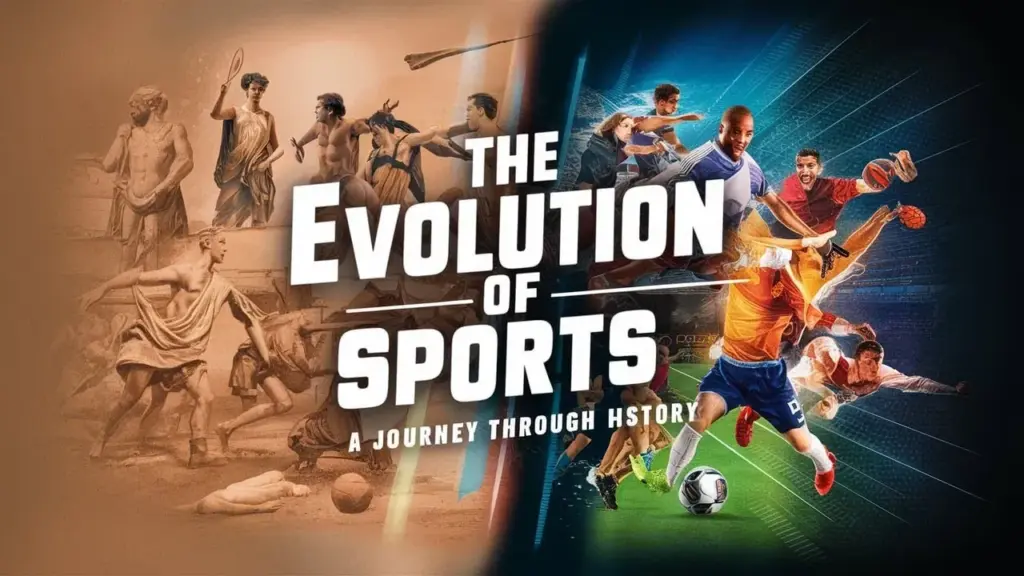
The evolution of sport has dramatically shaped human interaction and culture throughout history. From the ancient rituals of competitive games to the highly commercialized, global sporting events we experience today, the history of sport reveals a narrative of human progress and societal values. Each phase of sports evolution indicates how our collective experiences, ideals, and aspirations have transformed over millennia. The impact of sport on society extends beyond mere entertainment; it has the potential to influence social structures and cultural conversations. By tracing a sports evolution timeline, one can appreciate the integration of sports into the fabric of global communities, showcasing their role in cultural identity and international relations.
The transformation of athletic activities and competitive undertakings throughout history illustrates a dynamic interplay between physical pursuits and societal developments. The progression from community games and regal tournaments to globally celebrated championships highlights the significant intersection of sports and culture. Various athletic disciplines not only foster healthy competition but also reflect the shifts in societal norms and values. With the globalization of sports, enthusiasts from all backgrounds unite, creating shared narratives that transcend geographical boundaries. This exploration of physical activity’s historical journey unveils not only the leisure aspect of sports but also their profound influence on social cohesion and identity.
The Historical Roots of Sports
The roots of sports can be traced back to ancient times, with early evidence of competitive activities emerging in diverse civilizations around the world. In regions like ancient Egypt, Greece, and China, sports were intertwined with societal values and rituals. Archaeological evidence indicates that these activities were not only forms of entertainment but also vital components of community cohesion, celebrating the physical abilities of individuals while reinforcing cultural identity.
Through the lens of history, we can see how these games evolved significantly over time, adapting to the social, economic, and political changes within societies. The intertwining of sport and culture became increasingly prominent, influencing not just the ways people played but also how societies viewed physical prowess and recreation in relation to their histories.
The Evolution of Sport and its Societal Impact
Sport has consistently evolved, reflecting major societal shifts and cultural values. Initially a framework for competition and celebration, it gradually developed into a significant aspect of social structure. This evolution is synonymous with changes in governance, economy, and technological advancements throughout history. As societies transitioned from tribal communities to more organized states, the role of sports transformed from simple pastimes into sophisticated institutions that commandeer considerable resources and organizational efforts.
The impact of sports on society is manifold, influencing various aspects such as collective identity and social norms. It serves as a mirror, reflecting societal values and offering both an escape and a means of engagement for communities. For example, during major socio-political upheavals, sports have played a role in unifying people and providing a platform for social justice movements, underlining its importance in fostering dialogue and change in society.
The Cultural Significance of Competitive Games
Culturally, competitive games serve as a focal point for community identity and pride. They promote a sense of belonging, often transcending individual differences to forge a collective identity among participants and audiences alike. Historical events, such as the Olympic Games, have provided a stage for nations to showcase their athletes while promoting ideals of peace and camaraderie among disparate cultures.
Moreover, sports play a crucial role in reinforcing cultural narratives and heritage. Through the celebration of indigenous games and traditional sports, communities retain vital links to their cultural past, showcasing skills and promoting cultural pride. This relationship between sports and culture illuminates how athletic activities can enhance social cohesion and foster deeper communal ties.
The Sports Evolution Timeline: Key Milestones
The history of sport is marked by significant milestones that document its evolution from informal games to organized, industrialized entities. The establishment of the Ancient Olympic Games in Greece is one such milestone, symbolizing the birth of competitive sport and its linkage to cultural and national identity. Over centuries, various sports transitioned into formalized codes and competitions, defining the characteristics that we now associate with modern sports.
In the 19th century, the emergence of the Industrial Revolution catalyzed another phase in the sports evolution timeline. As urban centers grew and leisure time expanded for the working class, new sports associations and standardized rules emerged. This laid the foundation for professional sports leagues, transforming how sports were played, viewed, and commercialized in society, leading to the sports we recognize today.
Globalization and its Influence on Sports
The globalization of sports has proven to be one of the most transformative elements in the evolution of athletic competition. With advancements in technology and communication, sports have transcended local boundaries, becoming a global phenomenon. Mega events such as the FIFA World Cup and the Olympics can now engage audiences from diverse cultural backgrounds, bringing together billions of fans and fostering international unity through the shared passion for sports.
This process of globalization has also led to the proliferation of sports cultures, as elements from different regions intermingle and evolve. Consequently, sporting traditions adapt and mesh, leading to new hybrid forms of games that reflect diverse influences. However, this phenomenon raises questions about the preservation of local sports traditions against the backdrop of global commercial interests.
Technological Innovations in Sports
The impact of technology on sports has been revolutionary, enhancing both the performance of athletes and the spectator experience. Innovations such as wearable fitness technology, advanced training equipment, and data analytics have transformed how athletes prepare and compete. This technology is not only reshaping the athletic performance landscape but also optimizing how teams strategize for competitions.
Additionally, technological advancements have redefined spectator engagement, making sports more accessible through digital media and broadcasting innovations. Features like instant replay, AR experiences, and interactive platforms allow fans to engage with their favorite sports at an unprecedented level. As technology continues to advance, it will undoubtedly play a key role in shaping the future trajectories of both sport and society.
Promoting Health and Well-being through Sports
The intersection of sports and health has gained significant attention in recent years, as participation in athletic activities correlates strongly with overall well-being. Engaging in sports fosters not only physical fitness but also mental resilience, team spirit, and personal discipline. Educational institutions increasingly recognize the importance of sports in building leadership skills and promoting physical health among students.
Community sports programs act as vital platforms for youth engagement, promoting a sense of belonging and purpose. These initiatives often become essential in developing life skills, encouraging sociability, and instilling values such as teamwork and accountability among young participants. As awareness of health issues rises, the role of sports in community health initiatives becomes increasingly important.
Challenges Facing Modern Sports
Despite the myriad benefits sports bring to society, they also face considerable challenges that must be addressed for continued growth and integrity. Issues such as doping, corruption, and the gender pay gap have emerged as major controversies that threaten the spirit of competition. Addressing these concerns requires a collective effort from stakeholders within the sports arena, including federations, athletes, and fans.
Moreover, the impact of these challenges extends beyond the playing field, influencing public perception and trust in sporting institutions. Transparency and accountability must become cornerstones of the sports industry if it is to maintain its status as a beacon of fair competition and societal values. In working together to tackle these challenges, there exists an opportunity to redefine the ethos of sports.
The Future of Sport: Trends to Watch
Looking ahead, the future of sports is likely to be shaped by myriad trends, potentially leading to new forms of competition, enhanced audience engagement, and evolving definitions of athletic prowess. As societal values shift and technology continues to advance, we may see new sports roles emerge, where athletes are not just competitors but also advocates for social change.
This evolution also raises considerations for inclusion and diversity within sports, pushing organizations to embrace underrepresented voices. The rise of social media and digital platforms plays a critical role in this transformation, allowing diverse narratives and perspectives to come to the forefront, ultimately enriching the sporting landscape. Thus, the future of sport holds tremendous potential, with opportunities to leverage its influence for greater societal good.
Frequently Asked Questions
What factors have influenced the evolution of sport throughout history?
The evolution of sport has been influenced by numerous factors, including cultural changes, technological advancements, globalization of sports, and societal values. From ancient competitive games to modern professional leagues, sports reflect our evolving identities and social structures.
How did ancient civilizations contribute to the history of sport?
Ancient civilizations such as Egypt, Greece, and China laid the foundations of the history of sport by establishing organized competitions tied to religious and social events. The Olympic Games in Greece notably emphasized athletic excellence and unity, marking a significant evolution of sport.
What impact did the Industrial Revolution have on the evolution of sport?
The Industrial Revolution played a crucial role in the evolution of sport by fostering urbanization, which led to increased leisure time for workers. This shift facilitated the rise of organized sports and clubs, creating a structured environment for competition and setting the stage for future professional sports.
How has the globalization of sports changed its evolution?
The globalization of sports has transformed its evolution by enabling international competitions like the FIFA World Cup and the Olympics to attract global audiences. This interconnectedness promotes cultural exchange and unity, redefining the role of sports in global society.
In what ways does sport reflect cultural norms and social issues?
Sport reflects cultural norms and social issues by serving as a platform for athletes to address social justice and equality. Historical moments, such as Muhammad Ali’s activism during the civil rights movement, demonstrate how the evolution of sport intersects with societal change.
What role does technology play in the evolution of sport today?
Technology plays a pivotal role in the evolution of sport by enhancing performance and experiencing through innovations such as analytics, instant replay, and virtual reality. These advancements not only change how sports are played but also redefine spectator engagement and interaction.
How has the evolution of sport encouraged health and well-being in society?
The evolution of sport fosters health and well-being by promoting physical activity, teamwork, and discipline among participants. Schools increasingly emphasize sports in their curricula, recognizing their importance in mental health and personal development, especially for youth.
What challenges does modern sport face despite its positive evolution?
Modern sport faces challenges such as doping scandals, corruption, and inequality, particularly regarding gender and race. These issues highlight the need for ongoing reform to ensure fairness and integrity within the evolving sports landscape.
How have women influenced the evolution of sport in recent years?
Women have significantly influenced the evolution of sport by advocating for gender equality and representation. Pioneers like Billie Jean King have led efforts to increase visibility and respect for women’s sports, showcasing the ongoing evolution towards inclusivity in athletics.
What can we expect for the future of sport based on its evolution?
The future of sport, based on its evolution, is likely to feature increased inclusivity, technological integration, and a focus on social responsibility. As sports continue to reflect societal changes, they hold the potential to serve as powerful tools for unity and social change.
| Era | Key Points |
|---|---|
| Ancient Civilizations | Early sports tied to rituals; evidence from Egypt, Greece, China. |
| Ancient Greece | Establishment of the Olympic Games in 776 BC; promoted unity and athletic excellence. |
| Medieval to Early Modern Period | Sports influenced by feudalism; rise of competitive activities among nobility and common folk. |
| Industrial Revolution | Increased leisure time leading to organized sports; establishment of clubs and rules. |
| Professional Sports | Transition from amateur to professional sports; surge in spectator interest in the late 1800s. |
| Globalization of Sports | Impact of TV and the internet; major events unifying global audiences. |
| Cultural Impact | Sports as reflection of social issues; athletes advocating for justice and equality. |
| Technology in Sports | Advancements changing gameplay and spectator experience; use of analytics and VR. |
| Health and Well-being | Promotion of physical activity and teamwork; sports in education improving mental health. |
| Challenges and Controversies | Issues like doping, inequality, and gender pay gap are ongoing challenges. |
Summary
The evolution of sport has played a crucial role in shaping our society over time. From its origins in ancient rituals to modern professional leagues, sport reflects societal values, cultural identities, and technological progress. Today, it serves not only as entertainment but also as a platform for advocacy, wellness, and community engagement. The journey of sport has been punctuated by significant milestones such as the Olympic Games, the commercialization during the Industrial Revolution, and the global connectiveness fostered by technology. As we continue to navigate challenges like inequality and integrity in sports, it’s clear that the evolution of sport will remain integral to our collective identity and social fabric.

