Listen to this article
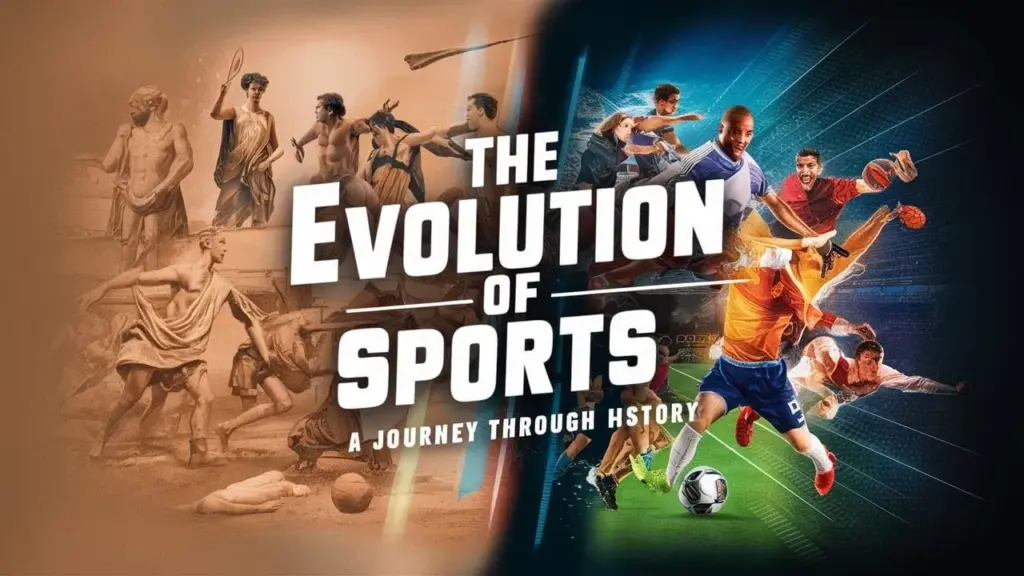
The evolution of sport reveals a captivating journey through history that reflects humanity’s cultural and technological advancements. From ancient athletic contests held in ancient Greece to the modern-day mega-events like the Olympics, the history of sports is rich with transformation. The rise of sports is intricately linked to the development of societies and the globalization of sports, as people from different cultures unite in competition. Furthermore, the impact of media on sports has been profound, enabling fans to engage with their favorite athletes and teams like never before. In this exploration, we will delve into how sports have transformed over time, highlighting key milestones influenced by societal changes and technological innovations.
Sporting activities have morphed dramatically over the centuries, leading to a diverse landscape of athletic competition that encompasses everything from grassroots events to global championships. This phenomenon, often referred to as sports transformation, encompasses how physical contests and games have evolved in response to shifts in societal norms and technological breakthroughs. The interplay between sports and technology has not only enhanced performance and athlete training but also transformed how entertainment is consumed. Moreover, as events are broadcasted globally, the globalization of sports showcases the increasing interconnection of cultures around shared athletic experiences. Together, these elements illustrate the dynamic nature of athleticism and its ongoing evolution.
The Origins of Sports: A Historical Perspective
The origins of sports can be traced back to ancient civilizations, where competitions served not only as entertainment but also played crucial roles in military training and cultural rituals. These early forms of sports included events like the Ancient Olympic Games, where athletes from various city-states came together to compete for glory, fostering a spirit of unity despite their rivalries. Understanding the origins of sports provides insight into how these activities were intertwined with societal norms and the values of the time, illustrating the foundational role they have played throughout history.
Along with the Olympic Games, numerous other ancient sports emerged globally, each reflecting the socio-political landscape of their time. For instance, the Mesoamerican ballgame was deeply rooted in ritual and social status, showcasing how local culture influenced participation and the meanings attributed to sports. This historical lens allows us to appreciate the lasting significance of athletic competition, paving the way for the modern sports we recognize today.
The Middle Ages: Sports in a Feudal Society
During the Middle Ages, sports began to morph as society transitioned through feudalism and a predominantly agrarian lifestyle. With a focus on local gatherings, physical contests like jousting and archery became prominent among the nobility, serving dual purposes: as entertainment and as preparation for potential conflicts. These early forms of organized sport were more than mere games—they acted as a means of asserting social status and were tightly packed with community significance.
The lack of formalized structure during this era meant that sports were often spontaneous and varied widely from one region to another. The Renaissance, however, brought a shift, prompting a revival of ancient ideals and paving the way for standardized rules in sports. The codification of games like soccer marked a pivotal moment, signifying an evolving understanding of sports as both a source of recreation and a structured competition.
The Industrial Revolution: Birth of Modern Sports
The Industrial Revolution drastically changed the landscape of sports, introducing new leisure activities as urbanization surged. As factory workers sought entertainment after long working hours, the establishment of sports clubs and associations became prevalent, laying the groundwork for modern organized sports. This period saw the rise of football, cricket, and rugby into formalized leagues, marking a crucial transformation in how sports were played, organized, and consumed.
The influence of the media during this time cannot be overstated. As newspapers began reporting on sports, a wider audience was drawn into the fold, enabling fans to follow their favorite teams and athletes. The introduction of photography and film expanded this reach even further, solidifying sports as a central component of popular culture, accessible to the masses. This transformation of sports laid the foundation for the global phenomena we witness today.
The 20th Century: Professionalism and Global Reach
In the 20th century, professional sports exploded into a major industry, with figures such as Babe Ruth and Pelé becoming household names. Athletes began to turn their passion for sports into viable careers, creating a new landscape where sports not only entertained but also provided lucrative opportunities. This era marked the professionalization of athletics, with an emphasis on skill, dedication, and performance.
Television emerged as a game-changer, revolutionizing how sports were consumed around the globe. Events like the FIFA World Cup and the Olympics drew millions of viewers, fostering a worldwide fan base and creating a cultural exchange. Sports reflected and influenced broader social issues, with the evolution of women’s events and discussions around race and equality paving the way for future inclusivity in athletics.
The Impact of Technology on Sports Performance
As we transitioned into the 21st century, technology began reshaping sports in remarkable ways, with advancements in gear, analytics, and athlete monitoring capabilities revolutionizing performance. Enhanced equipment—featuring lighter materials and improved designs—augmented athletes’ abilities, while innovative training methods employing metrics and statistics transformed how they prepare for competitions. Wearable technology, such as fitness trackers and smart clothing, has allowed for real-time data collection, providing critical insights that can improve athletic performance.
The rise of e-sports highlights yet another facet of technological influence, demonstrating that competition can extend beyond traditional sports into the gaming realm. With various formats such as multiplayer battles and simulations, e-sports challenge and redefine the understanding of athletic competition, showing that passion for gaming can parallel that of traditional sports. This new dimension emphasizes the importance of adaptability as sports continue to evolve alongside technological advancements.
Social Media: Redefining Fan Engagement
The advent of social media has fundamentally transformed the relationship between fans and sports. Platforms like Twitter, Facebook, and Instagram enable real-time interactions between athletes and their followers, creating an instant feedback loop previously unimaginable. Fans today can engage in discussions, share content, and even participate in live commentary during games, fostering a sense of community around their favorite sports.
Furthermore, the rise of streaming services has redefined how sports are consumed. Fans can now watch events from anywhere in the world on-demand, drastically changing the traditional viewing experience. This increased access has significantly impacted the economics of sports, with merchandising, sponsorships, and advertising growing due to a broader fan base. The digital landscape reflects the fusion of sports, media, and technology, enhancing investment in athlete development and overall marketing strategies.
Globalization of Sports: A Cultural Exchange
Globalization has played a crucial role in the evolution of sports, fostering cultural exchanges and interactions that transcend borders. As sports gain popularity worldwide, local games have adapted to include international flair, leading to the emergence of global leagues and tournaments that showcase diverse styles and traditions. This interconnectedness not only enriches the sporting experience but also promotes understanding and camaraderie among nations.
The pervasive nature of global sports events like the Olympics exemplifies how sports can act as a powerful medium for diplomacy and unity. The convergence of athletes from various backgrounds and cultures during these mega-events underlines the universal appeal of sports, reinforcing their significance as a platform for dialogue and cooperation beyond mere competition. As sports continue to globalize, they reflect the complexities of our interconnected world.
The Future of Sports: Trends and Innovations
Looking ahead, the future of sports appears vibrant, driven by emerging trends and innovations that promise to reshape the landscape once again. Concepts like virtual reality training and blockchain for ticketing systems are at the forefront of the movement, merging cutting-edge technology with traditional sporting practices. This evolution suggests that sports will continually adapt to meet the expectations of new generations of fans and athletes.
Moreover, as society places increasing value on health and fitness, sports may increasingly evolve to embrace inclusivity and accessibility. These shifts present opportunities for innovative leagues and competitions that engage individuals across diverse backgrounds, promoting participation in a variety of sports at all levels. The essence of sports—competition, teamwork, camaraderie—remains steadfast, even as the forms they take continue to diversify in response to technological and cultural changes.
Examining the Impact of Media on Sports
The interplay between media and sports has surged, significantly influencing how sports are perceived and experienced. Media outlets not only report on games but also shape narratives around athletes, teams, and major events, instilling a sense of drama and excitement that heightens fan engagement. Coverage through various channels brings sports into homes, making them a staple in popular culture and elevating their status as central social activities.
Additionally, sports broadcasting companies have recognized the importance of catering to changing viewer preferences, offering more tailored packages that give fans the power to choose how they consume content. The increasing complexity of media rights and the rapid rise in digital content availability underscore the need for traditional sports organizations to innovate and adapt, ensuring their relevance in an evolving media landscape. This shift is indicative of how sports will continue to evolve alongside the technological and media currents.
Frequently Asked Questions
What is the evolution of sport from ancient to modern times?
The evolution of sport traces its origins back to ancient civilizations, where games served as both entertainment and military training. Over time, through the Middle Ages and the Renaissance, sports became more organized with formal rules. The Industrial Revolution solidified team sports, while the 20th century introduced professionalism and globalization, making sports a cultural phenomenon. Today, technology continues to shape the evolution of sport, offering new dimensions and experiences.
How has technology influenced the evolution of sport?
Technology has significantly influenced the evolution of sport by enhancing performance, training, and fan engagement. Advanced analytics, wearable devices, and smart equipment help athletes monitor and improve their skills. Furthermore, the rise of e-sports represents a new frontier in the evolution of sport, combining gaming with competitive athletics and redefining traditional definitions of sports.
What role has media played in the evolution of sport?
Media has played a pivotal role in the evolution of sport by increasing visibility and accessibility. The rise of television and social media platforms has transformed how fans engage with their favorite sports, allowing for real-time interaction and broader audience reach. This increased exposure has fueled the popularity of sports, contributing to their globalization and economic impact.
How has the globalization of sports affected its evolution?
The globalization of sports has accelerated its evolution by creating a worldwide audience and promoting cross-cultural exchanges. Major events like the FIFA World Cup allow nations to come together through competition, reflecting diverse cultures while fostering a sense of unity. This globalization has also opened doors for talent from various regions, enriching the world of sports.
What are some historical milestones in the evolution of sport?
Historical milestones in the evolution of sport include the introduction of the Ancient Olympic Games in 776 BC, the codification of soccer rules in the 19th century, the establishment of women’s events in the 1900 Olympics, and the rise of professional leagues in the 20th century. Each milestone illustrates significant shifts in how sports are perceived and organized.
In what ways have sports transformed over centuries?
Sports have transformed over centuries from local physical contests to globally recognized events involving professional athletes and vast audiences. Innovations in rules, technology, and media have shaped this transformation, making sports an integral part of society and culture. The evolution includes both traditional sports and the emergence of digital gaming platforms.
What is the significance of the history of sports in understanding its evolution?
The history of sports provides essential context for understanding its evolution by illuminating how societal changes, cultural values, and technological advancements influence games. Studying this history reveals patterns of transformation, the impact of various movements, and the continuous interplay between tradition and innovation in sports.
How have cultural factors influenced the evolution of sport?
Cultural factors profoundly influence the evolution of sport by shaping the types of games played, the values emphasized, and the social significance attributed to them. For example, the Mesoamerican ballgame had deep rituals, while modern sports often emphasize inclusivity and diversity. Understanding these cultural aspects provides insight into how sports reflect and adapt to societal changes.
What future trends might shape the evolution of sport?
Future trends likely to shape the evolution of sport include advancements in virtual reality training, blockchain technology for ticketing, and a deeper integration of data analytics in performance measurement. Additionally, as societal norms continue to evolve, the push for inclusivity and representation in sports will also likely drive significant changes.
How does the impact of globalization manifest in modern sports?
The impact of globalization in modern sports manifests through international competitions, cross-border athlete recruitment, and the widespread popularity of sports brands. This trend facilitates cultural exchange, promotes diverse talent, and creates a shared global viewership, ultimately transforming local traditions into international spectacles.
| Era | Key Developments | Cultural Influence | Technological Advancements |
|---|---|---|---|
| Ancient Times | The Ancient Olympic Games began in 776 BC. | Promoted unity among city-states. | Early contests used rudimentary equipment. |
| Middle Ages | Jousting and archery became popular. | Popular among nobility; less formalized. | Emergence of organized contests. |
| Renaissance | Revival of the Olympic ethos. | Sports linked to education and character development. | Formation of structured rules. |
| Industrial Revolution | Rise of clubs and formal competitions. | Cultural exchange through popular sports. | Media began to cover sports events extensively. |
| 20th Century | Commercialization and professionalism. | Sports as a reflection of societal issues. | Television transformed viewership. |
| 21st Century | Growth of e-sports and new forms of competition. | Increased global engagement via social media. | Wearable technology and analytics evolved. |
Summary
The evolution of sport is a compelling narrative that illustrates how games have transformed through time, mirroring the dynamics of society, technology, and culture. From the military training and rituals of ancient civilizations to the high-stakes professionalism seen in the 20th century, sports have adapted to meet the demands of changing times. Today, sports continue to evolve with technological advancements and the emergence of new forms of athletic expression, like e-sports. This ongoing transformation not only enhances the experience for athletes and fans alike but also reinforces the timeless principles of competition and teamwork that lie at the heart of all sporting endeavors. As we look to the future, the evolution of sport will undoubtedly forge new paths while honoring its rich historical legacy.