Listen to this article
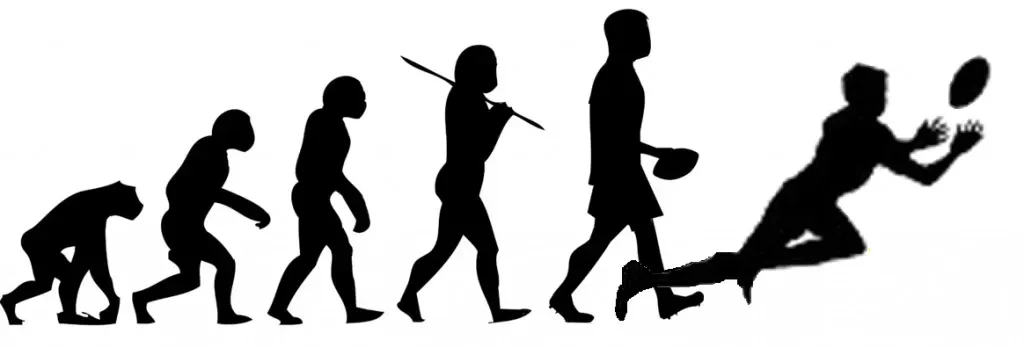
The evolution of sport is a captivating journey that mirrors the complexities of human civilization and cultural development. Spanning from the ancient games of Greece and Rome to the competitive realms dominated by modern athletes, the history of sports reveals how societal values and technological advancements have shaped athletic endeavors. Originally, these ancient competitions were not merely entertainment; they were deeply rooted in cultural practices and communal identity, culminating in events like the Olympic Games. The evolution of sport represents more than just the progression of physical contests; it encapsulates the growing sports culture that celebrates competition, personal achievement, and international unity. As we delve into this exciting chronicle, we will uncover the transformative milestones that have defined the world of sports and influenced the lives of athletes worldwide.
Exploring the progression of athletic competition unveils a rich narrative filled with historical significance and cultural impact. From primitive contests among ancient tribes to the meticulously organized sporting events enjoyed by billions today, the development of athletic pursuits highlights the importance of play in human societies. This discourse on competitive games not only illustrates the growth of modern athletes but also showcases how these activities have become integral to global sports culture, often exemplified by grand spectacles like the Olympic Games. As we navigate this fascinating terrain, we will uncover the key moments and figures that have redefined sports and their role in our social fabric.
The Historical Roots of Sports and Games
The history of sports is a fascinating tapestry woven from the traditions of ancient societies. The earliest records of competitive games can be traced back to the ancient Greeks, who revered physical prowess and competitive spirit through events like the Olympic Games. Dating back to 776 BC, these games not only showcased athletic excellence but also served to unite the city-states of Greece under a common banner of sportsmanship and celebration of human capability. Similarly, ancient civilizations such as the Romans held their own gladiatorial contests, reflecting both a cultural appreciation for strength and martial skill. These early forms of competition laid the groundwork for the beloved sports culture we see today.
As we examine the historical roots of sports, it becomes clear that they were not merely pastime activities, but rather integral parts of societal identity and cultural values. The organization of events, the celebration of heroes, and the flowing of community spirit during these competitions were significant. They taught essential lessons about honor, perseverance, and teamwork that resonate in the sports of the modern era. Without these ancient games, the rich tapestry of sports as a global phenomenon may not have existed.
The Rise of Organised Sports
The evolution of sport took a monumental turn during the Renaissance, as societal attitudes towards physical fitness and competition shifted significantly. With an increasing emphasis on structured play, organized sports began to arise, particularly throughout the 19th century. This was a period marked by the formation of clubs and governing bodies dedicated to various sports, which codified rules and established fair play. Sports like cricket and rugby gained popularity, and the formation of leagues helped solidify their presence in public life, highlighting a commitment to competition and player development.
This transition to organized sports was essential in transforming how people engaged with athletics. Beyond merely competing, athletes started to embody values of discipline, character-building, and community involvement. This newfound structure allowed for a more competitive environment and raised the standard of play across different sports, therefore paving the road for the elite athletes we recognize today. Organized sports not only influenced the participants but also garnered the attention of burgeoning spectator cultures, thus intertwining sports and societal identity even further.
Frequently Asked Questions
What is the significance of ancient games in the evolution of sport?
Ancient games, particularly the Olympic Games in Greece around 776 BC, played a crucial role in the evolution of sport by introducing organized competition and cultural values such as honor and excellence. These early sports competitions laid the foundation for modern athletic events and shaped societal attitudes towards physical fitness.
How did the first modern Olympic Games influence the evolution of sport?
The first modern Olympic Games held in Athens in 1896 marked a pivotal moment in the evolution of sport, reviving the ancient tradition and emphasizing international competition. This event set a precedent for global sporting events and inspired a surge in organized athletics, leading to the establishment of various competitive sports worldwide.
What role did technology play in the evolution of sport?
Technology has significantly influenced the evolution of sport by enhancing how games are played, viewed, and engaged with. Innovations such as instant replay, television broadcasting, and social media have expanded the audience and changed the dynamics of fan interaction, transforming athletes into brands and global icons.
How did the birth of professional leagues impact the evolution of sport?
The establishment of professional leagues in the late 19th century transformed the evolution of sport by institutionalizing competition and elevating athletes to celebrity status. This shift fostered a sports culture where competition intensified, leading to better training, increased viewership, and the commercialization of sports.
In what ways did the Renaissance contribute to the evolution of sport?
The Renaissance reignited interest in physical fitness and athletic activities, influencing education and character development through sports. This era paved the way for organized sports, the establishment of rules, and the formation of clubs, all of which contributed significantly to the evolution of structured competitions.
What were the social implications of sports during the Middle Ages?
During the Middle Ages, sports reflected the feudal society, with activities like jousting and archery gaining popularity among nobility, while games like mob football entertained peasantry. This division highlights the evolution of sport as not just physical contests but also social reflections of power and class dynamics.
How did athletes elevate the culture of sports in modern times?
Modern athletes, such as LeBron James and Serena Williams, have elevated sports culture by transcending their roles as competitors to become influential figures in society. They advocate for social issues, redefine excellence, and inspire the younger generation, demonstrating how the evolution of sport includes cultural and philanthropic responsibilities.
What are some examples of ancient sports that have influenced modern sports?
Ancient sports such as running and wrestling have influenced modern sports significantly. The Olympic Games’ events laid the groundwork for contemporary athletics, while ancient games like gladiatorial contests inspired the spectator culture now prevalent in many modern sports.
How does the evolution of sport reflect broader social transformations?
The evolution of sport mirrors broader social transformations by highlighting changes in culture, values, and technology throughout history. From ancient games to modern athletics, sports have evolved to reflect societal progress, technological advancements, and shifts in public attitudes towards competition and fitness.
What future innovations should we expect in the evolution of sport?
Future innovations in the evolution of sport may include advancements like virtual reality training, biotechnological enhancements for performance optimization, and advanced analytics in gameplay. These developments have the potential to redefine the sports experience, making it more engaging and interactive for fans and athletes alike.
| Key Period | Key Features |
|---|---|
| Ancient Beginnings | Origins in ancient Greece with the first Olympic Games in 776 BC. Emphasis on strength, honor, and competitiveness, and the evolution of spectator culture in Rome. |
| The Middle Ages | Sports reflected feudal society, with pursuits like jousting and archery for nobles, and mob football for peasants. Beginning of rule codification. |
| Renaissance to 19th Century | Renewed interest in fitness and sports, leading to organized competitions and the birth of sports clubs. Emergence of sports like cricket and rugby with formal rules. |
| Birth of Modern Sports | First modern Olympic Games in 1896 revived international competition. Rise of professional leagues transformed athletes into public figures. |
| Role of Technology | Technological changes transformed sports engagement through broadcasting, merchandising, and social media platforms. |
| Evolution of Athletes | Modern athletes are cultural icons and influence social issues. Focus on health, fitness, and personal branding. |
Summary
The evolution of sport highlights the intricate dynamics between human culture, societal progress, and athleticism. From its ancient roots where competitions honored values of strength and dignity, to today’s global phenomena driven by technology and commercialization, the journey of sport reflects not only changing human interests but also broader social transformations. As we move forward, innovations in sports will continue to emerge, promising to reshape our experience of athleticism while preserving the core essence of competition and human achievement. Understanding the evolution of sport enriches our appreciation of its role in shaping society.