
Listen to this article
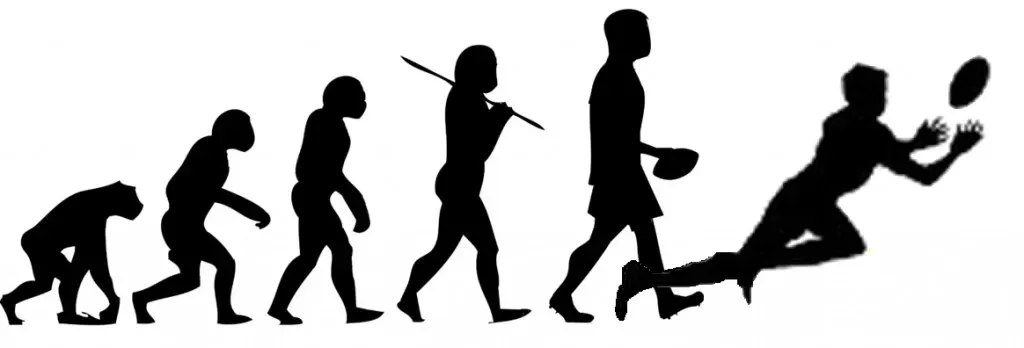
The evolution of sport is a fascinating journey that showcases the transformation of athletic competition throughout history. From the primitive games played by ancient civilizations to the grandeur of the modern Olympics, the history of sports reflects humanity’s competitive spirit and cultural values. This post delves into key milestones in sports history, illustrating how ancient games laid the groundwork for today’s professional sports leagues. The transition from informal community competitions to globally recognized events reveals the profound impact of societal changes on sports evolution. Join us as we explore the vibrant tapestry of sports, highlighting how each era has contributed to shaping what we now celebrate as athleticism.
The progression of athletic competition can be viewed through various lenses, emphasizing the remarkable journey of competitive recreation. Tracing back to the origins of play and games, one finds a rich tapestry woven into the fabric of humankind, showcasing recreational pursuits that have evolved over centuries. This discussion will illuminate how historical athletic events, including the ancients’ rituals and the emergence of contemporary sports, mark pivotal moments in what we might term the ‘history of athletic competition.’ Furthermore, as we venture through the dynamics of sports reform and globalization, a clearer understanding of the professional sports landscape today will emerge. Let’s embark on this exploration of how recreation and competition have transformed into the dynamic sports we cherish today.
The Origins of Sport: A Historical Overview
The origins of sport weave through the tapestry of early human civilization, where physical competition emerged as a reflection of core social values and community strength. Evidence from ancient Mesopotamia, Egypt, and China reveals that sports were not merely recreational; they were often integral to rituals and served as demonstrations of physical prowess and skill. In ancient games such as wrestling and archery, the competitive spirit was celebrated not just as entertainment but as a demonstration of societal status and military readiness. The inclusion of sport in cultural celebrations highlighted its significance, as these gatherings fostered social cohesion and collective identity among participants.
As we delve deeper into the history of sports, the ancient Olympic Games in Greece stand out as a defining moment in organized athletic competition. Beginning in 776 BC, these games brought together athletes from various Greek city-states for a month of competition that emphasized not only individual achievement but also the unity of the nation. Events like foot races, wrestling, and chariot racing captivated audiences, and this early framework set the stage for modern competitive sports. These ancient traditions influenced the sports evolution we witness today, marking a transition from informal games to structured competitions that paved the way for our current athletic landscape.
The Role of Gladiatorial Games in Ancient Rome
With the rise of the Roman Empire, the nature of sports experienced a significant shift towards gladiatorial games, which epitomized the darker, more brutal side of competition. These games were staged in monumental arenas like the Colosseum, where trained fighters, often slaves or prisoners, battled each other or wild animals for public entertainment. While not ‘sports’ in the traditional sense, gladiatorial matches were highly organized affairs that drew huge crowds and showcased physical endurance and combat skills. This brutal form of competition reflected the societal values of strength and bravery, serving as a stark contrast to the more noble pursuits seen in earlier civilizations.
Despite the popularity of these violent games, a passion for physical fitness and athleticism persisted, echoing the influences from earlier Greek traditions. Romans engaged in various athletic activities, from running and ball games to wrestling, ensuring that the pursuit of fitness remained a central component of Roman culture. However, the decline of these organized sports followed the empire’s fall, illustrating how closely intertwined the evolution of sports is with political and societal changes. Understanding this transitional period helps us appreciate the complex history of modern sports and the myriad forms sport has taken over the millennia.
Medieval Tournaments and the Rebirth of Competitive Sports
As the Middle Ages took hold, classical sports began to fade, yet the desire for competition endured, leading to the emergence of jousting tournaments and archery contests among knights. These events were not only displays of skill and bravery but also served as a crucial social outlet for the chivalric class. They reflected an evolution in the understanding of sports, as these contests fostered community pride and exemplified the ideals of honor and valor. Tournaments became festive occasions, drawing large crowds and serving as both a competitive arena and an entertainment spectacle.
By the 16th century, there was a renewed interest in the athletic pursuits of ancient cultures, spurred by the Renaissance. This revival led to the establishment of formalized forms of games such as tennis and early football (soccer), laying the groundwork for the sports we recognize today. The blending of physical prowess with public entertainment marked a crucial evolution in sports history, transitioning from exclusively noble pastimes to activities that included a wider demographic. This democratization of sports illustrated an essential shift that allowed for increased participation and a foundation for the further development of competitive games.
The Industrial Revolution: Sports Transformation
The 19th century ushered in the Industrial Revolution, marking pivotal changes in both society and sports. As urbanization led to the growth of cities, people sought organized forms of entertainment amidst their rapidly changing lives. This era gave birth to the modern concept of sports, with a strong emphasis on the standardization of rules and formal competition. Organizations began to emerge—most notably, the establishment of the Football Association in 1863—which aimed to unify various interpretations of the game, thereby formalizing rules for play and fostering a sense of community among players.
Additionally, this era saw the advent of amateurism, particularly in Britain, where sports became accessible to a broader demographic beyond the elite classes. With the rise of sporting clubs and teams, sports evolved from individualized competitions into team-based events, providing a framework for structured gameplay and scheduling. This transformation not only made sports more inclusive but also expanded their reach, introducing a diverse array of participants and engaging audiences on a massive scale. This marked a significant step in the evolution of sports, one that laid the groundwork for the globalized sports culture we see today.
The Modern Olympics: Celebrating Global Unity
The revival of the Olympic Games in 1896, championed by Pierre de Coubertin, symbolized a crucial turning point in the evolution of sports on a global scale. The modern Olympics were designed not merely as a competition but as a celebration of human achievement and unity across nations. By inviting athletes from diverse backgrounds, the Olympics became a melting pot of cultures and ideologies, breaking down barriers and fostering a sense of global community through sport. The incorporation of multiple sporting disciplines allowed for the growth of international athletes who began to capture the world’s imagination.
Furthermore, the Olympics served as a platform to address significant social issues, such as gender and race equality. The gradual inclusion of female athletes in the Games marked a progressive step in not only the history of sports but also in the fight for gender equity in society. As women’s competitions gained momentum, they began to inspire future generations of female athletes. Today, the Olympics stand as a testament to the enduring spirit of competition and the potential for sports to unite people from all walks of life, reflecting ongoing cultural shifts and the progressive evolution of all athletics.
The Professionalization of Sports in the 20th Century
As we ventured into the 20th century, the professionalization of sports fundamentally transformed the landscape of athletics. With the rise of mass media, particularly television, sports began to develop into a lucrative industry. Major events like the Olympics, the Super Bowl, and World Cup attracted massive audiences, generating unprecedented levels of revenue from commercial sponsorships and broadcasting rights. This shift not only elevated the status of various sports but also turned athletes into global icons, with many enjoying the fruits of commercialization through endorsement deals that placed them at the forefront of popular culture.
This new era of commercialization brought about a paradigm shift in how sports were perceived, transitioning from mere pastimes to serious career paths for many athletes. Renowned figures like Michael Jordan and Serena Williams transcended their sports, impacting society and the cultural landscape at large. The establishment of professional leagues for sports such as basketball, football, and soccer further solidified this transformation, ensuring that athletes not only competed at high levels but also became vital to the economy of sports. This evolution showcases how professional sports have significantly shaped our culture and economy over the past century.
Emergence of Technology in Sports
The digital revolution has introduced groundbreaking changes in the realm of sports, shaping the way athletes train, compete, and connect with fans. From the introduction of instant replay to advanced performance analytics, technology has reshaped the operational framework of various sports. Coaches now utilize data-driven insights to devise strategies, while athletes leverage wearable technology to monitor their physical condition and refine their training regimens. This integration of tech into athletes’ daily routines has transformed not only their performance but also the entire experience of sports for fans and participants alike.
Moreover, the evolution of sports technology extends beyond just performance analysis; it encompasses fan engagement as well. Broadcast innovations have enhanced viewer experiences, enabling fans to enjoy events from multiple angles and real-time statistics. Additionally, social media platforms have become essential for athletes to connect with their audiences, creating a direct line of communication that fosters community and loyalty. As technology continues to advance, we can expect further innovations that will enhance the sports experience, continuing to propel the evolution of athletic competition into new realms.
Contemporary Issues in Sports Evolution
As we look toward the future, the evolution of sport is influenced by a multitude of contemporary issues, including athlete welfare, inclusivity initiatives, and environmental sustainability. The focus on athlete health has intensified, with leagues now prioritizing long-term health over short-term performance, recognizing the importance of mental health and comprehensive support systems. Organizations are implementing policies designed to protect and empower athletes, ensuring they receive fair treatment and resources to thrive in their sports careers.
Inclusivity in sports is also gaining significant attention, as efforts are made to bridge gaps across gender, race, and ability. Programs aimed at promoting participation in sports among marginalized communities reflect a growing understanding of the importance of diversity and representation in athletics. Sustainability practices are increasingly being integrated into sports organizations, such as reducing waste in facilities and advocating for eco-friendly programs. This focus on positive change highlights how the evolution of sport will continue to adapt to the needs and values of society, shaping the future of athletics for generations to come.
Reflection on the Evolution of Sport and Its Cultural Significance
The evolution of sport offers a mirror to humanity’s progress, underscoring themes of resilience, competition, and societal change. As the landscape of athletics has transformed, the role of sports has expanded, becoming a reflection of our cultural values and collective identity. From ancient games celebrating warrior strength to modern professional leagues generating significant economic impact, sport has proven itself as an enduring element of human experience.
As we navigate through the continuous changes within the industry, it is crucial to acknowledge the history of sports that has laid the foundation for our current understanding of competition. The lessons gleaned from historical trends can guide us as we confront future challenges, ensuring that the spirit of sport remains adaptable and relevant. Ultimately, the ongoing evolution of sports encapsulates not only the passion for competition but also highlights our shared human journey through time.
Frequently Asked Questions
What is the significance of the Olympic Games in the evolution of sport?
The Olympic Games, originating in 776 BC in ancient Greece, played a pivotal role in the evolution of sport by showcasing athletic prowess while promoting unity among city-states. This event set the foundation for future competitive sports and influenced modern athletic events globally.
How did ancient games influence the evolution of sport?
Ancient games, practiced in civilizations like Greece and Rome, laid the groundwork for structured sports competitions. Events such as wrestling and chariot racing highlighted the competitive spirit and community engagement, which are essential aspects of sports evolution today.
What were some popular sports during the Roman Empire, and how did they impact modern sports?
During the Roman Empire, gladiatorial games became a major form of entertainment. While different from modern sports, they emphasized organized competition and physical skill, influencing the development of sports as both a spectacle and a demonstration of human strength.
What changes did the Middle Ages bring to the history of sports?
The Middle Ages saw the decline of classical athletic traditions but sparked new forms of competitions like jousting and archery tournaments. This period maintained the spirit of competition and set the stage for the rebirth of sports in the Renaissance.
How did the Industrial Revolution contribute to the evolution of sports?
The Industrial Revolution facilitated urbanization and leisure time, allowing for the formal organization and standardization of sports. New governing bodies were established, creating structured gameplay that has shaped sports as we know them today.
What role did amateurism play in the evolution of sports in the 19th century?
Amateurism emerged in the 19th century along with the formation of elite sporting clubs in England. This movement influenced the evolution of sport by promoting participation across social classes and establishing a foundation for today’s competitive sports.
Why are the modern Olympics considered a milestone in the evolution of sport?
Revived in 1896, the modern Olympics represent a significant milestone in the evolution of sport by uniting athletes from around the world, promoting international competition, and addressing social issues like gender equality in sports.
How has technology influenced the evolution of professional sports?
Technology has revolutionized professional sports by enhancing training through data analytics, improving spectator experiences with instant replay, and influencing athlete performance monitoring. This evolution has transformed sports into a lucrative and data-driven industry.
What are some future trends in the evolution of sports?
Future trends in sports evolution include a focus on athlete welfare, inclusivity, and sustainability. Technological innovations will continue to drive changes in training, competition, and fan engagement, shaping the landscape of sports for generations to come.
What are the cultural impacts of the evolution of sport on society?
The evolution of sport mirrors societal changes, reflecting cultural values and economic shifts. Modern sports have become platforms for social issues, community identity, and global unity, showcasing how athletics serve both entertainment and societal development.
| Era/Period | Key Developments | Significance |
|---|---|---|
| Ancient Civilizations | Introduction of organized sports; Olympic Games in 776 BC | Celebration of athletic prowess and unity among city-states. |
| Roman Empire | Rise of gladiatorial games; decline of traditional athletic competitions. | Shift to brutal forms of entertainment, yet underscored value of physical fitness. |
| Middle Ages | Tournaments; revival of sports like jousting and archery. | Kept the spirit of competition alive amidst fading classical traditions. |
| 19th Century | Standardization of sports; emergence of organizations. | Established formal rules and set the foundations for modern sports. |
| Modern Olympics | Revival in 1896; global participation and unity among nations. | Showcased athletic talent while addressing social issues. |
| 20th Century | Professionalization; rise of television and sponsorships. | Created lucrative careers for athletes and transformed sports into a major industry. |
| Current Trends | Integration of technology and data analytics in sports. | Enhanced training, performance analysis, and spectator experiences. |
Summary
The evolution of sport has been a fascinating journey through history, reflecting changes in culture, society, and technology. From the ancient Olympic Games that celebrated athletic achievement and unity among city-states, through the gladiatorial spectacles of Ancient Rome, to the modern-day Olympics that foster international camaraderie, sports have continually adapted to the times. As we move forward, the ongoing evolution of sport is likely to embrace greater inclusivity, athlete welfare, and technological advancements, shaping the future of athletic competition and community engagement. Understanding this evolution not only honors our past but also guides us in fostering a vibrant future for sports.

