Listen to this article
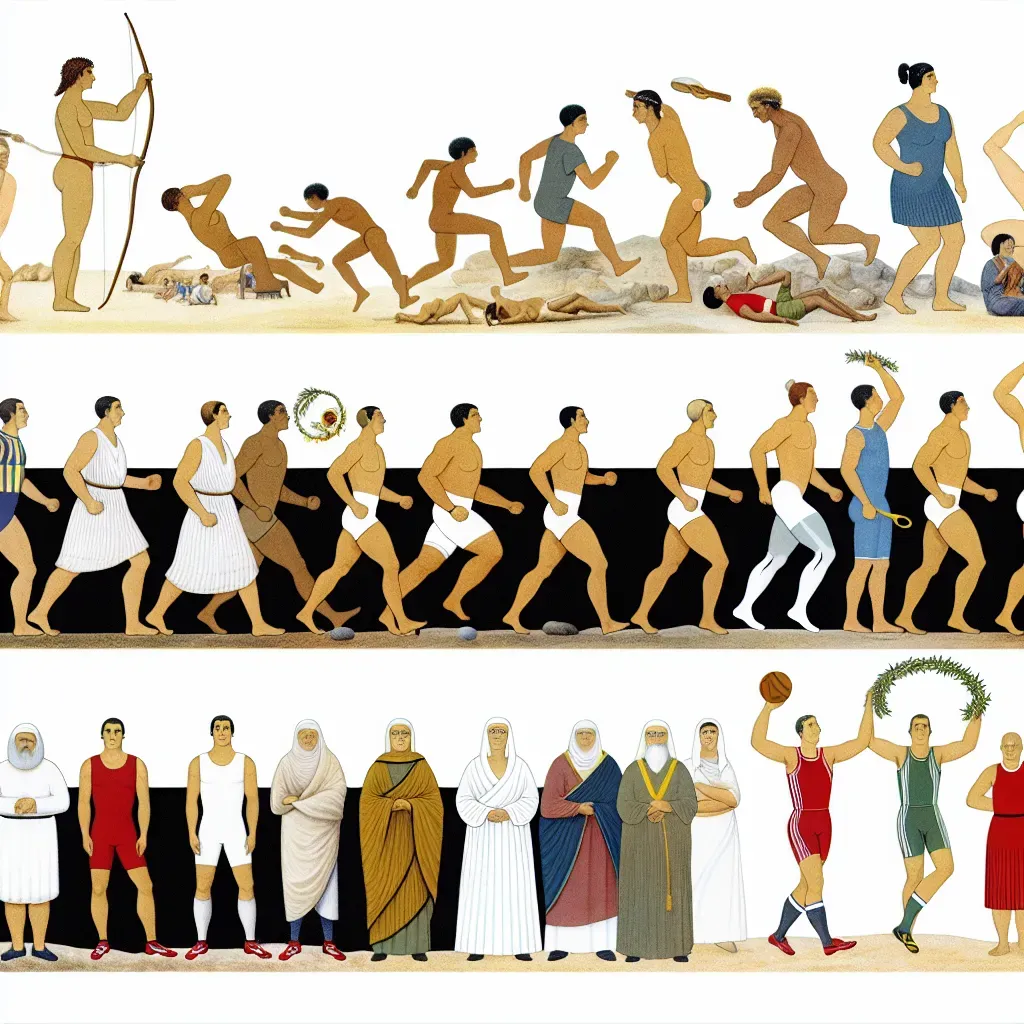
The Evolution of Sport is a fascinating journey that charts the transformation of athletic competition from its primitive roots to modern-day spectacles. Beginning with ancient games played by early civilizations seeking to improve their physical prowess and community ties, the history of sports reveals how deeply embedded these activities are in our culture. The establishment of the Olympic Games marked a significant turning point, inspiring a tradition of international sports competitions that celebrate both athletic skill and cultural exchange. With the emergence of modern sports, globalization of sports has expanded our perspective, enabling diverse games to reach a broader audience. Furthermore, the impact of technological advancement in sports has redefined how we engage with competition, making it an ever-evolving field that continues to captivate fans worldwide.
The progression of physical competitions, often referred to as the development of athletics, showcases a timeline that extends from historical pastimes to contemporary sporting events. These early athletic endeavors were often steeped in local customs, yet as civilizations grew and interacted, they laid the groundwork for what we now recognize as international sports culture. Traditional competitions, like the famed Olympic Games, not only highlighted the athletic prowess of participants but also cultivated a sense of unity among diverse nations. As society embraced modernization, the rise of modern athletics shifted focus on structured leagues and international tournaments, reflecting the globalization of sports. Coupled with technological innovations, this evolution has forever changed the landscape of how we experience and celebrate competition.
The Ancient Beginnings of Sport
The origins of sport date back to ancient civilizations, with games and athletic activities recorded as early as 3000 BC in regions like Egypt and Mesopotamia. These early forms of sport served not only as entertainment but also as crucial preparation for various aspects of life, including warfare. Activities were community-oriented, reinforcing social bonds while instilling skills necessary for survival.
The most significant milestone in ancient sports is the birth of the Olympic Games in 776 BC in Olympia, Greece. Initially a religious observance, the Olympics evolved into a platform for showcasing athletic prowess among city-states, highlighting a blend of physical competition and cultural reverence. This period laid the groundwork for the structured and regulated forms of competition that would come to define future sports.
Cultural Influences on Sports Development
Throughout history, sports have been intrinsically linked to cultural and religious beliefs. Ancient Mesoamerican societies, including the Maya and Aztecs, crafted intricate rituals around their ballgames, merging sport with spirituality. Similarly, in ancient China, martial arts emerged not merely as physical activity but as a means of cultivating virtues and understanding societal values, showcasing how deeply rooted these practices were into the cultural fabric.
As cultures began to intermingle through trade and conquest, sports evolved in form and significance. For instance, the Romans adopted and transformed Greek athletic practices, melding competition with entertainment through gladiatorial games. Such adaptations reflect the dynamic relationship between cultural exchange and the evolution of sporting norms, illustrating how sports often mirror societal changes.
The Transformation During the Medieval Era
With the fall of the Roman Empire, there was a notable shift in sporting practices during the Medieval Ages. Many classic sports faded into obscurity, replaced by localized games that highlighted physical prowess and skill. Jousting and archery found a prominent place, especially among the nobility, serving as both competition and a display of status, thus intertwining sport with social hierarchy.
The Renaissance sparked a renewed interest in classical antiquity, reviving traditional sports that emphasized discipline and honor. Public schools in England, developed during this period, were instrumental in formalizing organized sports like rugby and cricket, establishing rules and promoting the sport as part of educational curricula. This era laid the groundwork for modern sporting culture, emphasizing teamwork and the ethics of competition.
Standardization of Sports During the Industrial Revolution
The Industrial Revolution marked a significant turning point in the history of sports, introducing formal organization and standardization. With the urban populace gaining leisure time, sports clubs began to flourish, creating a need for uniform rules and equipment. This standardization not only allowed sports to thrive locally but also enabled their expansion globally.
The formation of the Football Association in 1863 exemplified this shift. By delineating clear differences between football (soccer) and rugby, it set the stage for organized competition and professional leagues. The introduction of standardized equipment and regulations facilitated international competitions, supporting the growth of a global sports culture that continues to thrive today.
The Explosion of Modern Sports in the 20th Century
The 20th century heralded a new era marked by the professionalization and globalization of sports. Leagues began forming worldwide, and international competitions, like the Olympic Games, gained unprecedented popularity, attracting millions of viewers and participants. This shift transformed athletes into global icons, elevating sports to a spectacle enjoyed across diverse demographics.
Television emerged as a powerful medium during this period, changing the nature of sports consumption. Major events became accessible to audiences worldwide, resulting in an explosion of fandom and sponsorships. The commercialization of sports created a multi-billion dollar industry, highlighting the transition from local pastimes to global sporting extravaganzas.
The Role of Technology in Shaping Modern Sports
As technology progressed into the 21st century, its impact on sports became increasingly prevalent. Innovations such as instant replay and player analytics revolutionized how games were officiated and how strategies were employed, enhancing the overall experience for athletes and spectators alike. This technological advancement fostered a more engaging environment for fans and allowed for continuous improvement in athletic performance.
Moreover, the rise of social media has fundamentally changed the relationship between athletes and fans. Athletes can now engage with their audience directly, promoting their brands and advocating for social causes. This shift represents a significant milestone in the evolution of not just how sports are played, but how they are perceived and consumed in contemporary society.
Globalization’s Impact on Sports Culture
Globalization has played a crucial role in modern sports, expanding the reach of traditional games and allowing for the incorporation of new styles from diverse cultures. Sports like basketball and soccer, which were once regionally practiced, have become international phenomena that showcase talents from around the globe. This globalized landscape encourages unity and cultural exchange through sport.
International tournaments, such as the World Cup and the Olympic Games, highlight the power of sports to bring nations together, transcending cultural boundaries and fostering international cooperation. Even during setbacks such as the COVID-19 pandemic, events like the postponed Tokyo Olympics demonstrated the resilience of the sporting spirit and the global commitment to unity through competition.
The Future Landscape of Sports
As we look to the future, the evolution of sports is poised to continue in exciting directions. The rise of eSports has begun to redefine what constitutes a sport, creating new audiences and competitors who challenge traditional notions of athleticism. This shift underscores the evolving nature of sport and its ability to adapt to cultural trends and technological advancements.
Additionally, an increasing emphasis on inclusivity and sustainability is shaping the future of sports. Organizations are focusing on diversity within competitions and adopting eco-friendly practices to diminish their environmental footprint. These changes reflect a broader societal trend of advocating for social and environmental responsibility, ensuring that the evolution of sports resonates with contemporary values.
Conclusion: Reflecting on the Evolution of Sport
The evolution of sport, from ancient games to modern competitions, encapsulates humanity’s enduring fascination with physical challenge and communal engagement. Across various eras, sports have not only adapted to societal changes but have also influenced culture, reinforcing values and aspirations throughout history. As we examine this trajectory, we gain insight into how far sports have come and the role they continue to play in uniting communities around the globe.
As we reflect on the historical journey of sports, it becomes clear that their evolution will persist, influenced by societal demands, technological innovations, and cultural shifts. The dynamic relationship between sports and society will undoubtedly pave the way for new forms of competition and engagement, ensuring that sports remain a beloved aspect of human culture for generations to come.
Frequently Asked Questions
What is The Evolution of Sport in historical context?
The evolution of sport encompasses its development through various eras, tracing back to ancient games in civilizations like Egypt and Greece, influencing the traditions of modern sports we witness today.
How did ancient games contribute to The Evolution of Sport?
Ancient games, such as the Olympic Games initiated in 776 BC, laid foundational principles for organized athletic competitions and the cultural significance of sports, shaping their evolution over centuries.
What role did the Olympic Games play in The Evolution of Sport?
The Olympic Games were crucial in The Evolution of Sport, establishing standards for competition and fostering a sense of unity and rivalry among city-states, ultimately leading to the global event we recognize today.
How have technological advancements influenced The Evolution of Sport?
Technological advancements have revolutionized The Evolution of Sport by enhancing training methods, improving athlete performance, and enriching viewer experiences through innovations like instant replay and analytics.
What impact did globalization have on The Evolution of Sport?
Globalization significantly influenced The Evolution of Sport, facilitating the spread of games like soccer and basketball worldwide, fostering international sports competitions and cultural exchanges.
What is the significance of sports culture in The Evolution of Sport?
Sports culture is vital in The Evolution of Sport as it reflects societal values, traditions, and communal engagement, shaping how sports are played and perceived across different communities.
How did the Industrial Revolution affect The Evolution of Sport?
The Industrial Revolution played a pivotal role in The Evolution of Sport by creating organized leagues, standardizing rules, and promoting leisure activities, transforming sports into a structured and competitive landscape.
What are some modern sports that have evolved from ancient traditions?
Many modern sports, such as rugby and soccer, have evolved from ancient traditions, reflecting historical practices and the formalization of rules established during the development of the modern sports era.
In what ways are international sports competitions significant to The Evolution of Sport?
International sports competitions are crucial to The Evolution of Sport as they promote global unity, showcase diverse athletic talent, and elevate sports to a significant cultural phenomenon worldwide.
What does the future hold for The Evolution of Sport amid changing trends?
The future of The Evolution of Sport appears dynamic, with emerging eSports gaining prominence, increasing inclusivity and sustainability efforts in sports, and ongoing technological integration enhancing the spectator experience.
| Time Period | Key Developments | Cultural Impact |
|---|---|---|
| Ancient Times (3000 BC – 776 BC) | Birth of sport with activities like running and combat sports, initiation of the Olympic Games. | Sports connected to religious practices; emphasis on teamwork and skill preparation. |
| Medieval and Renaissance (5th – 17th Century) | Rise of local games; popularity of jousting and archery, revival of classical sports studies. | Reflects the feudal system; sports become a mark of nobility and discipline through public schooling. |
| Industrial Revolution (18th – 19th Century) | Formation of organized sports clubs; standardization of football and creation of governing bodies. | Increased leisure time leads to structured competitions and community involvement. |
| Modern Era (20th Century – Present) | Emergence of professional leagues and international competitions, rise of media presence. | Global reach of sports, fostering international unity and cultural exchange. |
Summary
The Evolution of Sport illustrates the remarkable journey of athletic competitions from ancient times to the present day. Initially emerging in ancient civilizations over 5,000 years ago, sports have undergone significant transformations influenced by culture, technology, and societal norms. In Ancient Times, early sports served practical purposes for warrior preparation and community bonding, notably seen in the first Olympic Games around 776 BC. During the Medieval and Renaissance periods, local games flourished while classical sports saw a revival. The Industrial Revolution catalyzed the formation of organized sports and standardized rules, paving the way for modern competitions. The 20th century marked a paradigm shift with the commercialization of sports and the advent of mass media, while globalization has further unified diverse sporting practices today. Looking toward the future, sports are likely to evolve further driven by inclusivity, technological advancements, and sustainability efforts. This rich historical tapestry showcases humanity’s innate desire for competition, community, and connection.