
Listen to this article
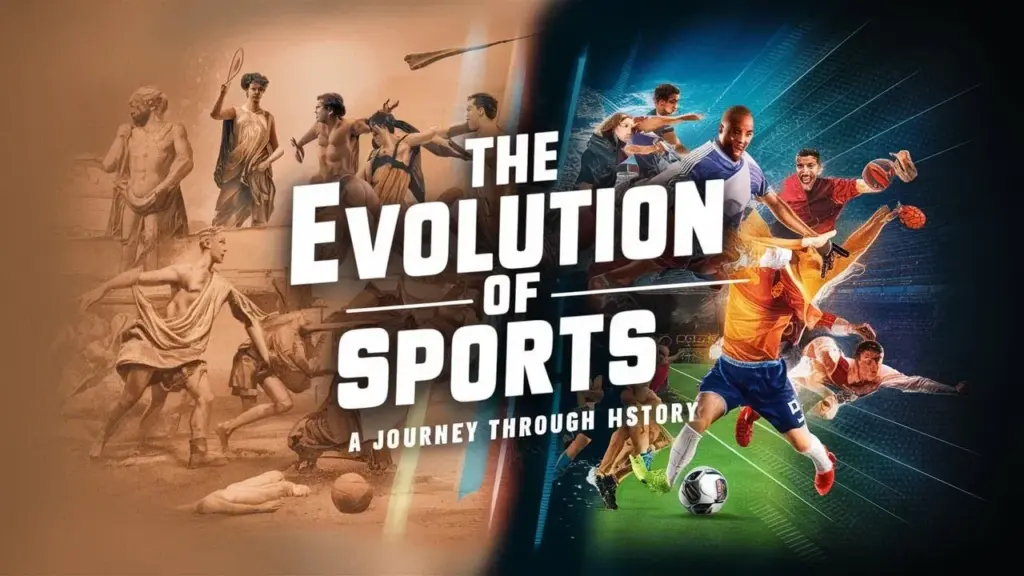
The evolution of sport throughout history reveals an incredible journey that mirrors humanity’s own development. Starting from rudimentary ancient games in civilizations like Egypt and Greece to the formalized structure of modern sports we see today, this transformation has been influenced by cultural shifts, technological advances, and the rising participation of women in sports. The Olympic Games, a cornerstone of competitive sports, have played a significant role in this evolution, showcasing global talent on an unprecedented scale. Additionally, the globalization of sports has made once local events a worldwide phenomenon, expanding the influence and reach of athletic pursuits. As we delve deeper into this fascinating topic, we will uncover how each epoch in the history of sports has contributed to the vibrant, dynamic nature of competition as we know it.
The journey of athletic competition, often referred to as the progression of sporting activities, charts the path from primitive contests of strength to highly structured leagues enjoyed by millions. This remarkable transition encompasses ancient traditions found in early civilizations and has flourished into contemporary athleticism characterized by global events like the Olympic Games. Women’s participation in sports has gained momentum over time, reinforcing the importance of inclusivity within the athletic realm. Furthermore, with the impact of technology and media, sports have transcended geographical boundaries, becoming a shared cultural experience across nations. Understanding this evolution not only highlights our past but also sets the stage for the anticipated developments and innovations that lie ahead in the realm of sports.
The Historical Significance of Ancient Sports
Ancient sports not only served as recreational activities but also played a pivotal role in the social and religious lives of early civilizations. In societies such as Ancient Greece, athletic competitions like the Olympic Games were held in honor of the gods, signifying a deep connection between sport and spirituality. These events provided a platform for city-states to showcase their strength and prowess, establishing an early culture of competition that would ripple through history. Furthermore, the incorporation of sports in everyday life fostered community bonds, as citizens would gather to root for their athletes, cultivating a sense of identity and pride.
In addition to their spiritual significance, ancient sports often served practical purposes. For example, events like wrestling and running were not just games; they were critical for physical conditioning and preparation for warfare. Cultures that encouraged physical prowess effectively ensured their defense against potential invaders. The diverse practices in ancient athletics, from the Greek Pentathlon to the Roman gladiatorial contests, illustrate how deeply embedded sports were in the societal fabric, influencing everything from social hierarchies to gender roles.
Modern Sports: A Reflection of Societal Changes
The evolution of sports into their modern forms reflects a myriad of societal transformations throughout history. The 19th century marked a significant shift as industrialization and urbanization created a fertile ground for the establishment of organized sports. Clubs and teams began to form, oftentimes with specific motivations to foster community spirit or to provide escape from the demanding work environments of the time. The establishment of standardized rules and structured leagues—such as the Football Association in England—showed how sports evolved to accommodate increasing participant numbers and spectator enthusiasm.
Moreover, as societal values shifted towards greater inclusivity and competition, women began to carve out their space in the sports domain. The late 1800s and early 1900s witnessed pivotal changes with women gaining the right to compete in events like the Olympics, significantly affecting the perception and role of women in both sports and society. This ongoing evolution emphasizes that sports are more than mere games; they are a microcosm of society where cultural, social, and political changes resonate.
The Role of Women in Sports Through History
The rise of women in sports marks a significant chapter in the evolution of athletic participation. Historically, women faced substantial barriers to entry into competitive sports, often relegated to sidelines due to societal norms and constraints. However, the late 19th century began to shift this narrative with movements advocating for women’s rights and greater inclusion in sporting events. Sports such as tennis and golf gained traction among women, challenging traditional perceptions and evolving public attitudes towards female athletics.
Recent decades have seen a monumental change in how women are perceived in sports. The establishment of leagues such as the WNBA and professional soccer networks has empowered female athletes, providing them with platforms for visibility and professional careers. This movement is not just about participation; it is a broader social change advocating for gender equality, recognizing the capabilities and achievements of women in sports. As the world evolves, so too does the promise of breaking down barriers within the athletic realm, inspiring future generations of female athletes.
The Technological Advancements Shaping Modern Sports
The intersection of technology and sports has transformed how athletes train, perform, and interact with fans. With advancements like wearable fitness trackers and performance analytics, athletes are now equipped to monitor their training regimes and optimize their physical performances like never before. Analytical data has become a cornerstone of coaching strategies, leading to enhanced performance and injury prevention. Modern sports science leverages technology to create tailored training programs that address athletes’ specific needs, ensuring they can deliver their best.
Moreover, technological innovations extend beyond the field or court. The rise of broadcasting technologies, particularly through the internet and social media, has revolutionized how fans experience sports. Live streaming allows viewers from around the world to engage with events in real-time, erasing previously established geographical boundaries. This digital transformation fosters global fandom, turning local events into international spectacles while enabling fans to connect with fellow enthusiasts in unprecedented ways.
Globalization of Sports: A Unifying Factor
The globalization of sports is a testament to how athletics can transcend cultural and national boundaries. With events like the FIFA World Cup and the Olympic Games, athletes from diverse backgrounds come together, competing under the banner of sport while promoting unity and camaraderie among nations. This blending of cultures not only enhances the competitive spirit but also showcases the values of sportsmanship and cooperation, demonstrating how athletics can help bridge divides in an increasingly fragmented world.
Furthermore, the globalization of leagues, such as the NBA and European football leagues, serves as a vehicle for cultural exchange. Fans from various countries engage with these sports, leading to a greater appreciation for different styles of play, traditions, and athletes. As sports evolve further on the global stage, they will continue to reflect and adapt to the multicultural dynamics of our world, emphasizing not just competition, but also collaboration and shared joy.
The Evolution of Sport: A View into History
The evolution of sport encapsulates a fascinating journey through human history, illustrating the metamorphosis of athletic competition from primitive rituals to organized, multifaceted events. Starting from the unstructured physical challenges of ancient civilizations, sports have grown into elaborate spectacles that draw millions. The history of sports not only reflects changes in societal norms but also mirrors advancements in various fields, from technology to gender equity.
Understanding this evolution allows individuals to appreciate the intricate ties between sport and culture. Through viewing athletes as a representation of communal values and societal progress, modern spectators can forge connections with history, recognizing that the games we enjoy today are deeply rooted in centuries of tradition, change, and resilience.
The Future of Sports: Trends to Watch
As we look towards the future of sports, several emerging trends are likely to shape the landscape in significant ways. The rise of e-sports is one of the most noteworthy developments, attracting massive audiences and changing traditional views of athletics. This digital form of competition is not only redefining what it means to be an athlete but also opening new avenues for fan engagement. Organizations and teams are beginning to adapt to this trend, indicating that the future of sports may lie not just in physical competition, but also in virtual arenas.
Additionally, sustainability will likely become increasingly important in the world of sports. As global awareness around climate change intensifies, sports organizations are under pressure to reduce their environmental footprint. This has led to innovative practices such as eco-friendly venues, sustainable event management, and green initiatives within leagues. Hence, sports not only serve as entertainment but also as platforms for promoting environmental stewardship and social responsibility.
The Interplay between Sports and Global Culture
Sports possess a unique ability to reflect and influence global culture, serving as a medium for expression across nations and communities. As sporting events showcase diverse talents and cultures, they foster global dialogues about identity, race, and cooperation. Major events like the Olympics often emerge as cultural phenomena that resonate with deeper societal issues, allowing the global audience to engage with a shared experience that transcends borders.
Moreover, as globalization continues to weave its way into the sports fabric, cultural exchange becomes inevitable. Athletes increasingly represent their national cultures on global stages, bringing forth traditions, values, and unique perspectives that enrich the athletic experience. The interplay between sports and global culture emphasizes the importance of representation, allowing individuals to connect with one another while appreciating the diversity that makes sports a truly universal phenomenon.
The Social Impact of Sports
The social impact of sports extends far beyond competition and entertainment; it has the potential to drive significant social change. Historical moments in sports have often mirrored societal struggles, with athletes using their platforms to advocate for equality and justice. For instance, figures like Muhammad Ali and Billie Jean King have utilized their influence to challenge norms and inspire movements for civil rights and gender equality. These examples illustrate how sports can serve as a catalyst for societal progression.
Moreover, sports foster community cohesion, providing opportunities for collaboration, teamwork, and collective identity. Local sports programs can impact youth by encouraging participation, teaching valuable life skills, and promoting healthy lifestyles. As such, investing in sports can yield profound benefits for communities, demonstrating that the game extends beyond the field and can inspire positive change in society as a whole.
Frequently Asked Questions
How has the evolution of sport been influenced by ancient games?
The evolution of sport is deeply rooted in ancient games, such as those practiced in Egypt and Greece. Ancient sports laid the foundational structure for modern competitions, with events like the Olympic Games introducing organized athletic contests that emphasized skill, honor, and community.
What role did the Olympic Games play in the evolution of sport?
The Olympic Games played a pivotal role in the evolution of sport, as they served as a unifying event that celebrated athleticism and cultural pride. Beginning in 776 BC, these games have evolved to include a diverse range of sports, showcasing global talent and fostering international camaraderie.
How have modern sports evolved from historical sporting practices?
Modern sports evolved from historical practices by formalizing rules, establishing organized competitions, and encouraging inclusivity. For instance, the codification of soccer in the 19th century marked a significant transition from informal play to structured leagues and international tournaments.
What impact has the rise of women in sports had on the evolution of sport?
The rise of women in sports has significantly impacted the evolution of sport by challenging gender norms and promoting equality. Key milestones, such as women’s participation in the Olympics from 1900 onwards, have not only expanded opportunities for female athletes but also reshaped societal perceptions of women’s roles in sport.
How does technology influence the evolution of sport?
Technology influences the evolution of sport by enhancing performance analysis, fan engagement, and media coverage. Innovations such as slow-motion replays, advanced analytics, and streaming services have transformed how sports are played, viewed, and marketed, making them more accessible and interactive.
What is the significance of globalization in the evolution of sport?
Globalization has played a crucial role in the evolution of sport by allowing athletes from diverse backgrounds to participate in international competitions. Events like the FIFA World Cup and the Olympics foster worldwide recognition and cultural exchange, creating a global sporting community.
How have historical events shaped the future of sports?
Historical events have shaped the future of sports by setting precedents for inclusivity and innovation. The establishment of professional leagues, changes in broadcasting rights, and the integration of technology continue to influence how sports are consumed and experienced by audiences around the globe.
What trends are currently shaping the evolution of sport?
Current trends shaping the evolution of sport include the rise of esports, greater focus on sports science, and sustainability initiatives. These trends highlight the shifting interests of fans and athletes, emphasizing performance optimization, community engagement, and environmental responsibility.
In what ways have ancient games influenced the rules and structures of modern sports?
Ancient games influenced the rules and structures of modern sports by introducing concepts of competition, governance, and event organization. For example, the rules established during the ancient Olympic Games paved the way for standardized regulations that govern today’s sports globally.
What future changes can we anticipate in the evolution of sports?
Future changes in the evolution of sports may include increased integration of virtual and augmented reality, advancements in analytics and training methods, and continued efforts toward greater inclusivity and environmental sustainability. These developments promise to enhance the overall experience of both athletes and fans.
| Period | Key Events | Cultural Impact |
|---|---|---|
| Ancient Beginnings | 776 BC – First Olympic Games held | Celebrated physical prowess and gods. |
| Rise of Competitive Sports | Popularization of gladiatorial games and tournaments | Served as entertainment and preparation for war. |
| Birth of Modern Sports (19th Century) | Formation of sports clubs and codification of rules (e.g., Football Association 1863) | Standardization allowed organized competitions to flourish. |
| Women in Sports | Women compete in Olympics for the first time (1900) | Marks significant progress toward gender equality in sports. |
| Impact of Media and Technology | Growth of radio, TV, and internet coverage | Revolutionized fan engagement and commercialization of sports. |
| Globalization of Sports | International competitions (FIFA World Cup, Olympic Games) | Facilitated global talent showcase and cross-cultural engagement. |
| New Trends and Future of Sports | Emergence of esports and AI-driven analytics | Pushing towards sustainability and technological innovation. |
Summary
The evolution of sport has transformed from ancient games to modern competitions, showcasing humanity’s intrinsic desire for competition and community. As societies evolved, so too did the nature and structure of sports, reflecting societal values and technological advancements. From the ancient Olympians honoring gods to the global fanfare of today’s events, each milestone in the history of sports illustrates the intricate relationship between culture and athleticism. As we look toward the future, it is vital to embrace these changes, ensuring that sports remain inclusive and resonate with the excitement that brings people together across the globe.

