
Listen to this article
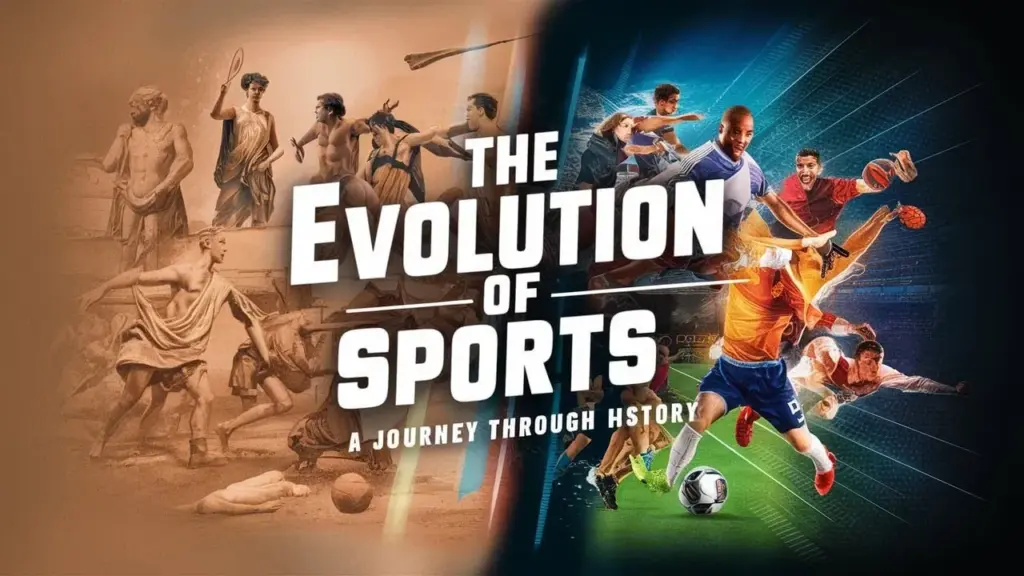
The Evolution of Sport has been a remarkable journey that reflects humanity’s deep-seated passion for competition and community. From the rudimentary contests of ancient civilizations to the grand spectacle of the modern Olympic Games, the history of sports showcases how these activities have shaped cultural identities across the globe. Ancient sports, like wrestling and running, laid the groundwork for today’s structured sports competitions that captivate millions every year. As societies advanced, the globalization of sports transformed local games into international phenomena, uniting fans from diverse backgrounds. This exploration of sports highlights not only the evolution of rules and formats but also the significant social changes that have accompanied the rise of modern sports.
The development of athletics and competitive games has a rich narrative that transcends mere entertainment to embrace cultural and historical significance. Known as the progress of physical games, this evolution includes various milestones from early forms of structured contests to the elaborate modern sporting events we witness today. Reflecting on historical games and their impact reveals a profound transformation influenced by both societal changes and the increasing globalization of athletic competition. From ancient rituals to the contemporary Olympic Games, this progression illustrates how organized sports have become a vital aspect of global culture, fostering community, identity, and international camaraderie.
The Foundations of Ancient Sports and Their Cultural Impact
The ancient world was rich with sporting activities that served multifaceted purposes beyond mere entertainment. The history of sports reveals how early civilizations used games as a form of military training, ritualistic practice, and community bonding. In ancient Mesopotamia, for instance, evidence of ball games exists alongside depictions of wrestling and archery in their art and artifacts. Such activities were integral to societal norms, creating a shared experience that strengthened community ties. Moreover, these ancient sports laid the groundwork for future competitions, marking the beginnings of what would become an essential aspect of human culture.
In Greece, the significance of sports transcended local festivities and entered the realm of governance and philosophy. The establishment of the Olympic Games in 776 BC was a remarkable evolution, clearly reflecting the Greeks’ belief in the harmony of body and spirit. Events like the discus throw and the pentathlon showcased not only physical prowess but also the value placed on competition as a means to achieve personal excellence and honor. This historical context constitutes an essential chapter in the evolution of sport, illustrating how ancient sports were pivotal in shaping societal values and collective identity.
The Transformation of Sports in the Roman Empire
As the Roman Empire expanded, it imposed a unique structure on sports and competitions that set a standard for centuries to come. Gladiatorial games, held in grand arenas such as the Colosseum, attracted massive crowds and transformed sporting events into major social gatherings. These contests were more than just displays of physical strength; they communicated themes of power, social hierarchy, and entertainment. The remarkable popularity of these games illustrates the deep-rooted connection between sport and society in Rome, akin to modern-day sporting events that attract global attention.
While the Romans were captivated by blood sports, they also fostered a range of athletic competitions that appealed to diverse audiences. Chariot racing, for example, became a sensational spectacle celebrated throughout the empire. The competitive spirit instilled during this time period forced the organization of events and the establishment of rules governing these sports—much like modern sports competitions. The impact of the Roman era can still be traced through contemporary sports culture, where the echoes of ancient games whisper in the foundations of modern leagues and professional athletes.
The Evolution of Sport from the Middle Ages to the 19th Century
The Middle Ages witnessed a fluctuation in organized sports, as historical upheavals shifted societal focuses away from systematic competitions. During this time, a wide variety of local games like fútbol began to emerge, showcasing regional variations that occasionally overlapped with European traditions. However, it wasn’t until the Renaissance and the subsequent industrial revolution that sports began evolving into more structured forms. Jousting tournaments and archery contests remained popular, preserving martial skills while serving as entertainment for nobility.
By the late 19th century, a significant transformation began; the establishment of written rules and the formation of associations drastically changed the landscape of sport. The creation of the Football Association in England in 1863 marked a pivotal moment in formalizing sports regulations, leading to the standardized gameplay we recognize today. This evolutionary step laid the foundation for other games—including cricket and rugby—encouraging competition and the formation of leagues, which propelled sports into a global phenomena.
The Birth of Modern Sports: Reviving the Olympic Games
The late 19th century’s revival of the Olympic Games heralded a new era in global sports competition. Spearheaded by Pierre de Coubertin in 1896, the rebirth of the Olympics was more than just a nod to ancient traditions; it represented a commitment to international camaraderie through athletic excellence. This reimagining of sporting idealism emphasized unity between nations while cultivating individual achievement, reinforcing the cultural importance of sport across boundaries. The Olympics quickly morphed into the ultimate global competition, featuring a multitude of diverse sports that attract millions.
As the Olympic model evolved, it inspired the formation of other international competitions, broadening the appeal of sports worldwide. The influx of countries participating in these games not only showcased incredible athleticism but also contributed significantly to the history of sports as countries showcased their talents on a global stage. The modern Olympics encapsulate the triumph of the human spirit, representing an unyielding drive toward excellence and promoting a shared global identity through sports.
The Globalization of Sports in the 20th Century
The 20th century marked a profound shift in how sports were consumed and perceived globally, driven by advancements in communication and transportation. The introduction of television exponentially broadened the audience for major sporting events, allowing enthusiasts everywhere to engage with competitions like the FIFA World Cup and the Olympics from the comfort of their homes. This accessibility helped carve out sports as a central cultural fixture, bringing people together in celebration of passions that transcend geographical boundaries.
Additionally, the globalization of sports spurred the rise of professional leagues, transforming athletes into global icons. The commercialization of sports exploded, as endorsement deals became common, allowing athletes to leverage their fame for monetary gain. Figures like Michael Jordan and Cristiano Ronaldo became representatives not just of their respective sports, but of international culture at large. This interconnectedness of sport reflects the global landscape as we know it today, where sporting events unite fans, embrace diversity, and foster shared experiences worldwide.
The Role of Technology in Modern Sports
In contemporary sports, technology plays a vital role, reshaping how games are played, analyzed, and enjoyed. Innovations like instant replay and data analytics have transformed traditional approaches to sports competitions, offering teams and spectators new ways to understand and engage with the game. Moreover, wearable technology has enhanced athlete training, allowing for meticulous performance tracking and health monitoring, which ultimately promotes longevity and efficiency in sports.
These advancements extend beyond performance; they have transformed spectator experiences as well. Streaming services now enable fans to watch live events from anywhere in the world, enhancing global interactions around sports. Additionally, augmented reality and virtual reality technologies are beginning to emerge in fan engagement, inviting audiences to immerse themselves more deeply in sporting events. The blend of technology and sport illustrates the dynamic evolution of sports, paving the way for future innovations that will continue to impact how we experience competition.
Inclusivity and Diversity in Modern Sports
The emphasis on inclusivity within sports has dramatically evolved, with organizations making significant efforts to promote representation across gender, races, and abilities. The rise of women’s sports, epitomized by events like the Women’s World Cup, showcases progress toward equitable participation and recognition. This shift highlights growing awareness around the importance of diversity, allowing for a broader appreciation of athletic talent and contributing to a more inclusive sports culture.
Moreover, initiatives aimed at diversifying sports backgrounds cater to underrepresented communities. Programs promoting youth sports in disadvantaged regions foster opportunities for participation, ensuring that all aspiring athletes have access and chance to excel. Contemporary sports organizations are increasingly taking a stand on social issues, utilizing their platforms to drive conversations on equality and justice. This ongoing focus on inclusivity reinforces sports’ ability to unite diverse audiences and inspire future generations, transforming how we view competition.
Challenges Facing the Future of Sports
While the future of sports holds promise, it is accompanied by a host of challenges that require attention. Concerns regarding sustainability shaped by climate change pose threats to the viability of mega-events, urging organizers to rethink their impact on local environments. The economic implications of hosting such events also obligate host cities to carefully consider the long-term benefits versus the potential for financial strain.
Additionally, the effects of the recent COVID-19 pandemic have necessitated substantial changes in how competitions are held, underscoring the significance of safety protocols in sporting events. As sports organizations grapple with player welfare alongside fan engagement, innovation in logistics and spectator experiences will remain crucial. The evolution of sport will not only depend on enhancing competition but also on addressing these multifaceted challenges, ensuring that the core values of unity and enjoyment prevail.
The Legacy of Sport in Human Culture
As we reflect on the evolution of sport, it becomes clear that its legacy is deeply intertwined with human culture. Sport has transcended physical activity, becoming a medium through which societal values, national pride, and cultural identity are expressed. From ancient games that fostered community cohesion to modern competitions that captivate global audiences, the journey of sport illustrates mankind’s evolving interactions and collective experiences.
The essence of sport lies in its ability to bring people together across various divides, inspiring camaraderie and fostering healthy competition. As celebrations of human achievement, sporting events have the power to unify diverse populations, creating shared narratives and lasting memories. Moving forward, honoring the traditions while innovating for the future will ensure that the true spirit of sport continues to resonate within society, paving the way for future generations to engage in the beauty of athletic competition.
Frequently Asked Questions
What defines the evolution of sport throughout history?
The evolution of sport is marked by its progression from ancient games, such as wrestling and ball games in civilizations like the Sumerians and Egyptians, to organized competitions like the Olympic Games, showcasing how sports have been integral to cultural identity and social gatherings.
How have ancient sports influenced modern competitions?
Ancient sports laid the foundation for modern competitions by introducing structured formats and rules. For instance, the Olympic Games, originating in ancient Greece, emphasize a competitive spirit and international camaraderie that is still central to today’s sports events.
What role did the Olympic Games play in the evolution of sport?
The Olympic Games played a crucial role in the evolution of sport by reviving international competition and cultural exchange. Their modern revival in 1896 highlighted the significance of sports in promoting global unity and friendship among nations.
How did the rise of organized sport change the nature of competitions?
The rise of organized sport ushered in standardized rules, governing bodies, and formal competitions. This evolution transformed casual play into professional leagues, creating structured sporting events that greatly increased spectator engagement.
What impact did globalization have on the evolution of sport?
Globalization revolutionized the evolution of sport by expanding its reach through media and international competitions, turning events like the FIFA World Cup into global phenomena that connect fans worldwide, regardless of geographical boundaries.
How have technological innovations shaped the evolution of sport?
Technological innovations, such as VAR in soccer and performance tracking devices, have significantly shaped the evolution of sport by enhancing the spectator experience, improving athlete performance, and introducing new ways to engage fans.
In what ways has sport evolved to promote inclusivity and diversity?
Sports have evolved to embrace inclusivity and diversity by increasing representation across genders, races, and abilities, as seen in the rise of women’s sports and initiatives that aim to level the playing field for underrepresented athletes.
What influenced the commercialization of sports during its evolution?
The commercialization of sports has been influenced by media and advertising, transforming athletes into global icons and creating lucrative endorsement deals that reflect the popularity and cultural significance of sports in modern society.
How did the societal context affect the evolution of sport during the Middle Ages?
During the Middle Ages, societal upheavals and conflicts led to a fragmentation of organized sports; however, this period also saw the rise of tournaments that preserved combat skills, indicating sport’s adaptability to social circumstances.
What are some future challenges facing the evolution of sport?
Future challenges in the evolution of sport include addressing sustainability issues, adapting to health considerations post-COVID-19, and finding ways to maintain player safety while ensuring the continuity of engaging competitions.
| Key Point | Description |
|---|---|
| Ancient Civilizations | Early sports like wrestling, boxing, and ball games from **3000 BC** with Sumerians and Egyptians. |
| Olympics Origins | The **Olympic Games** began in **776 BC** in Greece, emphasizing physical fitness and social importance. |
| Roman Influence | The Roman Empire popularized spectator sports, creating community events in venues like the Colosseum. |
| Middle Ages Fragmentation | New games emerged during the Middle Ages, including various forms of soccer, jousting, and archery. |
| Modern Sport Emergence | The late 19th century led to standardization, notably the founding of the **Football Association (FA)** in **1863**. |
| Revival of Olympics | Reestablished in **1896** by **Pierre de Coubertin**, the Olympics became a symbol of international sport. |
| Professional Leagues | Formation of leagues such as **MLB** (1903) and **NFL** (1920) transformed sports fandom. |
| Globalization of Sport | **FIFA World Cup** (est. 1930) became one of the most-watched sporting events, uniting soccer fans. |
| Technological Innovations | The integration of tech (e.g., VAR, wearable devices) is shaping sports performance and viewing. |
| Inclusivity in Sports | Recent focus on diversity is seen in the rise of women’s sports and inclusive representation. |
| Future Challenges | Upcoming issues include sustainability, impacts of COVID-19, and ensuring player safety. |
Summary
The Evolution of Sport illustrates a rich tapestry of human culture and societal change. From ancient games that provided entertainment and military training to the structured and commercialized sports we see today, sport has continuously adapted to reflect societal dynamics. Ancient practices such as the Greek Olympics and Roman games laid the foundation for organized competitions. As time progressed, especially post-Industrial Revolution, the establishment of formal leagues and global events like the Olympics transformed sports into a major facet of entertainment, characterized by widespread fandom and economic impact. Today’s sports landscape is also marked by technological advancements and a strong push towards inclusivity, showcasing a broader representation across genders and cultures. As we look to the future, the essence of sport remains unchanged: it unites people, fosters healthy competition, and celebrates human achievement, promising exciting developments to come.

