
Listen to this article
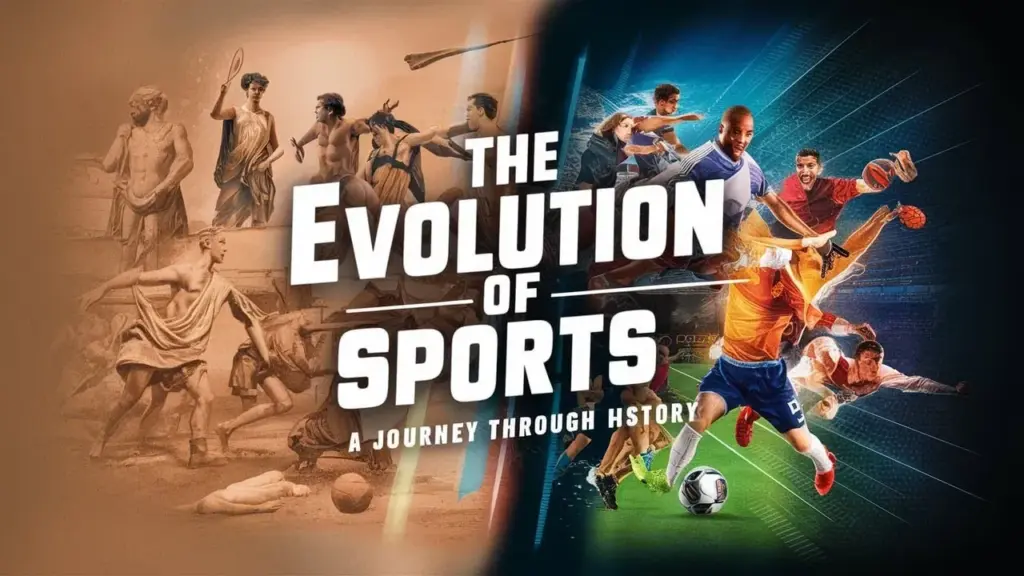
The evolution of sport has been a fascinating journey that spans thousands of years, transforming from simple ancient competitions to the highly sophisticated modern athletics we witness today. Initially, these early contests served as both entertainment and religious tribute in societies like Ancient Greece, where the Olympic Games emerged around 776 BC. As time progressed, various cultures incorporated their unique sports, enriching the overall sports culture and leading to the organized competitions we enjoy now. Significant milestones, such as the revival of the Olympic Games, marked important moments in Olympic Games history and showcased the development of sports on a global scale. Ultimately, the evolution of sport reflects not just athletic prowess, but also the dynamic interplay of social values, community bonding, and collective human ambition.
The progression of athletic activities throughout history reveals a tapestry of competition that highlights human resilience and adaptability. From the spirited contests of ancient times to contemporary sporting events that capture global audiences, the development of sports encapsulates a rich narrative. Traditional games laid the groundwork for modern forms of athletic engagement, weaving their way through the fabric of society and shaping sports culture as we know it. Each era introduces new interpretations of competition, and as sports continue to evolve, they remain a vital reflection of our shared human experience and aspirations. This ongoing journey underscores the importance of sports as a unifying force in both local and international contexts.
The Ancient Competitions: A Reflection of Early Society
The roots of organized sports date back to ancient civilizations, notably the Greeks who initiated the Olympic Games around 776 BC. These early forms of competition were not just mere displays of physical strength; they integrated aspects of culture, spirituality, and community identity. Athletes competed to honor the gods, and victories were celebrated amongst their city-states, underscoring the collective pride and social cohesion that these events fostered. Not only did these competitions pioneer ideas of fairness and regulation in play, but they also set the foundation for what we consider sportsmanship today.
Other ancient societies, such as the Egyptians and Chinese, contributed to the sports landscape with their own traditional games. The Egyptians practiced wrestling and archery, while Chinese society engaged in Cuju, which is akin to modern soccer. These games served multifaceted purposes, including entertainment, training for warfare, and community engagement. As such, ancient competitions reflect a society’s values and the roles athleticism played in maintaining social order and physical fitness.
Roman Innovations: The Rise of Spectacle
The Roman Empire marked a pivotal shift in the nature of sports, introducing gladiatorial games that elevated the concept of entertainment to unprecedented levels. Unlike the Greek tradition, which focused on sports as a means of honoring deities and cultivating personal excellence, Roman sports were often brutal, involving life-and-death stakes. These spectacles often served political purposes, as emperors used them to distract and appease the populace, fundamentally altering the relationship between sport and governance.
Additionally, the architectural grandeur of Roman amphitheaters allowed for large-scale public events, drawing vast audiences. This proliferation of sports as entertainment laid the groundwork for a more commercialized and audience-centered model that would influence future generations. By transforming athletic competition into grand spectacles, Romans established enduring practices of fandom and the entertainment industry’s core principles.
The Middle Ages: Sport in the Shadows of Tradition
After the fall of the Roman Empire, organized sports saw a downturn in Europe, but this did not mark the end of athletic competition. The Middle Ages saw a flourishing of folk games and traditional sports that intertwined with daily life. Events like jousting and archery contests could be seen as both entertaining and practical, as they maintained skills vital for warfare. Despite the era’s challenges, these games preserved a cultural connection to the communal and martial spirit,
This period emphasized local customs and community engagement over individual achievement. Moreover, as with ancient traditions, these sports became crucial in building social cohesion among feudal groups, illustrating how the essence of competition transitioned through changing societal structures, particularly reflecting the waning of imperial authority.
The Renaissance: Reviving the Spirit of Athletics
The Renaissance heralded a cultural rebirth and brought a renewed fascination with human potential, which significantly impacted the development of sports. As classical knowledge and the arts flourished, so too did interest in physical culture. This period marked an important transition in the formalization of sports, leading to the emergence of the first modern sporting clubs. With an emphasis on health, education, and aesthetic achievement, sports began to be integrated into educational systems, promoting active lifestyles among the rising middle class.
In this context, athletic competition was no longer solely for religious or martial purposes but evolved into a means of personal development and societal contribution. The Renaissance laid the groundwork for the regulations and codification of sports that would characterize later centuries, showcasing a significant cultural shift that celebrated human creativity, competition, and community spirit.
The 19th Century: Codifying Modern Sports
The establishment of formal rules and regulations in the 19th century was a turning point in the evolution of various sports. Many of the games we recognize today, including football (soccer), cricket, and rugby, were standardized during this period. This shift made sports more accessible to the general public and laid the foundation for league systems and competitive events, enabling a culture of organized athleticism. The rules created a sense of fairness and competition that heightened the excitement of these sports.
Furthermore, the formation of the International Olympic Committee sparked a resurgence of the Olympic Games, beginning in 1896. This event symbolized the culmination of centuries of athletic evolution and reflected a newfound international spirit of solidarity among nations. The Olympic Games also highlighted the role of sports in fostering mutual respect and competitive equity among diverse cultures, solidifying sports as a vital pillar of global identity.
The Globalization of Sport in the 20th Century
The 20th century witnessed a significant globalization of sports, influenced largely by technological advancements and mass communication systems. Iconic athletes, such as Jesse Owens and Muhammad Ali, emerged not only as sports figures but also as global ambassadors for social change, transcending geographical boundaries. This era saw sports transform into a monumental aspect of national pride and cultural identity, with global competitions forging connections between diverse populations.
Television drastically changed how audiences engaged with sports, allowing fans to experience monumental events like the FIFA World Cup and the Olympics from their homes. Major sponsorships and advertising tied industries to sports, creating a multi-billion dollar global market. This evolution also gave rise to niche sports expanding viewership while fostering new communities of enthusiasts, further embedding sports into the very fabric of modern society.
Modern-Day Athletics: A Complex Industry
Today’s sports landscape is characterized by its complexity and the commercial nature of athletics. The sports industry encompasses vast networks including sponsorship deals, broadcasting rights, merchandise, and sports technology. Athletes are now seen not just as competitors, but as brands and influencers with significant market power. The focus has shifted to optimizing performance through technology, data analytics, and rigorous training regimes, ushering in heightened expectations for both athletes and teams.
Moreover, the impact of sports on social issues such as equality, mental health awareness, and social justice has amplified in recent years. Athletes have increasingly utilized their platforms to advocate for change and inspire action, reflecting a deepening understanding of the role of sports beyond entertainment. The resilience shown in the face of challenges such as the global pandemic emphasizes the capacity of sports to unite communities and promote healing.
Key Technological Advances in Sports
In the realm of athletics, technological advances have revolutionized training methodologies and player performance. From wearable tech that tracks physical metrics to advancements in injury prevention and rehabilitation, today’s athletes are equipped with tools that significantly enhance their abilities. These innovations have not only improved individual performance but have also transformed coaching practices, enabling strategy informed by data and analytics.
Furthermore, technology has redefined fan engagement, with platforms providing real-time statistics and immersive experiences. Augmented reality and virtual reality are increasingly utilized in sports entertainment, creating new ways for fans to connect with their favorite teams and athletes. As sports continue to evolve, technology remains a critical element that shapes both the performance and perception of athletic competition in modern society.
Looking Ahead: The Future of Sports and Society
As we reflect on the evolution of sports, it is essential to consider the future trajectory of athletics in an ever-changing global landscape. We may witness further integration of digital technology not just in gameplay but in fan interactions and experiences. Virtual platforms allowing for enhanced participation across diverse demographics could signify the next great evolution in sports culture, potentially democratizing access and engagement in previously exclusive settings.
Moreover, the ongoing conversation around ethics in sports, including topics of equality, fairness, and social responsibility, will likely play a pivotal role in shaping the future. As society grapples with these challenges, the role of sports as a platform for advocacy will undoubtedly grow. Ultimately, the evolution of sport will continue to mirror societal values, showcasing resilience, community spirit, and the celebration of human achievement for generations to come.
Frequently Asked Questions
How did the evolution of sport begin in ancient competitions?
The evolution of sport began around 776 BC with the ancient Olympic Games in Greece, showcasing athletic events like running, wrestling, and chariot racing. These competitions were not only physical contests but also religious ceremonies, highlighting the cultural significance of sport in ancient civilizations.
What role did the Olympic Games play in the evolution of sport?
The Olympic Games, revived in 1896, played a crucial role in the evolution of sport by promoting international competition and sportsmanship. This event has evolved into a global phenomenon that unites nations, illustrating the development of sports as a cultural and unifying force.
How did Roman innovations influence the evolution of sport?
Romans influenced the evolution of sport by introducing gladiatorial games, which emphasized spectacle and mass entertainment. These events, though brutal, laid the groundwork for the modern sports culture that values competition and public engagement.
What impact did the Middle Ages have on the evolution of sport?
The Middle Ages saw a decline in organized sports but witnessed the continuation of traditional folk games. The emergence of activities like jousting and archery as forms of entertainment contributed to the evolution of sport by emphasizing physicality and skill during this period.
In what ways did the 19th century contribute to the evolution of modern athletics?
The 19th century was pivotal for modern athletics as formal rules were established for sports like football, cricket, and rugby. This codification made sports more accessible and initiated the evolution of organized competitions and clubs.
How did the commercialization of sports emerge in the 20th century?
The commercialization of sports emerged in the 20th century as athletes became public figures, and media coverage grew. Major sporting events like the Super Bowl and the Olympics sparked sponsorships and advertising, significantly contributing to the evolution of sport as an entertainment industry.
What is the relationship between sports culture and the evolution of athletics?
Sports culture significantly impacts the evolution of athletics by shaping how communities perceive and engage with sports. As society evolves, so does the sports culture, influencing athletes’ roles, media coverage, and the commercialization of sports.
How did technology influence the evolution of sport in modern days?
In modern days, technology has transformed training, performance analytics, and injury prevention in sports. The evolution of sport now includes advancements that enhance athletes’ performance, making it a blend of physical ability and scientific insight.
What societal issues are reflected in the evolution of sport today?
Today, the evolution of sport reflects societal issues like equality, mental health awareness, and social justice. Athletes use their platforms to advocate for change, illustrating how sports serve as a vehicle for broader societal movements.
How might the future of athletics continue to evolve?
The future of athletics may continue to evolve through further technological integration, increased global participation, and ongoing societal changes. As sports adapt, they will likely embrace new forms of engagement, maintaining their role as a critical aspect of cultural identity.
| Key Era | Main Characteristics | Impact on Society |
|---|---|---|
| Ancient Beginnings | Olympic Games; Strength and endurance contests | Celebration of human ability and religious devotion. |
| Roman Innovations | Gladiatorial games; Spectacle and brutality | Focus on entertainment and political significance. |
| The Middle Ages | Folk games; Jousting and archery | Maintained cultural traditions and military training. |
| The Birth of Modern Sports | Formal rules established; Rise of clubs | Increased accessibility and standardization of sports. |
| 20th Century Globalization | Emergence of sports stars; Television popularity | Cultural landmarks; Commercialization and celebrity. |
| Modern-Day Athletics | Advanced technology; Focus on social issues | Sport as a platform for change and community healing. |
Summary
The evolution of sport has been a remarkable journey, transitioning from ancient competitions to the multifaceted industry we witness today. This evolution highlights not just advancements in athleticism but also the profound impact sports have had on culture, society, and community bonding. As we reflect on the rich history of sports, it becomes clear that their significance extends beyond mere entertainment; they foster social connections, inspire change, and motivate individuals to pursue excellence. Moving forward, the evolution of sport continues to shape our world, offering a glimpse into humanity’s spirit and aspirations.

