Listen to this article
The environmental impact of sports is a pressing concern that we can no longer ignore. As thrill-seekers flock to stadiums and events, the carbon footprint soars, raising critical questions about sustainable sports practices. From massive infrastructures and air travel to extensive waste generation, various factors contribute heavily to environmental strain. Fortunately, a wave of green sports initiatives is emerging, aiming to create a more eco-friendly landscape in athletics. By addressing the intersection of sports and the environment, we can pave the way for a cleaner, greener future for fans and athletes alike.
The ecological consequences associated with athletic events are significant, demanding our attention and action. As sports enthusiasts unite in the name of competition, the hidden costs of these gatherings often manifest in increased pollution and resource depletion. Emphasizing green sports solutions, it’s essential to explore how communities can foster sustainable practices within this vibrant culture. From eco-conscious venue construction to responsible waste management, the landscape of sports is evolving. Harnessing the potential of eco-friendly sports can lead us toward a brighter, more sustainable future, where enjoyment does not come at the expense of our planet.
The Urgent Need for Green Sports Initiatives
The shifting focus towards environmental sustainability has reached the world of sports. With climate change and environmental degradation on the rise, the sports industry must take the lead in implementing sustainable practices. Green sports initiatives are not merely a trend; they represent a crucial turning point where sports organizations recognize their role in combating ecological impacts. By adopting eco-friendly sports practices, teams and leagues can help reduce their carbon footprint and foster a culture of sustainability among fans and communities.
Moreover, as conversations around climate responsibility continue to escalate, fans increasingly expect their favorite teams and events to reflect these values. Embracing sustainable practices can enhance the brand image of sports organizations, turning them into champions of environmental responsibility. This evolution creates greater engagement with fans who are passionate about preserving the planet, ultimately leading to increased support for organizations that prioritize green practices.
Infrastructure and the Environment: Sustainable Stadiums
Construction and maintenance of sports facilities play a significant role in the environmental impact of sports. Traditional building materials, such as concrete and steel, are energy-intensive, contributing to large carbon footprints. By pivoting towards sustainable construction methods, such as using recycled materials or incorporating energy-efficient designs, stadium developers can significantly lessen these impacts. Furthermore, implementing renewable energy sources like solar panels not only powers these venues but also sets a benchmark for future sports infrastructures.
Stadiums designed with sustainability in mind can serve as educational platforms, demonstrating the benefits of eco-friendly practices to attendees. Features such as green roofs or natural ventilation systems not only minimize energy use but also create enjoyable environments for fans. Such initiatives effectively highlight the synergy between sports and environmental stewardship, encouraging a sense of pride among fans who support teams that prioritize greener building practices.
Transportation: Minimizing the Carbon Footprint in Sports
Transportation is one of the most significant components of the carbon footprint within sports. With thousands of fans traveling to events, the impact can be substantial. By exploring innovative transportation solutions, like promoting public transit options or organizing shuttle services, sports organizations can drastically decrease emissions associated with fan travel. Creative strategies, such as partnership programs that offer free local transit with ticket purchases, have been successfully implemented in several sports leagues.
Additionally, for athletes traveling to competitions, optimizing travel logistics through chartered buses rather than individual flights can help to lower emissions. This not only minimizes the environmental impact but can also reduce costs for teams, making such practices a win-win scenario for both the sports industry and the environment.
Waste Management in Sports: A Collective Responsibility
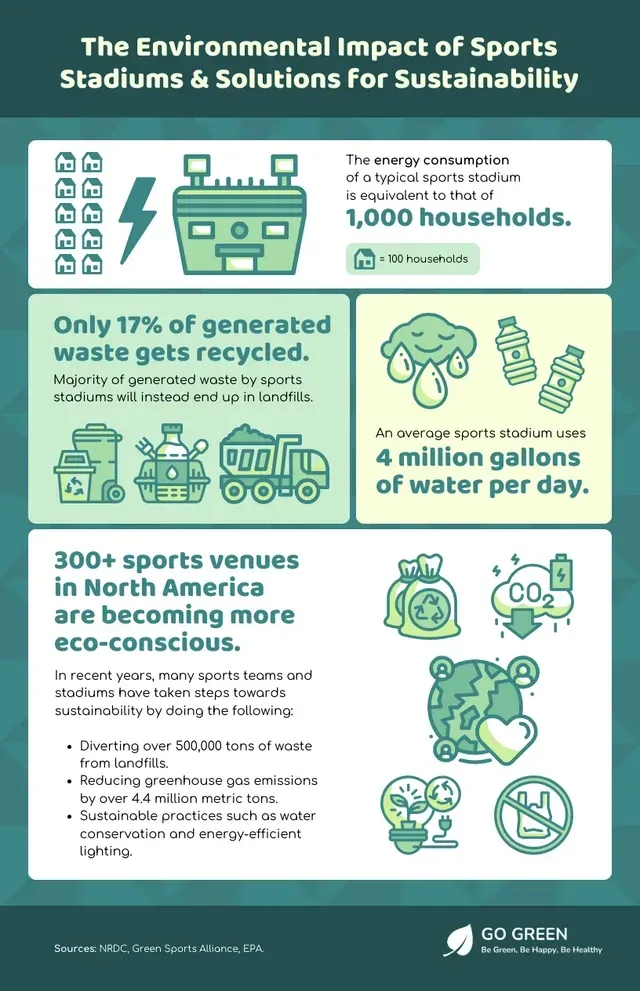
The enormity of waste generated by sports events is alarming, necessitating immediate action from organizations. Implementing effective waste management initiatives, like comprehensive recycling programs and composting, can significantly diminish the amount of refuse sent to landfills each year. Educating fans on proper waste disposal and providing attractive options for recycling at venues can create a culture centered on responsible consumption and sustainability.
Furthermore, engaging communities in green initiatives can amplify the effectiveness of waste management programs. By collaborating with local environmental organizations, sports events can foster educational outreach and community participation in sustainability efforts. This collaboration not only addresses waste production but also leaves a lasting impact by incorporating sustainability into the culture of fans and attendees.
Water Conservation Practices in Sports Facilities
Water scarcity is a growing concern, particularly in regions where sports facilities primarily rely on vast amounts of water for maintenance. To address this challenge, sports organizations must innovate and implement advanced water conservation practices. Utilizing drought-resistant landscaping techniques and installing advanced irrigation systems can significantly reduce water consumption while maintaining the aesthetics necessary for game day.
Additionally, sports facilities can invest in technologies that recycle water for irrigation, ensuring that natural resources are used efficiently. This not only helps in conserving water but also provides a blueprint for sustainable management in an industry often criticized for its high resource consumption. By adopting these practices, sports institutions can emerge as leaders in water sustainability, setting a precedent for responsible water usage in all sectors.
Case Studies in Sustainable Sports: Examples We’re Learning From
Real-world examples of sustainability in sports provide a roadmap for future initiatives. The 2021 Tokyo Olympics showcased an impressive commitment to green practices, featuring facilities built with recycled materials and a focus on energy efficiency. From eco-friendly medals to sustainable architecture, the Tokyo Olympics emphasized the importance of accountability as sports organizations pave the way towards a greener future.
Similarly, the Green Sports Alliance serves as a catalyst for positive change within the industry. By collaborating with teams, leagues, and venues, the organization promotes best practices in sustainability and provides guidelines for implementing eco-friendly initiatives. These case studies highlight that proactive measures are not only feasible but can also lead to long-term benefits for teams, their communities, and the environment.
The Role of Fans in Promoting Eco-Friendly Sports
Fans play a crucial role in shaping the environmental policies of sports organizations. Their enthusiasm for green initiatives can create a powerful demand for sustainable practices within the sports industry. When fans actively participate in discussions, support teams advocating for eco-friendly policies, or engage in local green events, they help push organizations towards stronger commitments to sustainability.
Social media has revolutionized how fans express their support for sustainability in sports. By sharing their thoughts, promoting green practices, and celebrating teams that demonstrate ecological responsibility, fans can create a movement that drives positive change. This grassroots support can significantly influence how leagues and organizations approach environmental sustainability, reinforcing that fans desire a game that respects the planet.
Collaborating for a Greener Future in Sports
Collaboration across the sports industry is essential in creating a sustainable future. Partnerships between teams, local governments, and environmental organizations can help synergize efforts in promoting eco-friendly practices. By working together, these entities can share resources, ideas, and best practices, delivering a more significant impact on sustainability initiatives.
Further, collaboration extends to adopting holistic approaches where teams not only focus on their operations but also engage with fans and communities to act together toward a greener future. Joint campaigns that educate, inspire, and mobilize communities can amplify the reach of sustainability practices, creating a collective responsibility to protect the environment while enjoying the spirit of sports.
Embracing Innovative Technologies for Sustainable Sports
Innovation is at the core of driving sustainability in sports. Embracing new technologies, such as smart meters for monitoring energy usage or apps that encourage carpooling to events, can help teams manage their operational footprint more efficiently. These technology-driven initiatives not only reduce energy consumption but also enhance the user experience for fans.
Moreover, as technology evolves, so do opportunities for sports organizations to invest in greener practices. Investing in sustainable solutions, such as energy-efficient lighting or digital ticket systems, can reduce waste and lower operational costs. This commitment to innovation reflects a dedication to sustainability that resonates with environmentally-conscious audiences and creates a culturally rich atmosphere within the sporting community.
Frequently Asked Questions
What is the environmental impact of sports events?
The environmental impact of sports events is significant, involving aspects like carbon emissions from transportation, waste generation from large gatherings, and resource consumption due to infrastructure development. Major events can contribute heavily to pollution and environmental degradation.
How do sustainable sports initiatives help the environment?
Sustainable sports initiatives aim to reduce the sports carbon footprint by implementing eco-friendly practices, such as using sustainable materials for stadiums, promoting public transportation for fans, and enhancing waste management strategies to minimize landfill contributions.
What are green sports initiatives focusing on?
Green sports initiatives focus on creating more environmentally responsible practices in the sports industry. This includes sustainable construction of sports venues, eco-friendly waste management, water conservation, and efforts to reduce carbon footprints associated with transportation.
How does the construction of sports facilities impact the environment?
The construction of sports facilities can significantly impact the environment as it often leads to habitat destruction, increased carbon footprints from material production, and excessive resource consumption. Adopting sustainable construction practices can mitigate these impacts.
What role does transportation play in the environmental impact of sports?
Transportation contributes heavily to the environmental impact of sports, particularly through the air travel of athletes and fans attending events. Encouraging the use of public transportation and organizing group travel can help reduce this carbon footprint.
How can sports reduce their carbon footprint?
Sports organizations can reduce their carbon footprint by implementing sustainable practices such as utilizing renewable energy sources, encouraging fans to use public transport, promoting virtual events, and using eco-friendly materials for equipment and venues.
What waste management practices are essential for eco-friendly sports events?
Essential waste management practices for eco-friendly sports events include implementing robust recycling programs, educating attendees on proper disposal methods, and partnering with local organizations to promote composting and waste reduction initiatives.
Why is water conservation important in sports?
Water conservation is crucial in sports, especially for facilities requiring large amounts of water for maintenance. Implementing water-efficient irrigation systems and drought-resistant landscaping can help mitigate water waste and support sustainability efforts.
What examples of eco-friendly sports practices exist?
Examples of eco-friendly sports practices include the Tokyo 2020 Olympics’ use of recycled materials for medals, the Green Sports Alliance’s collaboration with teams to promote sustainability, and Formula E’s emphasis on electric vehicles and climate change awareness.
How can fans promote sustainability in sports?
Fans can promote sustainability in sports by advocating for eco-friendly practices, attending green events, utilizing public transport to games, and engaging with teams on social media to encourage them to adopt sustainable policies.
| Key Point | Description |
|---|---|
| Infrastructure Development | Sports facilities contribute to carbon footprints and resource consumption through habitat destruction and energy-intensive materials. |
| Transportation | Air travel for fans and athletes significantly increases carbon emissions during major events. |
| Waste Generation | Large sporting events generate massive waste, which mostly ends up in landfills, further damaging the environment. |
| Water Usage | Maintaining sports facilities consumes substantial water, especially critical in water-scarce regions, leading to potential conflicts. |
| Sustainable Construction | Using eco-friendly materials and renewable energy can reduce the environmental footprint of new stadiums. |
| Transportation Solutions | Encouraging public transport for fans and chartered solutions for athletes can mitigate emission levels. |
| Waste Management Initiatives | Implementing recycling and composting at events can significantly reduce landfill waste. |
| Water Conservation Practices | Employing techniques like drought-resistant landscaping helps conserve water on sports fields. |
| Case Studies | Organizations like the Green Sports Alliance promote sustainable practices, demonstrating that change is achievable. |
Summary
The Environmental Impact of Sports is a critical issue that highlights the need for sustainable practices in the sports industry. From the construction of stadiums to the transportation of fans and athletes, sports contribute significantly to carbon emissions and environmental degradation. However, by adopting strategies such as eco-friendly construction, improved transportation solutions, effective waste management, and water conservation practices, the sports industry can reduce its ecological footprint. Fans also play a crucial role in advocating for greener initiatives. Collectively, we can ensure that sports continue to bring joy while being responsible stewards of our planet.