
Listen to this article
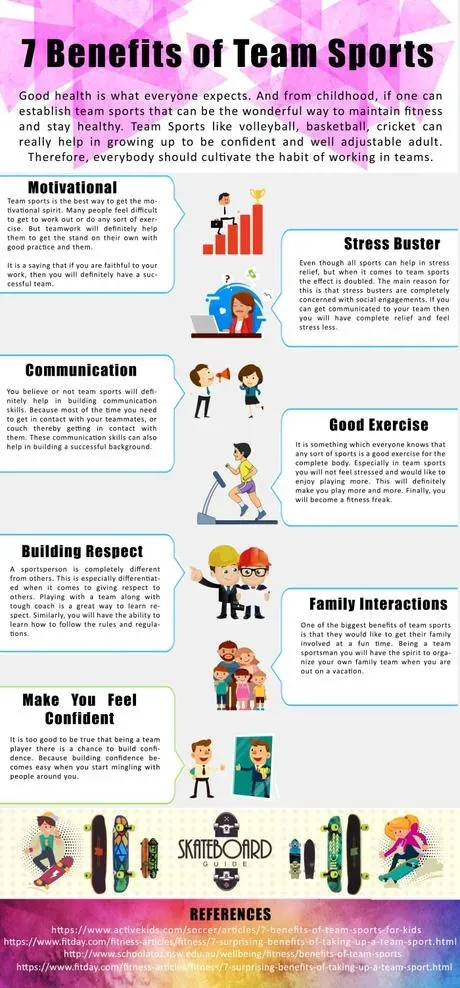
The benefits of team sports extend far beyond just physical fitness and competition. Engaging in team activities fosters collaboration and enhances communication, skills that are essential in both personal and professional realms. Athletes learn invaluable lessons about accountability and leadership as they work together towards a common goal. Additionally, the social effects of sports contribute to strong friendships and a built-in support network, helping individuals navigate the challenges of youth sports development. Ultimately, participating in team sports is not only about improving physical health but also about enriching one’s social life and personal growth.
Exploring the advantages of group athletics reveals a wealth of opportunities for participants. Competing alongside others instills a sense of camaraderie and builds essential teamwork skills that individuals can leverage throughout their lives. These collaborative experiences often lead to improved interpersonal relationships, as well as the chance to enhance communication skills and cultivate leadership qualities. Furthermore, team-based activities encourage a sense of responsibility among members, contributing positively to personal and social development. As such, the advantages of collective sports involvement highlight the profound impact they can have on an individual’s overall growth.
The Importance of Social Interaction in Team Sports
Social interaction is a cornerstone benefit of participating in team sports. Athletes engage with each other in various ways, from communicating strategies during games to celebrating victories and supporting each other through defeats. This interaction fosters friendships that can extend beyond the playing field, creating a network of support and shared experiences. Children and adolescents, in particular, greatly benefit from these social opportunities, as they develop essential interpersonal skills while learning the importance of teamwork in achieving common goals.
Moreover, these social dynamics help improve emotional intelligence among young athletes. Being part of a team requires players to navigate different personalities and learn how to handle conflicts constructively. This environment cultivates empathy and understanding, which are invaluable skills that transfer into everyday life. As athletes work together towards a shared objective, they practice social skills that help them grow into well-rounded individuals.
Enhancing Communication Skills Through Team Sports
One of the most significant outcomes of participating in team sports is the enhancement of communication skills. Athletes must articulate strategies, express encouragement to teammates, and provide constructive feedback throughout a game. These verbal and non-verbal communication practices sharpen a player’s ability to convey their thoughts clearly and effectively. This improvement in communication is not only vital in sports but also translates to better interactions in academic and professional settings.
Furthermore, as athletes learn to communicate under the pressure of competition, they develop the ability to think on their feet. This skill is particularly beneficial in high-stress situations, whether in sports or in personal endeavors. By fostering a communication-rich environment, team sports play a critical role in preparing individuals to navigate complex interactions in life outside the field.
Building Leadership Qualities Through Team Dynamics
Participation in team sports is an effective way to cultivate leadership qualities among athletes. Within a team, players encounter various roles, including that of a leader, which allows them to gain firsthand experience in guiding others. This dynamic teaches young athletes to take initiative, inspire confidence, and make decisions for the benefit of the entire team. Such experiences lay the groundwork for leadership skills that are applicable in many life areas, from academics to future careers.
Moreover, exposure to different leadership styles within a team can help athletes develop their individual approach to leading. They observe how effective leaders motivate their teammates, resolve conflicts, and maintain group morale. This learning process encourages players to adopt strategies that resonate with their personal values, preparing them for leadership roles both in sports and in their professional lives.
The Health Benefits of Team Sports
Engaging in team sports not only promotes physical fitness but also offers numerous health benefits. Regular participation in such activities encourages individuals to adopt a more active lifestyle, significantly reducing the risks of obesity, heart disease, and other health-related issues. Team members motivate each other to meet fitness goals, creating a culture of accountability that fosters overall well-being.
In addition to physical health, team sports also contribute positively to mental health. The camaraderie formed among teammates creates a sense of belonging, reducing feelings of isolation and loneliness. Furthermore, the endorphins released during physical activities help combat stress and anxiety, making participation in team sports an excellent outlet for emotional expression and mental resilience.
The Role of Accountability in Team Sports
Accountability is a critical component of team sports, helping players stay committed to their goals. Each member of the team is motivated to uphold their responsibilities, knowing that their performance impacts the entire group. This shared accountability fosters a strong work ethic and cultivates a culture where individuals support one another to achieve success together. When players understand the importance of their role, they are more likely to push themselves and strive for improvement.
Additionally, accountability within a team structure promotes consistency in training and performance levels. Knowing that others rely on them drives players to show up for practices and give their best effort in games. This mutual reliance not only develops personal discipline but also enhances the overall cohesion of the team, leading to improved results both on and off the field.
Fostering Confidence Through Team Sports
One of the profound impacts of team sports is the boost in self-confidence among participants. As athletes practice and collaborate with their teammates, they grow more comfortable in their skills and abilities. Achieving victories or overcoming challenges together helps reinforce this confidence, allowing players to take on new challenges in a supportive environment. Individual performance improves as confidence builds, paving the way for personal success.
Moreover, the encouragement received from teammates can have a lasting impact on an athlete’s self-image. Positive reinforcement and constructive feedback help players see their value within the team and their potential beyond the sport. This enhanced self-esteem can spill over into other areas of life, enabling young athletes to tackle academic or personal ambitions with greater assurance.
Team Sports: A Platform for Social Skills Development
Team sports provide an excellent platform for developing vital social skills. While engaging in these activities, athletes practice cooperation, negotiation, and conflict resolution. Learning to work towards a shared goal requires communication, compromise, and understanding of different perspectives. These interactions lay the groundwork for effective relationships both within and outside the sporting environment.
Furthermore, the diverse settings in team sports invite players from various backgrounds to come together. This diversity enriches their experiences and encourages players to embrace different viewpoints, enhancing cultural awareness and acceptance. The skills gained on the field can translate into improved social interactions in broader society, preparing athletes to navigate the complexities of diverse environments.
The Impact of Team Sports on Youth Development
Youth sports development significantly benefits from engagement in team sports. Participation offers young athletes opportunities to build resilience, discipline, and social skills early in life. By navigating challenges together, teammates learn to bounce back from defeats and celebrate victories, instilling traits that contribute to their growth as individuals. This early exposure to teamwork prepares them for future collaborative endeavors, both in academics and their professional lives.
Moreover, coaching staff and mentors involved in youth sports play critical roles in fostering development. They guide young athletes through trials, teach them the importance of teamwork, and encourage them to set personal and team goals. This mentoring relationship enhances the overall development experience, providing young players with structures that support their growth in various life aspects.
Balancing Commitment and Fun in Team Sports
Participating in team sports strikes a balance between commitment and enjoyment. Athletes learn the importance of adhering to practice schedules and team obligations, which instills discipline in their daily routines. Balancing these responsibilities with the joy of the sport cultivates a sense of fulfillment, allowing athletes to experience the rewards of hard work while having fun with friends.
This blend of commitment and fun contributes to long-term engagement in physical activity. When individuals enjoy their sport, they are more likely to continue participating, leading to improved health outcomes and robust social networks. The memories forged during training and competitions create a lasting bond among teammates, reinforcing the idea that sports are much more than a game—they are about connection, camaraderie, and personal development.
Frequently Asked Questions
What are the main benefits of team sports over individual sports?
The benefits of team sports include enhanced social interaction, improved communication skills, and the development of teamwork and cooperation. Unlike individual sports, where athletes rely solely on themselves, team sports foster relationships and support systems that contribute to personal and social growth.
How do team sports improve communication skills?
Team sports improve communication by requiring players to strategize, provide feedback, and interact with one another regularly. This dynamic not only enhances verbal communication but also develops non-verbal cues, which are crucial for effective teamwork on and off the field.
What leadership qualities are developed through playing team sports?
Playing team sports equips individuals with leadership qualities such as responsibility, initiative, and the ability to support others. Athletes experience diverse roles within the team, learning when to lead and when to collaborate, which is valuable in both sports and life.
What health benefits can be gained from participating in team sports?
Participation in team sports promotes physical fitness and mental well-being, encouraging a healthier lifestyle. By engaging in regular team practices and games, athletes enhance their strength, endurance, and overall health while enjoying the social aspects of sports.
How do team sports contribute to youth sports development?
Team sports play a critical role in youth sports development by teaching essential life skills like teamwork, discipline, and resilience. As young athletes work together towards common goals, they build friendships and social networks that further enhance their development.
What are the social effects of playing team sports?
The social effects of sports involve creating a sense of community and belonging among players. Team sports foster camaraderie, friendships, and support networks, especially among young athletes, aiding their social development and emotional well-being.
Can team sports help improve time management skills?
Yes, team sports often require athletes to balance training, games, and personal commitments. This commitment teaches players to manage their time effectively, a valuable skill that carries over into academics and future careers.
Why is accountability important in team sports?
Accountability in team sports creates an environment where players motivate each other to perform better. This shared responsibility encourages athletes to stay committed to their training and helps them achieve collective and personal goals.
How do team sports foster motivation among players?
Team sports foster motivation through peer support and shared objectives. When athletes work together toward a common goal, they inspire each other to push their limits, leading to improved performance and personal growth.
What role does teamwork play in personal development through sports?
Teamwork is essential for personal development in sports as it teaches cooperation, empathy, and effective communication. These skills not only enhance athletic performance but also prepare individuals for collaborative environments in their personal and professional lives.
| Key Benefits | Description |
|---|---|
| Social Interaction | Fosters friendships and builds a support network through collaboration and communication. |
| Teamwork and Cooperation | Encourages trust and responsibility among players, applicable to life beyond sports. |
| Improved Communication Skills | Enhances verbal and non-verbal communication, beneficial in personal relationships. |
| Leadership Qualities | Teaches initiative and the importance of supporting others within a team dynamics. |
| Enhanced Discipline and Time Management | Promotes commitment and efficiency in balancing training with personal responsibilities. |
| Motivation and Accountability | Encouragement from teammates enhances commitment and performance levels. |
| Health and Fitness Benefits | Encourages a physically active lifestyle and promotes overall well-being through camaraderie. |
Summary
The benefits of team sports are profound, emphasizing social interaction, teamwork, and personal growth. Participating in team sports not only enhances physical fitness but also offers critical life skills like communication, discipline, and motivation. These experiences help develop strong interpersonal relationships and foster a sense of accountability among players. Team sports provide a unique platform for young individuals to learn how to work collaboratively, pushing each other toward collective goals. Embracing team sports can lead to a well-rounded athletic experience that contributes significantly to personal development, making it an invaluable part of an active lifestyle.

