
Listen to this article
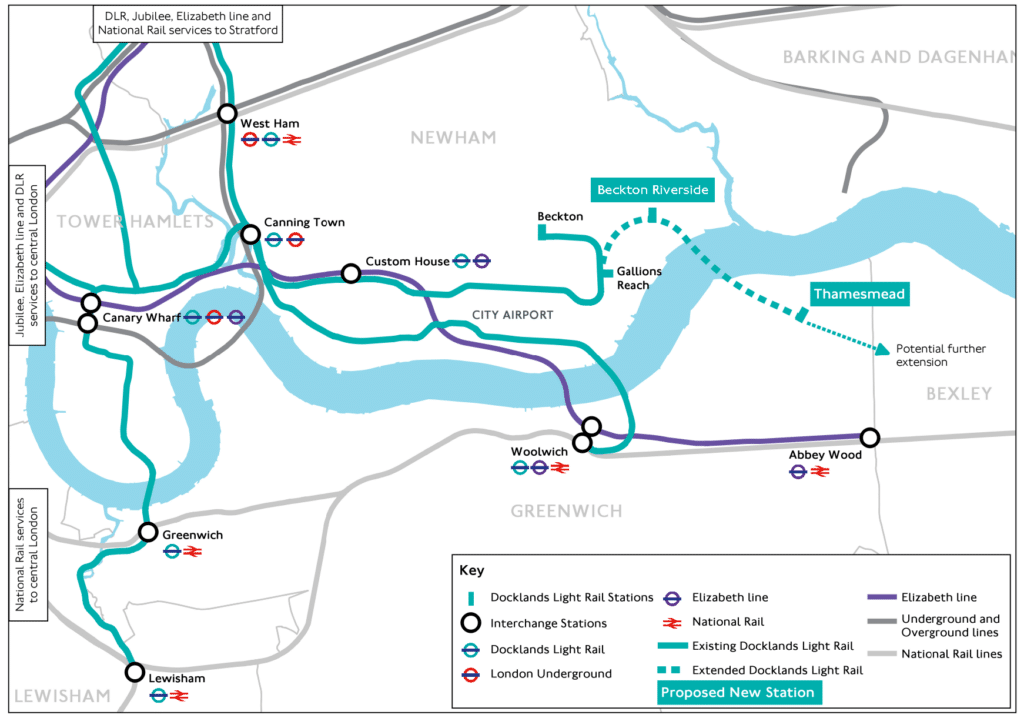
Thamesmead transport links have long been a subject of frustration for residents, with many advocating for the essential Docklands Light Railway (DLR) extension that could revolutionize mobility in the area. For years, locals have grappled with inadequate connections that hinder their ability to navigate South London efficiently. With the Elizabeth line’s recent launch at Abbey Wood, the hope is that similar improvements can finally bring Thamesmead’s transport network into the 21st century. The DLR extension is seen not just as a railway development, but as a lifeline that promises to enhance Thamesmead connectivity and address chronic transport issues that have historically left the area feeling isolated. As the community eagerly awaits updates on this critical project, the vision of a better-connected Thamesmead remains a driving force behind their aspirations for change.
The transportation framework in Thamesmead has garnered significant attention, particularly with residents clambering for improvements that would significantly alleviate ongoing transit challenges. The proposed expansion of the Docklands Light Railway is at the forefront of discussions about facilitating seamless travel in South London. Central to this discourse is the recent integration of the Elizabeth line at Abbey Wood, which highlights how impactful transport upgrades can alter local accessibility. Many see the DLR extension as a pivotal step that would not only enhance Thamesmead’s connectivity to other parts of London but also remedy long-standing difficulties in commuting. Overall, enhancing transportation options in this part of South London is crucial to fostering community connections and improving quality of life for its residents.
The Impact of the Thamesmead DLR Extension on Local Transport
Thamesmead has faced persistent transport challenges, making the proposed Docklands Light Railway (DLR) extension a critical development for the area. With the existing transport links described as ‘appalling’ by residents, the DLR extension promises to enhance connectivity not only within Thamesmead but across South London as well. Such improvements are vital for locals who frequently experience lengthy commutes and limited access to central transport hubs, reinforcing the need for this long-awaited rail connection.
The effect of the DLR extension on local transport can be transformative. Many residents envision a scenario where long walks or extensive bus journeys to reach the nearest train station become obsolete. Instead, they would have direct access to vital transport links, facilitating easier travel to employment centers and leisure destinations. This enhancement could dramatically improve the quality of life for Thamesmead residents, positioning the area as a more attractive option for new residents and businesses alike.
Bridging the Gap: South London Transport Issues
Transport issues in South London are prominent, with areas like Thamesmead feeling significantly isolated from the more developed transport networks. The residents’ sentiment reflects a larger pattern of discontent over transport accessibility and reliability, often relying solely on local buses that fail to meet their needs. The DLR extension aims to bridge this gap, giving residents improved access to the Docklands and other areas of London that are currently challenging to navigate.
South London has seen incremental improvements in transport, but areas like Thamesmead still lag behind. The recent arrival of the Elizabeth line in nearby Abbey Wood serves as a reminder of how impactful transport upgrades can be. Residents hope they can experience similar benefits once the DLR reaches Thamesmead, making daily journeys smoother and more efficient while also connecting them better to the broader London transport network.
Thamesmead Connectivity: A New Era for Commuters
Connectivity remains a crucial factor for residents in Thamesmead, emphasizing the importance of the proposed Docklands Light Railway extension. Commuters currently face a tedious process involving transfers to other lines just to reach Central London or surrounding areas. The extension would alleviate these frustrations, allowing for straightforward transport options that can enhance job opportunities and overall commute times.
With enhanced connectivity, Thamesmead residents would also see improvements in local businesses as more visitors can travel to the area with ease. Improved transport links not only lead to economic boosts but also foster a sense of community as people have better access to amenities, parks, and social activities. The promise of a well-connected Thamesmead hints at a thriving local economy and a vibrant community life.
The Role of the Elizabeth Line in Thamesmead’s Transport Landscape
The Elizabeth line has set a new standard for transport improvements in South London, showcasing how effective rail services can transform residents’ travel experiences. Located just a short distance from Thamesmead, the Abbey Wood station serves as a vital transit point that has significantly reduced journey times for many commuters in the region. However, residents continue to express the necessity for direct rail links to ensure Thamesmead does not feel sidelined.
As Thamesmead awaits the DLR extension, the positive impact of the Elizabeth line serves as a benchmark for what can be achieved. Enhanced rail connectivity can just as easily elevate Thamesmead’s status within the greater London transport network, making it a desirable destination for residents and businesses alike. Local advocacy for the DLR reflects a hope that advancements in transport infrastructure will continue to roll out towards Thamesmead.
Challenges and Opportunities for Thamesmead Commuters
Thamesmead commuters face numerous challenges, including limited transport options that force them to rely on cumbersome routes to their destinations. Many residents frequently lament the lack of efficient transport solutions, which often results in prolonged travel times, particularly when attempting to reach central London hubs. The DLR extension represents an opportunity to overcome these hurdles and create a seamless transport experience for all residents.
Moreover, the potential for new job opportunities and increased foot traffic due to improved transport links could catalyze economic growth in Thamesmead. As the local community anticipates better connectivity, there lies an inherent opportunity for investment in local businesses and services, reversing decades of transport-related stagnation. By prioritizing transport upgrades, Thamesmead can set the stage for a vibrant future.
Why Thamesmead Needs Improved Transport Links Now
The urgency for better transport links in Thamesmead cannot be overstated, as residents strive for a transport system that meets their daily needs. With the proposed DLR extension still pending, many locals fear missing out on vital connectivity that can uplift the community. As South London evolves, ensuring that Thamesmead keeps pace with transport upgrades is essential to prevent ongoing isolation and frustration among residents.
Furthermore, improved transport links are not just about convenience; they also reflect the potential for socioeconomic advancement within the area. As accessibility improves, so does the ability for Thamesmead to attract new investments and residents, enhancing overall life satisfaction. The time for action on transport issues is now, as the community anticipates a more connected and prosperous future.
Transforming Daily Life in Thamesmead
For many residents, the proposed DLR extension is seen as a pathway to transforming daily life in Thamesmead. Without a direct link to central transport systems, locals often find their day-to-day activities hindered by long and complicated travel routes. Whether it’s commuting to work or visiting friends, greater connectivity through the DLR could revolutionize the experience of living in Thamesmead, allowing residents to enjoy a more dynamic urban lifestyle.
Additionally, the potential benefits extend beyond mere convenience. Enhanced transport links have the power to foster a stronger sense of community, as social interactions become more fluid with fewer barriers. Residents can partake in events or venues across London, effectively opening up a world of opportunities that were previously hard to reach. This proposed DLR extension is a chance for Thamesmead to redefine itself and unlock its full potential.
Future Prospects for Thamesmead’s Transport Development
As the debate over transport development in Thamesmead continues, the future prospects of the DLR extension remain bright. Local government and advocacy groups are increasingly vocal about the necessity of better connectivity to support the growing population and economic aspirations of the region. With technology and urban planning increasingly focused on enhancing transport systems, Thamesmead could soon experience a renaissance in its transport landscape.
Ultimately, the future of Thamesmead’s transport hinges on collective efforts from both residents and local authorities. If the push for the DLR extension succeeds, it could catalyze further infrastructure developments that reinforce Thamesmead’s position within the greater London area. Thus, the possibilities extend far beyond merely improving transport; they represent a significant opportunity to shape the identity and sustainability of the Thamesmead community for generations.
Frequently Asked Questions
What is the current status of the Thamesmead DLR extension?
The Thamesmead DLR extension is still in the proposal phase, with residents eagerly awaiting updates on its development. This extension aims to improve Thamesmead transport links, providing direct access to the Docklands Light Railway and alleviating South London transport issues.
How will the Docklands Light Railway Thamesmead extension improve connectivity?
The Docklands Light Railway Thamesmead extension is expected to significantly enhance connectivity by linking Thamesmead directly to the DLR network. This would reduce long travel times to other parts of South London and ease access to central locations.
What impact will the Elizabeth line at Abbey Wood have on Thamesmead transport links?
The Elizabeth line at Abbey Wood has already improved Thamesmead transport links by providing faster connections to central London and beyond. It serves as a critical stepping stone for residents while they await the proposed DLR extension.
How do South London transport issues affect residents in Thamesmead?
South London transport issues, particularly poor rail connectivity, have left many Thamesmead residents feeling isolated. The anticipated DLR extension aims to address these challenges and provide a more efficient means of transportation across the region.
Why is the Thamesmead connectivity a priority for local residents?
Thamesmead connectivity is a priority for local residents as it directly impacts their daily commute and accessibility to essential services. The proposed transport improvements, particularly the DLR extension, are seen as vital for enhancing quality of life and economic opportunities in the area.
What challenges do Thamesmead residents face with current transport links?
Residents of Thamesmead face challenges such as long bus journeys and the need to travel to distant stations like Abbey Wood or Woolwich Arsenal to catch a train. The lack of direct connections makes commuting cumbersome, highlighting the necessity for the DLR extension.
Is the Thamesmead DLR extension considered a solution to local transport problems?
Yes, many local residents view the Thamesmead DLR extension as a crucial solution to long-standing transport problems. It promises to streamline travel within South London and improve access to the wider transport network.
What benefits do residents expect from improved Thamesmead transport links?
Residents expect improved Thamesmead transport links to lead to quicker travel times, better access to workplaces and leisure activities, and an overall enhancement in quality of life. The DLR extension is seen as a pivotal development in achieving these benefits.
| Key Point | Description |
|---|---|
| Long-awaited DLR Extension | Residents believe the proposed Docklands Light Railway (DLR) extension is essential for improving transport links in Thamesmead. |
| Current Transport Issues | Locals feel cut off from the rest of South London, facing challenges in commuting and limited options. |
| Experience with Elizabeth Line | The introduction of the Elizabeth line has shown residents the positive impact of improved transport. |
| Hope for the Future | Residents are optimistic that the DLR extension will enhance connectivity and help avoid long journeys to other stations. |
| Younger Residents’ Perspective | Younger residents express that the DLR would bring much-needed connectivity, allowing for easier travel within London. |
Summary
Thamesmead transport links have long been a topic of concern for residents who feel isolated due to inadequate rail connections. As the community eagerly awaits the proposed Docklands Light Railway (DLR) extension, hopes are high that it will transform daily commuting and enhance overall accessibility. With a shared consensus on the necessity of this upgrade, residents look forward to a future where navigating South London becomes significantly easier.